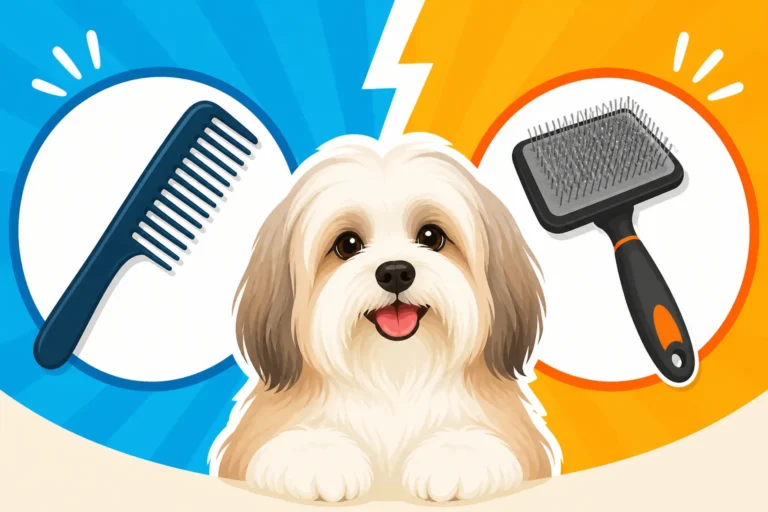
Whether a Havanese Coat Texture Varies by Line
It’s a common misconception that all Havanese coats are exactly alike, a flowing silken cascade that just magically stays beautiful. The truth is, many new Havanese owners are utterly baffled when their puppy's beautiful, soft coat starts to change, becoming a matting nightmare or feeling entirely different from what they expected. This comprehensive guide will delve deep into the fascinating world of Havanese coat textures, explaining why they vary so much, what these variations mean for you, and how to properly care for whatever gorgeous coat your Havanese inherits.
The Genetic Blueprint: Why Havanese Coat Texture Varies by Line
When you look at a group of Havanese, even within the same litter, you might notice subtle (or sometimes not-so-subtle) differences in their fur. Some might have that famously long, silky flow, while others have a denser, almost cottony feel, and a few might even lean towards a slightly wiry texture. This isn't just a fluke; it's often a direct reflection of the genetic lines from which your Havanese descends.
Tracing Coat Genes Through Ancestry
The Havanese breed, as we know it today, has a relatively small foundation population. After nearly dying out during the Cuban Revolution, the breed was painstakingly rebuilt from a handful of refugee dogs. This narrow gene pool means that certain genetic traits, including those responsible for coat texture, became more concentrated in particular lines. A breeder who focuses on a specific look or temperament might unintentionally, or intentionally, perpetuate a certain coat type simply because it’s present in their breeding stock. You might find that some lines are known for consistently producing that classic "Havana Silk Dog" feel, while others might lean towards a more robust, voluminous coat.
Think of it like human hair – some families have naturally curly hair, others have stick-straight, and some have a mix. It's all rooted in genetics. With Havanese, the genes controlling the density of the undercoat, the waviness of the outer coat, and the individual hair strand thickness all play a role. A reputable breeder who is transparent about their lines will often be able to tell you what kind of coat textures they typically see in their puppies and adults. This genetic legacy is a huge reason why not every Havanese feels or grooms the same way.
The Ideal vs. Reality: What the Standard Says and What You See
The Havanese breed standard generally describes a soft, silky double coat that is wavy or curly, not coarse or woolly. It should be long, reaching down to the floor if allowed to grow out, and should have a distinct, flowing movement. The texture is often emphasized as being "silky to the touch." This is the ideal that show breeders strive for, and it certainly is beautiful. Many envision this exact coat when they think of a Havanese, especially if they’ve only seen dogs in magazines or at dog shows.
However, the reality for many Havanese owners is that their dog's coat doesn't always fit this exact description perfectly. While a Havanese will always have a double coat, the texture of that coat can vary significantly. You might find your Havanese has a beautifully silky coat that is truly easy to maintain with regular brushing, living up to every expectation. But it's just as common to encounter Havanese with coats that are much denser, softer to the point of being cottony, or even slightly coarser than the ideal. These variations are perfectly normal and don't make your Havanese any less wonderful; they simply mean you might need to adjust your grooming approach. Understanding that the standard is an ideal, and real-world dogs have variations, helps set realistic expectations for grooming and daily care.
Common Havanese Coat Textures You'll Encounter
The world of Havanese coats is far more diverse than just "long and fluffy." Each texture brings its own unique characteristics and, let's be honest, its own grooming challenges and rewards. Knowing what you're dealing with is half the battle.
The Dreamy Silky and Wavy Coat
Ah, the quintessential Havanese coat! This is the texture often described in the breed standard: a soft, fine, double coat that flows gracefully and has a natural wave or gentle curl. When you run your hand through it, it feels incredibly soft and smooth, almost like spun silk. This type of coat typically has a beautiful sheen and, when properly cared for, can be quite stunning. The Silky Double Coat a Havanese Grows to the Floor is often what people imagine.
For owners, this silky, wavy coat is generally considered the most manageable, though "manageable" for a Havanese still means a commitment! The individual hairs are less prone to tangling tightly, and mats tend to form closer to the surface rather than deep against the skin. Regular brushing – often daily or every other day with a good slicker brush and metal comb, perhaps from Amazon – is still essential to prevent tangles from becoming full-blown mats. When wet, this coat might look a little stringy, but it dries back into its soft, flowing glory. While it's beautiful, it still requires diligent care, especially during the coat change phase, which can happen When a Havanese Puppy Coat Changes from soft puppy fluff to adult hair.
The Challenging Cottony or Woolly Coat
This is where many new Havanese owners find themselves scratching their heads, sometimes literally! A cottony or woolly Havanese coat feels very soft, perhaps even softer than the silky type, but it's much denser and has a distinct, fluffy, almost cotton-ball-like texture. Unlike the silky coat, which tends to lie flat and flow, the cottony coat often stands out from the body more, giving the dog a rounder, plushier appearance. This isn't a fault, but it is a variation that demands a different grooming approach.
The main challenge with a cottony coat lies in its propensity for matting. Because the individual hairs are finer and more numerous, and the undercoat can be incredibly dense, they intertwine much more easily. A neglected cottony coat can go from fluffy to felted in what feels like mere hours. Brushing needs to be a daily ritual, and you'll often need a firmer slicker brush and a thorough metal comb to get all the way down to the skin. How Often a Havanese Must Be Brushed becomes even more critical with this coat type. Many owners of cottony-coated Havanese opt for a shorter, easier-to-maintain clip, like The Puppy Cut Most Havanese Owners End Up Choosing, simply to keep up with the matting. Without proper care, this coat can quickly become uncomfortable for your dog, pulling at the skin and creating hot spots underneath.
The Less Common Wiry or Coarse Coat
While less common than the silky or cottony variations, some Havanese can exhibit a coat that feels distinctly wiry or coarse. This type of coat might be stiffer to the touch, less soft and flowing than the ideal, and may not have the same lustrous sheen. It might also have a slightly different wave pattern or appear less dense overall. What Makes a Havanese Coat Double Rather Than Single is a factor here; the texture of both layers contributes.
A wiry coat generally tends to be more resilient to matting than a cottony coat, but it can still tangle, especially in high-friction areas like behind the ears, armpits, and under the collar. Whether a Wiry Coated Havanese Mats More than a silky one is debatable, but it often mats differently. It may not form the dense, felt-like mats of a cottony coat, but rather more localized, tighter knots. Grooming this coat requires consistent brushing, focusing on detangling any snags with a comb. Some owners find that this coat type is actually quite robust and, when kept at a moderate length, can be fairly easy to care for, perhaps even shedding less noticeable hair around the house.
Practical Implications of Different Coat Textures for Havanese Owners
Understanding your Havanese's coat texture isn't just an academic exercise; it directly impacts how you care for your furry companion every single day. The right tools and techniques can make all the difference between a happy, mat-free Havanese and a frustrated owner with a dog needing a professional shave.
Grooming Strategies for Each Coat Type
Each coat texture demands a slightly different approach to grooming. It’s not a one-size-fits-all situation.
- Silky and Wavy Coats: These coats benefit from regular, thorough line brushing. You'll want a good pin brush to gently separate the strands and a quality slicker brush to smooth out the waves and remove loose hair. Follow up with a metal comb, perhaps one you picked up from Chewy, to ensure there are no hidden tangles, especially behind the ears and in the armpits. Focus on brushing in layers, starting from the bottom and working your way up. Regular baths with a good conditioner will help keep the coat soft and prevent static.
- Cottony or Woolly Coats: This texture is the mat magnet, so vigilance is key. You'll need a sturdier slicker brush, often one with longer pins, to penetrate the dense coat, along with a strong metal comb. Daily brushing is almost non-negotiable, even if it's just a quick five-minute session to hit the problem areas. When bathing, make sure to thoroughly work in conditioner, as this coat type can dry out easily. Always dry completely with a good force dryer, brushing as you go, to prevent mats from setting in as the coat dries. Many owners choose to keep these coats in a shorter clip, which significantly reduces grooming time and prevents major matting disasters.
- Wiry or Coarse Coats: These coats often respond well to a combination of brushing techniques. A slicker brush can help detangle and remove loose undercoat, while a pin brush can maintain the texture of the outer coat. A good comb is essential for checking for tangles, which can still form, albeit often less intensely than with cottony coats. This coat type might not need as frequent bathing as others, but regular conditioning can help maintain its natural texture and prevent it from becoming too brittle.
| Coat Texture | Feel & Appearance | Matting Tendency | Grooming Frequency & Tips | Common Tools |
|---|---|---|---|---|
| Silky & Wavy | Soft, smooth, flowing, lustrous sheen | Moderate | Every 1-2 days. Focus on line brushing, gentle detangling. | Pin brush, slicker brush, metal comb |
| Cottony & Woolly | Very soft, dense, fluffy, stands out from body | High | Daily, non-negotiable. Thorough brushing to the skin. Consider shorter clips. | Firmer slicker brush (long pins), metal comb |
| Wiry & Coarse | Stiffer, coarser, less soft, sometimes duller | Low to Moderate (tight knots) | Every 2-3 days. Focus on detangling with a comb and removing loose undercoat. | Slicker brush, pin brush, sturdy metal comb |
Impact on Matting and Overall Coat Health
Regardless of the texture, every Havanese coat can and will mat if neglected. However, the severity and speed of matting differ greatly. A cottony coat is a veritable matting machine, gathering tangles almost by looking at it wrong. You might find that Whether a Havanese Mats Behind the Ears or in the armpits is a constant battle, even with daily brushing. Silky coats, while more forgiving, can still develop significant mats, especially where there's friction, like under a harness or where the dog scratches. Wiry coats tend to form tighter, localized mats rather than large felted patches, but they are still painful if not addressed.
Beyond matting, coat texture can affect overall skin and coat health. Denser, cottony coats can trap moisture, potentially leading to skin irritation if not dried properly after baths or if the dog gets wet playing. Silky coats can sometimes become dry or brittle if not conditioned regularly. Regardless of texture, proper nutrition, perhaps with a high-quality food from Ollie, and supplements like fish oil can contribute to a healthier, more resilient coat. Always ensure you're using appropriate shampoos and conditioners for their specific coat needs, avoiding harsh products that can strip natural oils.
Choosing a Havanese Puppy: What to Look For
If you have a strong preference for a specific coat type, it’s worth discussing this with potential breeders. While it's impossible to predict a puppy's adult coat with 100% certainty, an experienced breeder familiar with their lines can give you a very good idea. They can tell you about the coat types of the parents and grandparents, and what they typically expect from a litter. Looking at pictures of past puppies from the same parents as adults can also offer clues.
When visiting a litter, gently feel the puppies' coats. Even at a young age, you might be able to detect differences. A very fine, soft, sparse coat might develop into a silky adult coat, while a denser, fluffier puppy coat might lean towards cottony. Don't be afraid to ask the breeder about their grooming routine and what their adult dogs' coats are like. A responsible breeder will prioritize health and temperament first, but they should also be transparent about coat expectations. It’s also wise to inquire about The Health Tests Both Havanese Parents Should Have to ensure you're getting a healthy puppy, regardless of coat type.
Beyond Texture: Other Coat Characteristics to Consider
While texture is a huge part of the Havanese coat story, there are other fascinating aspects to consider. These elements often intertwine with texture, adding to the rich tapestry of what makes each Havanese unique.
Color Changes and How They Relate to Texture
Havanese are famous for their myriad of colors, and sometimes, these colors can influence or at least coincide with coat texture. For instance, some Havanese with genes for "silvering" or "fading" might experience a change in texture as their puppy coat gives way to their adult coat. Whether a Black Havanese Turns Silver is a common question, and as their black coat silvers out, the texture might also feel a little different, sometimes slightly coarser or more open as the lighter hairs emerge.
It's not uncommon for a Havanese puppy to be born a deep, rich color that gradually fades or "clears" over time. This color change can occur alongside a texture change as the adult coat matures. While not a direct cause-and-effect, some lines known for specific colors might also inadvertently carry traits for certain coat textures. This just adds another layer of individuality to each Havanese and is part of the fun of watching them grow!
Coat Growth and Maintenance Decisions
Regardless of the exact texture, every Havanese coat grows continuously and will reach impressive lengths if left untrimmed. Whether a Havanese Coat Grows Forever is a common question, and the answer is essentially yes, much like human hair. This continuous growth means regular grooming appointments or dedicated home grooming are absolutely essential.
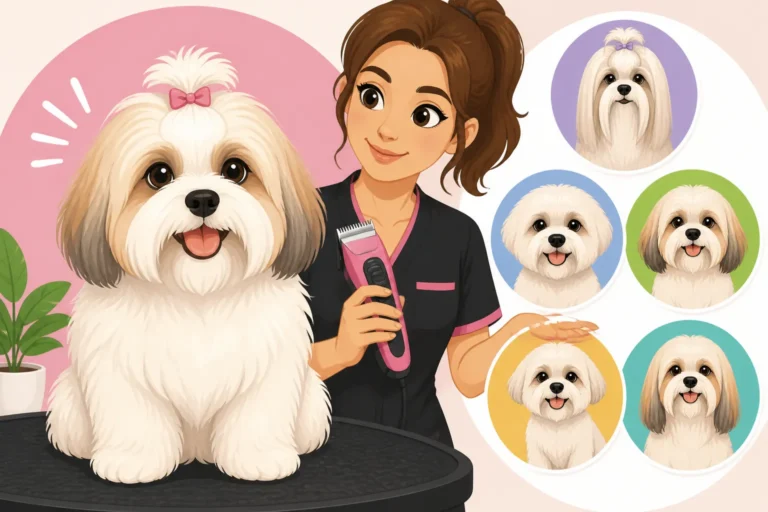
Many owners, especially those with cottony or extremely dense silky coats, opt for a shorter, more practical clip, often referred to as The Puppy Cut Most Havanese Owners End Up Choosing. This dramatically reduces the risk of matting and makes daily maintenance much easier, especially if your Havanese loves to play outdoors or swim. While it changes their appearance, it doesn't change their joyful personality! For those who choose to keep their Havanese in a longer, show-style coat, be prepared for a significant time commitment to brushing, bathing, and drying, often needing specialized products and tools available from retailers like Chewy or Amazon. You might also want to explore Whether a Havanese Needs a Topknot to keep hair out of their eyes if you're maintaining a longer face. Ultimately, the decision about coat length often comes down to lifestyle, the dog's comfort, and how much time you realistically have to dedicate to grooming.
Disclaimer
This article is for general informational purposes only and does not constitute professional advice. Laws, prices and regulations vary by location and change over time. Consult a qualified professional for guidance on your specific situation.