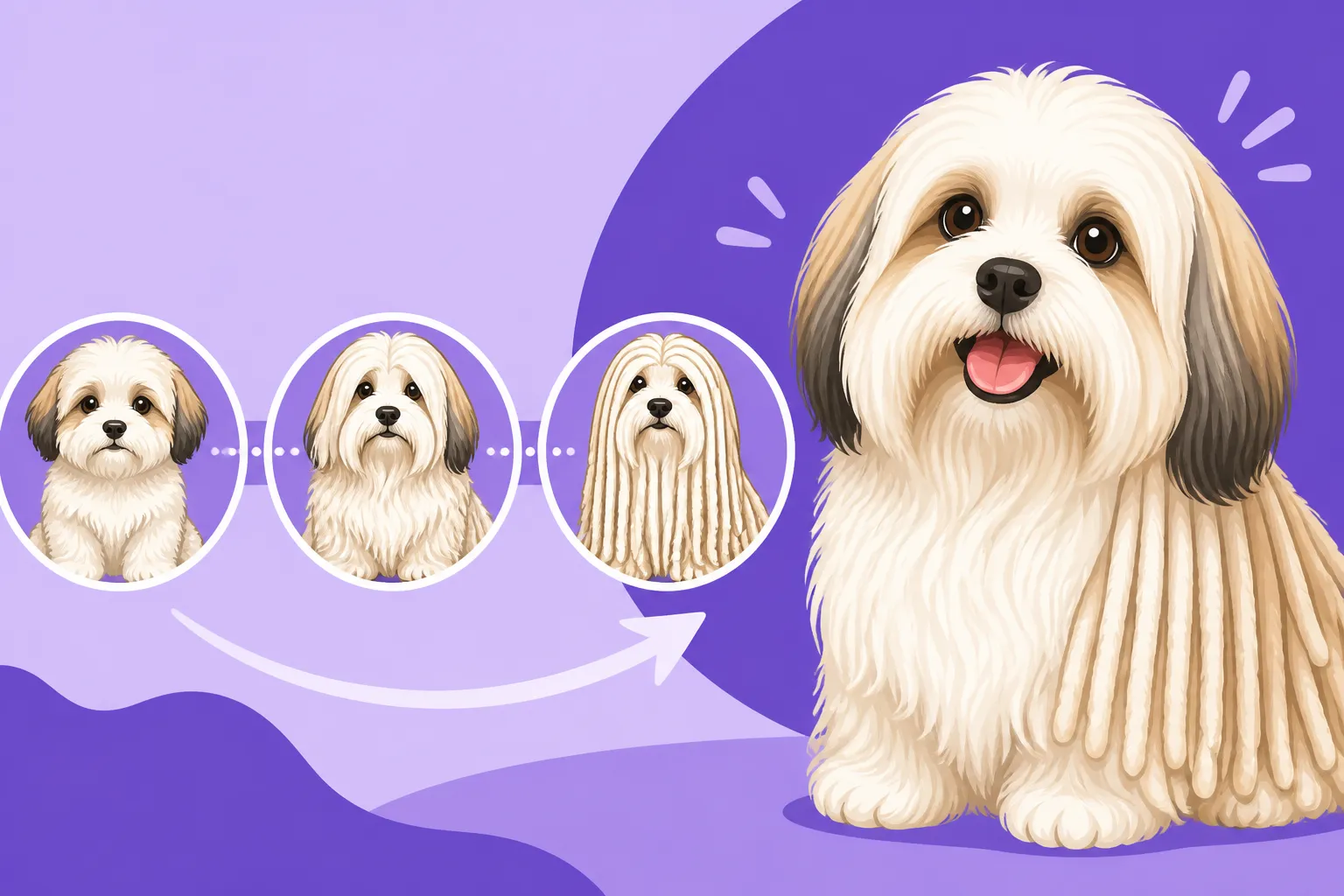
How Long Cords Take to Form on a Havanese
You've seen those stunning images of Havanese with beautiful, flowing cords, looking like miniature mopheads, and perhaps you've wondered if your own furry friend could achieve that unique style. It’s a truly striking look, but the journey to a fully corded Havanese is often shrouded in mystery and can feel incredibly daunting for owners. Many assume it's an overnight transformation or simply a matter of not brushing, but the reality is far more intricate and takes a significant commitment. This guide will demystify the cording process, giving you a realistic timeline and detailed insights into what to expect as you embark on this unique grooming adventure with your Havanese.
Understanding the Havanese Coat and Cording Basics
Before we dive into timelines, it’s crucial to understand what makes a Havanese coat suitable for cording and what cording actually entails. This isn't just about letting mats form; it's a deliberate and careful process that works with the natural texture of their double coat.
What Cording a Havanese Really Means
When we talk about "cording" a Havanese, we're referring to a specific grooming technique where the dog's coat is encouraged to form long, rope-like strands or "cords" rather than being brushed out into a flowing mass. This isn't the same as a matted, neglected coat, which is often painful and unhealthy for the dog. True cording is meticulously controlled, with individual sections of hair separated and maintained to prevent them from tangling into an uncomfortable, solid pelt. The goal is neat, clean, and evenly formed cords that hang gracefully.
This process highlights the unique characteristics of the Havanese coat, which is naturally predisposed to form these elegant dreadlock-like structures due to its soft, double texture. It's an art form, really, requiring a deep understanding of the coat's properties and a commitment to regular, specific care. It's a way to showcase the breed's historical roots, as some believe the early Havanese in Cuba might have been kept in cords. For more on the breed's coat, you might find The Silky Double Coat a Havanese Grows to the Floor insightful.
Ideal Coat Types for Cording
While all Havanese have a double coat, not every Havanese coat is equally suited for cording, or at least some will be much easier to cord than others. The ideal Havanese coat for cording is soft, fine, and has a good amount of undercoat, which provides the bulk and texture needed for cords to form and hold together. A silkier, thinner coat with less undercoat might struggle to cord effectively, or the cords might be very thin and break easily. Conversely, a very woolly or overly dense coat might be prone to solid matting rather than clean cord separation, requiring even more vigilant maintenance.
Coat texture can also vary by line and individual dog, so it's a good idea to assess your dog's specific coat quality. If your Havanese has a coat that is particularly prone to matting even with regular brushing, it might actually be a good candidate for cording, as the natural tendency to clump can be harnessed. However, if your dog has a very coarse or stiff coat, cording might prove more challenging and less comfortable for them in the long run. Understanding What Makes a Havanese Coat Double Rather Than Single can help you appreciate these nuances.
The Initial Stages of Cording
The cording journey doesn't just begin one day; it's a gradual process that aligns with your Havanese's natural coat development. Understanding these early stages is key to a successful corded future.
Puppy Coat vs. Adult Coat Transition
The Havanese puppy coat is typically soft, fluffy, and relatively easy to manage. It's during this phase that many owners enjoy the playful "puppy cut." However, as your Havanese matures, usually between 8 to 18 months, their adult coat starts to come in, and the texture changes significantly. This is often referred to as the "coat change" or "matting stage," and it's notoriously difficult for many owners. The softer puppy fur mixes with the coarser adult guard hairs, creating a perfect storm for matting.
This transitional period is precisely when the cording process naturally wants to begin. The mixing textures and the natural tendency to clump are what you'll work with. Trying to cord a pure puppy coat is generally not recommended, as the cords won't hold their structure well, and you'll likely just end up with a mess. It's this messy, matting stage that signals it’s time to start. Don't be discouraged if your Havanese suddenly starts matting at eight months; this is a completely normal part of their development and actually a good sign if you're aiming for cords! You can learn more about this by reading Why a Havanese Mats at Eight Months and Not Before.
When to Begin the Cording Journey
The optimal time to truly begin actively forming cords is when your Havanese is going through their coat change, typically somewhere between 8 months and 1.5 years old. Before this, their coat is too immature. Waiting until the coat change is in full swing allows you to work with the natural tendencies of the hair to clump and felt together.
You'll notice that instead of shedding individual hairs, the Havanese sheds its undercoat, which then gets trapped in the outer coat. This trapped undercoat is what starts to form the basis of the cords. At this point, you'll stop brushing entirely and instead begin the meticulous process of manually separating the forming mats into smaller, uniform sections. This initial separation is crucial and sets the foundation for healthy, well-formed cords. Rushing this stage or starting too early can lead to weak cords or large, unmanageable mats, so patience is truly a virtue here.
The Active Cording Process: Months 1-12+
Once you've decided to cord your Havanese and they're past the initial coat change, the real work begins. This is not a passive process; it requires consistent, hands-on intervention over many months.
Initial Cord Formation and Separation (Months 1-3)
This is perhaps the most intensive period. Once you cease brushing, the coat will naturally begin to felt and clump. Your job is to guide this process. Instead of allowing large, flat mats to form, you will spend time daily, or at least several times a week, gently pulling apart the forming clumps into smaller, even sections. Think of it as creating intentional dreadlocks. You'll start from the skin and work outwards, making sure each forming cord is separate from its neighbors. The size of the cord will depend on your preference, but consistency is key.
You might use a tool like a greyhound comb or even just your fingers to tease apart the emerging cords. Focus on areas that tend to mat quickly, such as behind the ears, in the armpits, and under the tail. At this stage, the cords will be short, fuzzy, and won't look much like the long, elegant ropes you envision. They're just beginning to form their distinct shape and density. This phase is less about length and more about establishing clean, even separations from the skin.
Developing Length and Density (Months 4-12)
After the initial separation phase, the cords will start to grow longer and gain more density. This is where you really begin to see them take shape. Over the next several months, your focus will be on maintaining those separations and encouraging the cords to lengthen uniformly. The Havanese coat grows continuously, so as new hair grows from the root, it will naturally integrate into the existing cords, extending their length.
You'll need to continue to check the base of each cord regularly, perhaps weekly, to ensure they haven't re-matted together at the skin. Gently separate any new growth that's trying to clump across cords. This is a continuous effort. It might feel like you're constantly grooming, even though you're not brushing. During this time, the cords will start to become more robust and less prone to unraveling. They will begin to look more like the distinct ropes you're aiming for. The length and thickness will vary depending on your dog's coat type and how wide you've made your initial cord sections.
Maturation and Full Length (12+ Months)
By the time your Havanese is around 12-18 months old, assuming you started the process during their coat change, the cords should be well-established and gaining significant length. From this point forward, the process becomes more about maintenance. The cords will continue to grow as long as the hair grows, eventually reaching the floor if you allow them to. The timeframe for achieving "full length" (however you define that) can range from 18 months to several years, depending on desired length and the dog's individual hair growth rate.
At this stage, the cords are typically solid and dense, much less prone to re-matting at the tips, although the roots still need regular separation. It's a testament to your patience and dedication to the process. Many owners find that by this point, the routine becomes second nature. Some owners might trim the ends of the cords to keep them at a manageable length or to maintain a neater appearance, especially around the face and feet. For an idea of the commitment, consider Cording a Havanese and What It Commits You To.
Factors Influencing Cording Speed and Quality
Several elements can impact how quickly and how well your Havanese's cords form. Understanding these can help you manage your expectations and adjust your routine accordingly.
Coat Texture and Growth Rate
As mentioned earlier, the specific texture of your Havanese’s coat plays a huge role. A finer, softer coat with a good amount of undercoat tends to felt and cord more easily and uniformly than a very silky or coarse coat. If your Havanese has a silkier coat, the cords might take longer to form densely, and you might need to be extra diligent in ensuring they don't unravel. A more cottony or woolly coat, on the other hand, might form cords very quickly but could also be more prone to creating dense, solid mats that are difficult to separate into individual cords.
The individual growth rate of your dog’s hair also matters. Just like human hair, some Havanese simply grow hair faster than others. A faster-growing coat means faster cord development and length accumulation, but it also means more frequent attention to the roots to prevent matting. Conversely, a slower-growing coat will take longer to achieve substantial length, but might offer a bit more leeway between maintenance sessions at the base of the cords.
Consistent Grooming and Maintenance
This is arguably the most critical factor. Cording a Havanese is not a "set it and forget it" process. It requires consistent, regular attention, especially during the initial formation phase. Skipping days or weeks of separating the budding cords will almost certainly lead to solid matting, which can be painful for your dog and incredibly difficult, if not impossible, to fix without shaving down the coat.
A regular schedule, whether it’s daily during the first few months or weekly once established, is paramount. This includes not just separating new growth, but also careful bathing and drying. You can't just throw a corded Havanese in the tub and let them air dry; damp cords can become musty, heavy, and prone to mildew. Specialized shampoos and conditioners designed for dreadlocks (often found on Amazon or Chewy, though always check ingredients for dog-friendliness) can help keep the cords clean and healthy. Proper drying, often with a force dryer, is also essential to ensure the cords are dry right to the skin, preventing skin issues. For general coat care, you might want to review How Often a Havanese Should Be Bathed.
Environmental Factors
Your Havanese's lifestyle and environment can also affect the cording process. Dogs who spend a lot of time rolling in dirt, playing roughly with other dogs, or swimming frequently might find their cords getting messier or tangling more easily. While a corded coat offers some protection, constant exposure to elements can make maintenance more challenging.
For example, a Havanese living in a very humid climate might find their cords take longer to dry completely after a bath, increasing the risk of mildew. Similarly, a dog that runs through brush or gets sticky burrs in their coat will require more careful cord cleaning and separation. Keeping your Havanese relatively clean and preventing extreme tangles or dirt accumulation between baths will make the cording process smoother and the resulting cords healthier. This is also true for a regular long coat, as discussed in Whether a Havanese Mats Behind the Ears.
Maintaining Corded Havanese: The Long Haul
Once the cords are beautifully formed, your work isn't over. Long-term maintenance is crucial to keep your Havanese comfortable and their cords pristine.
Regular Separation and Grooming Schedule
Even fully formed cords require ongoing attention. The hair continues to grow from the roots, and if left unchecked, new growth will mat across existing cords at the skin level. This means you'll still need to perform regular separation, perhaps every 1-2 weeks, to ensure each cord remains distinct and doesn't pull on the skin. This "re-rooting" process involves carefully pulling apart any new growth that's trying to combine adjacent cords.
Beyond separation, regular bathing is still necessary. While you won't be brushing, you'll need to use specific techniques to wash the cords thoroughly without causing them to unravel or felt together. Drying is paramount, ensuring the cords are completely dry all the way through to prevent skin irritation or mildew. This might involve a lot of squeeze-drying and using a powerful, yet gentle, force dryer. Maintaining a strict grooming schedule ensures the cords remain healthy and comfortable for your dog. For details on how to clean those beautiful cords, check out What Cording a Havanese Actually Involves.
Bathing and Drying a Corded Coat
Bathing a corded Havanese is a very different experience than bathing a brushed one. You can't just rub shampoo vigorously into the coat. Instead, you'll want to dilute a gentle shampoo and squeeze it into the cords, working from the roots down to the tips. Avoid circular scrubbing motions, which can cause the cords to felt together. Rinse thoroughly by squeezing clean water through each cord until no suds remain.
Drying is the most time-consuming part. Cords retain a lot of moisture, and if not dried completely, they can develop a musty smell or even lead to skin infections. After squeezing out as much water as possible by hand or with absorbent towels, a force dryer is your best friend. Direct the airflow into the cords, separating them as you go to ensure air circulates to the skin. This can take several hours, especially for a fully corded Havanese with long cords. Never let a corded Havanese air dry entirely, especially in humid conditions. Proper drying techniques are key for health and hygiene.
Managing Cord Length and Weight
Over time, your Havanese's cords will grow quite long, potentially reaching the floor. While this can be a magnificent sight, very long cords can also become heavy and may collect dirt and debris more easily. Many owners opt to trim the cords periodically to a more manageable length, perhaps just above the floor or to a length that suits their dog's activity level. This not only keeps the cords cleaner but can also alleviate some of the weight on the dog's skin.
The weight of very long cords, especially when wet, can be substantial and might be uncomfortable for some dogs. Regular trimming, particularly around the face, paws, and sanitary areas, is also important for hygiene and comfort. Consider Whether a Havanese Coat Grows Forever for more insight into their continuous hair growth. Some people choose to gather the longest cords into small buns or ties when the dog is active, much like a human with long dreadlocks, to keep them out of the way and prevent excessive wear and tear on the cord tips.
Challenges and Troubleshooting for Corded Havanese
Cording is a rewarding but challenging endeavor. It’s important to be aware of potential pitfalls and how to address them.
Dealing with Improperly Formed Cords or Mats
Sometimes, despite your best efforts, some cords might not form properly, or you might end up with larger, unintended mats. This is a common frustration, especially in the early stages. If you find a section where multiple cords have fused into a solid mat, you'll need to carefully work to separate them. This often involves using a mat splitter or a seam ripper (very carefully!) to divide the mat back into smaller, distinct cords. Always work from the tip towards the skin, and go slowly to avoid causing pain.
If the matting is too severe or too close to the skin, it might be necessary to carefully clip out the matted section entirely. This will leave a shorter spot, but it’s better for your dog's comfort and skin health than leaving a tight, painful mat. Remember, a truly neglected, pelted coat is a health hazard and often requires a complete shave-down by a professional groomer. The goal of cording is intentional, clean separations, not uncontrolled matting. If you're struggling, seeking advice from an experienced corded Havanese owner or a specialized groomer can be invaluable.
Skin Irritations and Hygiene Concerns
With a dense corded coat, skin hygiene becomes incredibly important. Because the skin is less exposed to air, it can be more prone to developing issues if not properly cared for. Common concerns include dandruff, yeast infections, or bacterial hot spots if the cords are not dried completely after bathing or if they are allowed to stay damp. You must be diligent about ensuring the skin underneath the cords is clean and dry.
Regularly checking the skin by gently parting the cords is a must. Look for any redness, flakiness, sores, or unusual odors. If you notice any issues, consult your veterinarian. They might recommend specific medicated shampoos or topical treatments. Diet can also play a role in skin health; ensuring your Havanese is on a high-quality diet, perhaps one from brands like Ollie or Chewy that focus on good nutrition, can contribute to overall skin and coat vitality. Always check the ingredients to ensure they're appropriate for your Havanese.
The Commitment: Is Cording Right for You?
Cording a Havanese is a significant commitment of time, effort, and patience. It's not a low-maintenance grooming choice; in many ways, it's more demanding than regularly brushing a long-coated Havanese. It requires daily or weekly hands-on attention, specialized bathing techniques, and lengthy drying times. Before you embark on this journey, it’s crucial to honestly assess if you have the dedication and lifestyle to maintain a corded coat properly.
Many owners, after trying cording, find the maintenance too demanding and opt for a simpler "puppy cut" or a shorter clip. There's no shame in that! The comfort and well-being of your Havanese should always be the top priority. A properly maintained corded coat is a beautiful thing, but an improperly maintained one can lead to discomfort, pain, and health issues for your beloved companion. Knowing Whether Cording a Havanese Is Less Work Than Brushing can help you make an informed decision.
| Cording Stage | Typical Duration | Key Activities | Appearance of Cords (Approximate) |
|---|---|---|---|
| Pre-Cording | 0-8 months | Regular puppy brushing, enjoying soft coat. | Fluffy, soft puppy coat. |
| Initial Formation | 8-18 months (approx.) | Stop brushing, begin manual separation into small clumps from skin. | Short, fuzzy, beginning to felt. |
| Developing Length | 4-12 months post-start | Continue separating new growth, diligent bathing/drying. | Distinct ropes, gaining length/density. |
| Maturation & Full Length | 18 months – 3+ years | Ongoing root separation, maintenance, optional trimming for length. | Long, dense, well-defined ropes. |
Disclaimer
This article is for general informational purposes only and does not constitute professional advice. Laws, prices and regulations vary by location and change over time. Consult a qualified professional for guidance on your specific situation.