What Makes a Havanese Coat Double Rather Than Single
It’s a common misconception that all Havanese coats are created equal, or that a "low-shedding" dog must have a single layer of fur. Many new Havanese owners, and even some who’ve had the breed for a while, can feel utterly bewildered when trying to understand why their darling furball's coat behaves the way it does, especially when it comes to the unique characteristics of a double coat versus a single one. This guide will unravel the mysteries of the Havanese coat, exploring what truly makes it a double coat and how that impacts everything from grooming to its famed low-shedding quality.
Understanding the Basics of Dog Coats
Before we dive into the specifics of our beloved Havanese, it’s helpful to understand the general architecture of a dog's coat. Not all dog coats are built the same, and these fundamental differences are what dictate shedding patterns, grooming needs, and even how well a dog tolerates different climates. Thinking of a dog's coat as just "hair" is far too simplistic; it's a complex, multi-layered system designed for protection and regulation.
The Anatomy of a Dog's Skin and Hair Follicles
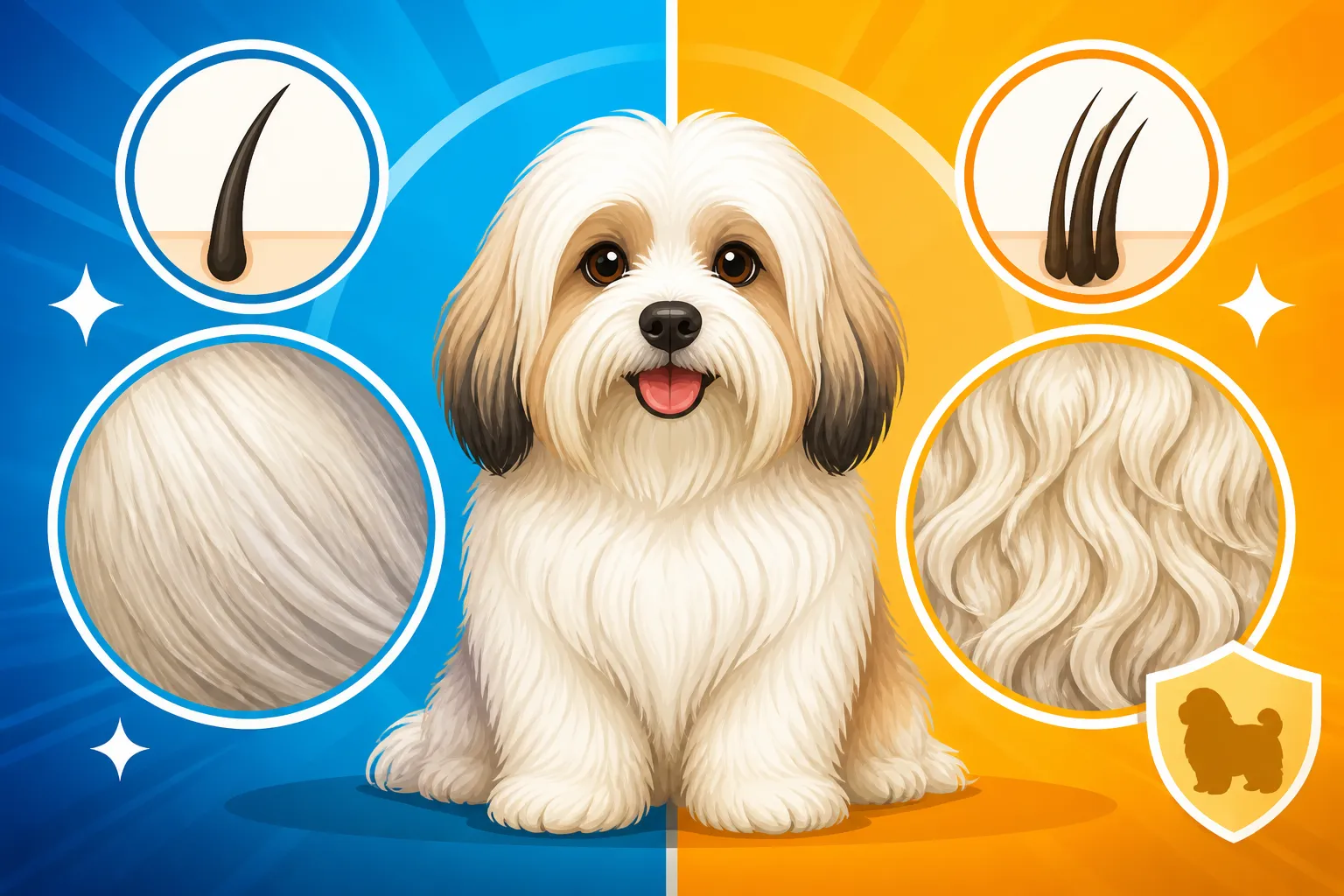
At its core, a dog's coat originates from hair follicles embedded in the skin. Each follicle is a tiny organ, producing a single strand of hair, or in many cases, a cluster of hairs. These hairs grow in cycles, which is why dogs shed. What differentiates a double coat from a single coat lies precisely in what these follicles produce. In a single-coated dog, each follicle typically produces one primary, coarser guard hair. Think of breeds like the Poodle or the Greyhound; their coats might be thick, but they lack the distinct fluffy underlayer.
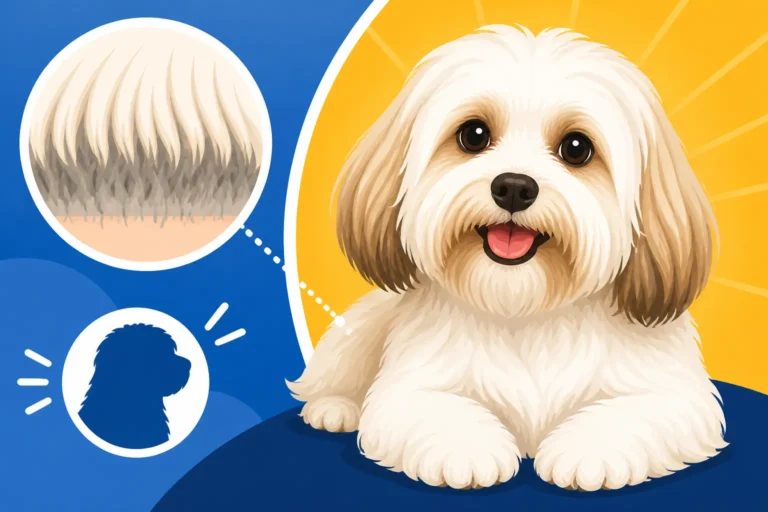
A double-coated dog, on the other hand, has follicles that produce two types of hair: a tougher, longer outer coat (known as guard hairs) and a soft, dense undercoat. The guard hairs are usually coarser and designed to repel water and dirt, protecting the dog's skin from the elements. The undercoat is much softer and woollier, acting as an insulating layer, keeping the dog warm in winter and surprisingly, cool in summer by trapping air. This dual-layer system is a natural marvel, providing robust protection that a single coat simply cannot offer.
The Purpose of Different Coat Types
The variation in coat types isn't just for aesthetics; it's a testament to centuries of selective breeding and natural adaptation to specific environments and roles. Single coats often belong to breeds developed in warmer climates or those bred for water work where a heavy undercoat would be a hindrance, or simply for companion roles where shedding might have been selectively reduced. These coats are generally easier to manage in terms of brushing, though they can still require regular care to prevent matting, especially if they are long or curly.
Double coats, conversely, are typically found in breeds originating from colder regions or those historically used for hunting, herding, or guarding in harsh conditions. The undercoat provides crucial thermal insulation, while the guard hairs shield against rain, snow, and thorny brush. For the Havanese, while their ancestry ties them to a warmer climate like Cuba, their coat maintains this double-layer structure. This structure, combined with its unique texture, is what gives the Havanese its distinct appearance and specific grooming requirements, allowing it to adapt to varying temperatures surprisingly well.
The Havanese Coat: A Double-Coated Marvel
Despite frequently being described as "hypoallergenic" or "low-shedding," which often leads people to assume a single coat, the Havanese actually boasts a luxurious double coat. This can be a source of confusion for new owners who might expect a coat akin to a Poodle or Maltese, neither of which has the same undercoat density. Understanding that your Havanese has a double coat is the first step toward appreciating its beauty and managing its care effectively. It's a key part of The Silky Double Coat a Havanese Grows to the Floor.
Identifying the Havanese Double Coat
The Havanese coat is characterized by its soft, silky texture, and while the undercoat isn't as dramatically dense as, say, a Siberian Husky's, it is undeniably present. If you part the hair on your Havanese, especially around the ears, flanks, or tail, you’ll typically notice two distinct layers. The longer, softer outer guard hairs will flow freely, while closer to the skin, you’ll find a finer, woollier layer – that's the undercoat. This undercoat is what contributes to the breed's volume and plush feel. Whether a Havanese Has an Undercoat is a fundamental question, and the answer is a resounding yes, although its density can vary slightly between individuals.
This unique combination allows the Havanese coat to be incredibly adaptable. It protects the skin from sun exposure in warmer weather and provides insulation when it's chilly. However, this double-layer system is also the reason why the Havanese coat is prone to matting if not regularly maintained. The fine undercoat can easily tangle with the longer guard hairs, forming knots that quickly become painful mats. It's a delicate balance of beauty and responsibility, requiring diligent attention to keep it looking its best.
The Myth of the "Hypoallergenic" Havanese
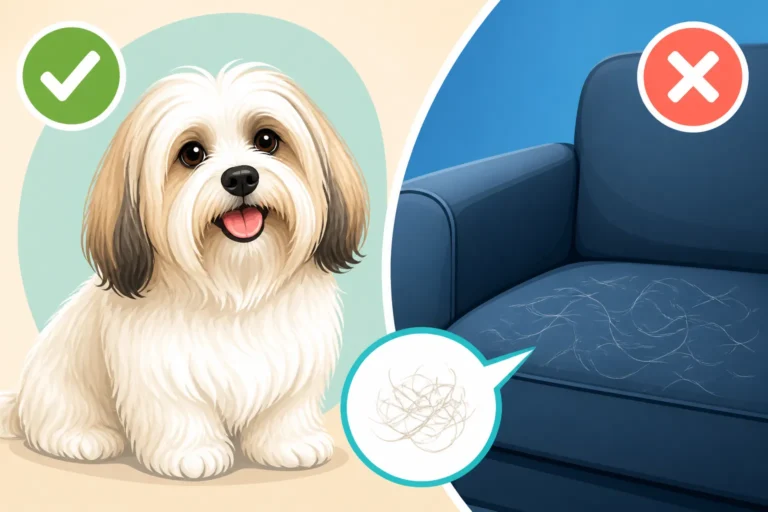
Let's address the elephant in the room: the "hypoallergenic" claim. No dog is truly 100% hypoallergenic. The term generally refers to breeds that produce less dander (tiny flakes of skin) and shed less hair into the environment, thus potentially causing fewer allergic reactions in sensitive individuals. The Havanese falls into this category precisely because it has a double coat that sheds differently than many other double-coated breeds. Rather than "blowing" its coat in seasonal clumps, the Havanese's shed hair tends to get caught within the surrounding coat.
This trapped hair, combined with less dander dispersal, is why many allergy sufferers find they can live comfortably with a Havanese. However, it's a double-edged sword: while less hair ends up on your furniture, the shed hair that remains tangled in the coat will quickly form mats if not brushed out regularly. This means that while a Havanese might be easier on your allergies, it certainly isn't easier on your grooming schedule! Whether a Havanese Sheds is a common query, and while they do, it's often not in the visible, tumbleweed-like fashion of other breeds. This characteristic is also why Whether a Havanese Suits an Allergy Household is often answered with a cautious "yes," as long as the owner commits to consistent grooming.
Grooming Challenges and Best Practices for a Double Coat
Managing a Havanese's double coat is perhaps the single most demanding aspect of owning this delightful breed. It's a full-time commitment, but one that yields immense satisfaction when you see your Havanese prancing around with a healthy, flowing coat. Neglecting this aspect can quickly lead to painful mats, skin issues, and costly trips to the professional groomer for a complete shave-down. Consistent routine is key.
Preventing Mats and Tangles in a Double Coat
The sheer volume and texture of the Havanese double coat make it a mat magnet. The soft undercoat intertwines with the guard hairs, creating a perfect storm for tangles, especially during the coat change phase as a puppy. The areas most prone to matting are behind the ears, in the armpits, under the harness, and where friction occurs, such as around the collar. These are the spots where Where a Havanese Mats First usually occurs. Daily brushing, ideally, is not just a recommendation but a necessity for a Havanese with a long coat.
When brushing, it's crucial to use a technique called "line brushing." This involves parting the coat in small sections and brushing from the skin out, layer by layer, rather than just skimming the top. This ensures you're getting down to the undercoat and removing all loose hair and incipient tangles. If you encounter a mat, never pull at it with a brush. Instead, gently work it out with your fingers, then use a wide-toothed comb or a mat splitter. A good quality detangling spray can also be a lifesaver in these situations. Remember, patience is your best friend when dealing with mats.
The Right Tools for the Havanese Double Coat
Having the correct grooming tools is non-negotiable for a Havanese owner. Trying to tackle that beautiful coat with the wrong equipment is like trying to paint a masterpiece with a toothbrush – frustrating and ineffective. The essentials include:
- Pin Brush: This is your primary tool for daily brushing. Look for one with smooth, rounded pins to avoid scratching the skin. It helps to separate the strands and gently work through the coat.
- Slicker Brush: Essential for removing tangles and dead undercoat, especially during the puppy coat change. Use it carefully, with light strokes, as the wire bristles can irritate the skin if used too aggressively.
- Metal Comb: A good quality, sturdy metal comb with both wide and narrow teeth is critical. It’s used to check for tangles after brushing and to work out stubborn mats.
- Dematter/Mat Splitter: For those inevitable mats that form despite your best efforts.
- Scissors with Blunt Tips: For carefully trimming hair around the eyes, paw pads, and sanitary areas.
- High-Velocity Dryer: While not strictly essential for every owner, a force dryer can dramatically cut drying time after a bath and help "blow out" loose undercoat, further preventing mats. You can find many of these tools easily on platforms like Chewy or Amazon, offering a wide range of options to suit your budget and preferences.
Understanding Which Brush Suits a Havanese is paramount to preventing damage and discomfort. Different brushes serve different purposes, and a combination is usually needed for comprehensive care.
| Tool Type | Primary Use | Havanese Coat Benefit | Caution |
|---|---|---|---|
| Pin Brush | Daily untangling, general coat maintenance | Gently separates guard hairs, prevents surface mats | Ensure rounded tips to avoid skin scratching |
| Slicker Brush | Removing loose undercoat, detangling denser areas | Effectively removes shed hair, prevents undercoat matting | Use lightly; wire bristles can cause brush burn if applied too much force |
| Metal Comb | Checking for mats, precise detangling | Confirms coat is tangle-free, works out small knots | Use slowly and carefully, especially in sensitive areas |
| Mat Splitter | Breaking up severe mats | Reduces size of large mats for easier removal | Only use as a last resort; can cut hair if not used properly |
| Grooming Spray | Detangling, conditioning, reducing static | Lubricates coat, makes brushing easier, adds shine | Choose products specifically for dogs, avoid human products |
Bathing and Drying a Double-Coated Havanese
Bathing a Havanese isn't just about getting them clean; it's an integral part of coat maintenance. Regular baths, typically every 2-4 weeks, help to loosen dead hair and dander. Always ensure you thoroughly brush out any mats before bathing, as water will tighten them, making them nearly impossible to remove without shaving. Use a good quality dog shampoo and conditioner, working it gently into the coat. Rinse thoroughly, as any residue can irritate the skin and lead to matting.
The drying process is just as important, if not more so, than the bath itself. A damp Havanese coat is a prime breeding ground for mats and skin issues. Drying a Havanese Properly involves towel-drying thoroughly, then using a low-heat blow dryer while continuously brushing the coat. This helps to straighten the hairs and prevent them from curling up and tangling as they dry. A high-velocity force dryer, as mentioned, can significantly speed up this process and also aids in blowing out loose undercoat, further reducing future matting. Never air-dry a Havanese, especially if they have a long coat; you're just inviting mats to form.
Factors Influencing Havanese Coat Texture and Appearance
While the Havanese standard describes a soft, silky double coat, there's actually a charming degree of variation within the breed. These differences are often due to genetics, but environmental factors and even age can play a role in how your Havanese's coat looks and feels. It’s part of their individual charm!
Genetic Influences on Coat Type and Texture
The Havanese coat is genetically predisposed to be a double coat, but the exact texture and density can vary. Some Havanese will have a super-silky, almost straight outer coat, while others might have a slightly wavier or curlier texture. This spectrum is perfectly normal for the breed and contributes to their unique appearance. Whether a Havanese Coat Is Wavy or Curly often depends on these inherited traits. A very soft, fine coat might be more prone to matting, while a slightly coarser, wavier coat might hold up a little better between brushings, or conversely, be more challenging to comb through if it's very dense.
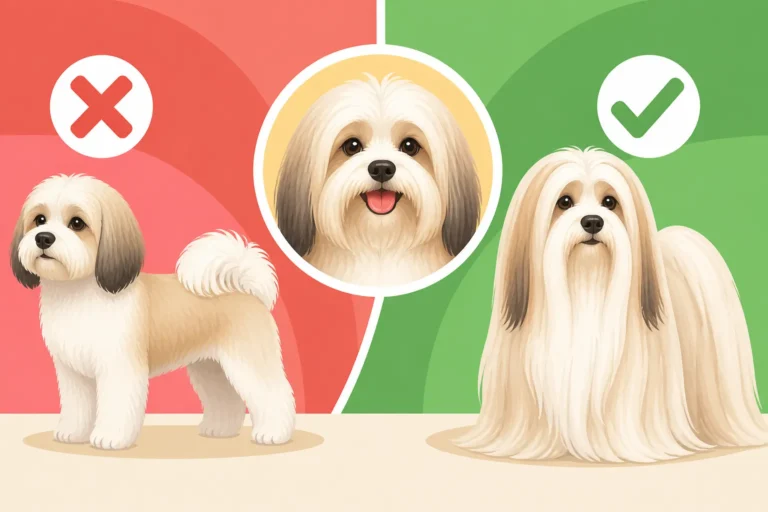
Breeders strive to produce dogs that adhere to the breed standard, which describes a soft, silky, double coat. However, genetic diversity means that even within the same litter, you might see slight variations in coat characteristics. These subtle differences are what make each Havanese an individual, and it’s important to appreciate your dog’s unique coat, even if it requires a little more or less specific care than another Havanese you know. What remains consistent is the presence of that crucial double layer.
How Age and Environment Affect the Havanese Coat
A Havanese puppy's coat is often much softer and thinner than an adult coat. Around 8-12 months of age, Havanese typically undergo a significant "coat change," where their adult double coat starts to fully develop and come in. This period is notorious for intense matting, as the softer puppy fur sheds out and mixes with the developing adult coat. This transition is why When a Havanese Puppy Coat Changes is a crucial time for diligent grooming, often requiring even more frequent brushing.
Beyond genetics and age, environmental factors can also influence the coat. Humidity, for example, can cause the coat to frizz or mat more easily. Diet plays a significant role in coat health; a high-quality diet rich in essential fatty acids will contribute to a shinier, healthier coat, while poor nutrition can lead to dullness and excessive shedding. Regular exposure to harsh weather conditions, or even frequent use of certain grooming products, can also affect the coat's condition. While Whether a Havanese Coat Grows Forever is mostly true (it's a continually growing coat), its quality and manageability can fluctuate based on these external factors.
Distinguishing a True Havanese Coat from "Incorrect" Types
While there's a natural range of textures within the Havanese breed, there are certain characteristics that define a healthy, typical Havanese double coat. Understanding these can help you appreciate your dog's unique features and also identify anything that might deviate from the norm, which could potentially point to underlying issues or mixed heritage.
What to Look For in a Healthy Havanese Coat
A healthy Havanese coat should feel soft and silky to the touch, not harsh or brittle. It should have a natural luster, indicating good health and proper nutrition. When parted, you should observe the two distinct layers: the longer, flowing outer coat and the softer, denser undercoat beneath. The coat should be free of mats, tangles, and excessive shedding, with hair that feels strong, not easily broken. Skin beneath the coat should be clear, healthy, and free of redness, flakes, or sores, which could indicate Skin Trouble Under a Havanese Coat.
The length of the coat will depend on whether you keep your Havanese in a long, flowing show coat or a practical shorter clip, which many pet owners prefer. Regardless of length, the quality and feel of the hair should remain consistent with the breed's characteristics. A Havanese with a well-maintained, healthy double coat is a joy to behold, reflecting the care and attention its owner provides. It's a hallmark of the breed's beauty and requires ongoing commitment to achieve and maintain.
When a Coat Might Seem Single-Coated
Occasionally, a Havanese might appear to have a coat that's more like a single coat. This can happen for a few reasons. Sometimes, a very fine or sparse undercoat might be present, making the double-layer less obvious. This can be due to genetic variation within the breed lines. In other cases, extensive trimming or shaving can temporarily alter the appearance and texture of the coat, making the undercoat less prominent as it grows back. Repeated close shaving can sometimes even damage the follicles, leading to a coarser or less dense regrowth over time.
It's also possible, though less common with reputable breeders, for a Havanese to have some mixed ancestry that introduces genes for a single coat. This would result in a coat that truly lacks an undercoat. If you suspect your Havanese has a coat that deviates significantly from the breed standard – for instance, if it feels coarse and wiry without any discernable under-layer, or if it sheds profusely in large clumps – it might be worth discussing with your breeder or veterinarian. While some variations are normal, extreme differences could indicate a genetic anomaly or a different lineage. Ultimately, a true Havanese coat, even with its subtle individual quirks, will always carry the signature of its unique double-layer structure.
Disclaimer
This article is for general informational purposes only and does not constitute professional advice. Laws, prices and regulations vary by location and change over time. Consult a qualified professional for guidance on your specific situation.