Whether an Old Havanese Feels the Cold More
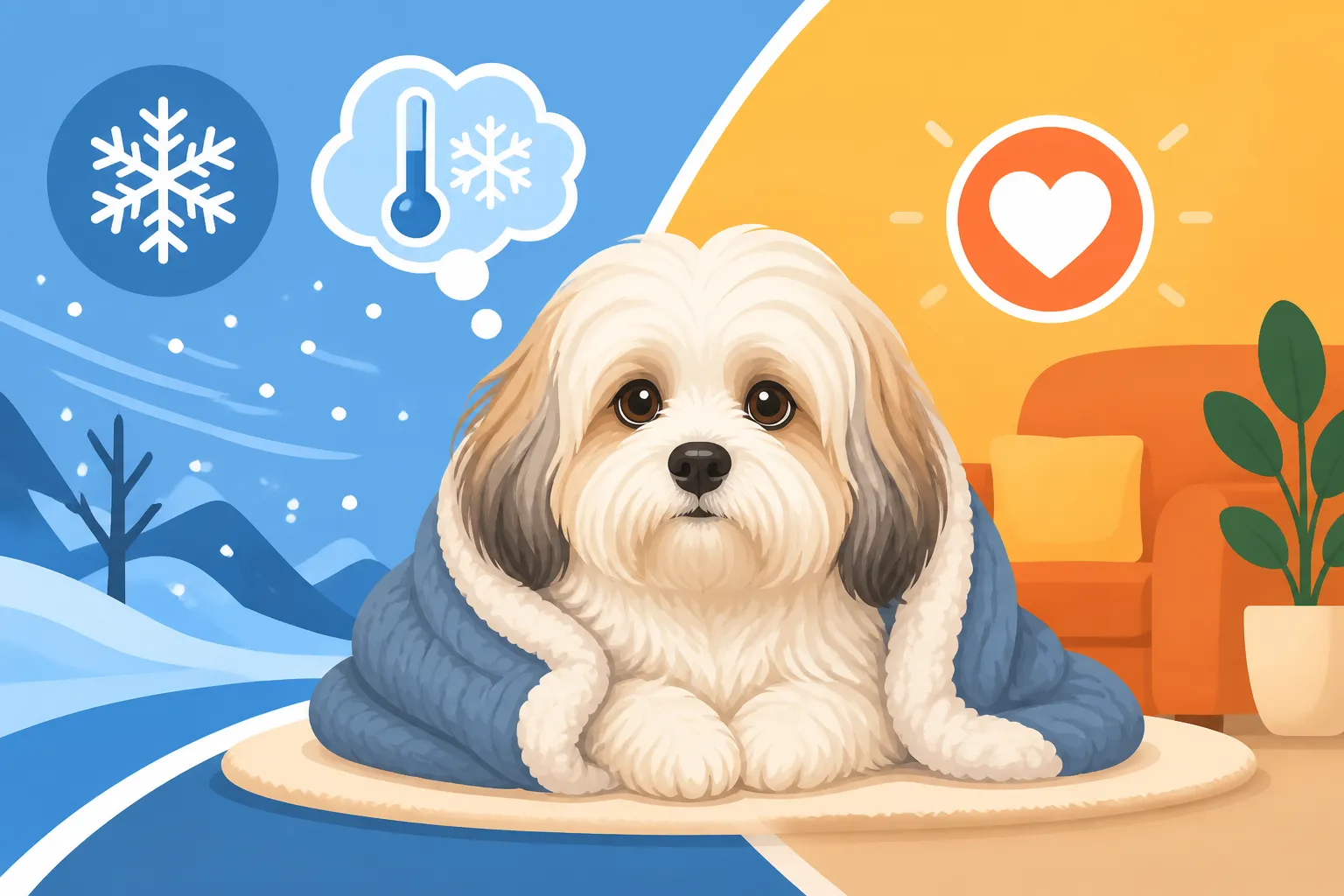
It's a question many of us Havanese parents ponder as our beloved companions enter their golden years: "Does my old Havanese really feel the cold more, or am I just being an overly cautious pet parent?" The truth is, that little shivering bundle snuggled deep under the blankets isn't just seeking extra cuddles; older Havanese genuinely do tend to feel the cold more intensely than their younger, more robust counterparts. This comprehensive guide will explore the physiological reasons behind this sensitivity and offer practical, empathetic advice to keep your senior Havanese warm and comfortable.
The Biological Reality of Aging in Havanese
As our Havanese transition from spry youngsters to dignified seniors, their bodies undergo a host of changes that make them more vulnerable to chilly temperatures. It's not just "getting old"; there are concrete physiological shifts that impact their ability to regulate their internal temperature.
Declining Metabolism and Fat Reserves
One of the most significant factors is a slowing metabolism. Think about it: when you're young, your body is a furnace, burning calories and generating heat with remarkable efficiency. As we age, our internal furnace often dampens down a bit, and the same goes for our Havanese. A slower metabolism means less internal heat production.
Compounding this is the natural loss of muscle mass and, often, a decrease in subcutaneous fat. While we certainly don't want an overweight Havanese, that healthy layer of fat under their skin acts as a natural insulator. As they age, many Havanese naturally lose some of this cushioning, making them less equipped to trap body heat. This is especially true for those Havanese who maintain a lean physique. They just don't have the same natural buffer against the cold. It's a bit like wearing a thinner coat – fine for a brisk walk, but not for a long stay out in truly cold weather. Understanding The Age a Havanese Counts as Senior can help you anticipate these changes.
Circulation Challenges in Senior Dogs
Another vital aspect of temperature regulation is efficient blood circulation. Blood carries warmth throughout the body, delivering it to extremities like paws and ears. In older Havanese, peripheral circulation can become less efficient. This means that their smaller blood vessels, particularly those farthest from the heart, might not be as effective at circulating warm blood, leading to cold paws, ears, and nose.
This reduced circulation can also exacerbate other age-related issues. For instance, cold can make joint pain much worse. If your senior Havanese has Arthritis in a Havanese at Twelve, a drop in temperature can mean more stiffness and discomfort. The cold can literally make their joints ache more profoundly, leading to reluctance to move or a noticeable increase in limping after a period of rest. It's a vicious cycle where discomfort discourages movement, and lack of movement makes them colder and stiffer.
Impact of Underlying Health Conditions
Aging often brings with it a higher risk of various health conditions, many of which can directly or indirectly affect a Havanese's ability to stay warm. For example, an older Havanese might develop The Heart Murmur an Older Havanese Develops. If their heart isn't pumping as efficiently, their body's overall circulation will be compromised, making it harder to maintain core body temperature. They might feel perpetually chilly, even indoors.
Similarly, endocrine issues like hypothyroidism, where the thyroid gland doesn't produce enough hormones, can significantly impact metabolism and lead to increased cold sensitivity. You might notice other signs, but a Havanese that seems constantly cold could be exhibiting one of the early Signs a Havanese's Thyroid Has Failed. Kidney disease can also affect a dog's ability to regulate temperature, as can certain medications prescribed for chronic conditions. It's always a good idea to discuss any new or worsening cold intolerance with your veterinarian, especially if it seems out of character for your Havanese. These underlying health concerns are a major reason why Caring for a Havanese Past Twelve requires extra vigilance.
Recognizing the Signs an Old Havanese Is Cold
Our Havanese are masters of communication, even without words. Learning to read their cues is essential, especially as they age and become more vulnerable. Catching the signs of being cold early can prevent discomfort and potential health issues.
Behavioral Cues
The most obvious sign is often shivering. Just like us, a Havanese will shiver involuntarily to generate heat when they're cold. But it's not always so dramatic. You might notice a subtle hunching of their back, drawing their limbs in close to their body, or tucking their tail tightly. They're trying to make themselves as small as possible to conserve heat.
Seeking warmth is another clear indicator. They might try to burrow under blankets more than usual, demand extra lap time, or find the sunniest spot in the house and refuse to move. You might find them curled up in a tight ball, nose tucked under their tail, even when the house feels perfectly comfortable to you. This instinctual curling helps them reduce their exposed surface area, minimizing heat loss. If your Havanese suddenly starts pushing their way deeper into the sofa cushions or insistent on being under your duvet every night, they might be telling you they're feeling a chill.
Physical Manifestations
Beyond behavior, there are physical signs to watch for. Gently touch their ears, nose, or paws. If they feel noticeably cold to the touch, especially compared to their core body temperature, your Havanese is likely feeling chilly. Remember, their bodies prioritize warming vital organs, so extremities are often the first to cool down.
You might also observe stiffness in their movement, particularly after they've been lying down. While some stiffness is common with age, if it's more pronounced on colder days or after being outside, it's likely linked to the cold aggravating their joints. They might be reluctant to go outside for potty breaks, or once out, they might rush their business and try to get back inside much faster than usual. This reluctance can also be a sign of discomfort, not just stubbornness. If they're usually eager for a walk but now hesitate at the door when it's brisk out, listen to their subtle cues.
Changes in Appetite or Thirst
It might seem counterintuitive, but changes in eating or drinking habits can also signal cold stress. A very cold dog might actually burn more calories shivering, leading to an increased appetite as their body tries to fuel internal heat production. On the flip side, some dogs might become lethargic and lose interest in food and water if they're too cold and uncomfortable.
A dog that is too cold might also show a decreased desire to drink, particularly if the water itself is cold. Dehydration can worsen their overall health and make them more susceptible to cold. It’s a delicate balance, and paying attention to these shifts can give you insight into your Havanese's comfort levels. If you're managing How Much Food a Havanese Eats Monthly, any sudden shifts in consumption, up or down, warrants a closer look.
Practical Ways to Keep Your Senior Havanese Warm
Knowing that your old Havanese feels the cold more is one thing; doing something about it is another! Fortunately, there are many practical steps you can take to ensure their comfort, whether they're inside or out.
The Importance of Appropriate Winter Wear
This isn't just about fashion; for an older Havanese, a good sweater or coat can be a lifeline in cold weather. Their beautiful long coats, while insulating, aren't always enough once their internal thermostat starts to falter. When choosing winter wear, look for materials that offer genuine warmth, like fleece or wool blends. Ensure the fit is snug enough to trap body heat but not restrictive, especially around their joints or chest. A well-fitting coat should cover their back from neck to tail and ideally provide some coverage for their belly.
Booties are also something to consider, particularly if you live in an area with snow, ice, or road salt. Cold paws can be incredibly uncomfortable, and salt can irritate and burn their delicate pads. Booties offer protection from both the elements and harsh chemicals. They might take some getting used to, but the benefit to their comfort can be immense. For more guidance on this, you might find Whether a Havanese Needs a Coat in Winter helpful.
Adjusting Outdoor Routines
The days of long, rambling winter hikes might need to be adjusted for a senior Havanese. Instead of one long outing, consider several shorter, more frequent walks during the warmest parts of the day. This allows them to do their business and get some fresh air without prolonged exposure to the cold. Pay close attention to the weather forecast and avoid taking them out during blustery winds, freezing rain, or heavy snow.
When you do go out, remember to protect their paws. Besides booties, you can use paw balms before and after walks to create a protective barrier against cold and irritants. After returning inside, always wipe down their paws, legs, and belly to remove any snow, ice, or salt. This not only keeps them cleaner but also prevents them from ingesting harmful substances when they inevitably lick themselves clean. If your Havanese is particularly sensitive to wet paws, you might notice they're hesitant to even go out in light rain, so understanding Whether a Havanese Will Walk in Rain is key to their comfort.
Nutritional Support for Warmth and Health
While diet alone won't keep your Havanese toasty warm, proper nutrition is fundamental to their overall health and ability to withstand cold. Ensuring they receive adequate calories is crucial, as their body needs fuel to generate heat. Some senior dogs, due to a slowing metabolism or decreased activity, might require slightly fewer calories, but others, especially if they are underweight or shivering a lot, might need a bit more.
High-quality protein is vital for maintaining muscle mass, which contributes to warmth and mobility. Essential fatty acids, like Omega-3s, support skin and coat health, helping their natural insulation perform its best. There are many excellent senior-specific dog foods on the market formulated to meet the changing needs of older dogs, often with joint support supplements included. Brands like Chewy offer a wide array of options, making it easy to find a formula tailored to your Havanese's specific needs. Some owners even opt for fresh food delivery services like Ollie, which can offer highly palatable, nutrient-dense meals that might appeal more to a finicky older eater. Always consult your vet about any significant dietary changes, especially as your Havanese ages, to ensure it's appropriate for their individual health status.
Creating a Cozy Environment for Your Aging Havanese
Bringing the warmth inside is just as important as protecting them outdoors. Thoughtful adjustments to your home environment can make a world of difference in your senior Havanese's daily comfort.
Strategic Bedding and Sleeping Areas
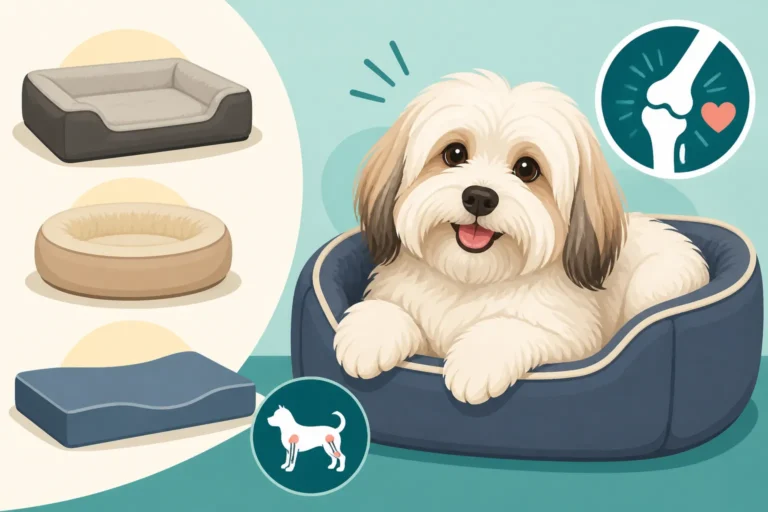
Your Havanese's bed is no longer just a place to rest; it's a sanctuary from the cold. Invest in high-quality, orthopedic beds that provide excellent insulation from cold floors and support for their aging joints. Elevated beds can also be beneficial, as they lift your Havanese off chilly tiles or hardwood. Heated beds or mats can be a game-changer, providing gentle, consistent warmth that can soothe arthritic joints and promote deep, comfortable sleep. You can find many options on sites like Amazon. Just ensure they are specifically designed for pets and have safety features to prevent overheating.
Placement is key. Ensure their primary sleeping spots are away from drafty windows, doors, or high-traffic areas where cold air might constantly flow. A quiet, warm corner of a main living area or bedroom is often ideal. Layering blankets, even an old fleece throw, can give them extra burrowing opportunities, which Havanese often adore, and allow them to customize their warmth level. Beds That Suit an Arthritic Havanese is a great resource if you're looking for specific recommendations.
Managing Indoor Temperature and Drafts
While we might be comfortable with a slightly cooler house, remember that your senior Havanese has a different internal thermostat. Aim for a consistent, comfortable indoor temperature that isn't too chilly. You don't need to turn your home into a sauna, but avoiding drastic temperature drops, especially overnight, can prevent discomfort.
Pay attention to drafts. Even in a well-insulated home, cold air can seep in under doors or through gaps in window frames. Use draft stoppers for exterior doors and consider heavy curtains for windows in colder months. If your Havanese loves to nap near a window, ensure it's not letting in a constant cold breeze. A small space heater in their favorite room, always used safely and supervised, can provide a warm spot, but ensure it's not directly blasting heat at them and there's no risk of tipping or burns.
Grooming Considerations for an Older Havanese
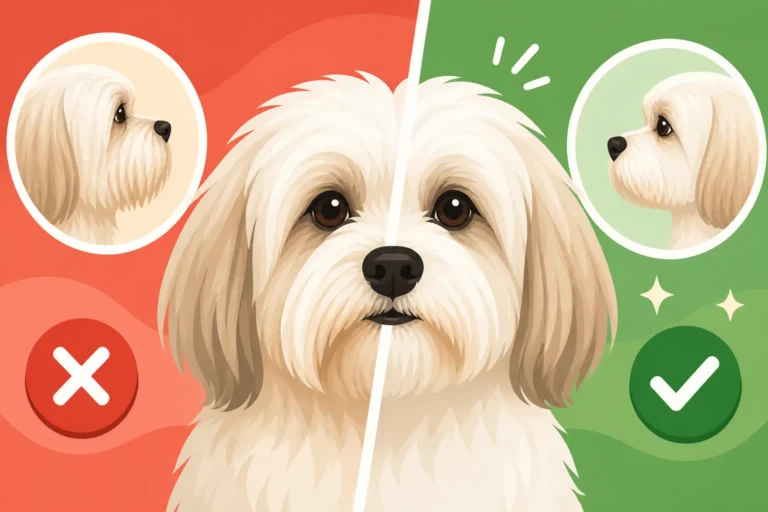
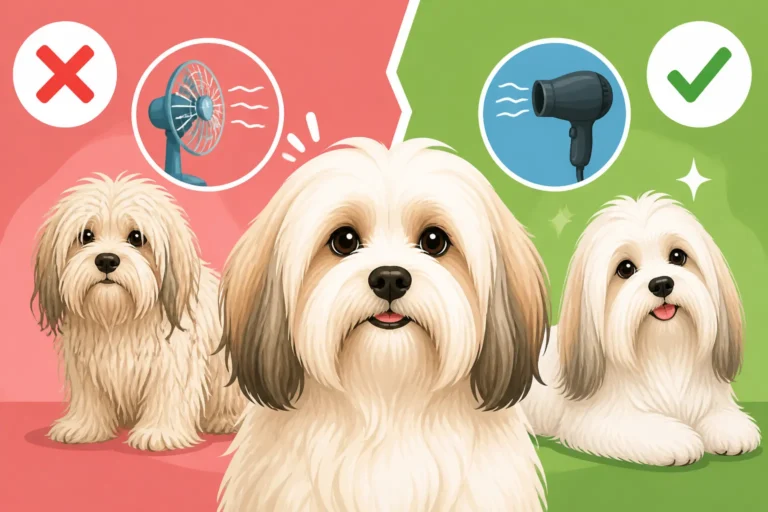
While a long, flowing Havanese coat can be beautiful, managing it on an older dog can be challenging. A matted coat loses its insulating properties, trapping cold air against the skin and making it harder for them to regulate their temperature. Plus, grooming an older dog who might have joint pain or less patience can be difficult.
Consider opting for a shorter, more manageable "puppy cut" style, especially in winter. This doesn't mean shaving them bald, which can actually make them colder and vulnerable to sunburn (even indoors near a window). Instead, a moderate trim keeps their coat clean, free of mats, and easier to dry thoroughly after a bath or a damp walk. A shorter coat is also easier to maintain if they're struggling with mobility, making Grooming an Old Havanese That Cannot Stand Long a less stressful experience. Discuss with your groomer what length would be most comfortable and practical for your senior Havanese. Remember, Whether an Old Havanese Should Be Kept Clipped is a discussion to have with your vet and groomer to find the best balance between warmth, hygiene, and comfort.
Keeping our Havanese comfortable as they age is one of the greatest gifts we can give them. By understanding why they feel the cold more and taking these practical steps, you can help ensure your beloved companion enjoys their golden years in warmth and contentment, right to The Fourteen to Sixteen Years a Havanese Lives.
Disclaimer
This article is for general informational purposes only and does not constitute professional advice. Laws, prices and regulations vary by location and change over time. Consult a qualified professional for guidance on your specific situation.