Whether a Havanese Needs Its Glands Emptied
It’s a topic that makes many Havanese owners squirm, and rightly so, because when your sweet little companion starts dragging their bottom across your clean carpet, or a truly unpleasant odor suddenly fills the room, you know something is up with their anal glands. This guide is here to shed light on this common, yet often misunderstood, canine issue, helping you understand what anal glands are, why they sometimes cause problems for our Havanese, and when it’s truly necessary to intervene.
Understanding Havanese Anal Glands: The Basics You Need to Know
Let's face it, anal glands are not exactly a dinner table conversation, but for us Havanese parents, understanding them is crucial for our pups' comfort and health. These tiny scent factories play a role in canine communication and healthy digestion, and when they don't work as they should, it can be a real headache – and a pain in the rear – for our furry friends.
What Are Anal Glands and What Do They Do?
Think of anal glands as two small scent sacs, about the size of a pea or a small grape, located internally on either side of your Havanese’s anus, at roughly the "4 o'clock" and "8 o'clock" positions. Each sac has a small duct that opens into the rectum. These glands produce a potent, oily, fishy-smelling liquid that is unique to each dog, much like a human fingerprint. This scent is a dog's personal calling card, used for marking territory and communicating with other canines. When your Havanese greets another dog, that sniff-fest often focuses on the rear end for a reason – they're exchanging biological business cards via these very glands.
This fluid is typically expressed naturally when your Havanese passes a firm stool. The pressure of the feces against the glands as it exits helps to squeeze out the liquid, keeping the ducts clear and preventing buildup. It’s a beautifully designed system for an important social function in the canine world. Without healthy gland function, your Havanese misses out on a key communication channel, and more importantly, can experience significant discomfort.
The Natural Process: How Glands Should Empty on Their Own
Ideally, your Havanese's anal glands should empty themselves every time they have a bowel movement. A healthy, well-formed stool provides just the right amount of pressure on the glands as it passes, ensuring the fluid is expressed regularly and gently. This is why diet and consistent stool quality are so important; soft stools, or diarrhea, often don't provide enough pressure to do the job effectively.
When the glands empty naturally, you typically won't even notice it. There’s no foul odor, no scooting, and no discomfort for your pup. The fluid is usually expelled along with the feces, leaving no trace behind. This seamless process is the goal for every Havanese, and when it's disrupted, that's when we start seeing the tell-tale signs of trouble. It's a fine balance, and anything from a change in diet to a bout of upset tummy can throw this natural mechanism out of whack, requiring us vigilant owners to step in and assess the situation.
Signs Your Havanese Might Have Anal Gland Issues
As a Havanese parent, you become incredibly attuned to your dog’s behaviors and subtle cues. When it comes to anal gland problems, your Havanese will almost certainly try to tell you something is wrong, even if you don't immediately recognize the source of their distress. Catching these signs early is key to preventing more serious complications like infection or abscesses, which are far more painful and require more intensive veterinary care.
The Dreaded "Scooting" and Other Behavioral Cues
The most classic, and often most alarming, sign of anal gland discomfort is "scooting." This is when your Havanese drags their rear end across the floor, carpet, or even the grass, trying to relieve the pressure and itchiness. It can look quite comical, but for your dog, it's a desperate attempt to scratch an itch they can't reach. Don't dismiss it as just a quirky habit; it's a clear signal that something is amiss.
Beyond scooting, you might also notice your Havanese doing a lot of excessive licking or chewing around their hindquarters, particularly under their tail. They might seem restless, struggling to settle down, or constantly shifting their weight when sitting. Some dogs become unusually agitated or even snap if you try to touch their hind end. These behavioral changes are often the first, most obvious indicators that your little Havanese is uncomfortable and needs your attention. Itchy skin can sometimes be related, but scooting is almost always a tell-tale sign of gland trouble.
Physical Clues: Swelling, Odor, and Licking
While behavioral cues are often the first thing we notice, there are also physical signs that your Havanese might be struggling with their anal glands. An unpleasant, strong, fishy odor emanating from your dog’s rear end, especially when they move or sit, is a huge red flag. This smell is typically much stronger than what you'd expect from normal doggy odors, and it often indicates that some gland fluid has leaked or the glands are overly full.
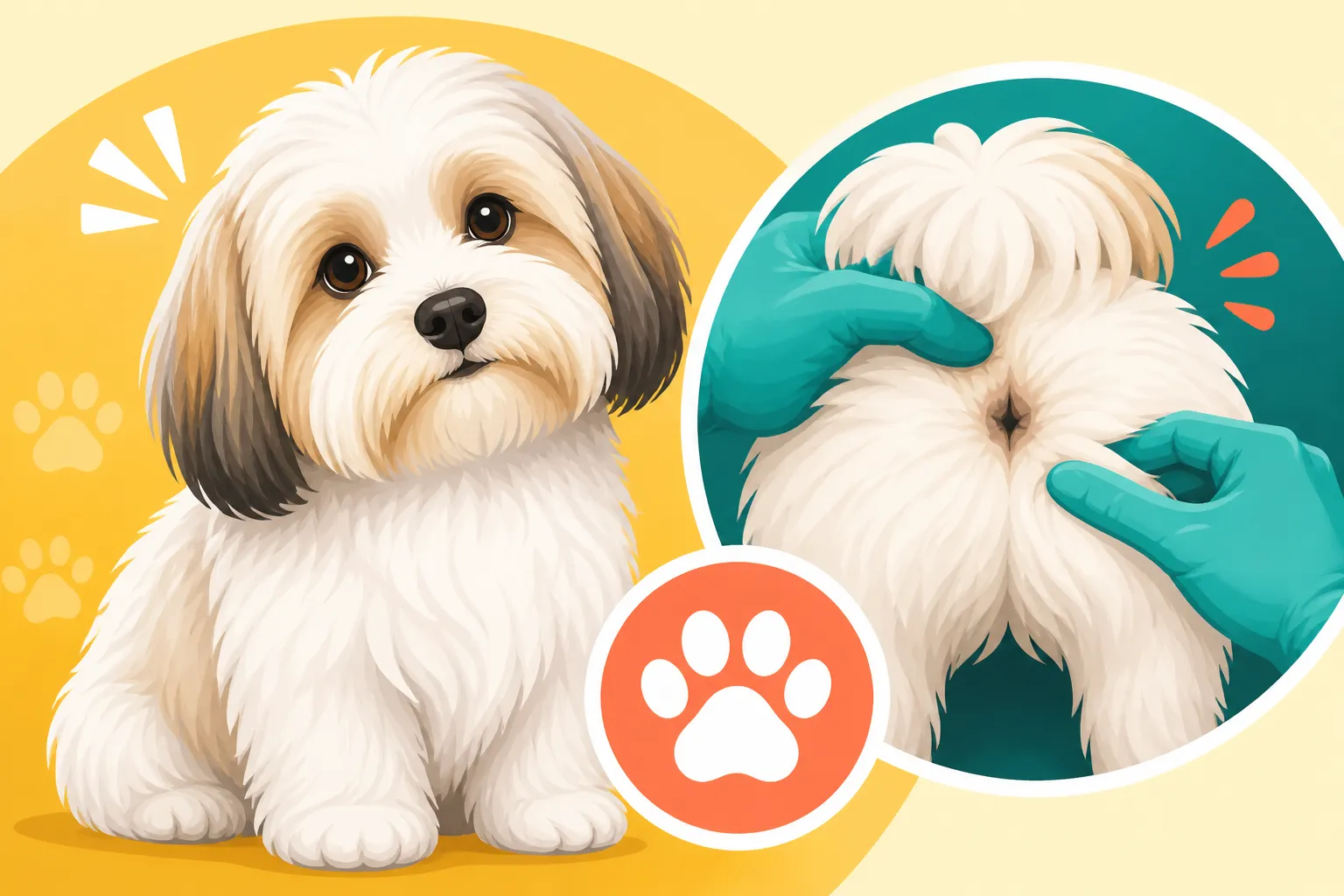
In some cases, you might even be able to spot slight swelling on one or both sides of the anus. This swelling can indicate impacted glands, where the ducts are blocked and the fluid is building up. If you gently part the fur around your Havanese's rear, you might see redness or irritation. Increased licking or chewing of the area can lead to moist, matted fur, or even small sores if the irritation continues unchecked. The Silky Double Coat a Havanese Grows to the Floor can make these physical signs harder to spot, so regular grooming and checking are vital.
When it Becomes an Emergency: Infection and Abscesses
If anal gland issues are ignored, they can quickly escalate from uncomfortable to a painful emergency. When the glands remain impacted and can’t express properly, the fluid inside becomes thick, pasty, and an ideal breeding ground for bacteria. This can lead to infection, where the area becomes hot, extremely painful, and noticeably swollen. Your Havanese might run a fever, become lethargic, or refuse to sit down normally.
The worst-case scenario is an abscess. This occurs when an infected anal gland ruptures, creating an open, oozing wound near the anus. This is incredibly painful for your dog and requires immediate veterinary attention. You might see blood, pus, or a dark, foul-smelling discharge. If you ever see any of these signs – extreme swelling, pus, or a ruptured area – do not delay. Get your Havanese to an emergency vet right away. These infections can spread and cause serious systemic illness if not treated promptly with antibiotics and, often, drainage or surgical intervention.
Factors That Can Contribute to Havanese Anal Gland Problems
It's natural to wonder why some Havanese seem to breeze through life with perfectly healthy anal glands, while others struggle repeatedly. While sometimes it feels like a mystery, there are several common factors that can predispose a Havanese to these uncomfortable issues. Understanding these can help you take proactive steps to minimize the chances of your beloved pup facing recurrent problems.
Diet, Stool Consistency, and Digestive Health
One of the biggest culprits behind anal gland problems is poor stool consistency. As we discussed, firm, well-formed stools are essential for the natural expression of the glands. If your Havanese frequently experiences soft stools, diarrhea, or even chronic constipation, the glands may not get the necessary pressure to empty. This can lead to impaction, where the fluid thickens and the ducts become blocked.
The root of inconsistent stool often lies in diet. A diet lacking in sufficient fiber, or one that causes digestive upset, can be a major factor. Some Havanese do really well on a high-quality kibble that's specifically formulated for small breeds, like many options available from Chewy, which can help provide balanced nutrition. Others thrive on fresh food diets, like those offered by Ollie, which can often lead to more consistent, healthy stool. It’s worth experimenting under veterinary guidance to find what works best for your individual dog’s digestive system. Feeding a Havanese That Weighs Twelve Pounds and Whether a Havanese Needs Small Breed Food both delve into the importance of diet for your Havanese's overall health, which directly impacts stool quality.
Breed Predisposition: Is Your Havanese More Susceptible?
While any dog breed can experience anal gland issues, some breeds, particularly smaller ones, seem to be more prone to them. Havanese, with their compact size and sometimes delicate digestive systems, can fall into this category. It's not a guarantee that your Havanese will have problems, but their smaller stature can sometimes mean smaller, more easily blocked ducts.
It's also thought that some individual dogs may simply have glands that are located or shaped in a way that makes natural expression more difficult. This isn't something you can change, but knowing your Havanese might be genetically predisposed can help you be more vigilant. If your Havanese has chronic issues despite a good diet and healthy lifestyle, it might simply be one of those things you need to manage with regular vet or groomer assistance. Understanding these predispositions allows you to be a more informed and proactive owner, ready to address issues before they become severe.
Weight, Exercise, and Overall Lifestyle
Beyond diet and genetics, a Havanese’s overall lifestyle can also influence anal gland health. Obesity, for instance, can be a significant contributing factor. Excess fat around the anal area can reduce the pressure applied to the glands during defecation, making natural expression less likely. Keeping your Havanese at a healthy weight is crucial for many aspects of their health, including joint health and reducing the risk of conditions like The Heart Murmur an Older Havanese Develops. Keeping a Havanese From Getting Heavy provides excellent guidance on managing your Havanese's weight.
Similarly, a lack of adequate exercise can impact digestive regularity and muscle tone, which can indirectly affect anal gland function. While Havanese are not extreme athletes, they do need regular, moderate exercise to stay healthy and maintain good bowel movements. What a Havanese Needs Beyond a Walk and How Far a Havanese Should Walk Daily offer great insights into appropriate exercise levels for this charming breed. A sedentary lifestyle coupled with an unhealthy diet can create a perfect storm for anal gland impaction, so ensuring a balanced routine is a key part of preventative care.
When Professional Intervention is Necessary (and Who Should Do It)
The big question for many Havanese owners is, "Do I need to get their glands emptied?" The answer is often nuanced. Ideally, they shouldn't need manual expression if everything is working correctly. However, when problems arise, knowing when and how to seek help is critical. This isn't a DIY job for the faint of heart, or for the untrained, as improper technique can cause more harm than good.
The Role of Your Veterinarian
If your Havanese is showing significant signs of discomfort, has a history of anal gland issues, or if you suspect an infection or abscess, your veterinarian is absolutely the first and best point of contact. Vets are trained to properly examine the glands, assess their fullness, consistency, and look for signs of inflammation or infection. They can express the glands safely and effectively, and if there's an infection, they can prescribe antibiotics or other treatments.
Your vet can also help you explore underlying causes, such as diet, allergies, or other digestive issues. They might recommend a course of special food, supplements, or further diagnostic tests to get to the bottom of recurrent problems. Never hesitate to consult your vet if you're unsure or if your Havanese is in pain. Trying to express a severely impacted or infected gland yourself can be incredibly painful for your dog and potentially make the situation worse, leading to rupture or further infection.
Finding a Qualified Groomer for Routine Expressing
For Havanese who have chronic issues but aren't currently infected or in severe pain, some owners opt for routine expression by a professional groomer. Many experienced groomers are skilled in external anal gland expression, which involves gently applying pressure around the glands to encourage them to empty. This is generally less invasive than internal expression, which is typically reserved for veterinarians.
When choosing a groomer for this service, make sure they are experienced with small breeds like Havanese and that they understand the difference between routine maintenance and a medical issue. A good groomer will also be able to tell you if they feel the glands are too firm, swollen, or appear painful, and will advise you to see a vet instead. Look for groomers who prioritize your dog's comfort and don't force the issue if your Havanese is resistant or in pain. Routine expression, if needed, can become part of your Havanese's regular grooming schedule, alongside their What a Full Havanese Groom Costs appointments.
The Risks of Expressing Anal Glands at Home
I know the temptation is strong. You see your Havanese scooting, you Google "how to express anal glands," and suddenly you're considering a DIY approach. Please, for your Havanese's sake and your own peace of mind, reconsider. Expressing anal glands improperly at home carries significant risks.
Firstly, if you use too much force or the wrong technique, you can bruise or damage the delicate tissue around the glands, leading to inflammation, pain, or even infection. Secondly, if the glands are already impacted or infected, you could cause them to rupture, which is a medical emergency. Thirdly, the smell is truly awful, and if you haven't done it before, you might find yourself regretting the decision. It's really one of those jobs best left to professionals who understand the anatomy and can do it safely and effectively. Save your bond with your Havanese for cuddles and playtime, not this messy and potentially harmful procedure.
Preventative Measures to Support Healthy Anal Glands
While some Havanese may be genetically predisposed to anal gland issues, there's a lot you can do as a responsible owner to minimize the chances of problems and support overall anal gland health. Prevention is always better than cure, especially when it comes to something as uncomfortable as impacted or infected glands. A holistic approach focusing on diet, exercise, and attentive observation can make a world of difference.
The Power of a High-Fiber Diet
As we’ve discussed, consistent, firm stools are paramount for natural anal gland expression. One of the most effective ways to achieve this is through a diet rich in fiber. Fiber adds bulk to your Havanese’s stool, making it easier for the glands to empty naturally as the feces pass. Many commercial dog foods, especially those formulated for digestive health or senior dogs, contain higher fiber levels. When looking for food options, whether it's from Chewy, Ollie, or your local pet store, check the ingredient list for sources of fiber like pumpkin, sweet potato, beet pulp, or psyllium husk.
If your Havanese is prone to issues, you might consider adding a fiber supplement or natural sources of fiber to their regular diet after consulting with your vet. A spoonful of canned pumpkin (plain, not pie filling) can work wonders for some dogs. You can easily find high-quality fiber supplements for dogs on platforms like Amazon. Consistent, healthy bowel movements are truly the first line of defense against anal gland problems, making dietary management a critical component of your Havanese's care.
Regular Exercise and Weight Management
Beyond diet, your Havanese’s overall physical activity and weight play a significant role. Regular exercise helps maintain good muscle tone throughout the body, including the abdominal and pelvic muscles that assist with healthy bowel movements. A well-exercised Havanese is also less likely to be overweight, and maintaining an ideal body condition is another key preventative measure.
Excess weight can lead to fat deposits around the anal area, which can hinder the natural compression of the glands during defecation. It's a double whammy: less muscle tone and more fat can both contribute to impaction. Ensure your Havanese gets their daily walks and playtime. What a Havanese Needs Every Day includes insights into their daily exercise requirements. Keeping them active and at a healthy weight not only supports anal gland health but also contributes to their overall well-being and extends their potential The Fourteen to Sixteen Years a Havanese Lives lifespan.
Monitoring and Early Detection
The final, and perhaps most important, preventative measure is vigilant monitoring. As a Havanese owner, you're the first and best defense against many health issues. Pay attention to your dog’s bathroom habits. Are their stools consistently firm? Are they straining? Does anything seem off? Observe their behavior; if you see even subtle signs of scooting, excessive licking, or an unusual odor, it's time to investigate further.
Regular grooming sessions provide an excellent opportunity to visually inspect your Havanese's rear end. Gently part the fur and look for any redness, swelling, or discharge around the anus. If you notice any changes, address them promptly. Early detection of anal gland issues can prevent them from escalating into painful infections or abscesses, saving your Havanese discomfort and you costly emergency vet bills. Proactive care and attention to these small details are the hallmarks of a truly dedicated Havanese parent.
| Symptom | Potential Cause | Recommended Action |
|---|---|---|
| Scooting | Full/Impacted glands, irritation, allergies | Check for odor/swelling. If mild, monitor stool. If severe, vet visit. |
| Excessive Licking | Full/Impacted glands, infection, irritation | Inspect the area. If swollen/red, contact vet. |
| Fishy Odor | Leaking gland fluid, impaction | Review diet, monitor stool consistency. Consider vet/groomer check. |
| Swelling/Redness | Impaction, infection | Immediate vet visit. This indicates potential infection or abscess. |
| Straining to Defecate | Constipation, painful glands | Consult vet to rule out medical issues and adjust diet. |
| Pus/Blood/Rupture | Abscess, severe infection | Emergency vet visit. This is a critical situation. |
Disclaimer
This article is for general informational purposes only and does not constitute professional advice. Laws, prices and regulations vary by location and change over time. Consult a qualified professional for guidance on your specific situation.