Whether a Havanese Has an Undercoat
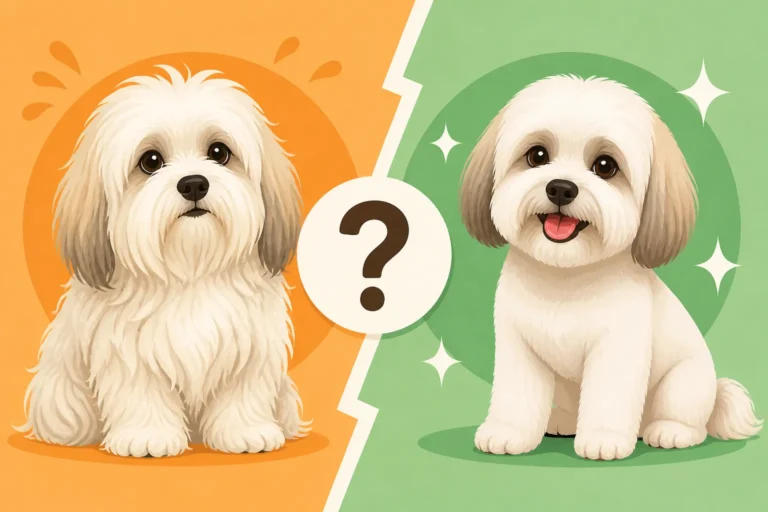
One of the most common questions new Havanese parents ask, and a source of considerable confusion, is whether their adorable, fluffy companion actually has an undercoat. Many folks are drawn to the Havanese because they're often described as hypoallergenic and non-shedding, which immediately conjures images of a single-layered coat. However, when you run your fingers through their incredibly dense, soft fur, it can feel so substantial that it's easy to wonder if there's a hidden layer underneath. This guide will clarify the unique structure of the Havanese coat, explain why the "undercoat" question causes so much head-scratching, and help you understand what this means for their grooming and care.
Understanding the Double Coat vs. Single Coat Distinction
Before we dive into the specifics of our beloved Havanese, it's really helpful to grasp what "undercoat" actually means in the canine world. When breeders and groomers talk about double-coated dogs, they're referring to breeds that have two distinct layers of fur, each serving a specific purpose. This isn't just a trivial detail; it profoundly impacts a dog's health, comfort, and the amount of grooming they need.
What Defines a Double-Coated Breed?
A true double coat consists of two very different types of hair. You have the outer coat, often called guard hairs, which are typically longer, coarser, and designed to repel water, dirt, and protect the dog's skin from the elements. Think of it as their weatherproof outer shell. Beneath this protective layer lies the undercoat, which is usually much softer, denser, and shorter. This fluffy, insulating layer is absolutely vital for regulating body temperature, keeping the dog warm in winter and helping to keep them cool in summer by providing a barrier against heat. Breeds like German Shepherds, Huskies, Golden Retrievers, and Collies are classic examples of double-coated dogs. Their undercoat sheds heavily, especially seasonally, in what's often referred to as "blowing coat." This is why you'll see large tufts of fur coming off these dogs during certain times of the year.
The Characteristics of a Single-Coated Breed
In contrast, single-coated breeds only possess one layer of hair, which is equivalent to the outer guard hairs of a double-coated dog, but often much softer and finer. These coats don't have that dense, insulating underlayer. Because they lack this distinct undercoat, these breeds typically shed much less, or the shedding hair falls out more gradually rather than in large seasonal "blows." This is a big part of why many single-coated breeds are considered more suitable for people with allergies. Think of Poodles, Yorkshire Terriers, or indeed, our Havanese. While they still shed some hair (all dogs do!), it's generally far less noticeable and often gets caught in their longer coat rather than floating freely around your home.
The Havanese Coat: A Single-Layered Wonder (Despite the Feel!)
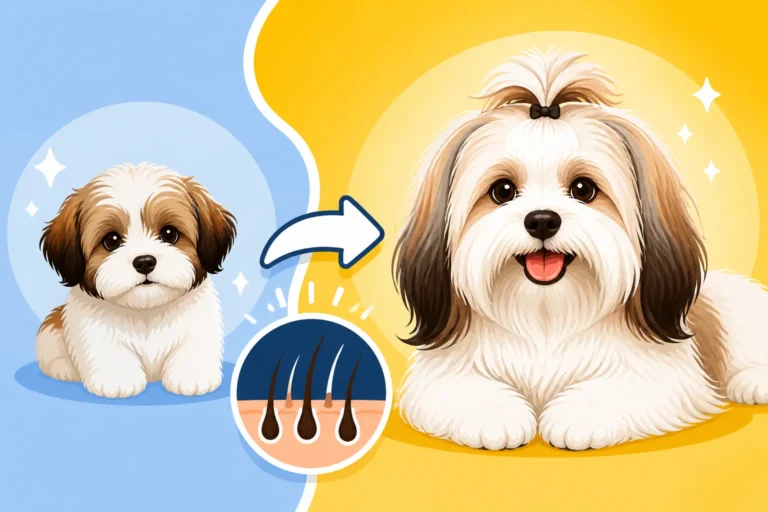
This is where the confusion often comes in. When you look at a Havanese, especially one with a full, flowing coat, it certainly looks dense enough to have an undercoat. Their fur is incredibly soft, profuse, and can reach impressive lengths. But despite its volume, the Havanese is officially considered a single-coated breed.
Why the Havanese is Classified as Single-Coated
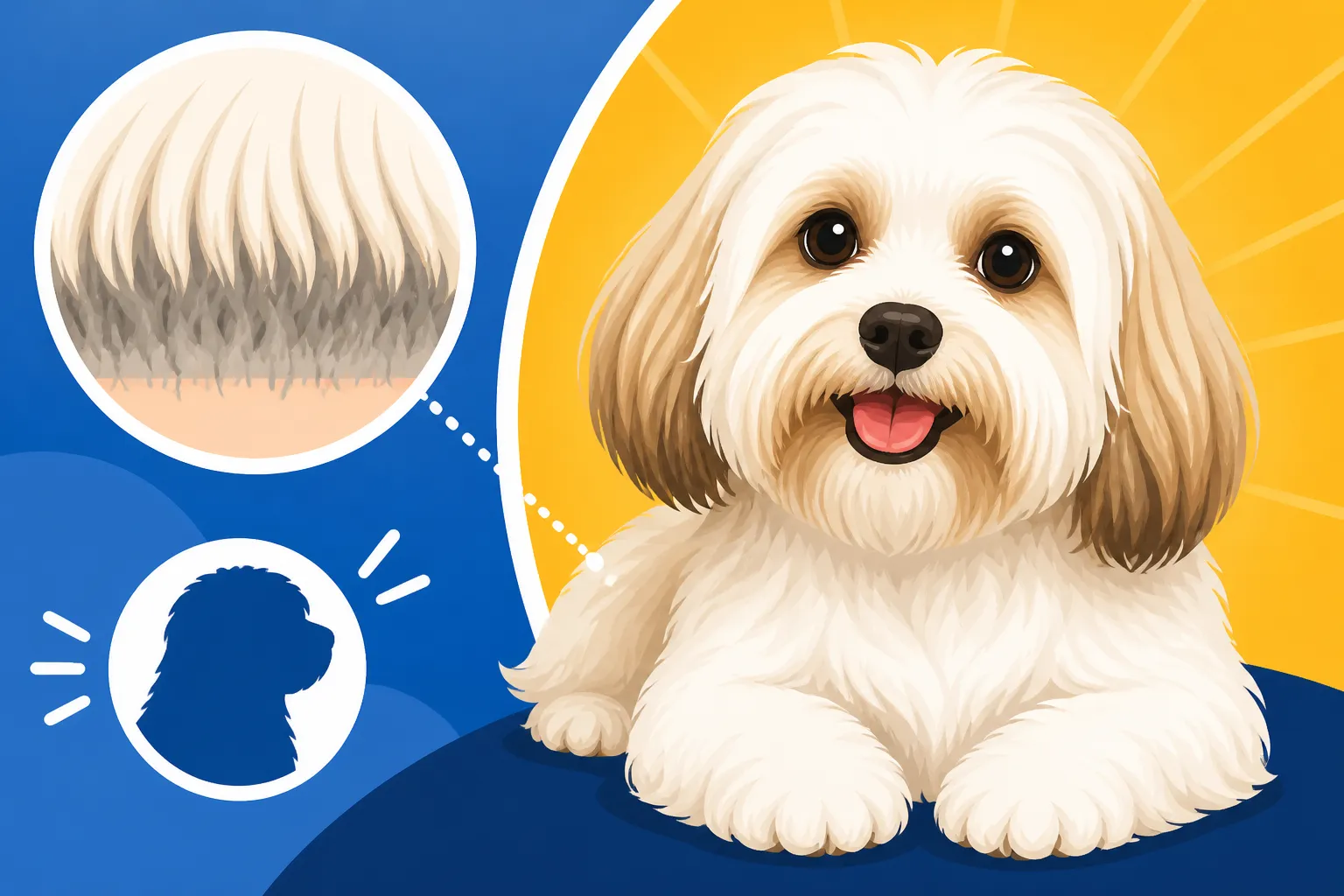
Genetically and structurally, the Havanese coat does not possess the distinct underlayer of soft, fluffy hair that characterizes double-coated breeds. What they do have is a very dense, silky outer coat. This single layer is remarkably soft and can vary in texture from straight to wavy, but it lacks the coarse guard hairs and distinct woolly undercoat found in, say, a Shetland Sheepdog. The perceived "thickness" or "profuseness" often leads owners to believe there must be an undercoat, but it's simply a very abundant growth of their single, silky hair type.
This characteristic is a primary reason why Havanese are often recommended for allergy sufferers. Without that dense, rapidly shedding undercoat, they release fewer dander-laden hairs into the environment. While no dog is truly 100% hypoallergenic, the Havanese comes pretty close for many people. If you're looking for more information on this, you might find our article Whether a Havanese Suits an Allergy Household particularly insightful.
Addressing the "Silky Double Coat" Misconception
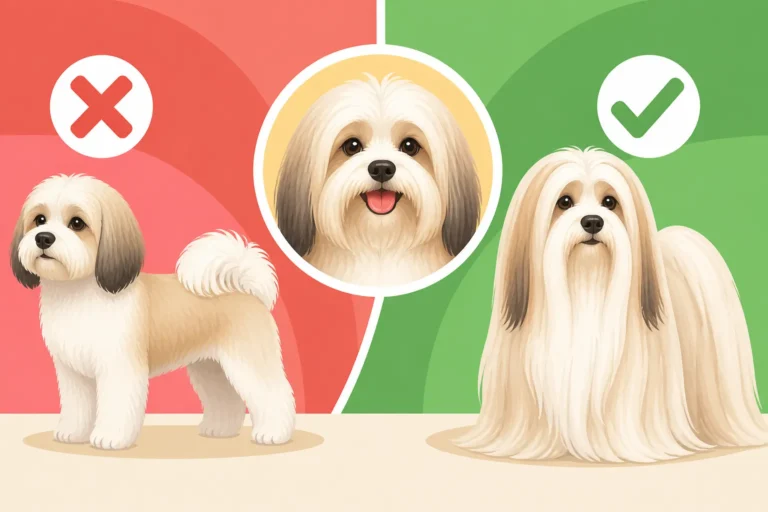
You might occasionally hear someone refer to a "silky double coat" in relation to a Havanese, perhaps even encountering the phrase The Silky Double Coat a Havanese Grows to the Floor in discussions about their grooming needs. This can be incredibly misleading! While the Havanese does grow a beautiful, silky coat that can indeed reach the floor if left untrimmed, the term "double coat" in this context is often a misnomer. It's more about the coat's density and luxurious texture rather than the presence of two distinct layers.
What people might perceive as a "double coat" is actually the incredible volume and softness of their single coat, which can be so dense that it offers some of the protective qualities of a true double coat without the accompanying heavy shedding. It's an important distinction because treating a Havanese coat like a double coat (for example, attempting to "strip" an undercoat that isn't there) could damage their unique hair structure.
What a Single Coat Means for Havanese Shedding
One of the biggest benefits of having a single-coated Havanese, and a major selling point for many families, is their minimal shedding. This isn't to say they don't shed at all – every living creature with hair sheds – but it's a completely different experience compared to breeds with a true undercoat.
The Myth of the Non-Shedding Dog
Let's be realistic: no dog is truly 100% non-shedding. Just like humans lose hair daily, dogs constantly replace old hairs with new ones. However, the type of shedding a Havanese does is what sets them apart. Because their coat is a single layer and continues to grow (much like human hair), the individual hairs tend to fall out much less frequently and are often caught within the surrounding longer fur. This is a far cry from the fluffy tumbleweeds you'd find from a Golden Retriever or the seasonal "coat blow" of a Husky.
For those interested in the details of their shedding habits, we have an entire article dedicated to Whether a Havanese Sheds that delves into this further. This characteristic greatly contributes to their reputation as a good choice for people with mild pet allergies, as less hair being shed means less dander dispersed into the environment.
Managing the Minimal Shedding
Even though a Havanese doesn't "blow coat," their long, dense hair still needs regular attention to prevent matting and ensure any loose hairs are removed. These loose hairs, if left in the coat, are the primary culprits behind tangles and mats. This is why daily brushing is not just a suggestion, but a necessity for a Havanese, especially if you keep their coat long.
Regular grooming helps to:
- Remove dead hair: Even single-coated dogs shed hair; brushing captures it before it becomes embedded or falls out around your home.
- Prevent mats and tangles: The Havanese coat is notorious for matting, particularly when the puppy coat transitions to the adult coat around eight months. Our article Why a Havanese Mats at Eight Months and Not Before explains this transition in detail.
- Distribute natural oils: Brushing helps spread the natural oils from the skin throughout the coat, keeping it healthy and shiny.
- Promote skin health: Regular grooming allows you to check for skin irritations, lumps, or parasites that might otherwise go unnoticed.
While the shedding is minimal, the grooming commitment is not. Think of it less as shedding management and more as coat maintenance to keep their beautiful fur healthy and tangle-free.
Grooming Implications for the Havanese Coat
Understanding that your Havanese has a single, dense coat rather than a double coat is crucial for proper grooming. It dictates the tools you use, the techniques you employ, and the frequency of your grooming routine.
Essential Grooming Tools and Techniques
Since there's no undercoat to "rake out," your grooming focus should be on line brushing and de-matting. You'll want a good quality pin brush, a metal comb with both wide and fine teeth, and a slicker brush for gently working through any tangles.
Here’s a quick overview of essential tools:
| Tool Type | Primary Use | Why It's Essential for Havanese Coat |
|---|---|---|
| Pin Brush | Daily brushing, general detangling, stimulating skin | Gentle on the Havanese's delicate single coat, good for overall brushing. |
| Slicker Brush | Mat removal (gentle), fluffing, getting to the root of the hair | Effective for working out smaller tangles close to the skin, but use with care. |
| Metal Comb | Checking for mats, parting hair, line brushing | Indispensable for finding hidden tangles and ensuring thoroughness. |
| Grooming Spray | Loosening mats, adding moisture, reducing static | Helps protect the coat during brushing and makes detangling easier. |
| Blunt-nosed Scissors | Safely cutting out stubborn mats (as a last resort) | For those mats you just can't brush out; never pull on the hair. |
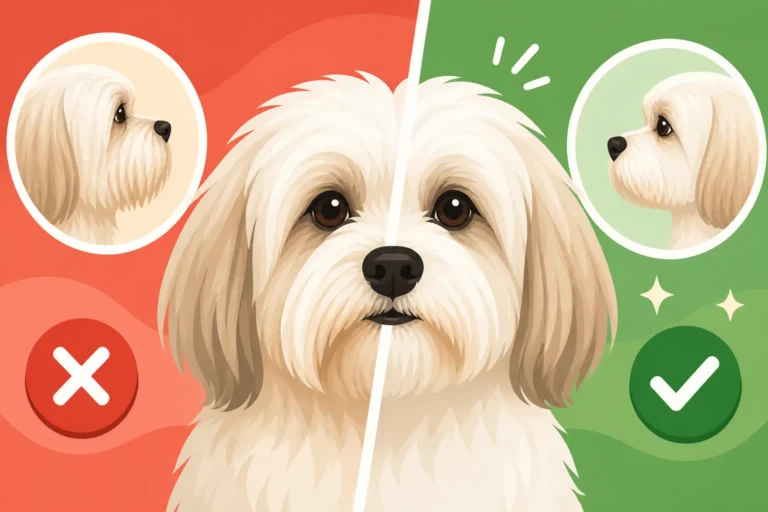
When brushing, especially if your Havanese has a longer coat, you should use a technique called "line brushing." This involves parting the hair in small sections and brushing from the skin out, ensuring you get all the way down to the roots. Many owners, especially those new to the breed, often brush only the top layer, leaving mats to form unnoticed closer to the skin. This can lead to painful "pelts" that require professional shaving. Learning How Long Brushing a Havanese Takes Daily will give you a realistic idea of the time commitment.
You can find excellent grooming tools and products from reputable retailers like Chewy or Amazon. It's always worth investing in quality tools to make the grooming experience more pleasant for both you and your Havanese.
Bathing and Drying Best Practices
Bathing a Havanese requires careful attention to avoid tangles and ensure thorough drying. Unlike double-coated breeds where you might focus on drying the undercoat first, with a Havanese, you're aiming to dry the single, dense layer completely to prevent matting.
- Shampoo and Conditioner: Use a gentle, moisturizing dog shampoo, followed by a good conditioner. The conditioner helps to keep the coat silky and reduces tangles. You can explore a variety of options on Chewy. For tips on specific products, check out Which Shampoo Suits a Havanese.
- Rinsing: Rinse thoroughly! Any shampoo residue left in the coat can irritate the skin and make the hair feel sticky, leading to more mats.
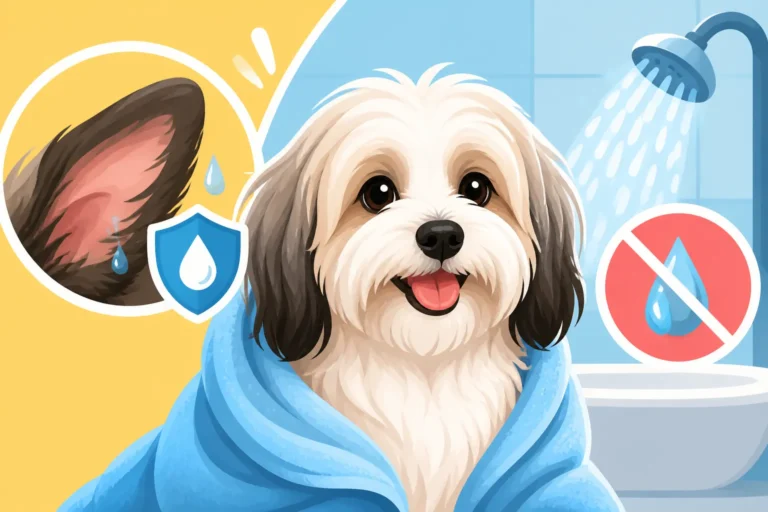
- Squeeze, Don't Rub: After bathing, gently squeeze excess water from the coat. Avoid rubbing vigorously with a towel, as this will create a tangled mess that is incredibly difficult to brush out.
- Force Dryer or Hair Dryer: The best way to dry a Havanese is with a good quality pet dryer or a human hairdryer set on a cool or low heat setting. While drying, use your pin brush or slicker brush to constantly brush the coat smooth, parting it in sections to ensure the skin is dry. Air drying a Havanese is a recipe for severe matting, as their dense coat traps moisture.
Clipping and Coat Length Options
Many Havanese owners opt for a shorter clip, often called a "puppy cut" or "teddy bear cut," precisely because it makes daily grooming more manageable. This doesn't mean you're removing an undercoat; you're simply trimming their single coat to a more practical length. The Puppy Cut Most Havanese Owners End Up Choosing is a popular option that reduces the frequency of intense brushing, but still requires regular combing to stay tangle-free.
Whether you choose to keep their coat long and flowing or opt for a shorter, low-maintenance cut, remember that the Havanese coat, being a single layer, is vulnerable to matting if not properly cared for. The aim is to prevent mats, not to remove an undercoat that isn't there. If you’re considering a fresh food diet, brands like Ollie often emphasize coat health, which can support the overall quality and manageability of your Havanese’s fur.
Why This Matters: Health and Comfort of Your Havanese
Knowing the true nature of your Havanese's coat isn't just about trivia; it has real implications for their health, comfort, and how you approach their overall care. Incorrect grooming based on a misunderstanding of their coat type can lead to painful skin issues, discomfort, and even behavioral problems.
Protecting Their Skin
Since Havanese lack a protective undercoat, their skin is more directly exposed to the elements and potential irritants if their topcoat isn't healthy. This means:
- Sun Protection: While a long, healthy coat offers some sun protection, a closely shaved Havanese can be prone to sunburn, especially if they are outside for extended periods.
- Environmental Irritants: Dirt, debris, and allergens can more easily reach the skin if the coat isn't kept clean and well-brushed. Regular bathing with appropriate products helps prevent skin issues.
- Temperature Regulation: Though they don't have an undercoat for insulation, their dense single coat does provide some protection against both heat and cold. However, in extreme temperatures, a Havanese is more sensitive than a double-coated breed. They can overheat quickly in hot weather and feel the cold more intensely in winter, often needing a sweater or coat. We have an article that goes into more detail on Whether a Havanese Copes With Heat or Cold.
Preventing Painful Matting
The biggest concern for a Havanese owner, regardless of coat length, is matting. Because their single coat is dense and silky, it's prone to tangling and knotting if not brushed regularly. These mats can pull on the skin, causing pain, irritation, and even skin infections if moisture gets trapped underneath. A neglected, matted coat is not only unsightly but also incredibly uncomfortable for your dog. It can restrict their movement and make everyday activities painful.
Regular brushing, professional grooming appointments, and using detangling sprays (which you can often find on Amazon) are your best defense against matting. Imagine having tangled hair that pulls every time you move – that's what a Havanese with mats experiences. It's truly a frustration for many Havanese owners to keep up with the coat, but it's vital for their well-being.
Conclusion: Embracing the Unique Havanese Coat
So, to definitively answer the question: no, a Havanese does not have an undercoat in the traditional sense of a double-coated breed. They possess a single, incredibly dense, soft, and flowing coat that continues to grow, much like human hair. This unique characteristic is why they shed minimally and are often considered a good option for people with allergies.
Understanding this distinction is key to providing your Havanese with the best possible care. It informs your choice of grooming tools, the frequency of brushing, and even how you manage their comfort in different weather conditions. While their coat is beautiful, it demands consistent attention. Embracing the unique nature of their single coat and committing to a diligent grooming routine will ensure your Havanese remains happy, healthy, and tangle-free, living up to their reputation as a charming and beloved companion.
Disclaimer
This article is for general informational purposes only and does not constitute professional advice. Laws, prices and regulations vary by location and change over time. Consult a qualified professional for guidance on your specific situation.