Whether an Old Havanese Should Be Kept Clipped
As our beloved Havanese companions age, their needs evolve in ways we might not always anticipate, and one common area of concern for many owners is their gorgeous, flowing coat. You might find yourself wondering if the grooming routine that worked for years is still the best approach when your once-vibrant pup starts showing signs of slowing down or experiencing discomfort. This guide will help you navigate the important decision of whether a shorter, clipped coat is the right choice for your senior Havanese, considering their comfort, health, and changing lifestyle.
The Evolving Coat of a Senior Havanese
It's a common misconception that a Havanese's coat remains the same beautiful, flowing silk throughout their entire life. Just like us, our dogs experience physical changes with age, and their coat is often one of the first places these shifts become apparent. Understanding these changes is crucial to making informed grooming decisions that prioritize your senior companion's well-being.
How a Havanese Coat Changes with Age
The hallmark of our Havanese friends is their exquisite The Silky Double Coat a Havanese Grows to the Floor. But as they transition into their golden years, typically around the age of eight or ten, you might notice a subtle yet significant transformation in that luxurious fur. Many senior Havanese experience a thinning of their coat, particularly around their hindquarters or belly. This isn't always a cause for alarm, but it can make their skin more delicate and susceptible to irritation. Alongside thinning, the texture itself can change. Some owners report that their Havanese's once-silky strands become coarser, perhaps a bit wiry or even cotton-like, which can make matting a much more pervasive and frustrating issue.
Moreover, the density of their undercoat might decrease. While Havanese are known for having minimal shedding due to their hair-like coat, a thinner coat can still tangle more easily, especially if your senior dog is less active or spends more time lying down. Mats, which could be a nuisance in their younger years, can become a source of genuine pain and skin problems in older dogs. What was once a manageable brushing session can turn into a struggle against painful tangles, making both you and your dog dread grooming time. This shift in coat texture and the increased propensity for matting is a primary reason why many consider a shorter clip.
The Impact of Health Issues on Coat Condition
Beyond natural aging, various health conditions common in older Havanese can directly impact their coat quality and their ability to tolerate grooming. For instance, an underactive thyroid, a condition known as Whether a Havanese Gets Hypothyroidism, can lead to a dull, dry, and thinning coat, often accompanied by skin issues. If your Havanese is experiencing this, their skin might be more sensitive, making brushing or dematting particularly uncomfortable.
Arthritis, especially Arthritis in a Havanese at Twelve or other joint pain, can significantly hinder your Havanese's ability to stand still or position themselves comfortably for grooming. Imagine trying to brush out tangles on a dog whose hips or back ache with every movement. A longer coat, which requires more frequent and thorough brushing, can become a source of prolonged discomfort. Even simple acts like lying on one side for too long can create pressure points that lead to matting, which then needs to be addressed. Furthermore, certain medications an older Havanese might be taking could also affect their skin and coat health, making them more prone to dryness or irritation. When your dog is already managing chronic pain or other health challenges, their grooming routine should be a source of relief, not additional stress.
Benefits and Drawbacks of a Shorter Clip for Older Havanese
The decision to clip a senior Havanese is often a balance between maintaining their iconic look and ensuring their utmost comfort and health in their twilight years. There are compelling reasons for choosing a shorter style, but it's also important to be aware of any potential downsides.
Enhanced Comfort and Hygiene
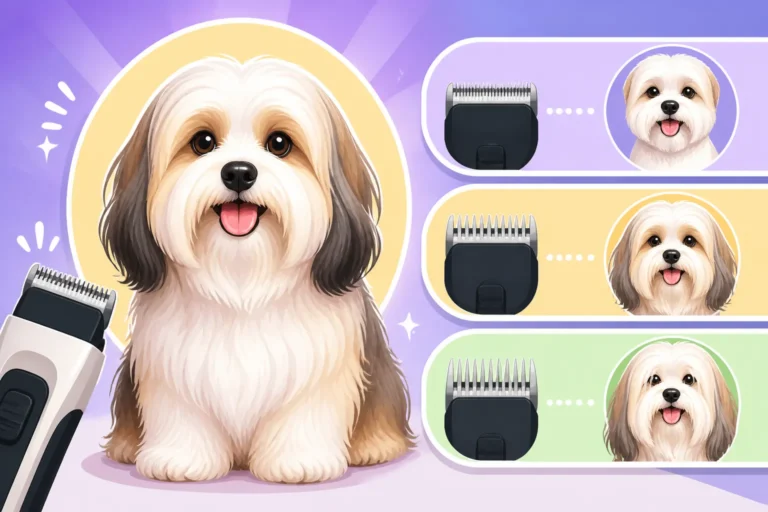
For many aging Havanese, a shorter clip, often akin to The Puppy Cut Most Havanese Owners End Up Choosing, can be a game-changer for their overall comfort. The most immediate benefit is a drastic reduction in matting. As mentioned, senior coats can be more prone to tangles, and if your Havanese isn't as agile as they once were, or if you're finding it harder to keep up with daily brushing, a short coat prevents those painful knots from forming. Imagine the relief of not having skin tugged by matted fur!
A shorter coat also significantly improves hygiene, particularly around the sanitary areas. Older dogs might experience occasional accidents or have difficulty cleaning themselves thoroughly after toileting. With a long coat, urine and feces can easily get trapped in the fur, leading to skin irritation, infections, and unpleasant odors. A neatly trimmed sanitary area keeps them cleaner and reduces the risk of skin issues. This can be especially important if your Havanese is Feeding an Old Havanese That Has Slowed and might be a bit less fastidious with self-grooming.
Furthermore, some older Havanese, especially those with thicker residual coats, can become overheated more easily, particularly in warmer climates or during periods of activity. A shorter coat allows for better air circulation against the skin, helping them regulate their body temperature more effectively. This can make walks more enjoyable and reduce the risk of heat stress. Ultimately, a clean, comfortable, and mat-free coat contributes greatly to a senior Havanese's quality of life, allowing them to move more freely and rest more peacefully.
Potential Downsides to Clipping
While a shorter clip offers many advantages, it's also important to consider the potential drawbacks, as the Havanese coat, even in its senior form, serves a purpose. One of the primary concerns is the loss of natural insulation. The long, double coat of a Havanese, while requiring diligent care, acts as a protective barrier against both heat and cold. If you live in a colder climate, a very short clip might mean your senior Havanese feels the chill more keenly. You might find yourself needing to invest in sweaters or coats to keep them warm, especially if you've noticed Whether an Old Havanese Feels the Cold More.
Another consideration is skin exposure. A very short clip can expose the skin directly to the sun, increasing the risk of sunburn, particularly if your Havanese has lighter pigmentation or spends time outdoors. While a Havanese's coat isn't typically shaved down to the skin, a close clip means less protection. Additionally, older skin can be more fragile and prone to dryness or irritation. Without the full protection of their coat, they might be more susceptible to environmental irritants or minor abrasions. It's crucial to ensure that any clipping doesn't leave the skin vulnerable, and to regularly check for any signs of irritation or discomfort after grooming.
Practicalities of Grooming a Senior Havanese
Grooming a senior Havanese isn't just about the length of their coat; it's about adapting the entire process to accommodate their aging bodies and potential discomfort. What worked for a spry young adult might be utterly miserable for a dog experiencing joint pain or diminished sight.
Adapting Grooming for Mobility and Pain
This is perhaps the most critical aspect of grooming an older Havanese. Many senior dogs develop Arthritis in a Havanese at Twelve or other musculoskeletal issues that make standing for extended periods or being manipulated uncomfortable. Long grooming sessions on a hard table can exacerbate pain. Therefore, adaptations are essential. Consider breaking grooming sessions into much shorter, more frequent bursts. Instead of one long brush-out, aim for a few five-minute sessions throughout the day, focusing on one area at a time.
For dogs struggling to stand, a grooming table with a ramp can allow them to walk up rather than being lifted, reducing strain on your back and theirs. Ensure the table surface is non-slip, perhaps with a soft, thick mat, to provide better footing and cushioning for their joints. If your Havanese can't stand at all, try grooming them while they're lying comfortably on a soft bed or even on your lap, if that's where they feel most secure. The goal is to minimize stress and pain. Always be gentle, speaking in soothing tones, and watching for any signs of discomfort like flinching, panting, or trying to move away. Patience is paramount when Grooming an Old Havanese That Cannot Stand Long.
Choosing the Right Grooming Approach
When it comes to the actual grooming, you have a few options, each with its own benefits for a senior Havanese.
- Professional Groomer: Many professional groomers are incredibly skilled with senior dogs. Look for one who explicitly states experience with geriatrics and is known for their gentle, patient approach. They often have specialized equipment, like hydraulic tables that lower to the ground, and techniques for minimizing stress. A good groomer will also be able to recommend specific clip lengths that are both practical for your dog's lifestyle and considerate of their coat and skin health. They can expertly handle areas prone to matting like behind the ears, in the armpits, and on the belly, which can be tricky to manage at home on a sensitive dog.
- Home Grooming: If your Havanese tolerates it and you feel confident, home grooming can be a wonderful bonding experience. It allows you to control the environment, ensure frequent short sessions, and tailor the grooming exactly to your dog's comfort level. For home grooming, invest in good quality clippers that run quietly and don't vibrate excessively, as loud noises can be startling for older dogs, especially if Early Deafness in a Havanese is a concern. Gentle brushes, detangling sprays, and quality shampoos designed for sensitive skin are also vital. You can find a wide array of such products on platforms like Chewy or Amazon, making it easy to order exactly what you need. Remember to keep all grooming tools clean and sharp to prevent tugging on their coat.
Maintaining Skin Health Under a Shorter Coat
A clipped coat, while reducing matting, does bring the skin into more direct contact with the elements and allows for easier inspection. This can be a double-edged sword: you're less likely to miss hidden issues, but it also means you need to be vigilant.
Regularly check your Havanese's skin for any redness, dry patches, flakiness, or new Lumps Worth Checking on a Havanese. Older dogs can develop benign skin tags, cysts, or more serious growths, and a short coat makes these much easier to spot early. Use a high-quality, moisturizing shampoo and conditioner to keep their skin hydrated, especially if you notice any dryness after clipping. Speak to your vet about any skin concerns, as they might recommend medicated shampoos or supplements to support skin health. After baths, ensure they are thoroughly dried, as damp skin can lead to fungal or bacterial infections, especially in folds or under the legs. While a clipped coat dries faster, it still needs attention. Think of it as a fresh canvas that needs careful care.
Making the Best Decision for Your Aging Companion
The decision to clip or not to clip your senior Havanese is a deeply personal one, with no single right answer for every dog. It requires careful consideration of their individual needs, health, and comfort.
Observing Your Havanese's Needs and Comfort
Your Havanese is constantly communicating with you, even if they're no longer the boisterous puppy they once were. Pay close attention to their cues. Are they starting to shy away from being brushed? Do they snap or growl when you try to comb a certain area? Do they seem restless or uncomfortable during longer grooming sessions? These are all signs that their current coat length or grooming routine might be causing them distress.
Consider their activity level and lifestyle. If your Havanese is mostly indoors, enjoys short, gentle walks, and struggles with mobility, a shorter coat might make their daily life significantly more comfortable and hygienic. If they still love to play outdoors and roll in the grass, a shorter coat can mean less debris tracked inside and easier clean-up. Observe how they move, how they lie down, and if any part of their body seems particularly sensitive. The goal is to enhance their comfort and joy in their senior years, not to force a grooming style that looks nice but makes them miserable. Sometimes, the most loving choice means letting go of the picture-perfect long coat in favor of a practical, comfortable clip.
Consulting Your Veterinarian
Before making any drastic changes to your senior Havanese's grooming, it's always a good idea to have a conversation with your veterinarian. They have a comprehensive understanding of your dog's health history, current medical conditions, and any medications they might be on. Your vet can assess any underlying skin issues, joint pain, or other health concerns that might be influencing their coat quality or their tolerance for grooming. For example, if you're noticing significant coat changes, they might suggest specific tests to rule out conditions like thyroid imbalances.
Your vet can also provide guidance on appropriate skin care products for sensitive senior skin or recommend supplements that could support coat health from within. They can help you identify The Signs a Havanese Is Getting Old that might warrant a change in grooming approach. Think of your vet as a partner in your Havanese's senior care. Together, you can weigh the pros and cons, ensuring that your grooming choices are aligned with their overall health and contribute positively to their quality of life. It’s about choosing what is kindest and most comfortable for your precious companion.
| Feature | Long Coat (Traditional) | Clipped Coat (Shorter) |
|---|---|---|
| Aesthetics | Classic, flowing, elegant Havanese look | Neater, often "puppy cut" style, less dramatic volume |
| Matting Risk | High, especially with age-related coat changes or less frequent grooming | Significantly lower, much easier to prevent |
| Grooming Time | Requires daily, thorough line brushing and frequent professional grooming | Less frequent brushing needed, professional clips every 6-8 weeks typical |
| Comfort | Can cause discomfort if matted; may lead to overheating in some cases | Generally more comfortable, especially for dogs with pain or mobility issues |
| Hygiene | Prone to collecting debris, can be difficult to keep sanitary areas clean | Much easier to keep clean, especially around the rear and face |
| Skin Inspection | More challenging to spot skin issues, lumps, or parasites underneath | Easier to conduct regular skin checks for new growths or irritations |
| Protection | Provides natural insulation against cold and sun | Reduced insulation, may require sweaters in cold or sun protection in summer |
| Handling Pain | Can be very uncomfortable for senior dogs with arthritis or mobility limits | Shorter sessions, less manipulation, generally better tolerated for painful joints |
Disclaimer
This article is for general informational purposes only and does not constitute professional advice. Laws, prices and regulations vary by location and change over time. Consult a qualified professional for guidance on your specific situation.