Whether a Havanese Suits an Allergy Household
The dream of bringing a fluffy, loving Havanese into your home can feel out of reach if someone in your family suffers from pet allergies. It’s a heartbreaking dilemma: you yearn for the companionship, but the thought of constant sneezing, itchy eyes, or worse, respiratory issues, casts a long shadow. This guide will delve deep into the reality of Havanese and allergies, separating myth from fact, and offering practical strategies to help you understand if this delightful breed can indeed be a compatible addition to your allergy-sensitive household.
Understanding the Havanese Coat and Its Impact on Allergies
When people hear "hypoallergenic dog," they often picture a breed that doesn't shed at all. While the Havanese is frequently touted as a good choice for allergy sufferers, it's vital to understand what that designation truly means for their unique coat and your family's sensitivities.
The Unique Havanese Coat Structure
The Havanese boasts a distinctive double coat, but it's not like the typical dog fur you might be imagining. Instead of fur, Havanese have hair, much like humans do. This hair is long, soft, and can grow to the floor if left untrimmed, forming a beautiful, flowing mantle. Unlike breeds with thick undercoats that "blow out" seasonally, leading to massive shedding events, the Havanese's hair grows continuously, similar to human hair. This means that individual hairs don't shed out and become airborne as readily as the fur of other breeds. Instead, dead hairs tend to get caught within the longer coat, waiting to be brushed out. It’s a beautiful feature, but one that requires dedication to maintenance. The Silky Double Coat a Havanese Grows to the Floor explores this in more detail.
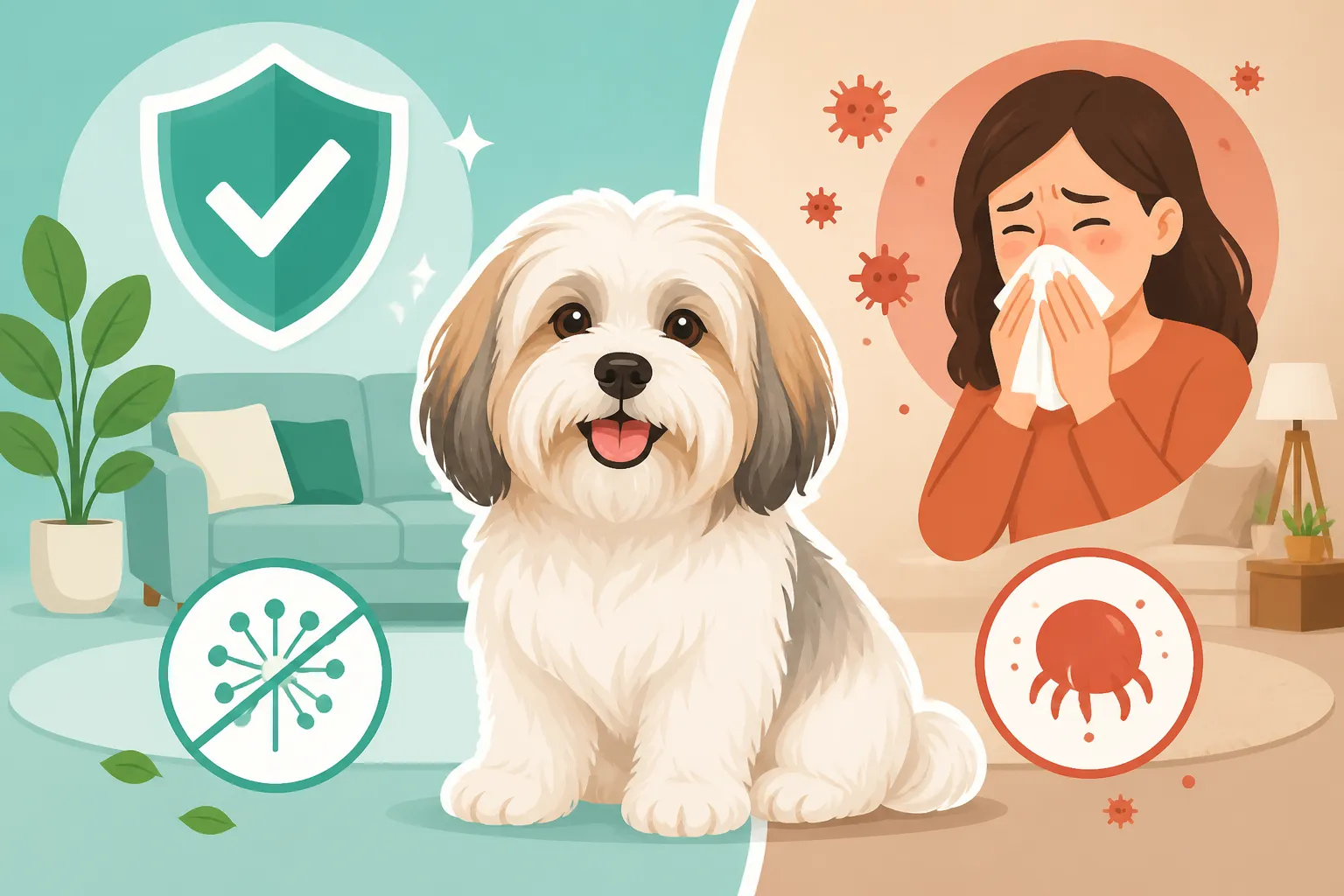
This unique coat characteristic is why the Havanese is often recommended for those with allergies. The hair itself is less likely to trigger a reaction because it's not the primary source of allergens. What does cause allergic reactions is typically dander – tiny flakes of dead skin – along with saliva and urine proteins. Because the Havanese's hair traps much of this dander within its length, less of it is released into the environment, where it can become airborne and inhaled by sensitive individuals.
Minimal Shedding, Not No Shedding
It's a common misconception that "hypoallergenic" means "non-shedding." Every living creature, including humans and Havanese, sheds skin cells. Therefore, every dog produces dander. The difference with a Havanese is the amount of dander and loose hair released into the environment, which is significantly less compared to many other breeds. You won't find tumbleweeds of dog hair rolling across your floors with a Havanese, but you will still find some hairs, especially when you brush them or after they've been romping around.
The minimal shedding of a Havanese means that fewer allergen-carrying particles are distributed throughout your home. When you brush your Havanese regularly, you're actively removing these trapped hairs and the dander clinging to them, preventing them from becoming airborne. This is a critical point: the maintenance of their coat directly impacts the allergen load in your home. Neglecting grooming can quickly negate the benefits of their hair-like coat.
What "Hypoallergenic" Really Means
The term "hypoallergenic" in the context of dogs can be a bit misleading, and it's certainly not a guarantee. It simply means "less allergenic," or less likely to cause an allergic reaction. There is no such thing as a truly 100% hypoallergenic dog, because all dogs produce dander, saliva, and urine, which are the real culprits behind most pet allergies. The Havanese, like other breeds such as Poodles or Bichon Frise, are considered hypoallergenic because their coat type and low shedding minimize the spread of these allergens.
For someone with severe allergies, even a "hypoallergenic" breed might still trigger symptoms. The level of an individual's allergic sensitivity plays a huge role. Some people might find significant relief with a Havanese, experiencing only mild or no symptoms, while others might still react. It’s a spectrum, not a binary "yes" or "no" answer. That's why spending time with Havanese dogs before making a commitment is always the best advice.
Debunking the Allergy Myth: What Really Causes Reactions
Many people mistakenly believe they are allergic to dog hair itself. While hair can carry allergens, it's not the root cause. Understanding what actually triggers allergic reactions is paramount to managing them effectively with a Havanese.
It's Not Just the Hair
The primary culprits for pet allergies are proteins found in a dog's dander (dead skin flakes), saliva, and urine. These microscopic proteins become airborne when a dog sheds dander, licks its fur, or when dried urine flakes off surfaces. These tiny particles are incredibly light and can remain suspended in the air for long periods, or settle on furniture, carpets, and clothing. When an allergic person inhales these proteins, their immune system overreacts, leading to typical allergy symptoms.
Because Havanese have hair that traps dander, rather than shedding it freely, there's less of these allergen-carrying particles floating around. However, any time your Havanese licks themselves, or even if they drool a bit, those saliva proteins are still present. When they use the bathroom, urine proteins are present. This means that while their coat type helps, consistent cleaning and grooming routines are absolutely essential to minimize exposure to these core allergens.
Individual Sensitivity Varies
Here's the tricky part: not all allergic people react to all dogs in the same way, or to the same degree. Your immune system is unique, and your specific sensitivities might be different from someone else's. One person might have a severe reaction to a Golden Retriever but only mild sniffles around a Havanese. Another might react strongly to any dog, regardless of breed. This is why generalized statements about "hypoallergenic" breeds can be misleading.
It’s crucial to gauge your personal reaction. If you're considering a Havanese, try to spend extended periods with Havanese dogs – perhaps at a reputable breeder's home (if they permit it and are aware of your concerns), a friend's house, or a local dog show. This direct exposure will be far more telling than any breed description. A true test involves not just being in the same room, but interacting with the dog, letting it sit on your lap, and seeing how your body responds over a few hours or even days if possible.
Common Allergy Symptoms
Knowing what to look for can help you identify if a Havanese is indeed triggering a reaction. Common symptoms of pet allergies can range from mild irritation to severe respiratory distress. These often include sneezing, runny or stuffy nose, itchy, watery eyes, skin rashes or hives (especially after direct contact, like if the dog licks you), and throat irritation or coughing. For those with asthma, pet allergies can trigger more serious symptoms like wheezing, chest tightness, or shortness of breath.
It's important to differentiate these symptoms from other potential irritants in the environment, especially when introducing a new pet. Ensure your home is otherwise clean and free of dust or mold, which could complicate allergy assessment. If symptoms arise, keep a log of when they occur, what activities you were doing with your Havanese, and their severity to help you and perhaps your doctor pinpoint the cause.
Strategies for Living with a Havanese and Allergies
If you decide a Havanese is the right fit, even with allergies, there are many proactive steps you can take to minimize reactions and ensure a comfortable life for both you and your furry friend. It's about diligent management, not just relying on the breed's reputation.
Grooming as a First Line of Defense
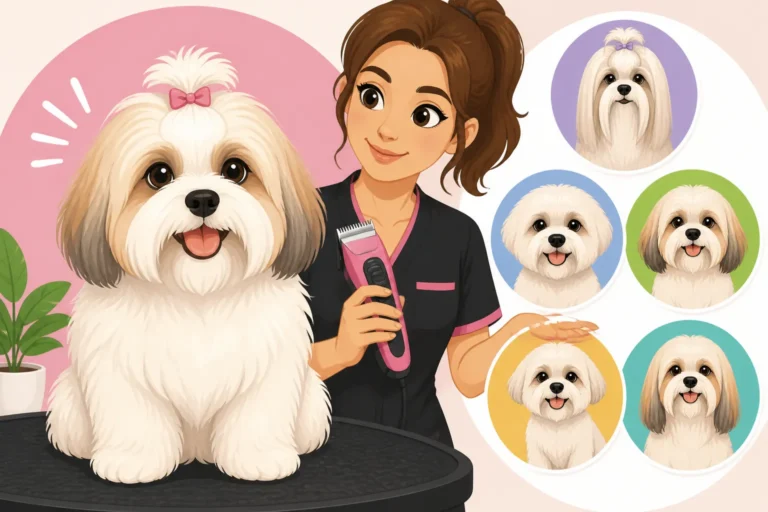
Regular and thorough grooming is your most powerful tool in reducing allergens. Because the Havanese's coat traps dander and loose hair, frequent brushing is paramount. I recommend brushing your Havanese daily, or at least every other day, with a good quality slicker brush and metal comb to get right down to the skin. This removes the trapped allergens before they have a chance to disperse. Many owners find tools available on Chewy or Amazon to be very effective. How Often a Havanese Must Be Brushed provides more details on this.
Beyond brushing, regular bathing is also crucial. A bath helps wash away dander, saliva residue, and environmental allergens clinging to the coat. Aim to bathe your Havanese every one to two weeks using a gentle, moisturizing shampoo to prevent dry skin, which can exacerbate dander production. Look for shampoos specifically formulated for dogs with sensitive skin or for those with long, silky coats. Which Shampoo Suits a Havanese offers good guidance. After bathing, ensure your Havanese is completely dry, as dampness can also lead to skin issues.
Environmental Control
Your home environment plays a significant role in allergy management. Consistent cleaning can dramatically reduce the allergen load. Vacuum frequently, ideally with a vacuum cleaner equipped with a HEPA filter, which traps microscopic particles. Wash dog beds, blankets, and any soft furnishings your Havanese uses regularly. Hard surfaces like wood or tile floors are preferable to carpets, as carpets can trap allergens.
Consider investing in high-quality air purifiers with HEPA filters for rooms where your Havanese spends the most time, especially bedrooms. Creating an "allergy-free" zone, like your bedroom, where your Havanese is not allowed, can provide a sanctuary for sensitive individuals. Regularly cleaning surfaces with a damp cloth can also help remove settled dander. Removing heavy curtains and opting for blinds, or washing curtains frequently, can also make a difference.
Diet and Skin Health
Believe it or not, your Havanese's diet can indirectly impact your allergies. A healthy dog with healthy skin will produce less dander. Poor nutrition can lead to dry, flaky skin, which means more dander. Ensure your Havanese is on a high-quality dog food that supports skin and coat health. Look for foods rich in omega-3 fatty acids, which are beneficial for skin hydration. You can find excellent options on platforms like Chewy or consider fresh food delivery services like Ollie that offer tailored, nutrient-dense meals. How Much an Adult Havanese Eats Daily can give you an idea of feeding requirements.
Some Havanese might also benefit from supplements like fish oil, under the guidance of your veterinarian, to further boost skin health. If your dog suffers from allergies themselves (e.g., environmental or food allergies), managing those can also reduce scratching and skin irritation, thereby minimizing dander production. A healthy gut also often correlates with healthier skin, so discussing probiotics or specific dietary needs with your vet can be a worthwhile step.
Beyond the Breed: Other Considerations for Allergy Households
Even with a Havanese, successfully managing allergies requires a holistic approach. It's not just about the dog; it's about your personal sensitivity, your home environment, and your commitment to ongoing care.
Testing Your Allergy Before Committing
This cannot be stressed enough: always test your allergies with the specific breed you're considering before bringing a dog home. While research and anecdotal evidence are helpful, your individual immune system's reaction is the only true indicator. Spend time, ideally multiple visits, with adult Havanese dogs in various settings. See if you can visit a Havanese breeder who allows supervised interaction, or spend time with a friend's Havanese. Don't just sit in the same room; interact, pet, and play.
Pay close attention to any symptoms that arise, and how severe they are. Does your nose start to run? Do your eyes itch? Do you develop a rash? Even mild symptoms might become more pronounced with daily, prolonged exposure. If possible, consider fostering a Havanese for a short period through a rescue organization. This gives you a realistic trial run in your own home environment. This step is crucial for preventing the heartbreak of having to rehome a beloved pet due to unmanageable allergies. The First Year With a Havanese Puppy can help prepare you for what to expect during initial integration.
Medication and Lifestyle Adjustments
For many allergy sufferers, a combination of environmental controls and personal medication is necessary to live comfortably with a pet. Over-the-counter antihistamines, nasal sprays, and eye drops can help manage mild to moderate symptoms. For more severe allergies, your doctor might recommend prescription medications or even allergy shots (immunotherapy), which can desensitize your immune system over time. Consult with an allergist to discuss your options and develop a personalized management plan.
Beyond medication, adopting certain lifestyle adjustments can significantly help. Always wash your hands immediately after petting your Havanese. Avoid touching your face or eyes after interacting with your dog. Change clothes after extensive playtime, especially before entering your bedroom. Designating specific furniture your Havanese is allowed on, or restricting them to certain areas of the house, can also create allergen-reduced zones.
The Importance of a Clean Home
Maintaining a meticulously clean home is non-negotiable for allergy sufferers with pets. Allergens are sticky and can cling to almost any surface. Regular dusting with a damp cloth, mopping hard floors, and frequent vacuuming (with a HEPA filter) are all part of the routine. Washing bedding (both human and dog) weekly in hot water is essential. Consider allergen-proof covers for mattresses and pillows.
Remember that allergens can also be carried in from outside, so even if your Havanese spends most of their time indoors, they can still bring in pollen or other irritants on their coat. Regular grooming helps with this too. Being proactive and consistent with cleaning will make a world of difference in reducing your exposure and allowing you to enjoy your Havanese companion without constant discomfort. What a Havanese Needs Every Day provides a daily checklist that integrates many of these care practices.
Ultimately, while no dog is 100% hypoallergenic, the Havanese can be a viable option for many individuals with mild to moderate pet allergies, thanks to their unique coat and minimal shedding. Success hinges on rigorous grooming, diligent home cleaning, and careful personal management. With a loving commitment to these practices, you can often find a way to welcome a Havanese into your life and experience the joy they bring, even in an allergy-prone household.
Disclaimer
This article is for general informational purposes only and does not constitute professional advice. Laws, prices and regulations vary by location and change over time. Consult a qualified professional for guidance on your specific situation.