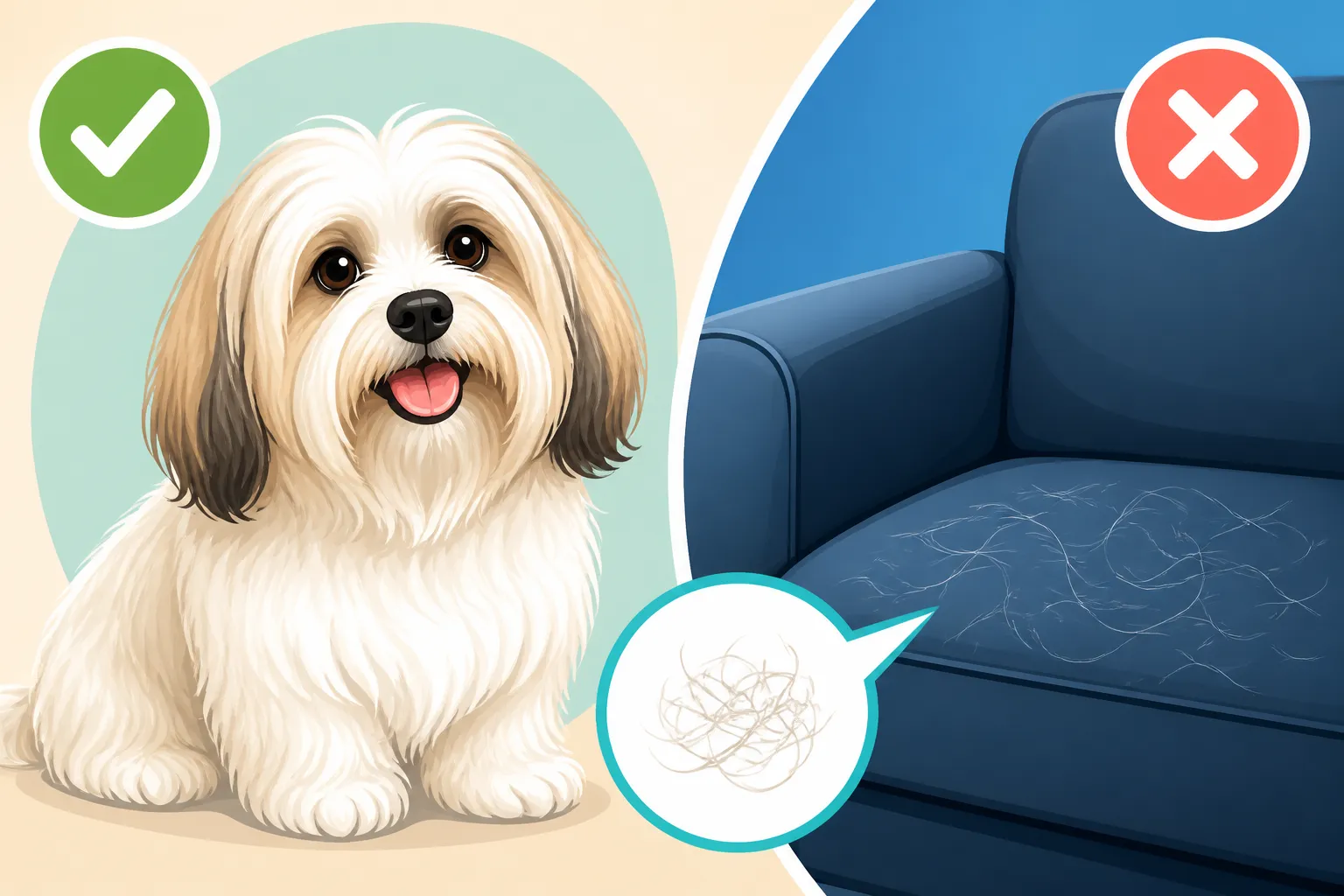
Whether a Havanese Leaves Hair on Furniture
It’s a common misconception that because Havanese are often touted as "hypoallergenic," they don't shed at all, leading many new owners to expect a completely hair-free home. The truth is, every dog sheds some hair, and while Havanese are indeed minimal shredders compared to many breeds, their beautiful coats can still leave traces behind. This guide will help you understand the realities of Havanese shedding and how to manage any stray hairs you might find on your furniture or clothes.
Understanding the Havanese Coat Type
The Havanese boasts a truly unique and luxurious coat, one of its most defining features. It's often described as a magnificent, flowing cascade, but understanding its structure is key to appreciating why these dogs shed differently.
What Makes a Havanese Coat Unique?
Unlike single-coated breeds, the Havanese possesses a double coat, which consists of a soft, downy undercoat and a longer, silky outer coat. This combination is what gives their hair its characteristic softness and flow. The outer coat can grow quite long, sometimes reaching the floor, and has a tendency to wave or curl, rather than lie flat. You can learn more about its texture in Whether a Havanese Coat Is Wavy or Curly. This double-coat structure is actually what helps to trap loose hairs within the coat itself, rather than letting them fall out all over your house. The shed hairs get caught in the surrounding growth, clinging to the healthy strands, which is why regular grooming is so crucial. If these trapped hairs aren't brushed out, they can quickly lead to painful mats.
The "Hypoallergenic" Misconception
The term "hypoallergenic" is often misunderstood. It doesn't mean "no allergies" or "no shedding"; it simply means "less allergenic." Most human allergies to dogs aren't actually caused by the hair itself, but by dander – microscopic flakes of skin that dogs shed along with their fur, as well as saliva and urine proteins. Breeds like the Havanese are considered hypoallergenic because they shed significantly less dander and hair than many other breeds. Because their loose hair tends to get caught in their coats, less dander is released into the environment, which is a huge relief for many allergy sufferers. However, it’s important to remember that no dog is 100% hypoallergenic, and individual reactions can vary widely. If you're concerned about allergies, it's always wise to spend time with a Havanese before bringing one home to see how you react. This distinct coat characteristic is explored further in Whether a Havanese Suits an Allergy Household.
The Truth About Havanese Shedding
So, if they're "hypoallergenic" and their hair gets trapped, does a Havanese ever leave hair on your furniture? The honest answer is yes, occasionally, but it's usually not in the way you might expect from a heavy-shedding breed.
Minimal Shedding, Not No Shedding
Let’s be realistic: every living creature with hair or fur sheds. Humans shed, cats shed, and yes, Havanese shed. The difference is the volume and distribution of that shed hair. With a Havanese, you won't typically find tumbleweeds of fur rolling across your floor, or a thick layer of hair on your sofa after they've been lounging there for an hour. Instead, you might notice a few stray hairs, particularly if your dog has just been brushed, or if they've been vigorously scratching or rubbing against something. These are usually individual strands, not clumps, and they are easily picked up. It's truly a minimal amount, a far cry from the daily vacuuming required for some other breeds.
Seasonal Changes and Puppy Coat Transition
While Havanese don't have dramatic "coat blows" like some northern breeds, you might notice a slight increase in shedding during certain times. One significant period is when a Havanese puppy transitions from its soft puppy coat to its denser, adult coat, typically between 8 and 14 months of age. During this time, the puppy coat is gradually replaced, and the new hair growth can lead to more shedding and, if not managed, more matting. This is a critical period for establishing a consistent grooming routine. You can read more about this change in The Months a Havanese Puppy Coat Changes. Beyond puppyhood, some Havanese might experience a very subtle increase in shedding with seasonal changes, especially as temperatures shift, but it's usually barely noticeable and nothing to be alarmed about.
The Role of Grooming in Shedding
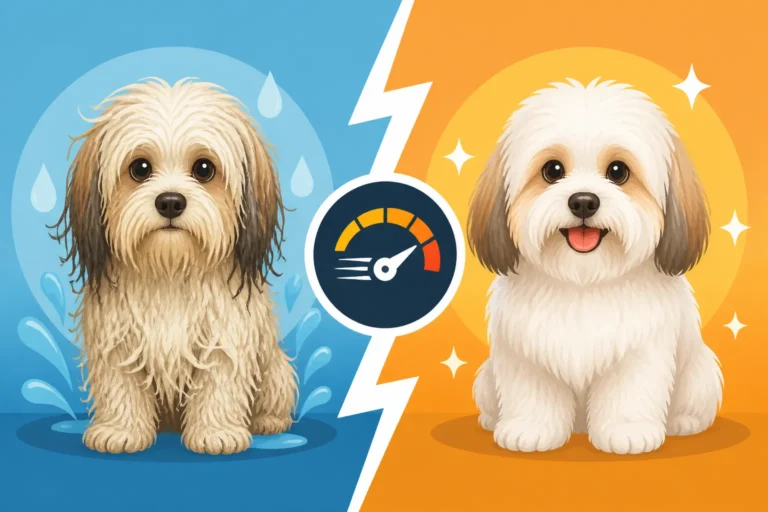
The biggest factor in whether a Havanese leaves hair on your furniture is, without a doubt, your grooming routine. Because their shed hair gets trapped in their long coats, it must be brushed out. If you neglect regular brushing, those trapped hairs will eventually fall out, taking healthy hair with them, and often in larger, matted chunks. These mats can be quite stubborn and uncomfortable for your dog, and are much more likely to leave noticeable hair behind than properly maintained individual strands. A well-groomed Havanese, brushed regularly, will release most of its loose hair during the brushing session, keeping it off your upholstery. Learning How Often a Havanese Must Be Brushed is crucial.
Managing Havanese Hair in Your Home
Even with minimal shedding, a few stray Havanese hairs can sometimes find their way onto your favorite armchair or dark clothing. The good news is, managing this is usually quite straightforward with a few proactive steps.
Regular Brushing: Your First Line of Defense
This cannot be stressed enough: consistent, thorough brushing is your absolute best tool for managing Havanese hair. Aim for at least every other day, and ideally daily, especially if your Havanese has a longer coat. A good quality slicker brush and a metal comb are indispensable. You'll want to line brush, meaning you part the hair and brush in sections all the way down to the skin to ensure you're removing all the trapped undercoat and loose hairs. Many Havanese owners find that setting up a dedicated grooming space, perhaps with a grooming table, makes this process much easier and more effective. You can find excellent grooming tools from online retailers like Chewy or Amazon. Make sure to learn Which Brush Suits a Havanese for optimal results.
After a good brushing session, you'll see a small amount of hair in the brush – that's the hair that would have ended up on your carpet or sofa! Make sure to dispose of this hair properly. Some owners even give their Havanese a quick once-over with a damp cloth or grooming mitt after brushing to catch any lingering loose hairs that might have been dislodged but not collected by the brush.
Cleaning Strategies for a Havanese Household
Even with diligent brushing, a few hairs might escape. Having the right cleaning tools on hand makes quick work of them. A good quality vacuum cleaner with a pet hair attachment is always helpful for carpets, rugs, and upholstery. For quick touch-ups on furniture, a lint roller is your best friend. Keep one near your main seating areas and one by the door for a quick pass before you head out. Microfiber cloths can also be surprisingly effective at picking up stray hairs from hard surfaces and furniture.
Consider washable covers for pet beds and even throws for your sofa, especially in areas where your Havanese loves to nap. This way, you can easily toss them in the laundry, rather than constantly trying to de-hair your furniture. These simple, inexpensive solutions can make a world of difference in keeping your home looking pristine, even with a furry friend.
Protecting Your Furniture and Clothing
If you're particularly concerned about hair on certain items, there are specific steps you can take. For example, if your Havanese loves to cuddle on your bed, a dedicated "dog blanket" can protect your duvet and sheets. For clothing, choose fabrics that are less prone to attracting and holding dog hair, like smoother cottons or silks, over fleece or wool, if shedding is a significant concern for you. Dark clothing, of course, will show light-colored Havanese hair more prominently, and vice-versa.
Another strategy is to establish designated pet-free zones in your home, if that aligns with your lifestyle. This might mean certain chairs or rooms are off-limits, which can help control where hair might accumulate. While Havanese generally love being with their people, teaching them boundaries from a young age can be very effective. This ensures your Havanese isn't leaving stray hairs in places you absolutely want to keep spotless.
Factors Influencing Havanese Shedding
Beyond grooming, several other factors can influence the amount of hair your Havanese might shed. Keeping these in mind can help you maintain a healthy coat and minimize any loose hairs.
Diet and Coat Health
A healthy coat starts from within. A balanced, high-quality diet is crucial for skin and coat health, which in turn affects shedding. Diets rich in omega-3 and omega-6 fatty acids, often found in fish oils or specially formulated foods, can promote a shiny, healthy coat and potentially reduce excessive shedding caused by poor skin condition. Look for dog foods that list real meat as the first ingredient and avoid fillers or artificial additives.
Many Havanese owners report excellent coat health when feeding premium kibble or even fresh food options like those offered by Ollie. If you're considering dietary supplements, such as fish oil, always consult with your veterinarian first to ensure it's appropriate for your dog and given in the correct dosage. A deficiency in essential nutrients can lead to a dull coat and increased hair loss, so investing in good nutrition is an investment in your Havanese's coat. You can explore Whether a Havanese Needs Fish Oil for Its Coat for more detailed information.
Health Conditions Affecting Shedding
Sometimes, an increase in shedding can be a red flag for an underlying health issue. Skin allergies, parasites (like fleas or mites), fungal infections, hormonal imbalances (such as hypothyroidism), or even stress can all lead to excessive hair loss. If you notice a sudden, significant increase in shedding, bald patches, skin irritation, or a change in coat texture, it's vital to consult your veterinarian. They can perform diagnostic tests to identify the cause and recommend appropriate treatment.
It’s important not to dismiss increased shedding as "just a phase," especially if it's accompanied by other symptoms. Early detection and treatment of health conditions can prevent more serious problems and quickly restore your Havanese's coat to its healthy, normal state. Regular vet check-ups, as discussed in What Actually Kills Most Havanese, are part of maintaining overall health, including coat health.
Environmental Triggers
Even environmental factors can play a subtle role. Very dry indoor air, especially during winter months when heating systems are running, can sometimes dry out a dog's skin and coat, potentially leading to more flaking and shedding. Using a humidifier can help maintain a more comfortable environment for both you and your Havanese. Additionally, exposure to certain irritants or allergens in the environment, such as dust mites or pollen, could trigger skin reactions that result in increased scratching and hair loss. Keeping your home clean and vacuuming regularly can help reduce these environmental allergens, benefiting both your Havanese and any human allergy sufferers in the household.
Disclaimer
This article is for general informational purposes only and does not constitute professional advice. Laws, prices and regulations vary by location and change over time. Consult a qualified professional for guidance on your specific situation.