Whether a Havanese Coat Is Wavy or Curly
One of the most charming, yet sometimes perplexing, aspects of owning a Havanese is their incredible coat. Many new Havanese parents, or even those considering bringing one of these delightful companions home, find themselves wondering if their future furball will have a coat that's delightfully wavy or distinctively curly. It's a common point of confusion, and frankly, it can feel a bit overwhelming trying to figure out what to expect. This comprehensive guide is here to unravel the mysteries of the Havanese coat, helping you understand the nuances between wavy and curly textures and what each means for daily care.
Understanding the Havanese Coat Standard
When you first picture a Havanese, chances are a cloud of soft, flowing hair comes to mind. This is often what draws people to the breed! But beneath that initial impression lies a surprisingly complex and varied coat that has a specific standard. It's not just about aesthetics; the texture of your Havanese's coat can significantly impact its grooming needs and even how it feels to the touch.
The Ideal Coat Texture
The Havanese breed standard often describes the coat as soft, silky, and wavy, or even slightly curly. It's meant to be full and double-coated, protecting them from the elements. However, it's crucial to understand that "wavy" is the prevailing description for the ideal Havanese coat, even if a gentle curl is present. Think of it as a flowing, perhaps slightly rumpled, elegance rather than tight ringlets.
This particular texture is what gives the Havanese its unique look, allowing the hair to fall gracefully and create that characteristic "Havana silk dog" appearance. It's not supposed to be coarse, wiry, or overly woolly, as those textures can indicate deviations from the breed standard and often come with their own set of grooming challenges. For more on this, you might find our article Whether a Havanese Coat Is Silky or Wiry helpful.
Why Texture Matters Beyond Looks
Beyond simply looking good in a show ring or family photo, the texture of your Havanese's coat plays a vital role in its overall health and your daily maintenance routine. A correct, silky-wavy coat is less prone to certain types of matting than a very woolly or overly soft, cottony one. It sheds less (though no dog is truly non-shedding), and it provides insulation while remaining relatively easy to maintain with regular brushing.
If the coat is too soft or too curly, it can become a magnet for tangles, turning even a short walk into a matting disaster, especially around the ears, armpits, and under the harness. Understanding your dog's specific coat texture, even if it deviates slightly from the ideal, is the first step in establishing an effective grooming regimen that keeps them comfortable and healthy. It's a major part of The Silky Double Coat a Havanese Grows to the Floor!
Natural Variations Within the Breed
While the breed standard provides a blueprint, Mother Nature always adds her own flair. You'll find a spectrum of coat textures within the Havanese breed, even among puppies from the same litter. Some Havanese will indeed have a very pronounced wave, almost like loose curls, while others might have a straighter, silkier coat that simply ripples.
These variations are a normal part of the breed's genetic diversity. Responsible breeders strive for the ideal coat type, but minor differences are to be expected. It's important not to get too hung up on achieving a perfectly "standard" coat, but rather to understand your individual dog's coat and how to best care for it. This knowledge will save you a lot of time and frustration in the long run.
Wavy vs. Curly: Dissecting the Differences
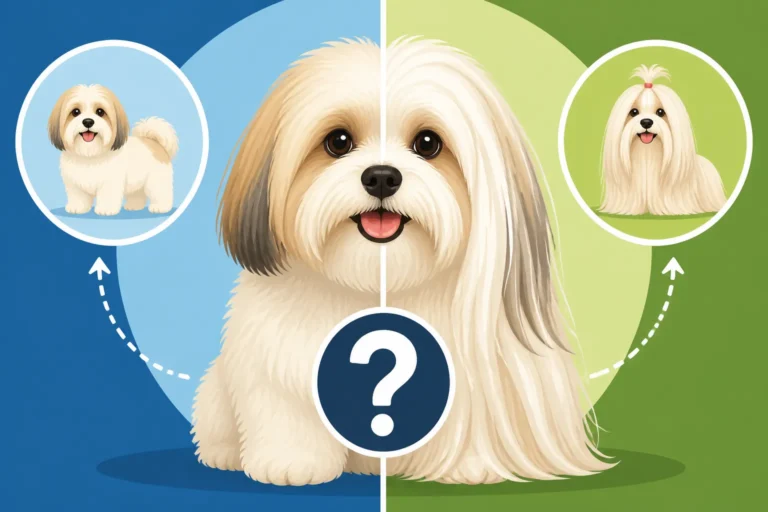
So, how do you tell if your Havanese is sporting a wavy or curly coat? It's often a matter of degree, but there are distinct characteristics that can help you differentiate. It's not always a black-and-white distinction, but understanding the typical traits will guide your expectations.
Characteristics of a Wavy Havanese Coat
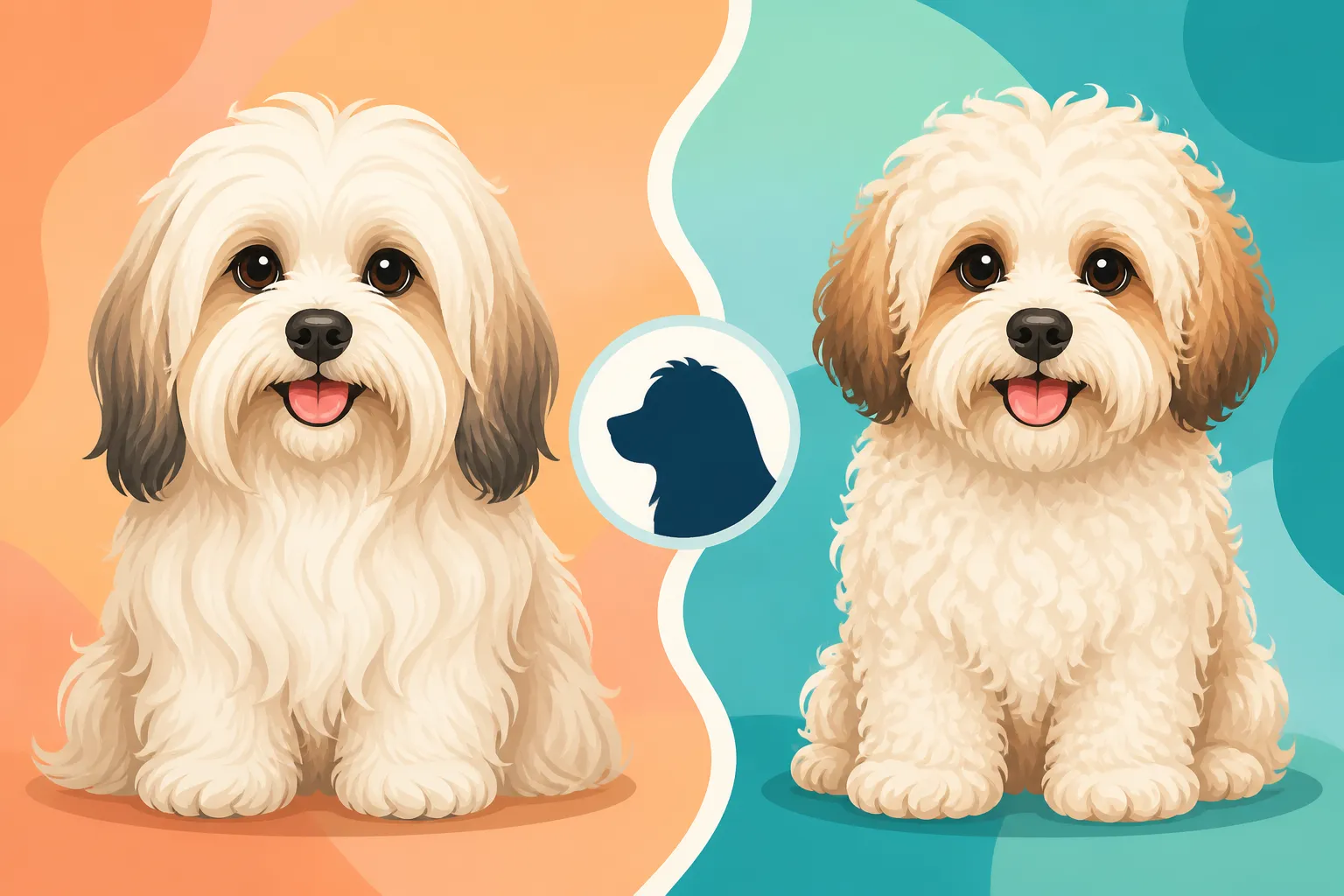
A truly wavy Havanese coat is characterized by gentle, flowing undulations rather than tight spirals. Imagine the waves of the ocean, soft and continuous. The hair shafts themselves are generally fine and soft to the touch, often feeling like silk or fine cotton. When brushed, these waves can temporarily straighten out, but they will return to their natural pattern as the hair dries or settles.
This type of coat often has a lovely sheen to it, especially when well-maintained. It moves with the dog, giving a graceful, almost ethereal appearance. While still requiring diligent grooming to prevent mats, a correct wavy coat tends to be more forgiving than a truly curly one, allowing the brush to glide through more easily. You'll still need to follow guidance on How Often a Havanese Must Be Brushed.
Characteristics of a Curly Havanese Coat
A curly Havanese coat, while less common for the breed standard, does exist. This texture will feature more distinct spirals or tight C-shaped curls, often resembling a poodle's coat, though typically looser and softer. The hair might feel a bit springier or even slightly coarser than a purely wavy coat. Instead of flowing, it tends to gather and coil.
This coat type can be absolutely charming, but it also demands a different level of grooming commitment. The tighter curls create more opportunities for hair to intertwine and form mats, sometimes even daily if not properly cared for. These coats might also appear less "silky" and more "fluffy" due to the way the curls stand out from the body. Owners of such coats often have to be extra vigilant.
The "In-Between" or Mixed Texture
To add to the delightful confusion, many Havanese will present with a coat that falls somewhere in between, or even has different textures on different parts of their body. You might find waves on their back and sides, but softer, tighter curls around their ears, under their chin, or on their stomach. This is perfectly normal and actually quite common.
This mixed texture requires a versatile grooming approach, adapting your tools and techniques to each area. The key is consistent, thorough care, regardless of the precise texture. Sometimes, the overall appearance might lean more wavy, but those curlier patches can be mat magnets. It's why learning how to handle all aspects of Grooming an Old Havanese That Cannot Stand Long (or a young one!) is so crucial.
Here's a quick comparison of general characteristics:
| Feature | Wavy Havanese Coat | Curly Havanese Coat |
|---|---|---|
| Appearance | Gentle, flowing undulations; soft ripples | More distinct, tighter spirals or C-shaped curls |
| Feel | Silky, fine, soft, pliable | Springier, sometimes slightly coarser, fluffy |
| Matting Risk | Moderate, especially if brushing is inconsistent | Higher, hair intertwines more easily |
| Maintenance | Regular line brushing, detangling spray is helpful | Daily brushing, meticulous detangling, more frequent bathing |
| Drying Time | Moderate | Can be longer due to density of curls |
| Shedding | Minimal, loose hairs caught in coat | Minimal, loose hairs caught in curls |
The Impact of Coat Type on Grooming and Care
No matter the exact texture, the Havanese coat is a commitment. However, the degree of wave or curl will absolutely influence the specific techniques and tools you'll find most effective. It's not just about brushing; it's about the whole routine.
Brushing and Detangling Challenges
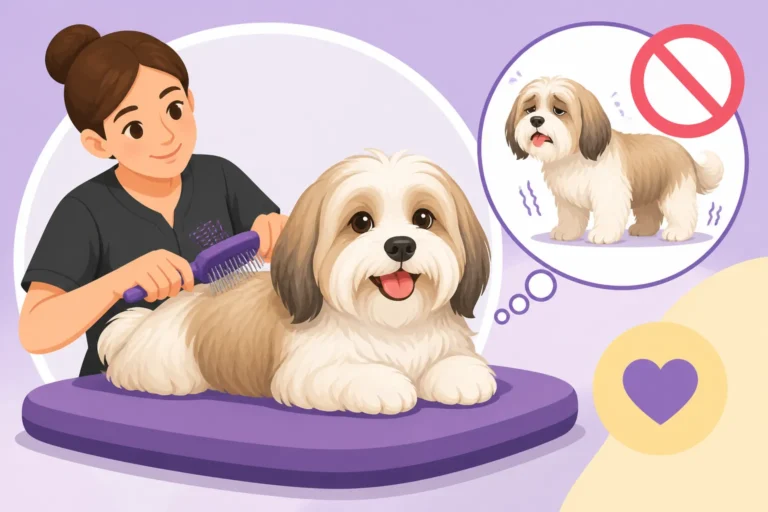
For wavy coats, a good slicker brush and a metal comb are your best friends. You'll want to line brush, meaning you part the hair and brush in layers, all the way down to the skin. This prevents mats from forming underneath the top layer, which is a common frustration for Havanese owners. Even with a wavy coat, mats can sneak up on you, especially during the coat change phase around 8-10 months. You'll find great options for these tools on sites like Chewy or Amazon.
With a curlier coat, you might find that a pin brush with long, rounded pins is better at separating the curls without pulling too much. Detangling sprays are practically a necessity for curlier coats to help lubricate the hair and allow tangles to release more easily. You'll need to be even more diligent about daily brushing, focusing on gently working through any snags before they escalate into full-blown mats. Ignoring it for even a day or two can lead to a significant battle. Our article on Whether Detangling Spray Helps a Havanese offers more specific advice.
Bathing and Drying Techniques
Bathing a Havanese requires careful attention to avoid creating a matted mess, regardless of coat texture. Always saturate the coat thoroughly before applying shampoo, and work the shampoo gently through the hair rather than scrubbing vigorously, which can knot the hair. Rinse thoroughly until the water runs clear.
When it comes to drying, this is where the differences become more apparent. For wavy coats, you can often use a force dryer (or a good quality human hair dryer on a cool setting) to blow the water out, then finish with a brush and dryer to straighten the waves if desired, or let them air dry to return to their natural pattern. Curly coats, however, absolutely benefit from being blown dry and brushed out section by section. If left to air dry, the curls can tighten and become incredibly difficult to comb through, leading to rapid matting. Brands like Amazon offer a wide range of pet dryers that can make this process much easier and more efficient.
Managing Matting and Preventative Measures
Matting is the bane of every Havanese owner's existence. It's a constant battle, but an informed approach makes all the difference. For both wavy and curly coats, consistent brushing is your primary defense. Pay extra attention to high-friction areas: behind the ears, under the collar, in the armpits, and where the legs meet the body. These spots are prime real estate for mats.
For curly coats, consider keeping the hair a bit shorter in these problem areas to minimize matting. A good groomer can help you achieve a practical yet beautiful style. For any Havanese, regular professional grooming every 4-6 weeks can be a lifesaver, especially if you struggle with home grooming. Remember, a matted coat can be painful for your dog, pulling on their skin and causing hot spots or infections. It's far kinder to shave a severely matted dog than to try to brush it out. Our guide Whether a Matted Havanese Must Be Shaved covers this in detail.
How Genetics and Age Influence Coat Texture
It's fascinating to see how a Havanese's coat can change over time. What starts as one texture might evolve into another, and genetics play a huge role in dictating the final outcome. Understanding these factors can help you prepare for shifts in your dog's grooming needs.
The Puppy Coat Transition
Perhaps the biggest surprise for new Havanese owners is the "puppy uglies" phase, or more accurately, the puppy coat transition. Havanese puppies usually have incredibly soft, fluffy, often straighter hair. Then, typically between 8 and 18 months of age, their adult coat starts to grow in, pushing out the softer puppy fur. This is a critical period for matting.
During this transition, the softer puppy hair easily tangles with the coarser, denser adult hair. This is when many Havanese owners find their brushing routine suddenly needs to become much more intensive. What was once an easy brush-through can become a tangled nightmare overnight. The texture you see in a tiny puppy is not necessarily the texture they will have as an adult, and this period is often when the true wave or curl emerges. Learning about When a Havanese Puppy Coat Changes is essential for navigating this period successfully.
Genetic Predispositions to Coat Type
The type of coat your Havanese has is largely determined by genetics. Certain genes dictate hair growth patterns, texture, and even color changes. Reputable breeders will often have a good idea of what type of coat their puppies are likely to develop based on the parents' coats and previous litters. They understand What Makes a Havanese Coat Double Rather Than Single and can sometimes predict the texture.
While a Havanese should typically have a wavy coat according to the standard, some lines might consistently produce curlier or straighter coats. This isn't necessarily a flaw, but it does mean that if you have a strong preference for a particular texture, discussing it with your breeder is important. They can guide you towards puppies that are more likely to develop the coat type you're hoping for.
Environmental Factors and Coat Health
While genetics lay the foundation, environmental factors and overall health can certainly influence the quality and manageability of your Havanese's coat. A diet rich in essential fatty acids, for instance, can contribute to a healthy, shiny coat, regardless of whether it's wavy or curly. Some owners swear by fresh food diets from companies like Ollie for maintaining coat health, while others find high-quality kibble from brands like Chewy works wonders.
Conversely, poor nutrition, skin allergies, parasites, or underlying health issues can cause the coat to become dry, brittle, or more prone to matting. Even humidity levels and exposure to sun can affect coat quality. Keeping your Havanese healthy from the inside out is just as important as regular brushing when it comes to maintaining their beautiful locks. Consistent care and attention to diet will ensure that whether your Havanese has a wavy or curly coat, it remains in tip-top condition.
Disclaimer
This article is for general informational purposes only and does not constitute professional advice. Laws, prices and regulations vary by location and change over time. Consult a qualified professional for guidance on your specific situation.