Whether Line Brushing Reaches a Havanese’s Skin
As a Havanese parent, you know that beautiful, flowing coat is both a blessing and, let's be honest, a bit of a commitment. Many of us fall into the trap of thinking we're brushing thoroughly, only to discover painful mats hiding close to the skin. This guide is all about tackling that common frustration, specifically focusing on the essential technique of line brushing to ensure every single strand of your Havanese's gorgeous coat is truly tangle-free, right down to their delicate skin.
Understanding the Havanese Coat: Why Brushing to the Skin is Non-Negotiable
The Havanese coat is one of their most defining and charming features, but it's also a complex marvel that requires dedicated care. It’s not just about aesthetics; a well-maintained coat is crucial for your dog’s comfort and skin health. Without proper brushing, this beautiful asset can quickly become a source of discomfort and potential health issues.
The Double Coat Dilemma: Outer Guard Hairs vs. Soft Undercoat
What many new Havanese owners might not immediately realize is that their furry companion sports a double coat. This isn't like a Golden Retriever's dense undercoat, but rather a unique combination that makes brushing a particular challenge. You have the longer, softer outer guard hairs that give the Havanese its flowing, silky appearance, and beneath that lies a somewhat lighter, fluffier undercoat. It's this undercoat, coupled with the fine texture of the outer coat, that creates the perfect storm for matting if not managed correctly.
The guard hairs are designed to protect, while the undercoat provides insulation. Both grow continuously and can easily intertwine if not separated regularly. Imagine trying to brush a dense, fine wool sweater without separating the fibers first – it would just clump together. That’s essentially what happens with a Havanese coat. The issue isn't always obvious on the surface; you might brush the top layer of hair and think you've done a good job, but the real trouble brews underneath, close to the skin, where the undercoat and shed hair bind together. This makes the question of Whether a Havanese has an undercoat particularly important for understanding their grooming needs.
The "Matting Cycle" and What Happens When You Don't Reach the Skin
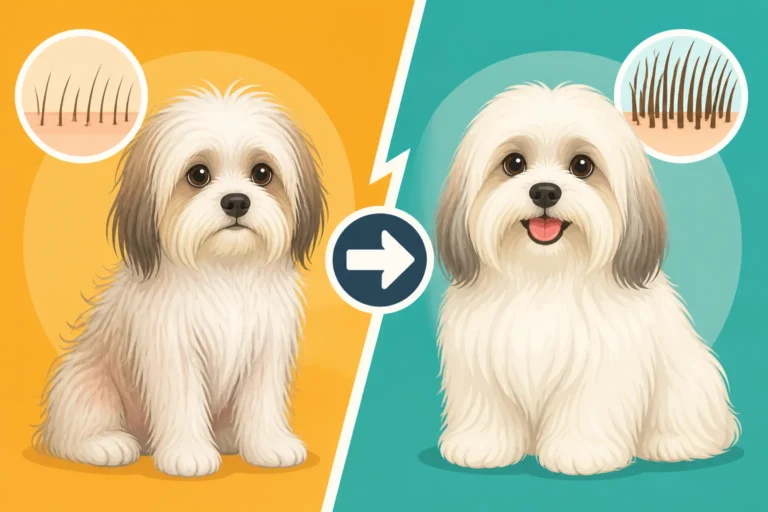
When you only brush the outer layer of your Havanese's coat, you're not actually preventing mats. Instead, you're creating a false sense of security while the hair closest to the skin continues to tangle and compact. This is the start of what I call the "matting cycle." Shed hairs get trapped within the growing coat, especially in areas of friction like behind the ears, under the armpits, and around the collar. These trapped hairs then knot with the live hair, forming small tangles that quickly grow into dense, felt-like mats.
The consequences of neglecting to brush all the way to the skin are severe. Firstly, mats pull on the skin, causing constant discomfort and pain for your Havanese. It's like having a tight ponytail or dreadlock pulling at your scalp all day, every day. Secondly, these mats can restrict air circulation to the skin, creating a warm, moist environment where bacteria and yeast thrive. This can lead to painful skin infections, hot spots, and other dermatological problems that require veterinary intervention. Thirdly, they make it impossible to see or feel any lumps, bumps, or parasites that might be hiding underneath. A Havanese with a matted coat can also struggle to regulate their body temperature, feeling both too hot in warm weather and too cold in damp conditions because their natural insulating layer is compromised. It really underscores why a question like Whether a Havanese suddenly starts matting is so crucial, often pointing to this underlying issue.
What is Line Brushing and How Does It Work for a Havanese?
So, if surface brushing isn't enough, what's the solution? Enter line brushing. This isn't just a fancy term; it's a fundamental technique that every Havanese owner needs to master to keep their dog happy, healthy, and beautifully coiffed. It ensures you're systematically addressing every single inch of that magnificent coat.
Deconstructing the Technique: Layer by Layer
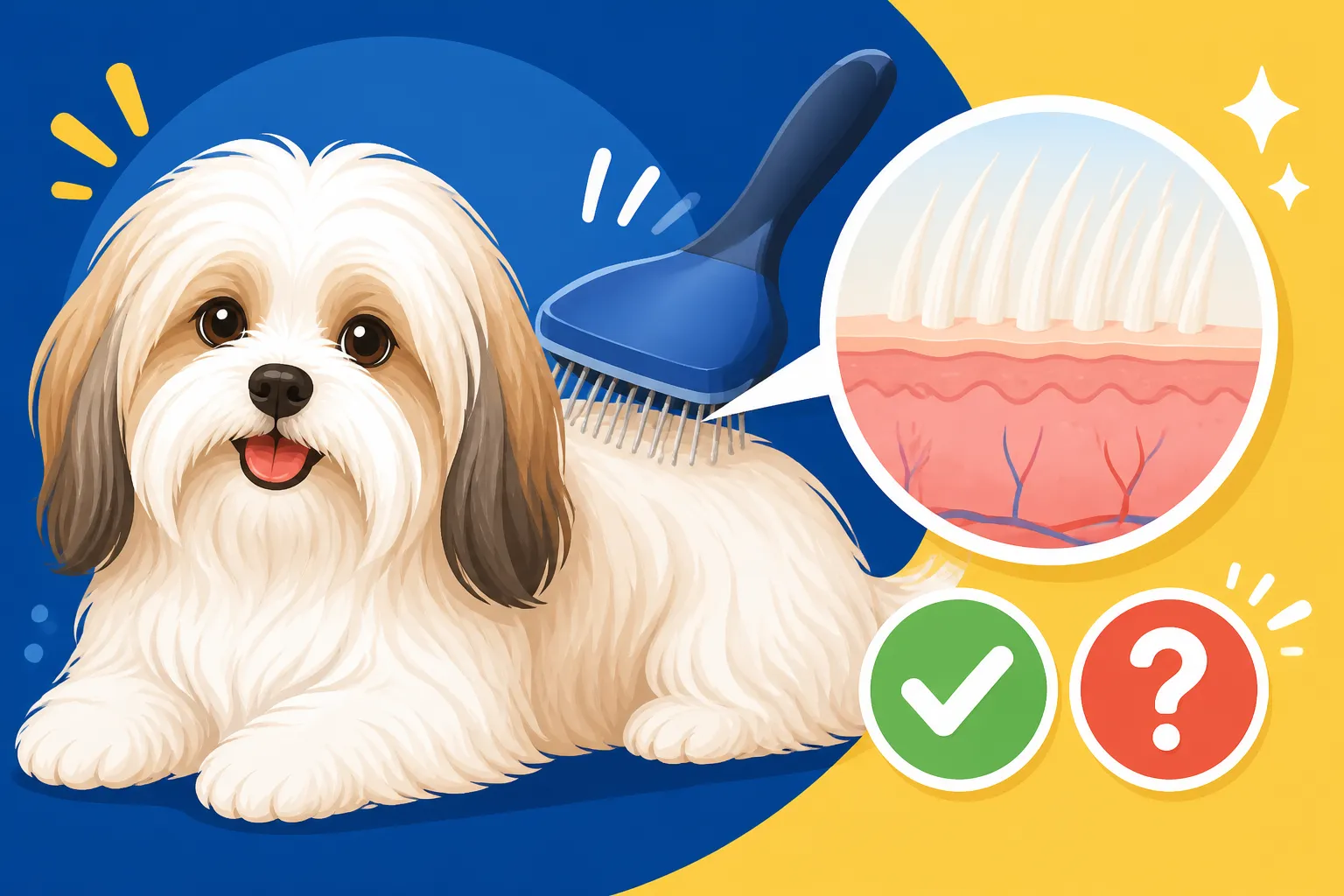
Line brushing is exactly what it sounds like: you create a "line" across the coat and brush all the hair below that line, working in small sections, until you've reached the skin. Then you drop a little more hair, create a new line, and repeat. This method ensures that you don't miss any hair, from root to tip. It’s a meticulous process, but it’s the only way to truly prevent mats in a long-coated breed like the Havanese.
To begin, you’ll typically need a good quality pin brush, a slicker brush, and a metal comb. You start by gently parting the hair horizontally, usually at the bottom of the dog's leg or flank, creating that initial "line." You then hold the upper section of hair up and out of the way (a clip can be helpful here) and begin brushing the section below the line, working against the grain of the hair growth initially, and then with it. The goal is to see the skin clearly as you brush each small section. Once you've brushed a small area with the slicker brush and pin brush, you follow up with your metal comb to ensure there are no snags. If the comb glides smoothly from the skin to the tip of the hair, you've successfully brushed that section. If it catches, you go back with your brushes until it's clear. This thorough approach is why Whether a comb beats a slicker on a Havanese isn't about one versus the other, but using both in tandem.
Why Line Brushing is Superior for Mat Prevention
Line brushing is superior to simple surface brushing because it guarantees full penetration of the coat. When you simply brush over the top, you're essentially just smoothing the visible layer, leaving the dense undercoat and any developing tangles untouched. These hidden tangles then tighten with every movement your dog makes, every time they lie down, and every time their coat gets wet, quickly escalating into full-blown mats.
By systematically working through the coat layer by layer, line brushing ensures that every single hair shaft is separated and free from tangles. This prevents the initial knotting that leads to mat formation. It also helps distribute natural skin oils evenly throughout the coat, promoting a healthy sheen and minimizing dryness, which can also contribute to breakage and tangles. When you consistently line brush, you're not just preventing mats; you're actively promoting overall coat and skin health. You'll feel the difference too—a truly line-brushed Havanese coat will feel light, airy, and flow beautifully, rather than feeling dense or "packed" near the skin. It’s a proactive rather than reactive approach to grooming, saving you and your Havanese a lot of heartache in the long run.
Step-by-Step Guide to Effective Line Brushing Your Havanese
Mastering line brushing takes a little practice, but it's an incredibly rewarding skill that will save you money on professional grooming and keep your Havanese comfortable. Think of it as a methodical dance between your tools and your dog's coat, ensuring no hair is left untangled.
Gathering Your Grooming Arsenal: Tools of the Trade
Before you even touch your Havanese, gather all your tools. This isn't a job for just one brush! You'll need a combination of items to do the job properly. A good quality pin brush is essential for general brushing and working through longer sections, while a slicker brush is indispensable for tackling denser areas and finer tangles, especially in that soft undercoat. For both of these, you can find excellent options on platforms like Chewy or Amazon. Make sure your slicker brush isn't too harsh for your dog's delicate skin; the pins should have coated tips or be flexible enough not to scratch.
But the real secret weapon in your arsenal, and perhaps the most important tool for checking your work, is a sturdy metal greyhound comb. This comb should have both wider and finer-spaced teeth. You'll also want a good detangling spray to help loosen any stubborn knots and reduce static, which can exacerbate tangles. Keep some small grooming clips or hair ties handy to section off hair, and always have some high-value treats nearby to reward your cooperative Havanese. Many owners find a dedicated grooming table with a non-slip surface and a grooming arm invaluable, as it raises your dog to a comfortable working height and keeps them secure. For a more detailed look at specific types, consider exploring Which brush suits a Havanese in another one of my posts.
| Tool Type | Primary Use | Key Features | Why It's Essential for Line Brushing |
|---|---|---|---|
| Pin Brush | General brushing, untangling larger sections | Long, widely spaced metal pins, cushioned base | Gently separates longer hairs without pulling |
| Slicker Brush | Breaking up smaller tangles, removing dead undercoat | Densely packed, fine wire pins, often angled | Gets into the undercoat to lift and separate hairs |
| Metal Greyhound Comb | Checking for mats, fine-tooth detangling | Two sections: wide teeth, narrow teeth, sturdy metal | Confirms all tangles are removed down to the skin |
| Detangling Spray | Loosening knots, reducing static | Conditioning agents, easy-spray bottle | Makes brushing easier, prevents breakage, protects coat |
| Grooming Clips | Sectioning hair | Simple, easy-to-use clips | Keeps brushed sections separate from unbrushed |
The Line Brushing Method in Detail
Now for the main event! Find a quiet, comfortable space where your Havanese is relaxed. If you have a grooming table, use it. Start by gently misting a section of your dog's coat with detangling spray. This isn't about soaking them, just a light mist.
- Start Low: Begin with your Havanese lying down or standing comfortably. A good starting point is a back leg, working from the paw upwards, or along their flank, near the belly.
- Create Your Line: Using your hand, part a small section of hair horizontally, exposing a clear "line" of skin. Hold the rest of the hair above this line up and out of the way with your free hand or a clip. This section should be no more than about an inch wide, especially if your dog has a very dense coat.
- Brush the Section: With your pin brush or slicker, start brushing the hair below your line. Brush downwards and outwards, making short, gentle strokes. You should be able to feel the brush bristles reaching the skin. Work slowly, untangling any small knots you encounter. If you hit a snag, don't yank! Gently work it out with the slicker brush, perhaps applying more detangling spray, until the brush glides through.
- Comb to Check: Once you feel confident the section is tangle-free with your brush, take your metal comb. Start at the skin and slowly pull the comb through the hair of that section. The comb should glide smoothly from root to tip. If it snags, go back to your brush and repeat step 3 until the comb passes through without resistance. This is the crucial step to ensure you're reaching the skin!
- Move Up: Once that section is completely tangle-free and the comb passes through, drop another small amount of hair from the clipped-up section, creating a new "line" just above the one you just finished. Repeat steps 3 and 4, working your way up the body.
This methodical approach is time-consuming, yes, but it’s the only way to genuinely prevent matting. For an adult Havanese in a full coat, you might find yourself dedicating a significant portion of time daily, which is why understanding How long brushing a Havanese takes daily is important for realistic expectations.
Troubleshooting Common Line Brushing Challenges
It's natural to encounter a few bumps in the road when you're learning to line brush. One of the most common challenges is finding those sneaky, tight mats that have already formed. My golden rule: never cut a mat out with scissors unless you are absolutely sure of what you are doing, and even then, I'd strongly advise against it. It's incredibly easy to accidentally cut your dog's skin, which is very thin and fragile, especially under a tight mat. If you find a severe mat, try to work it out gently with your fingers, a slicker brush, and plenty of detangling spray. Start from the very edge of the mat and pick it apart bit by bit. If it's too close to the skin or too dense, it's always safer to consult a professional groomer. They have specialized tools and expertise to safely remove pelts. This relates directly to the question of Whether a matted Havanese must be shaved.
Another common issue is a puppy or even an adult Havanese who simply doesn't enjoy grooming time. Start early with puppies, making it a positive experience with lots of praise and treats. Keep sessions short and frequent. Associate the grooming tools with good things. For older dogs, consistency and patience are key. If they resist, stop, try again later, or break it into even shorter sessions. A non-slip mat or towel on your lap can also help them feel more secure. Remember, the goal is to make grooming a bonding experience, not a battle. If you're consistently struggling or if your Havanese develops significant mats despite your best efforts, don't hesitate to seek guidance from a professional groomer or even your vet. They can often provide tips, demonstrate techniques, or recommend tools available through retailers like Amazon or Chewy that might make the process smoother.
The Benefits and Commitment of Consistent Line Brushing
Embracing line brushing isn't just about preventing a matted mess; it's about a holistic approach to your Havanese's well-being. The time and effort you invest in consistent grooming pay dividends in multiple ways, from their physical health to the strength of your bond.
Beyond Mat Prevention: Healthier Skin and Coat
While mat prevention is the most obvious benefit of line brushing, the advantages extend far beyond just avoiding tangles. When you consistently brush all the way to the skin, you ensure proper air circulation throughout your Havanese's coat. This is vital for skin health, as it prevents moisture from getting trapped and reduces the risk of skin irritations, fungal infections, and those uncomfortable "hot spots" that can develop in dense, unventilated fur. A well-aerated coat allows the skin to breathe.
Furthermore, line brushing helps to evenly distribute the natural oils produced by your Havanese's skin. These oils are essential for a healthy, shiny coat and act as a natural protective barrier. Without thorough brushing, these oils can build up in some areas and be completely absent in others, leading to dry, flaky skin or greasy patches. Regular line brushing also gives you an invaluable opportunity for a hands-on health check. As you run your hands and tools over every inch of their body, you're much more likely to detect any new lumps, bumps, skin lesions, parasites, or changes in their body condition early on, which could be critical for their health. It helps you keep an eye on everything, including their overall weight and health, which also ties into Whether a Havanese should be kept slim for its joints.
How Often and How Long: Setting Realistic Expectations
The frequency and duration of line brushing sessions depend largely on your Havanese's coat length and texture. For a Havanese kept in a full, long show coat, daily line brushing is absolutely non-negotiable. This might mean dedicating 30 minutes to an hour, or even more, each day to ensure every section is thoroughly brushed and combed. It sounds like a lot, and it is! But it’s the commitment required for such a magnificent coat. If your Havanese has a silkier coat, it might be slightly less prone to matting than a cottony one, but the principle remains the same. The question of How often a Havanese must be brushed often comes up, and for a long coat, daily is the honest answer.
For many pet owners, maintaining a full floor-length coat is simply too much work for a busy lifestyle. This is why many Havanese owners opt for a shorter, more manageable "puppy cut" or similar clip. With a shorter coat, you might be able to reduce line brushing to every two to three days, or even less frequently for very short clips, depending on the individual dog and activity level. However, even with a short cut, weekly full-body line brushing is highly recommended to catch any developing tangles and maintain skin health. It's a fantastic way to bond with your pup, and it certainly helps when considering Whether a shorter clip cuts a Havanese's bill at the groomer's. Remember that even though a Havanese doesn't shed like some breeds, their hair still falls out, and if it's not brushed out, it will inevitably mat. Over time, their coat texture can also change, becoming potentially more challenging, so it's good to be prepared for Whether a Havanese coat gets harder to manage.
Disclaimer
This article is for general informational purposes only and does not constitute professional advice. Laws, prices and regulations vary by location and change over time. Consult a qualified professional for guidance on your specific situation.