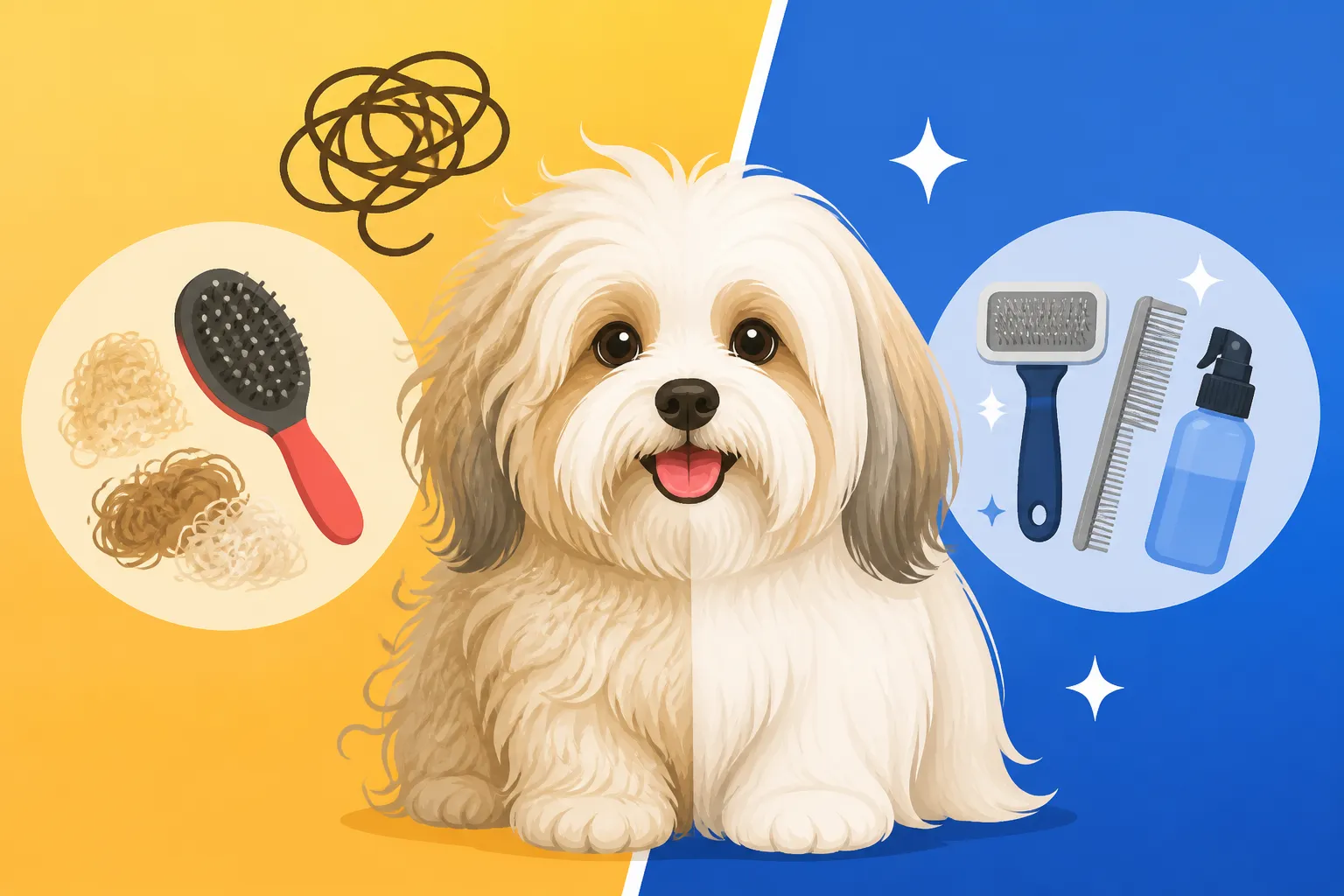
Whether a Havanese Coat Gets Harder to Manage
Many Havanese owners, especially those new to the breed, often find themselves wondering if the seemingly effortless beauty of their puppy's coat is a fleeting dream. The truth is, managing a Havanese coat can indeed become more challenging as they grow from a fluffy little pup into a magnificent adult, and even more so as they age, but with the right knowledge and tools, it's a completely manageable journey. This guide will walk you through the distinct phases of your Havanese's coat development, revealing why managing it evolves and how you can stay ahead of the game.
The Puppy Coat's "Easy" Phase and the Coming "Adolescent Mats"
When you first bring home a Havanese puppy, their coat is usually a soft, downy cloud of fluff. It’s glorious, easy to brush, and rarely mats, leading many new owners to believe they’ve got this grooming thing completely figured out. This initial period, while lovely, can set up a false sense of security, which can quickly turn into a significant grooming challenge once the adult coat starts to come in.
The Deceptive Simplicity of a Puppy's Coat
A Havanese puppy's coat is truly a marvel of softness and simplicity. It's a single layer, fine and wispy, and slides through a comb with minimal effort. During these early months, you might only need to brush your puppy a few times a week, focusing on gently introducing them to the grooming routine. They tolerate it well, often enjoying the attention, and you might think, "Wow, this is easier than I expected!" You can keep their faces clean and tidy, and their little bodies remain tangle-free with just a bit of upkeep. This early success is wonderful for building positive associations with grooming, but it's crucial to understand that it's not the full picture of Havanese coat care.
The Dreaded Coat Change and Matting Frenzy
The real challenge often begins around eight to twelve months of age, though it can start a bit earlier or later for some dogs. This is when the puppy fluff begins to give way to the denser, double adult coat. It's a bit like a human teenager's awkward phase, but for their hair! The finer, softer puppy hair starts to shed, but instead of falling out like in shedding breeds, it gets trapped within the emerging, coarser adult coat. This combination creates a perfect storm for matting.
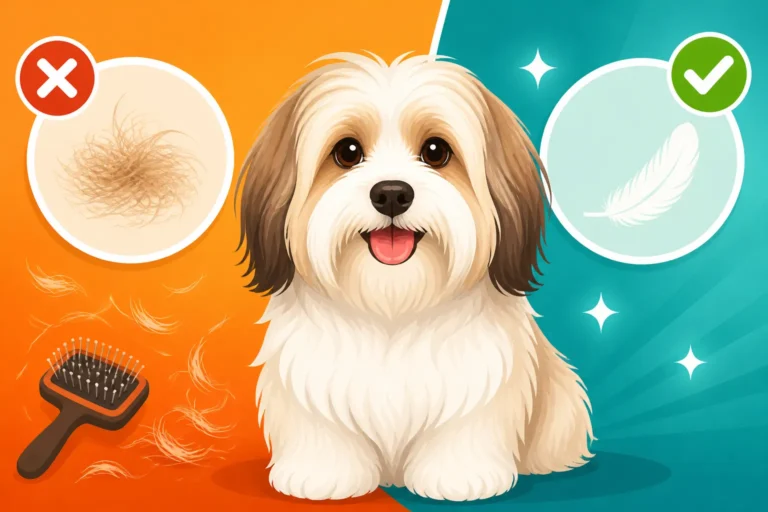
Imagine trying to brush out a tangled mess of cotton candy and silk thread – that's what it can feel like. Mats form rapidly, often in areas of high friction like behind the ears, in the armpits, under the collar, where harnesses rub, and on the hind legs. A quick once-over with a brush that used to suffice will now barely scratch the surface, leaving hidden mats to tighten and grow. You might feel like you brushed your Havanese yesterday, only to find a tight, painful pelt under their ear the next day. This stage requires a significant increase in grooming effort and vigilance. It's a common frustration, making many owners wonder Whether a Havanese Suddenly Starts Matting. Many owners turn to online retailers like Chewy or Amazon for specialized brushes and detangling sprays to help navigate this tricky period.
The Shift in Routine: Daily Brushing Becomes Non-Negotiable
During the coat change, and even once the adult coat is fully in, daily brushing often becomes non-negotiable if you want to keep your Havanese in a longer, flowing coat. What was once a casual weekly activity transforms into a dedicated daily ritual. This isn't just a quick surface brush; it needs to be a thorough session using proper line brushing techniques to ensure you reach the skin. Missing even a day or two can result in mats that are much harder, and sometimes painful, to remove. This shift in routine can be a rude awakening for owners who weren't prepared for the intensity of managing a Havanese's beautiful, yet demanding, coat. You'll quickly learn that a good metal comb and a quality slicker brush are your best friends.
Adult Coat Challenges and Long-Term Strategies
Once past the adolescent coat change, the adult Havanese coat settles into its mature texture. While it might not mat with the same ferocity as during the transition, it still requires consistent care. Various factors, from the coat's inherent texture to your dog's daily activities, will influence how easy or difficult management feels.
The Mature Havanese Coat Texture
The adult Havanese coat can vary in texture, which directly impacts its manageability. Some Havanese have a truly silky, fine coat that, while stunning, can be prone to slipping into mats easily if not regularly maintained. Others might have a slightly wavier or even a somewhat coarser coat. The wavier coats, in particular, can sometimes be more prone to tangling because of the natural kinks in the hair shaft. Regardless of the exact texture, the double coat structure remains: a soft undercoat interwoven with a longer, flowing outer coat. This combination, while providing the breed with its signature look, is always a recipe for potential matting if not meticulously brushed through. Areas that typically see a lot of movement or friction, such as the legs, belly, and especially the long hair around the ears, are often the first places to develop tangles. Understanding Whether a Havanese Coat Texture Varies by Line can help you anticipate some of these characteristics, though individual variations are always present.
Lifestyle Factors Impacting Coat Management
Your Havanese's lifestyle plays a huge role in how quickly their coat might become tangled or matted. An active Havanese who loves to play outdoors, roll in the grass, or splash in puddles will naturally pick up more debris and experience more friction, leading to quicker mat formation. Consider these common scenarios:
- Outdoor Adventures: If your Havanese enjoys romping in parks or exploring nature trails, twigs, leaves, and burrs can easily get caught in their long coat. Even a bit of dampness from dew or a light rain shower can cause the coat to clump and tangle. This means extra brushing after every outdoor excursion, and potentially a bath if they get particularly dirty.
- Weather Conditions: Rain, as mentioned, is a mat-maker. Similarly, snow can ball up in their long leg and belly furnishings, pulling and tangling the hair. Many owners consider protective gear or shorter clips in winter to prevent these issues. Whether Rain Mats a Havanese is a concern many owners face.
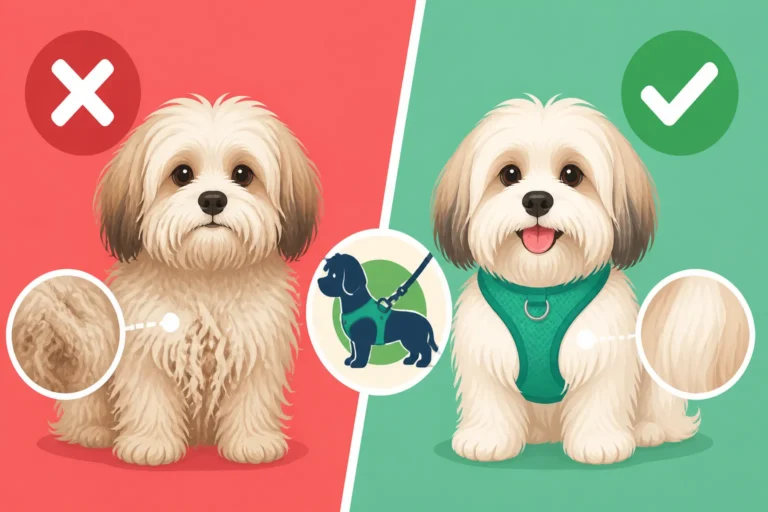
- Collars, Harnesses, and Clothing: While necessary, collars and harnesses are constant friction points. The hair underneath them can easily become compressed and matted. Regularly checking these areas and brushing them thoroughly is essential. Some owners switch to wider, softer collars or invest in a high-quality, properly fitted harness to minimize damage. The question of Whether a Harness Mats a Havanese is a frequent one.
- Sleeping Habits: Even something as simple as how your Havanese sleeps can impact their coat. If they consistently sleep curled in a tight ball, the friction can create tangles on their sides or belly.
These daily interactions mean that coat management isn't a static task; it adapts to your Havanese's routine and environment.
The Role of Professional Grooming vs. Home Grooming
For many Havanese owners, managing the coat means a combination of home grooming and professional visits. Deciding on the right balance depends on your time, skill, and your dog's coat type.
- Professional Grooming: Regular trips to a professional groomer can be a lifesaver, especially during the coat change or if you prefer a longer, show-quality coat. Groomers have specialized tools, high-velocity dryers, and the expertise to tackle even tough mats without causing pain. They can provide a full bath, dry, brush, and trim, keeping the coat in optimal condition. However, this comes at a cost, and it's important to find a groomer experienced with double-coated breeds like the Havanese. You'll want to understand What a Full Havanese Groom Costs in your area and factor that into your annual budget.
- Home Grooming: Many owners learn to do much of the grooming themselves, particularly if they opt for a shorter, more manageable "puppy cut." Home grooming allows for daily mat checks and quick brush-outs, which are crucial for prevention. It also strengthens the bond between you and your dog. While initially daunting, investing in quality tools (a good slicker brush, a metal comb, clippers, and perhaps even a force dryer from Chewy or Amazon) and learning proper techniques can be incredibly rewarding. You will still need to commit to How Long Home Grooming a Havanese Takes to do it effectively.
Ultimately, whether you rely more on home grooming or professional services, consistency is the key to preventing major coat management headaches.
The Aging Havanese Coat and Special Considerations
Just like humans, a Havanese's body changes as they age, and their coat is no exception. What was once a thick, vibrant, and flowing mane can begin to show signs of age, presenting a new set of grooming challenges and requiring an adapted approach.
Changes in Coat Quality with Age
As a Havanese transitions into their senior years, typically around The Age a Havanese Counts as Senior, their coat can undergo noticeable changes. You might observe that the once dense and luxuriant coat begins to thin out. This thinning can be general, or it might be more pronounced in certain areas, sometimes making them look a bit patchier than before. The texture can also shift; some senior Havanese coats become finer and more fragile, making them even more prone to breakage and matting if not handled gently. Others might find their coat becomes coarser or drier, losing some of its youthful silkiness and requiring more conditioning.
Beyond texture, the coat might lose some of its vibrant color, appearing duller or more faded. Pigment changes are also common; a black Havanese might silver out, or a sable might lose some of its darker tipping. While these changes are a natural part of aging, they mean the coat might not tolerate the same rough and tumble brushing it did in its prime. It becomes more delicate and requires a softer touch and even greater patience during grooming sessions. Understanding Whether an Old Havanese Coat Thins is important for managing expectations and adapting your routine.
Health Conditions and Grooming Challenges
Unfortunately, with age can come a host of health issues that directly impact a Havanese's ability to tolerate grooming. These challenges require immense empathy and adaptation from the owner:
- Arthritis and Joint Pain: An older Havanese might develop arthritis, particularly in their hips or knees. Standing for long periods on a grooming table can become uncomfortable or even painful. They might resist having certain limbs manipulated or prefer to lie down rather than stand. This means you might need to adjust your grooming setup, perhaps grooming them on a comfortable mat on the floor, or breaking up sessions into very short, manageable bursts. Gentle handling is paramount, and you may need to learn new techniques for Grooming an Old Havanese That Cannot Stand Long.
- Vision or Hearing Loss: Diminished eyesight or hearing can make an older Havanese more easily startled. A sudden sound from clippers or the unexpected approach of a brush can cause anxiety. Approaching grooming calmly, using soft vocal cues, and ensuring they can see you (if vision allows) can help.
- Cognitive Decline: Some senior dogs experience cognitive dysfunction, similar to dementia in humans. They might become confused, agitated, or less tolerant of being handled. Grooming sessions need to be extra patient and reassuring, focusing on comfort over perfection.
- Skin Sensitivities: Older skin can be thinner and more prone to irritation. You'll need to be extra careful with brushing to avoid brush burn and use gentle, moisturizing shampoos and conditioners, easily found on Chewy or Amazon.
- Anxiety and Stress: Just the act of grooming can become more stressful for an older dog, especially if they associate it with discomfort. Keeping the environment calm, quiet, and positive is crucial.
These conditions necessitate a shift from trying to maintain a perfect coat to prioritizing your Havanese's comfort and well-being during grooming.
Adapting Grooming Routines for Seniors
Given the changes in coat quality and potential health issues, adapting your grooming routine for a senior Havanese is essential.
- Shorter Clips for Comfort: Many owners find that a shorter clip, like a very short puppy cut, is the kindest option for an older Havanese. This significantly reduces the risk of matting, makes bathing and drying much quicker, and minimizes the amount of time they need to stand or be manipulated. It also helps with hygiene and makes it easier to spot any skin issues. Whether an Old Havanese Should Be Kept Clipped is a common consideration for senior care.
- Frequent, Shorter Sessions: Instead of one long, arduous grooming session, break it down into multiple short sessions throughout the week. Maybe one day is just a gentle brush-out of the back, the next day focuses on the ears and face, and another day is dedicated to paw trims.
- Comfortable Grooming Stations: Invest in non-slip mats for your grooming table or floor. If your Havanese prefers to lie down, learn how to groom them gently in that position.
- Professional Help: Don't hesitate to seek out a groomer who specializes in senior or special-needs dogs. They often have hydraulic tables, softer restraints, and a gentler approach tailored to older pets. Clearly communicate any health concerns your Havanese has.
- Diet and Supplements: While not directly grooming, a healthy diet, perhaps from a brand like Ollie, and appropriate joint supplements can support overall well-being, which in turn contributes to healthier skin and coat, and makes them more comfortable during grooming.
Tools, Techniques, and Tips for Easier Havanese Coat Care
Managing a Havanese coat, particularly as it changes and ages, boils down to having the right tools, understanding the proper techniques, and establishing a consistent routine. It's an ongoing learning process, but with a few key strategies, you can keep your Havanese looking and feeling fantastic.
Essential Grooming Tools and Their Use
Having the right arsenal of grooming tools is paramount for efficient and effective coat care. Think of these as your indispensable allies in the battle against mats and tangles:
- Slicker Brush: This is your primary weapon. Look for one with coated tips or flexible pins that are gentle on the skin but effective at getting through the undercoat. Brands like Chris Christensen (available on Amazon or Chewy) are often highly recommended. Use it for general brushing, focusing on line brushing to ensure you reach the skin, not just the top layer of hair.
- Metal Comb (Greyhound Comb): After using the slicker brush, a good quality metal comb with both wide and fine teeth is crucial for "proof-reading" your work. Run the comb through the entire coat, all the way to the skin. If the comb snags, you've found a tangle that the slicker brush missed. Don't pull; gently work the mat out with the fine end of the comb, using your fingers to help separate the hair. This is especially vital in mat-prone areas like behind the ears, under the legs, and on the tail. Which Brush Suits a Havanese is a decision many owners deliberate over.
- Detangling Spray: A good detangling spray can make a huge difference, especially during the coat change or if you encounter a stubborn tangle. Spray it lightly onto the tangled area before you start combing to help loosen the hair and reduce breakage.
- Scissors (Blunt-Nosed): Essential for trimming around the eyes, paw pads, and sanitary areas. Always use blunt-nosed scissors for safety, especially around the face.
- Nail Clippers or Grinder: Regular nail trims are important for your Havanese's comfort and gait.
- High-Velocity Force Dryer: While an investment, a force dryer is incredibly useful, especially if you bathe your Havanese at home. It blasts water out of the coat quickly, significantly reducing drying time and helping to straighten the coat to prevent new mats from forming as it dries. You can find excellent options on Amazon.
Regular Bathing and Drying Techniques
Bathing is often misunderstood in Havanese grooming. Some owners avoid it, fearing it will cause mats, while others bathe too frequently without proper technique.
- Pre-Bath Brush: NEVER bathe a matted Havanese. Water will tighten existing mats into solid pelts, making them impossible to brush out and requiring a complete shave. Always thoroughly brush and comb your Havanese before bathing, ensuring there are no tangles.
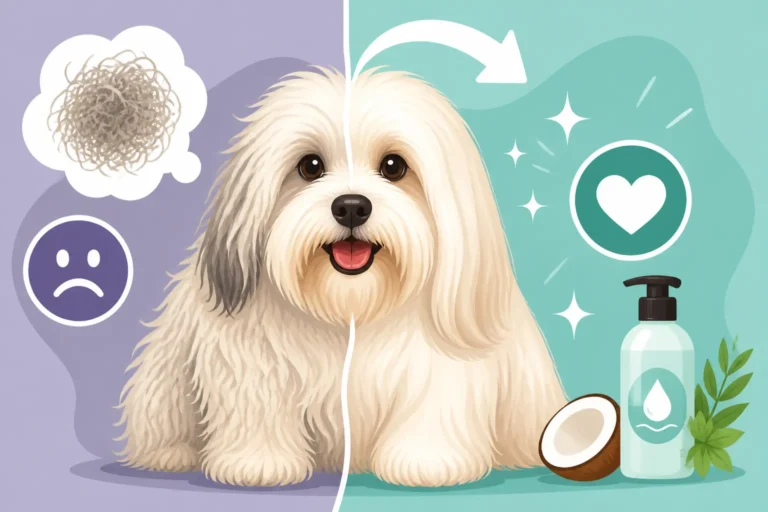
- Quality Shampoo and Conditioner: Use a good quality dog shampoo that is gentle and moisturizing. Follow up with a conditioner, which helps to soften the hair, make it easier to comb, and reduce static. Many reputable brands are available on Chewy.
- Proper Rinsing: Rinse thoroughly. Any shampoo or conditioner residue left in the coat can irritate the skin and make the hair feel sticky, attracting dirt and contributing to matting.
- Thorough Drying: This is where many home groomers go wrong. Air drying a Havanese is a recipe for disaster, as the coat will dry in clumps and tangles. You must blow-dry your Havanese completely, preferably with a force dryer, while brushing through the coat to ensure it dries straight and tangle-free. This process of Drying a Havanese Properly is critical for maintaining a mat-free coat.
Proactive Mat Prevention
Prevention is always better than cure when it comes to Havanese coats. Incorporating these proactive measures will make coat management significantly easier:
- Daily Checks: Even if you brush daily, do a quick "mat check" with your fingers, especially in those common trouble spots: behind the ears, under the armpits, inner thighs, and anywhere a collar or harness sits.
- Topknots and Bands: If your Havanese has a long topknot, keeping it tied up with a soft elastic band (not a rubber band!) will keep hair out of their eyes and prevent it from getting tangled during play or meals. This also helps with Whether Hair Should Be Kept Out of a Havanese's Eyes and is a key part of daily care.
- Protective Clothing: For very active dogs or during specific weather conditions, dog sweaters or lightweight suits can sometimes help protect the coat from burrs, dirt, or snow accumulation, reducing matting.
- Regular Trims: Keep hair trimmed around the paw pads to prevent slipping and debris accumulation, and keep the sanitary area tidy for hygiene. Regular face trims prevent food and moisture from staining the beard and around the eyes.
- Consistent Routine: Establish a consistent grooming routine and stick to it. Whether it's 15 minutes every evening or longer sessions a few times a week, consistency is the single most important factor in keeping a Havanese coat manageable. It might feel like a chore sometimes, but a healthy, mat-free coat means a happy, comfortable Havanese.
By understanding the evolution of your Havanese's coat and proactively addressing its needs at every stage, you can ensure that managing their beautiful locks remains a rewarding part of your life together.
| Coat Stage | Characteristics | Grooming Demands | Common Challenges | Recommended Approach |
|---|---|---|---|---|
| Puppy Coat | Soft, downy, single layer, fine texture | Easy to brush, minimal matting, focus on positive introduction to grooming. Brush 2-3 times/week. | Overconfidence in ease of future grooming. | Gentle, short sessions. Introduce all tools. |
| Coat Change | Puppy fluff mixes with emerging adult double coat | Intense matting, especially behind ears, armpits, and friction points. DAILY thorough brushing with slicker and comb is essential. | Rapid mat formation, painful tangles. | Daily line brushing, detangling spray. Professional grooming if overwhelmed. |
| Adult Coat | Denser, double coat; texture varies (silky to wavy) | Consistent brushing (daily to every other day for long coats), regular bathing & drying. Management influenced by lifestyle. | Lifestyle-induced mats (play, weather, harnesses). | Maintain consistent routine, address mats immediately. Professional trims for convenience. |
| Senior Coat | Thinner, more fragile, coarser or drier, color changes | Gentle, patient grooming; shorter sessions. Focus on comfort. Address health considerations (arthritis, vision). | Discomfort with standing, skin fragility, increased anxiety. | Shorter clips, frequent short sessions, comfortable grooming surfaces. Consult vet/specialist groomer for adaptive care. |
Disclaimer
This article is for general informational purposes only and does not constitute professional advice. Laws, prices and regulations vary by location and change over time. Consult a qualified professional for guidance on your specific situation.