Whether Cords Must Be Separated by Hand on a Havanese
For those of us who adore our Havanese, the idea of a corded coat can be both fascinating and a little intimidating. You might have seen pictures of Havanese looking like adorable little mops, their long hair naturally forming beautiful, rope-like strands, and wondered if it's something your own furry companion could achieve. This guide is here to walk you through the reality of Havanese cording, focusing specifically on the hands-on commitment involved, especially whether those cords truly need to be separated by hand to look their best.
What is Havanese Cording and How Does it Start?
The Havanese coat is truly unique, a hallmark of the breed's charm and heritage. But what exactly makes it suitable for cording, and how does this transformation begin? It’s not simply a matter of letting the coat grow; there's a specific texture and process involved that differentiates cording from plain old matting.
The Unique Texture of a Havanese Coat
A Havanese sports a luxurious double coat, a combination of a soft, downy undercoat and a longer, silken outer coat. This isn't just a pretty feature; it's the very foundation for cording. Unlike breeds with a single, fine coat that might just tangle into a felted mess, the Havanese coat has enough body and the right blend of textures to form distinct cords. It's often described as feeling like raw silk, and it's this particular quality that allows the hair to naturally clump and twist into ropes rather than flattening into tight mats against the skin.
Think of it this way: if you try to make a rope out of individual strands of very fine, slippery silk, it won't hold. But if you have a blend of silk and a slightly coarser fiber, it will grip and twist together beautifully. The Havanese coat has that perfect combination. For a deeper dive into their beautiful fur, you might want to read The Silky Double Coat a Havanese Grows to the Floor. It's this innate quality that breeders often look for, recognizing that not every Havanese coat will cord perfectly, though most have the potential.
The Initial Stages of Cord Formation
The journey to a fully corded Havanese begins quite subtly, often mirroring what many owners initially mistake for severe matting. As the Havanese puppy coat gives way to the adult coat, typically around 8 to 18 months, the texture changes. This is the "matting" phase, where the old puppy hair gets caught in the new adult coat, naturally forming clumps. Instead of brushing these out, which is the usual instinct, these clumps are actually the nascent cords.
It's a delicate balance, allowing these natural formations while ensuring they don't become unruly. During this period, you’re not actively separating cords in a precise manner yet. Instead, you're observing where the coat naturally wants to divide. The goal is to let these clumps start to form, keeping them relatively clean and dry. This initial phase requires patience and a hands-off approach to brushing, but a very hands-on approach to monitoring. Ignoring the coat completely will lead to a painful, solid pelt, not elegant cords. You can learn more about this transition in When a Havanese Puppy Coat Changes.
The Essential Art of Hand-Separating Havanese Cords
This is where the rubber meets the road, and where the answer to our core question truly lies: yes, for beautiful, healthy cords, manual separation is absolutely non-negotiable. Without consistent, careful hand-separation, your Havanese's coat won't form distinct cords; it will simply become a matted mess that will likely require shaving off.
Why Manual Separation is Non-Negotiable
Imagine a ball of yarn that's been left to its own devices. It might start as separate strands, but eventually, it becomes one large, tangled knot. The same happens with a Havanese coat if left unmanaged. While the natural texture encourages clumping, it doesn't automatically create perfect, uniform cords. Your hands are the sculptor, guiding the coat into the individual ropes we associate with a corded Havanese.
If you skip this crucial step, the clumps will merge. You'll end up with flat, wide sheets of felted hair pressed against the skin, which not only looks unsightly but also causes significant discomfort for your dog. These large mats pull on the skin, can trap moisture leading to skin infections, and make it impossible to properly clean your dog. Ultimately, it’s a commitment to regular, gentle, manual intervention that transforms those initial clumps into distinct, healthy cords. There's really no shortcut or magic brush that replaces your fingers in this process.
The Technique of Separating Havanese Cords
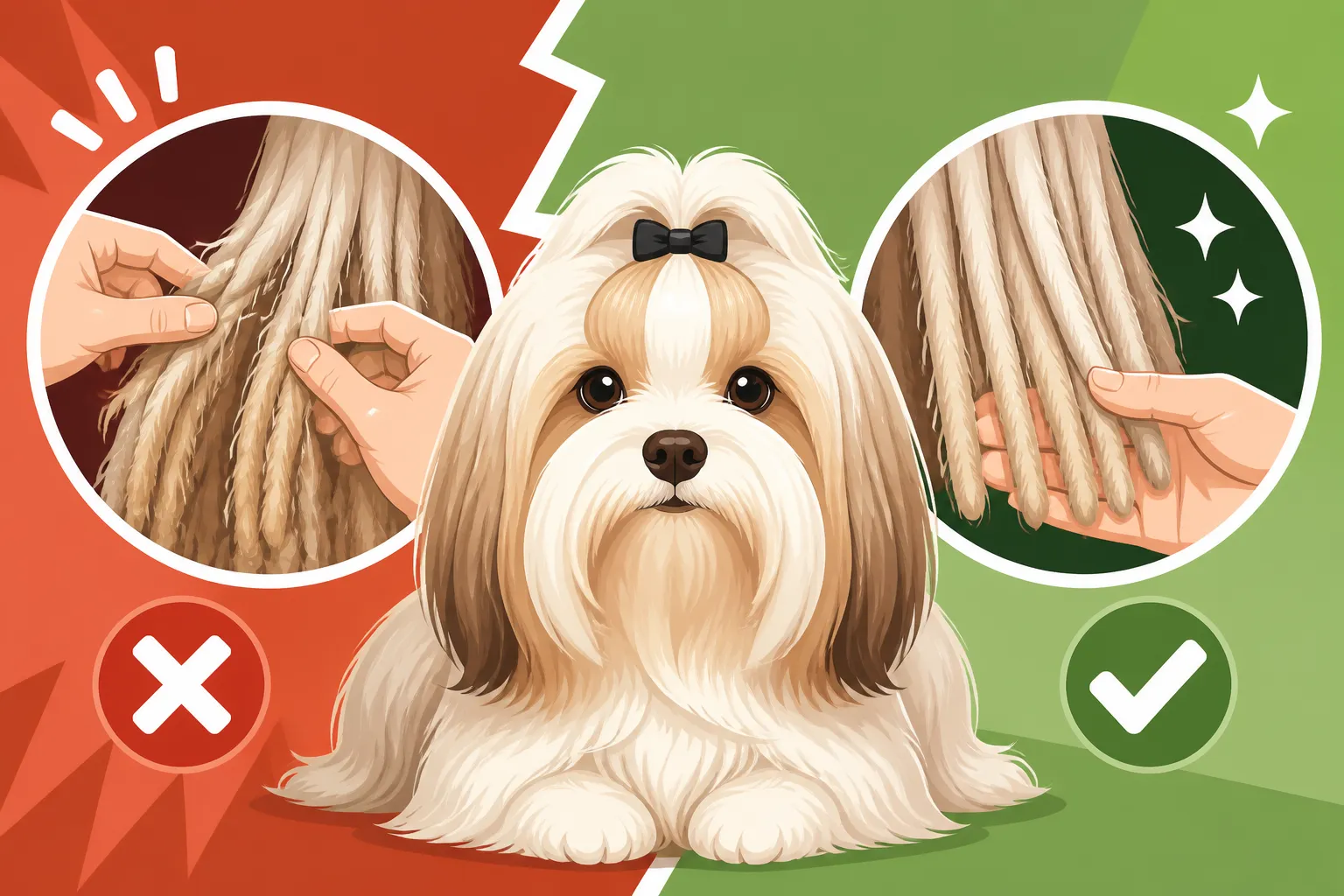
This isn't a quick task; it's an art form that requires patience, a gentle touch, and consistency. The process involves systematically separating the coat from the skin outwards, creating individual cords of an even thickness.
Here’s a simplified breakdown of the technique:
- Start at the Skin: This is paramount. Cords must originate cleanly from the skin to allow air circulation and prevent discomfort. Using your thumb and forefinger, gently find the natural divisions where the hair wants to separate.
- Pull Apart Gently: Once you've identified a natural section, twist and pull the hair apart from the base of the cord, all the way down to the tip. The goal is to create cylindrical, rope-like strands, not flat sections. You'll want to aim for cords roughly the thickness of a pencil or a bit thicker, depending on your preference and your dog's coat density.
- Work Systematically: Don't try to do the whole dog at once. Work in small sections, perhaps starting with the neck and shoulders, then moving to the back, sides, and eventually the legs and tail. This allows you to maintain consistency and prevent missing spots.
- Consistency is Key: This isn't a one-time job. As your Havanese's coat continues to grow, new growth at the base will start to clump again, and existing cords might try to merge. You'll need to revisit the cord separation process regularly, typically weekly or bi-weekly, to maintain individual cords. How long this takes is described in more detail in How Long Cords Take to Form on a Havanese.
It takes practice, but with time, you'll develop a feel for your Havanese's coat and where the natural divisions lie.
Common Mistakes to Avoid During Hand Separation
Even with the best intentions, it's easy to fall into common traps when cording a Havanese. Being aware of these can save you a lot of heartache and prevent discomfort for your beloved pet.
- Not Going Deep Enough: One of the most common errors is only separating the outer parts of the coat, leaving a dense, matted layer at the skin. This prevents proper air circulation, can lead to painful skin issues, and ultimately means the cords aren't truly formed. Always ensure your fingers reach all the way to the skin.
- Creating Uneven Cords: If some cords are too thick, they become heavy and difficult to dry. If too thin, they are fragile and might break off. Strive for uniformity across the dog's body.
- Neglecting "Problem" Areas: Behind the ears, in the armpits, and around the sanitary areas are notorious for matting because of friction and moisture. These spots require extra diligence and frequent separation. If left, they can quickly turn into solid pelts.
- Pulling Too Hard: Remember, this is a delicate process. Excessive pulling can be painful for your Havanese and make them resistant to future grooming sessions. Gentleness is key.
- Inconsistency: Cording is a lifestyle, not a one-off project. Skipping separation sessions means the cords will merge, and you'll have to either meticulously pull them apart (which can be painful) or start over by shaving the dog down.
Patience and dedication are your best friends in this journey.
Maintaining Corded Havanese: Beyond Initial Separation
Once your Havanese's cords are established, the hands-on involvement doesn't stop. It simply shifts from formation to meticulous maintenance. A corded coat requires a very specific regimen of care to remain healthy, clean, and comfortable for your dog.
Ongoing Cord Care and Hygiene
Bathing a corded Havanese is a completely different experience than bathing a brushed one. You can't just lather, rinse, and repeat. The key is to get the cords thoroughly wet, clean, and then, most critically, completely dry.
- Bathing Technique: Use a gentle, conditioning shampoo. Instead of scrubbing, you'll need to squeeze the shampoo into the cords, working it through each cord from top to bottom. Rinse even more thoroughly, making sure no residue is left behind, as this can lead to skin irritation or attract dirt. You might find specialty shampoos designed for dreadlocks or corded coats helpful; these can often be found on sites like Chewy or Amazon.
- Drying is Paramount: This is arguably the most challenging part of corded coat maintenance. Wet cords can take an incredibly long time to dry, often many hours, and if not dried completely, they can develop mildew and a sour smell, leading to skin infections. You'll need a high-velocity force dryer to push water out of the cords. Squeeze excess water out by hand first, then systematically dry each cord until it is bone dry all the way to the skin. Leaving even a little dampness inside the cords is asking for trouble. For more insights on this, check out How Long a Corded Havanese Takes to Dry.
- Regular Checks: Even between full baths, you'll need to routinely check the base of the cords for new growth attempting to merge, and separate them by hand. Also, keep an eye out for any debris or foreign objects that might get trapped within the cords.
Tools and Products for Corded Coats
While a slicker brush and comb are firmly retired for a corded Havanese, there are still a few essential items that can make your life easier.
- Specialized Shampoos and Conditioners: Look for formulas that rinse cleanly and don't leave residue. Some owners prefer brands that cater to dense or corded coats, often available through online pet supply retailers like Chewy or even general marketplaces like Amazon. You might also find products from brands such as Ollie or other specialty pet care lines that offer gentle, natural cleansing options.
- Force Dryer: As mentioned, this is indispensable. A high-quality force dryer is vital for ensuring cords are thoroughly dried, preventing mildew and skin issues.
- Moisturizing Sprays: Some owners use light, leave-in conditioning sprays or cord refreshers to keep the cords supple and minimize static, especially if the climate is dry.
- Cord Bands/Ties: For very long cords, especially around the face, you might use soft bands or ties to keep them out of your Havanese's eyes or away from food and water.
Remember, the emphasis is on minimal product use, with a focus on cleanliness and thorough drying.
Living with a Corded Havanese
Cording your Havanese isn't just a grooming decision; it's a lifestyle adjustment for both you and your dog. It changes how you interact with their coat and how they experience their daily life.
- Daily Activities: While a corded coat means no daily brushing, it does require vigilance. You'll need to check for burrs, twigs, or other debris that can get caught in the cords during walks or playtime. Mud and dirt are more challenging to remove from cords than from a brushed coat.
- Comfort and Temperature: A corded coat, especially a long one, can be quite heavy and warm. You'll need to be extra mindful of your Havanese's comfort in warmer weather, ensuring they don't overheat. Conversely, it provides excellent insulation in colder climates, but wet cords in cold weather are a big no-no.
- Cleaning and Odor: While a properly cared-for corded coat shouldn't smell, neglecting drying or cleaning can quickly lead to unpleasant odors. This is a common concern, and you can explore more about it in Whether a Corded Havanese Smells.
- Commitment: Cording is a significant commitment. It takes time, effort, and a consistent routine. It's not a set-it-and-forget-it style. If you're considering it, fully understand the implications, as detailed in Cording a Havanese and What It Commits You To.
Making the Choice: Is a Corded Coat Right for Your Havanese?
Deciding to cord your Havanese is a deeply personal choice. It's not for everyone, nor is it suitable for every Havanese. Weighing the pros and cons carefully and understanding the alternatives is crucial before embarking on this unique grooming journey.
Pros and Cons of a Corded Havanese Coat
Let's lay out the realities to help you decide.
| Feature | Corded Havanese Coat | Brushed Havanese Coat |
|---|---|---|
| Appearance | Unique, distinctive, often striking. | Fluffy, flowing, soft to the touch. |
| Initial Work | High-effort, meticulous hand separation for months. | Daily brushing and line brushing from puppyhood. |
| Daily Maintenance | Low (checking for debris, occasional separation). | High (daily thorough brushing to prevent mats). |
| Bathing & Drying | Time-consuming, requires special technique and dryer. | Regular bathing, standard drying methods. |
| Matting Risk | Low once established cords, but high during formation. | High if brushing is skipped, leads to painful pelts. |
| Cooling/Heating | Can be warm in summer, good insulation in winter. | More adaptable to temperature changes, can be clipped. |
| Skin Health | Requires diligent drying to prevent issues. | Easier to inspect skin regularly. |
| Cost | Potentially higher for specialized products/dryer. | Regular grooming tools, shampoo, conditioner. |
Pros of Cording:
- Unique Aesthetic: A corded Havanese is truly a sight to behold, standing out with its distinctive appearance.
- Historical Significance: Cording is a traditional way to manage the Havanese coat, reflecting the breed's heritage.
- Less Daily Brushing (Eventually): Once cords are fully formed and established, the daily brushing grind is replaced by intermittent separation and maintenance.
Cons of Cording:
- Intense Initial Commitment: The first year or so of forming cords is incredibly labor-intensive and requires constant vigilance.
- Time-Consuming Bathing & Drying: This cannot be overstated. Drying a corded Havanese can take hours, and improper drying leads to serious problems.
- Weight and Heat: A full corded coat can be quite heavy and can cause your dog to overheat in warm climates or during strenuous activity.
- Hygiene Challenges: Cords can pick up debris, and maintaining cleanliness around the sanitary areas and beard requires extra care.
- Potential for Skin Issues: If not meticulously maintained, wet or dirty cords can lead to fungal infections, hot spots, or other skin problems.
Alternative Grooming Styles
If the commitment of cording feels overwhelming, or if your Havanese simply isn't keen on the process, remember that there are many other wonderful ways to groom their beautiful coat.
- The Puppy Cut: This is by far the most popular choice for Havanese owners. The coat is clipped to a shorter, manageable length all over, giving them a perpetually youthful and fluffy look. It significantly reduces brushing time and makes bathing and drying a breeze. You can learn more about this practical choice in The Puppy Cut Most Havanese Owners End Up Choosing.
- Long and Brushed: Many owners prefer to keep their Havanese in a long, flowing coat, similar to how they are shown in the ring. This requires daily line brushing from the skin to the tips to prevent any matting whatsoever. It’s a stunning look but demands unwavering dedication to grooming. If this appeals to you, consider exploring Whether a Havanese Should Keep a Long Coat.
- Sporting Clip: A slightly longer version of the puppy cut, often leaving a bit more length on the legs or tail, but still very practical for active dogs.
Ultimately, the best grooming style is one that keeps your Havanese happy, healthy, and comfortable, and that you can realistically maintain. The hands-on work of cord separation is a significant part of that equation, and it's essential to be fully prepared for it if you choose the corded path.
Disclaimer
This article is for general informational purposes only and does not constitute professional advice. Laws, prices and regulations vary by location and change over time. Consult a qualified professional for guidance on your specific situation.