Whether a Havanese Needs a Bow or a Band
Oh, the classic Havanese topknot dilemma! If you've ever found yourself squinting to see your sweet Havanese's eyes through a curtain of impossibly soft, yet incredibly fast-growing hair, you're not alone. It's a common struggle for Havanese parents to figure out how to manage that beautiful coat, especially around the face, without constant trips to the groomer or a perpetually messy look. This guide is all about whether a bow or a band is truly necessary, exploring the practicalities, the aesthetics, and what works best for your furry family member.
Understanding the Havanese Coat and Eye Comfort
That flowing, luxurious Havanese coat is one of their defining features, isn't it? It's often described as silky and soft, a double coat that can grow quite long, sometimes even reaching the floor if left untrimmed. While stunning, this exquisite coat requires a fair bit of upkeep, and the hair around their eyes is often the first place owners run into trouble. It's not just about looking neat; it’s genuinely about your Havanese's comfort and well-being.
The Practical Side of Managing a Havanese Topknot
Let's be real, a Havanese's hair grows fast. One day their eyes are clear, the next they're peeking out from behind a fluffy fringe. Without some form of management, that hair will inevitably fall into their eyes. Imagine having your own hair constantly irritating your eyeballs – it's no fun. For Havanese, this isn't just an annoyance; it can lead to health issues. The Silky Double Coat a Havanese Grows to the Floor delves into the specifics of this beautiful but demanding coat.
Many owners try to keep the hair trimmed short around the eyes, which is a perfectly valid approach, but for those who love the longer, flowing look or are growing out a show coat, a topknot becomes essential. It gathers the hair from the forehead, pulling it up and away from the eyes, creating a neat and practical solution. It's not just for aesthetics; it's a fundamental part of responsible Havanese grooming for dogs with longer facial hair.
Why Hair in the Eyes Isn't Just a Cosmetic Issue
While a topknot certainly adds to that charming, sophisticated Havanese look, its primary purpose is functional. Hair constantly rubbing against the cornea can cause irritation, leading to excessive tearing, redness, and even serious eye conditions over time. This irritation creates a moist environment, which can also contribute to tear staining, a common issue for Havanese owners. Beyond that, wet hair clinging to the face can be a breeding ground for bacteria or yeast, potentially leading to skin irritation or infections if not kept meticulously clean and dry.
Consider also the risk of foreign objects. If the hair isn't secured, bits of dust, grass, or even food can easily get trapped within the facial hair and then rub against the eye. It's a bit like having a messy beard that's always in your soup, except it's your dog's sensitive eye. Ensuring the hair is pulled back keeps their vision clear, reduces discomfort, and minimizes the chances of eye infections or injuries. Whether a Havanese Needs a Yearly Eye Exam highlights the importance of regular check-ups for these little darlings.
Bows vs. Bands: Exploring Your Options
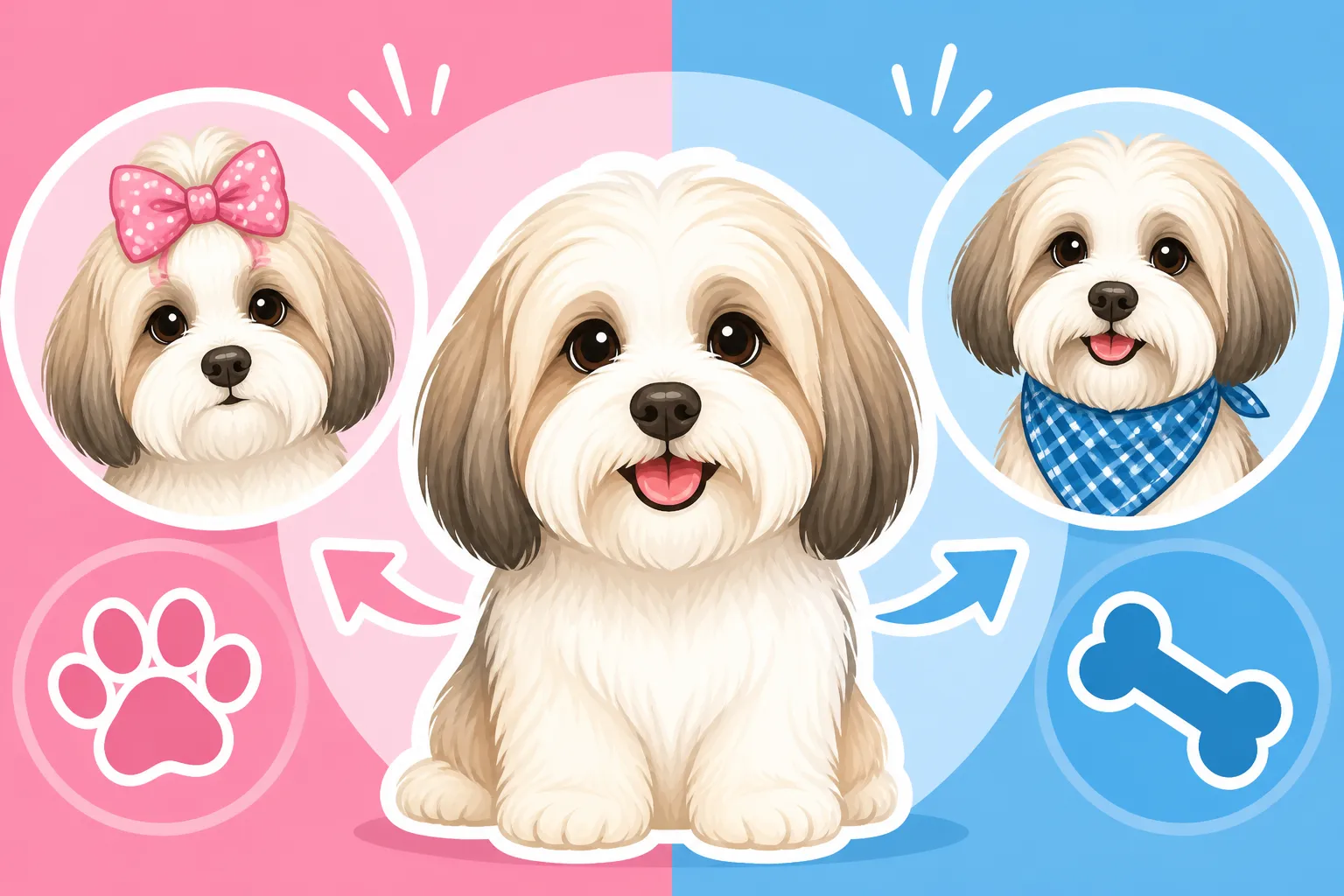
So, you've decided to manage that flowing topknot. Now comes the choice: bows or bands? Both serve the same fundamental purpose – to keep hair out of your Havanese's eyes – but they achieve it in different ways and come with their own set of pros and cons. It often comes down to personal preference, your dog's temperament, and even your lifestyle.
The Charm and Challenges of Havanese Bows
Bows are, without a doubt, the classic choice for a Havanese topknot. They add an undeniable touch of flair, personality, and often a dash of cuteness that many owners adore. You can find bows in every color, pattern, and material imaginable, making it easy to match your Havanese's personality or even your own outfit! Stores like Chewy and Amazon offer a dazzling array of options, from simple grosgrain bows to elaborate ones with rhinestones or tiny charms.
However, bows aren't without their challenges. They often come with an elastic band or a clip, and the elastic can sometimes be too tight or too loose. If it's too tight, it can pull on the hair and cause discomfort or breakage. If it's too loose, the bow will slip right out, usually after about five minutes of playful head-shaking. Some bows use small alligator clips, which can be easier to secure but might not hold as much hair, and could potentially pinch delicate skin if not applied carefully. They can also be a magnet for dirt and food, requiring frequent cleaning or replacement.
The Functionality and Ease of Topknot Bands
Topknot bands, often simple latex or silicone elastics, are the workhorses of Havanese hair management. They might not have the decorative charm of a bow, but they are incredibly practical and effective. These small, usually clear or black, bands are designed to securely hold hair in place without adding bulk or distraction. They are excellent for everyday use, especially if your Havanese leads an active life of sniffing, playing, and generally getting into adorable mischief.
The beauty of bands lies in their simplicity and grip. They don't typically slip out as easily as some bows, and because they are less ornate, they tend to get less dirty. They are also much more economical, making it less painful when your Havanese inevitably manages to lose one. Many professional groomers use these types of bands for holding topknots because they are reliable and less likely to cause irritation or pull on the hair if applied correctly. For dogs that might chew at a fancy bow, a simple band is often a safer and more durable choice. You can find large packs of these essential bands on Amazon or at local pet supply stores.
Choosing the Right Solution for Your Havanese
Deciding between a bow and a band, or even a combination of both, isn't a one-size-fits-all answer. It truly depends on your individual Havanese, your lifestyle, and what you both find most comfortable and manageable. Don't be afraid to experiment a little to find the perfect fit!
Factors to Consider: Lifestyle, Coat Type, and Temperament
When making your choice, think about your Havanese's daily life. Is your pup a couch potato who mostly cuddles, or are they an adventurous explorer who loves romping in the park? An active dog might do better with a sturdy, less decorative band that won't catch on branches or get pulled out during zoomies. A more sedate dog might handle a bow with more grace. Consider your own commitment too: are you willing to replace bows frequently, or do you prefer a "set it and forget it" approach with bands?
The texture and thickness of your Havanese's coat also play a role. Some Havanese have incredibly fine, silky hair that can slip out of anything, while others have a denser, slightly coarser coat that holds accessories better. If your Havanese's hair is particularly fine, you might need to use a very small, strong elastic band first, and then attach a bow over it for decoration. Also, think about your Havanese's personality. Is your dog prone to trying to chew off anything on their head? If so, a simple band is likely a safer bet. If your dog is a diva who loves to be primped and preened, they might just rock a fancy bow with pride! How Often a Havanese Must Be Brushed is a great resource for managing that coat.
Training Your Havanese to Accept Topknot Management
No matter if you choose a bow or a band, the key to success is getting your Havanese comfortable with the process. Start young, if possible, introducing the idea gradually. Make it a positive experience with lots of praise and high-value treats (like those from Ollie!). Begin by simply touching their head and face, rewarding calm behavior. Then, introduce the band or bow, letting them sniff it.
Next, try putting it in for just a few seconds, immediately removing it and giving a treat. Slowly increase the duration over days or weeks. Always be gentle, making sure not to pull their hair. If they resist, don't force it. Take a break and try again later. With patience and consistency, most Havanese will learn to tolerate, and some even enjoy, their daily topknot routine. It becomes just another part of their grooming regimen, much like a quick brush. Teaching a Havanese to Lie Still for Grooming offers more tips on this.
| Feature | Bows | Bands (Elastic/Silicone) |
|---|---|---|
| Purpose | Decorative, holds hair out of eyes | Primarily functional, holds hair out of eyes |
| Appearance | Wide variety of colors, patterns, materials, often ornate | Simple, often clear or black, less visible |
| Hold | Can vary; may slip if elastic is weak or too loose | Generally secure, good grip on hair |
| Comfort | Can pull if elastic is too tight, or if clip pinches | Minimal pulling if applied correctly |
| Durability | Can get dirty, chewable, might fray/break easily | More durable, less prone to dirt/chewing damage |
| Cost | Typically higher per item, especially fancy ones | Very economical, sold in large packs |
| Ease of Use | Can be trickier to secure perfectly without pulling | Straightforward to use, quick application |
| Best For | Special occasions, show dogs, calm dogs, fashion-forward owners | Everyday wear, active dogs, puppies, owners prioritizing function |
Beyond Bows and Bands: Other Topknot Management Tips
Even with the perfect bow or band, managing a Havanese's facial hair involves more than just popping an accessory on. It’s part of a holistic grooming approach that ensures their comfort and health. Don't forget that consistent care is truly what makes the biggest difference.
Professional Grooming for Eye-Area Maintenance
Regular professional grooming is a lifesaver for many Havanese owners, especially if you're not comfortable trimming around the eyes yourself. A good groomer can expertly trim the hair around your Havanese's eyes and on their muzzle to a manageable length. They understand the delicate nature of the area and can use specialized tools to do the job safely and effectively. Even if you love the long topknot look, a periodic trim of the very fine hairs that still try to creep into the inner corners of the eyes can make a world of difference.
Discuss with your groomer your preferred style – whether you want the topknot kept long for bows, or a neat "puppy cut" face that minimizes the need for accessories. They can also advise on the best products for your Havanese's coat type, from shampoos to detangling sprays, which you can often find at reputable pet retailers or online through platforms like Chewy. What a Havanese Puppy Cut Costs outlines one of the most popular clipping options.
Safe Removal and Care of Topknot Accessories
Putting a bow or band in is only half the battle; taking it out safely is just as important. Never yank a band or bow out of your Havanese's hair, as this can pull and damage the delicate coat. Instead, use a seam ripper or small, blunt-tipped scissors to carefully snip the elastic band. Always aim away from the hair and skin, ensuring you're only cutting the elastic. For clips, simply open the clip gently and slide it out.
After removal, give the area a gentle brush and check for any tangles or mats that might have formed underneath the accessory. The area where the topknot is gathered can be prone to matting if not brushed regularly. Keeping these accessories clean is also important. Fabric bows can be gently hand-washed, and elastic bands should be replaced frequently, especially if they start to lose their stretch or become gummy. Regular care will help keep your Havanese's coat healthy and prevent unnecessary discomfort. The Puppy Cut Most Havanese Owners End Up Choosing is a popular way to manage the coat, reducing the need for constant topknot accessories.
Ultimately, whether your Havanese needs a bow or a band depends entirely on how you choose to manage their coat. If you keep the hair around their eyes trimmed short, then no, you probably don't need one. But if you're embracing the longer, flowing Havanese look, then a bow or a band becomes a necessity for their comfort, health, and clear vision. It's a small effort that makes a big difference in their quality of life.
Disclaimer
This article is for general informational purposes only and does not constitute professional advice. Laws, prices and regulations vary by location and change over time. Consult a qualified professional for guidance on your specific situation.