The Meal Schedule a Havanese Puppy Needs
Bringing home a Havanese puppy is an incredibly joyful experience, but it also comes with a lot of questions, especially around feeding. Many new puppy parents feel overwhelmed trying to figure out how much, what, and when to feed their tiny furball, worried they might get it wrong and impact their little one's health. This comprehensive guide will walk you through everything you need to know about establishing the perfect meal schedule for your Havanese puppy, ensuring they grow into a healthy, happy companion.
The Unique Nutritional Needs of Your Growing Havanese Puppy
It's tempting to think that all dog food is created equal, but when it comes to puppies, especially a small breed like the Havanese, their dietary requirements are vastly different from an adult dog. Their bodies are little powerhouses of growth, building bones, muscles, and developing vital organs at an incredible pace. This rapid development demands a specific balance of nutrients that adult food simply cannot provide.
Why a Puppy's Diet Isn't Like an Adult's
Imagine trying to build a house with only half the necessary materials – that's what feeding an adult diet to a growing puppy would be like. Puppies need more protein to develop strong muscles, more fat for energy and healthy skin/coat, and a precise balance of calcium and phosphorus for bone growth. Too much or too little of these crucial elements can have lasting negative effects on their skeletal development and overall health. Their immune systems are also still maturing, requiring nutritional support to fend off illnesses.
Furthermore, a Havanese puppy's metabolism is much faster than an adult's. They burn through calories at an astonishing rate, meaning they need a constant, steady supply of energy throughout the day. This high metabolic rate, combined with their small stomach capacity, is precisely why a proper feeding schedule with multiple, smaller meals is so critical for their well-being. Without it, they can quickly run into energy deficits.
Beyond the raw numbers, a puppy's digestive system is also more sensitive. They are still adapting to solid food after weaning, and their gut flora is developing. This means they are more prone to upset stomachs if their diet is suddenly changed or if they consume foods that are too rich or difficult to digest. Gradual transitions and consistent, high-quality food are paramount during these formative months to ensure a healthy gut for life.
The Critical Role of Small Breed Puppy Formulas
Choosing the right food for your Havanese puppy isn't just about picking any "puppy food." Small breed puppies, in particular, benefit immensely from formulas specifically designed for their unique needs. These foods aren't just scaled-down versions of larger breed puppy kibble; they are formulated with distinct considerations in mind. The kibble size, for example, is much smaller, making it easier for tiny mouths to chew and digest, reducing the risk of choking or gulping too quickly.
More importantly, small breed puppy foods are often more calorie-dense. This means your Havanese gets all the necessary energy and nutrients in smaller portions, which is ideal for their tiny stomachs. They can't eat as much volume as a larger puppy in one sitting, so every bite needs to pack a nutritional punch. Brands often balance these foods to support fast growth without encouraging unhealthy weight gain, a delicate balance for rapidly developing small dogs. For a great selection, you can often find a variety of small breed puppy foods from reputable manufacturers on platforms like Chewy, allowing you to compare options and read reviews from other Havanese owners.
These specialized formulas also often contain added ingredients beneficial for small breeds, such as DHA for brain and eye development, and prebiotics/probiotics for digestive health. Given how fragile their systems can be, investing in a high-quality small breed puppy food from the start is one of the best decisions you can make. It lays the groundwork for a robust adult dog and helps prevent many common health issues down the line. You might also want to read Whether a Havanese Needs Small Breed Kibble for more details on this topic.
Preventing Hypoglycemia: A Tiny Breed Concern
One of the most serious risks for tiny puppies, including your Havanese, is hypoglycemia, or dangerously low blood sugar. Because of their small body mass and high metabolic rate, Havanese puppies don't have large energy reserves. If they go too long without eating, their blood sugar levels can drop rapidly, leading to serious health complications. This is a very real concern, especially in the first few weeks after they come home.
Symptoms of hypoglycemia can include lethargy, weakness, wobbling, trembling, disorientation, and in severe cases, seizures or unconsciousness. It's a scary situation for any puppy parent to witness, and swift action is crucial. Providing a consistent feeding schedule is your primary defense against this condition. Frequent, small meals keep their blood sugar stable throughout the day and night. This is also why many breeders recommend offering a small snack right before bedtime for very young puppies.
If you suspect your Havanese puppy is experiencing hypoglycemia, you can try rubbing a small amount of honey or corn syrup on their gums to provide an immediate glucose boost, then contact your veterinarian right away. Don't force them to eat solid food if they are very weak or unresponsive. Understanding and proactively managing your puppy's feeding schedule is truly a lifesaver, ensuring they get the continuous energy they need to thrive and grow without fear of sudden blood sugar dips. You can explore Whether a Havanese Puppy Drops Its Blood Sugar for more information.
Crafting the Ideal Daily Meal Schedule for Your Havanese Puppy
Establishing a routine for your Havanese puppy's meals is one of the most important things you'll do in their early life. It provides stability, aids in housetraining, and most importantly, ensures their rapid growth and development are supported. The "how much" will always depend on the specific food you choose and your puppy's individual metabolism, but the "how often" has some pretty standard guidelines.
Eight Weeks to Four Months: Frequent, Small Meals
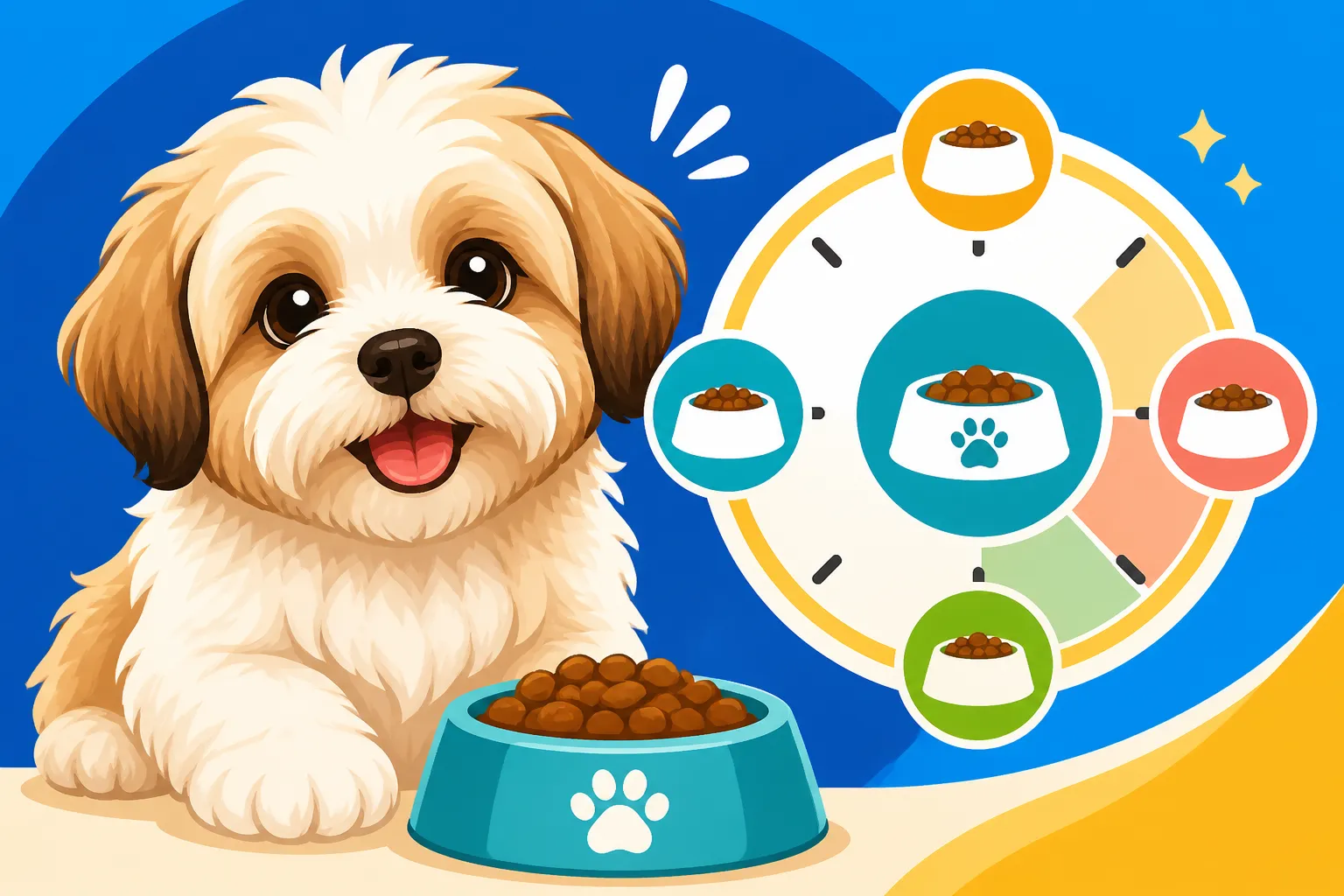
When you first bring your Havanese puppy home, typically around eight to ten weeks of age, they are still very small and have incredibly high energy demands coupled with tiny stomachs. During this critical period, your puppy will need to eat three to four times a day. This might sound like a lot, but remember, these are small portions spread out to keep their blood sugar stable and provide a continuous fuel supply for growth.
A typical schedule might look something like breakfast, lunch, dinner, and a small snack before bed. For example, 7 AM, 12 PM, 5 PM, and a tiny bite at 9 PM. Always refer to the feeding guidelines on your specific puppy food bag, as they usually provide an estimated daily amount based on age and anticipated adult weight. You'll then divide that total daily amount by three or four to get individual meal portions. Consistency is paramount here; try to stick to roughly the same times each day to help their digestive system and establish a predictable routine for everything, including potty breaks. This structured approach is a cornerstone of The First Year With a Havanese Puppy.
These early weeks are also when your puppy is adjusting to a new environment, which can be stressful. Sticking to the same food the breeder was using for at least the first week or two is highly recommended to avoid stomach upset. If you plan to switch foods, do so very gradually over 7-10 days, mixing increasing amounts of the new food with decreasing amounts of the old. Your Havanese puppy will quickly learn to anticipate meal times, which can also be a fantastic tool for early training and bonding.
Four to Six Months: Gradual Transition and Monitoring
As your Havanese puppy reaches four to six months of age, you might start to notice a slight shift in their energy levels, or perhaps their appetite seems less voracious at certain meals. This is often a good time to consider transitioning from four meals a day down to three meals a day. Their stomachs are a bit larger, and their systems are becoming more efficient at processing food, so they can handle slightly longer stretches between meals without the risk of hypoglycemia.
When making this transition, keep an eye on your puppy's energy levels, appetite, and stool quality. If they seem ravenous between meals or their energy dips, you might want to stick with four meals a bit longer. Again, consult the feeding guide on your food bag and adjust portions accordingly for three meals. This period is also often when teething is in full swing, and you might notice them being a little more finicky or wanting to chew on things. Ensure they have appropriate chew toys, which can also distract them between meals.
It's also a good idea during this stage to start regular weigh-ins and body condition checks. You should be able to easily feel your puppy's ribs without seeing them, and they should have a discernible waist when viewed from above. If they're starting to look a little pudgy, you might need to slightly reduce portion sizes, always while ensuring they get adequate nutrition. If you're concerned about Dental Crowding in a Havanese Mouth during this period, discuss it with your vet, as retained baby teeth can sometimes interfere with eating comfort.
Six Months to One Year: Preparing for Adult Food
By the time your Havanese puppy reaches six months of age, they are well on their way to physical maturity, though they'll continue to fill out and develop. At this stage, many Havanese puppies can comfortably transition to two meals a day, much like an adult dog. This generally involves a breakfast and a dinner meal, still spaced out consistently. Some owners might choose to keep three meals if their dog thrives on it, but two is typically sufficient for most Havanese by this point.
This phase also brings the big decision of when to switch from puppy food to adult dog food. For small breeds like the Havanese, this typically happens between 9 to 12 months of age, when they have reached about 90% of their adult size. Puppy food is richer in calories and specific nutrients for growth, and continuing it for too long can lead to obesity or orthopedic issues if their growth plates have closed. Your veterinarian can offer guidance based on your individual puppy's development. You can also review When a Havanese Moves to Adult Food for more details.
The transition from puppy to adult food should, like all diet changes, be done gradually over 7-10 days to avoid digestive upset. Start by mixing 75% puppy food with 25% adult food, slowly increasing the adult food percentage each day. Continue to monitor their weight and body condition closely. As their growth slows, their caloric needs will decrease, so it's vital to adjust their food intake to prevent them from becoming overweight. A healthy weight is crucial for their joint health and overall longevity.
Common Feeding Challenges and Solutions for Havanese Puppies
Even with the best intentions and a perfectly planned schedule, sometimes our little Havanese throw us a curveball. Puppies can be finicky eaters, sometimes they skip meals, and occasionally, they might show signs of digestive upset. It's all part of the puppy parenting journey, and understanding how to navigate these challenges calmly can save you a lot of worry.
Navigating a Picky Eater
Havanese are known for their charming personalities, and sometimes that charm extends to their mealtime preferences. It's not uncommon for a Havanese puppy to be a bit of a picky eater. They might turn their nose up at their kibble one day, or show disinterest in a food they devoured the day before. The first step is to rule out any underlying health issues with a vet check, especially if pickiness is a new behavior. If they're otherwise healthy and active, it's likely just a case of "Havanese haute cuisine."
One common mistake owners make is immediately switching foods or adding tempting human food when a puppy is being picky. This can quickly teach your Havanese that if they hold out long enough, something better will come along, reinforcing the picky behavior. Instead, try offering the food for 15-20 minutes. If they don't eat, pick it up and offer it again at the next scheduled mealtime. Most healthy puppies won't starve themselves, and hunger is a great motivator. Consistency is your best friend here.
If the pickiness persists, and your vet gives the all-clear, you can try making their existing food more appealing. A little warm water or low-sodium broth mixed into the kibble can release aromas and make it more palatable. Some owners find success with freeze-dried meal toppers or a small amount of high-quality wet food mixed in. You can find many such toppers and gourmet options on sites like Chewy or Amazon. Just be mindful of added calories and ensure any additions are appropriate for puppies. For more insights, refer to Whether a Havanese Is a Picky Eater.
Dealing with Mealtime Refusals and Loss of Appetite
A complete refusal to eat, especially if it's accompanied by other symptoms, is different from just being picky and warrants more attention. If your Havanese puppy suddenly stops eating for more than one meal, appears lethargic, is vomiting, or has diarrhea, it's time for a call to the vet. Puppies, especially small ones, can dehydrate and become weak very quickly, so don't delay.
Sometimes, a temporary loss of appetite can be due to stress, a change in environment, or even just mild nausea from car sickness or too much excitement. A new toy or visitor might make them too distracted to eat. In these cases, offering a bland diet for a short period, like boiled chicken and plain white rice (vet-approved proportions), might entice them to eat. However, this should only be a temporary measure.
Ensure their feeding area is quiet and free from distractions. If you have other pets, feed them separately to prevent competition or intimidation. If your Havanese is being very stubborn about eating their kibble but otherwise seems fine, you might also consider exploring fresh dog food options. Brands like Ollie offer customized meal plans with human-grade ingredients that can sometimes tempt even the most reluctant eaters. However, always introduce new foods slowly.
Recognising and Responding to Digestive Upset
Digestive upset is a common concern for puppy parents, and Havanese puppies are no exception. Vomiting and diarrhea can be alarming, but it's important to differentiate between minor issues and those that require immediate veterinary attention. A single episode of vomiting or loose stool might be due to eating something they shouldn't have, over-excitement, or a slight dietary change. However, persistent vomiting or diarrhea, especially if it's bloody, watery, or accompanied by lethargy, pain, or fever, is a serious emergency.
For mild, isolated incidents, you can often offer a bland diet (boiled chicken and white rice) for a day or two, along with plenty of fresh water. Make sure the chicken is skinless and boneless, and the rice is plain. Introduce the bland diet in small, frequent amounts. Once symptoms resolve, gradually reintroduce their regular puppy food over several days. You can often find vet-recommended bland diet ingredients or gentle digestive aids on online pet supply stores.
Always provide constant access to fresh water. Dehydration is a significant risk with digestive upset. You might also want to discuss probiotics with your vet, as these can help support a healthy gut microbiome and aid recovery. If you're ever in doubt, or if your puppy isn't improving, always err on the side of caution and consult your veterinarian. They can accurately diagnose the issue and recommend appropriate treatment to get your little Havanese feeling better.
Beyond Food Bowls: Water, Treats, and Lifelong Healthy Habits
While the meal schedule is undoubtedly a cornerstone of your Havanese puppy's health, it's just one piece of the puzzle. What they drink, how they snack, and the overall habits you instill now will impact their well-being for their entire life. Setting up good routines from day one helps foster a happy and healthy companion for years to come.
The Ever-Important Role of Fresh Water
Food gets a lot of attention, but fresh, clean water is just as, if not more, vital for your Havanese puppy. Dehydration can be incredibly dangerous for small dogs. Your puppy should have constant access to fresh water throughout the day. This means multiple water bowls strategically placed around the house, especially near their eating area, crate, and play areas.
Change the water frequently, at least twice a day, and wash the bowls regularly to prevent bacterial growth. The type of bowl can matter too; ceramic or stainless steel bowls are often preferred over plastic, which can harbor bacteria more easily and sometimes cause chin acne. Some Havanese might prefer a raised bowl, which can be more comfortable for them to drink from without bending too far down.
During warmer weather or after playtime, your puppy's water intake will naturally increase. Always be mindful of their hydration, and if you notice excessive thirst or decreased urination, consult your vet immediately. Proper hydration supports every bodily function, from digestion to temperature regulation, making it a non-negotiable part of your Havanese puppy's daily care.
Smart Snacking: Choosing the Right Treats
Treats are an invaluable tool for training and bonding with your Havanese puppy, but they can quickly add unwanted calories if not managed correctly. Remember, your Havanese is tiny, and even a small treat can represent a significant portion of their daily caloric intake. The key is smart snacking.
Opt for small, soft, low-calorie training treats that can be easily broken into even smaller pieces. A single treat from the package might be too much for a Havanese puppy, so breaking it into two or three tiny morsels allows for more repetitions during training without overfeeding. Freeze-dried meat treats or small pieces of cooked carrot or green bean (vet-approved, no seasoning) can also be excellent, healthy options. You can find a wide range of suitable training treats on Chewy or Amazon. Consider Treats That Suit a Havanese in Training for specific ideas.
Always factor treats into your puppy's daily food allowance. If you're giving a lot of treats during a training session, slightly reduce their meal portion to maintain a healthy caloric balance. Avoid giving human table scraps, as many human foods are too rich, fatty, or even toxic for dogs, and can lead to digestive upset or reinforce begging behavior. For further reading, check out Whether a Havanese Begs at the Table. Establishing good treat habits now will prevent weight issues and picky eating down the road.
Laying the Foundation for a Healthy Adult Life
The feeding habits you establish during your Havanese's puppyhood will significantly influence their health and well-being as an adult. Consistency in meal times, appropriate portion control, and choosing high-quality food are not just for puppies; they are lifelong habits. By instilling these routines early, you're setting your Havanese up for a long, healthy life.
Regular vet check-ups are also crucial throughout your dog's life, especially as they transition from puppy to adult, and then to senior status. Your vet can advise on ideal weight, appropriate food choices for different life stages, and address any nutritional concerns. Remember that a Havanese, like many small breeds, can be prone to certain health conditions that diet and weight management can impact, such as joint issues or heart conditions. Keeping your Havanese at a lean, healthy weight is one of the best preventative measures you can take. For guidance on this, see Whether a Havanese Should Be Kept Slim for Its Joints.
As they age, their caloric needs will change again, and you might need to adjust their food, perhaps moving to a senior-specific formula. The bond you build over shared meal times and the care you put into their nutrition in these early months will contribute to a contented and thriving Havanese companion for many years.
| Age of Havanese Puppy | Number of Meals Per Day | Key Considerations |
|---|---|---|
| 8 Weeks – 4 Months | 3-4 Meals | High metabolic rate, tiny stomach, prevent hypoglycemia, consistency is vital. |
| 4 Months – 6 Months | 3 Meals | Growing stamina, developing digestive system, monitor for retained teeth. |
| 6 Months – 1 Year | 2 Meals | Nearing adult size, preparing for adult food transition. |
| 1 Year + | 2 Meals | Adult diet, focus on maintaining ideal weight. |
Disclaimer
This article is for general informational purposes only and does not constitute professional advice. Laws, prices and regulations vary by location and change over time. Consult a qualified professional for guidance on your specific situation.