Whether the Havanese Was Ever a Working Dog
It’s a natural question to ask when you look at your charming, fluffy Havanese, nestled comfortably on the couch or prancing around the living room like a little circus performer: was this breed ever meant for anything more than being a delightful companion? It's easy to assume they were always the pampered darlings they are today, but understanding their historical role helps us appreciate their true nature and meet their needs effectively. This guide dives deep into the Havanese's past to uncover if they truly ever held a "working" title.
The Historical Context of the Havanese in Cuba
When we talk about the Havanese, we're talking about a breed with a rather unique origin story. Unlike many breeds developed for specific tasks like hunting, herding, or guarding, the Havanese lineage points firmly towards a different kind of purpose: companionship and entertainment.
The Blanquito de la Habana and Its Role
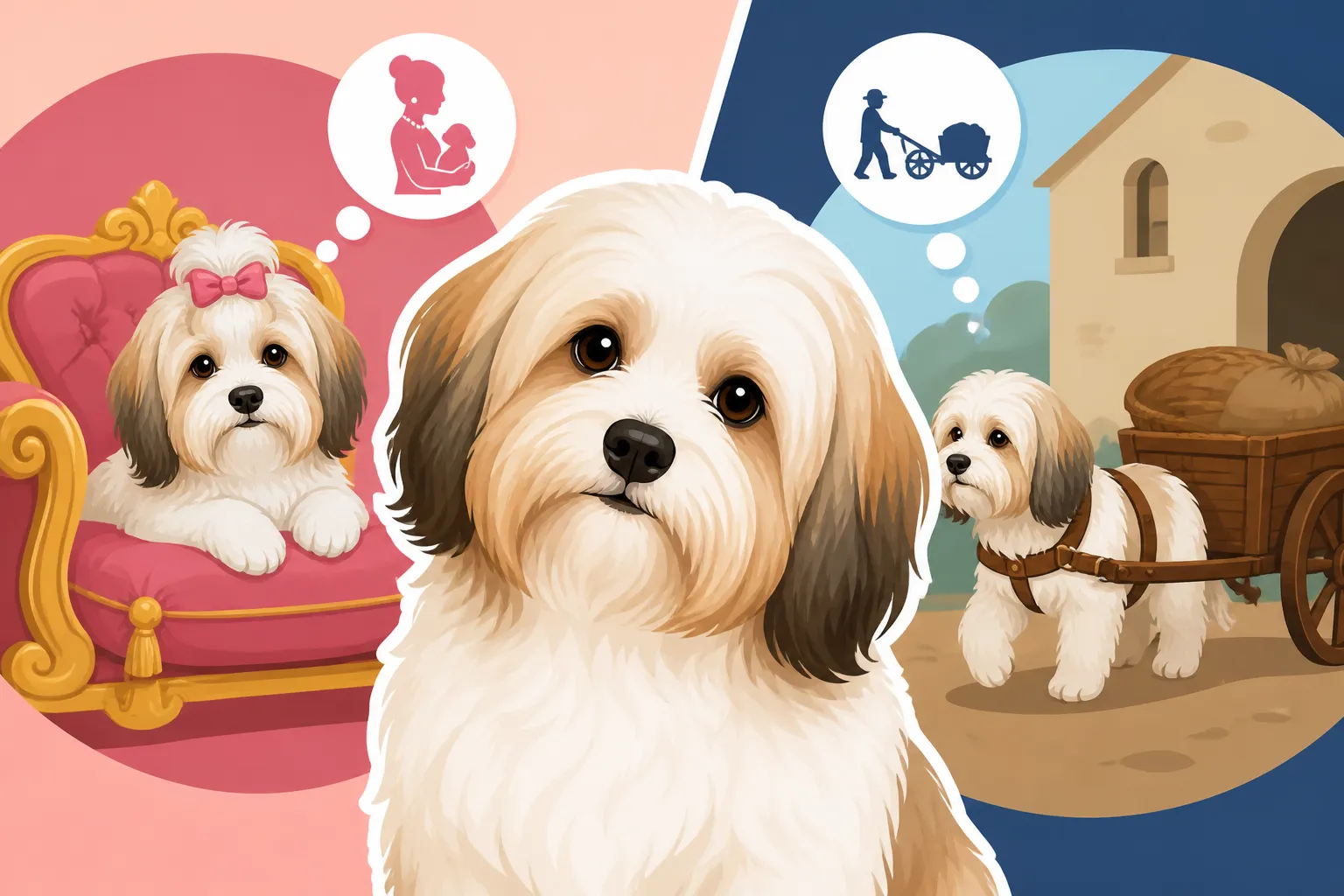
The Havanese descends from a group of small white dogs known as the "Blanquito de la Habana," which arrived in Cuba with Spanish traders and settlers centuries ago. These dogs were essentially the lapdogs of the emerging Cuban aristocracy. Think of lavish colonial estates, elegant ladies strolling through courtyards, and these small, charming dogs as their constant shadows. Their primary function was to offer affection, amusement, and a touch of aristocratic flair. They were not out in the fields, protecting livestock, or retrieving game from dense undergrowth. Their delicate build, long flowing coats, and amiable dispositions simply weren't suited for such rigorous demands. They were bred for comfort and companionship, a role they excelled at. You can learn more about their ancestors in The Blanquito de la Habana the Havanese Came From.
Their lives revolved around their human families, providing emotional support and a touch of luxury. This set a foundational temperament for the Havanese we know today – deeply attached, eager to please, and utterly devoted to their people. They truly were the original "velcro dogs," a trait that is still very much alive and well in the breed.
From Lapdog to Luxury Item
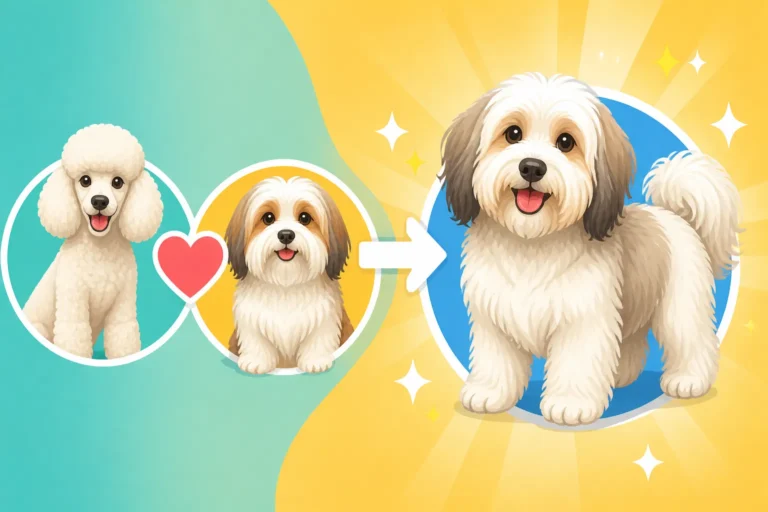
Over time, as Cuba's interactions with Europe continued, more breeds were introduced, particularly poodles. These crossings further refined the Havanese, contributing to their diverse color palette and, in some cases, adding to their innate cleverness and trainability for tricks. This period saw the Havanese solidify its place not just as a companion but as a highly valued luxury item and even a diplomatic gift. The Havanese Is the Only Breed Cuba Ever Produced highlights their unique standing.
Wealthy Cuban families would often showcase their Havanese, not for their ability to perform any utilitarian task, but for their beauty, their charming antics, and their status as a symbol of prosperity. They were paraded, pampered, and cherished. This historical trajectory meant that the idea of a Havanese performing traditional "work" was far from their breeders' minds. Their job was to be delightful and to enrich the lives of their human companions, a demanding task in its own right if you ask any Havanese owner! Whether the Havanese Was a Dog of the Cuban Aristocracy delves deeper into their aristocratic past.
"Working Dog" in the Havanese Sense
When we categorize dogs as "working breeds," we typically think of breeds like German Shepherds, Border Collies, or Labrador Retrievers – dogs with strong instincts for herding, guarding, or retrieving. The Havanese, however, doesn't fit into these traditional definitions.
Not a Traditional Working Dog
It’s crucial to understand that a Havanese was never intended to be a guard dog, a hunting partner, or a livestock herder. Their compact size, often weighing between 7 to 13 pounds, and their inherently friendly, non-aggressive nature make them unsuitable for roles requiring physical intimidation, sustained endurance, or independent decision-making in challenging environments. If you’re looking for a dog to patrol your property or track game, a Havanese simply isn't the right fit, and it would be unfair to ask that of them. Their instincts guide them towards human interaction, not towards tasks that require distance or detachment.
Furthermore, their beautiful, long, flowing coat, while stunning, would be a massive hindrance in rough terrain, prone to matting and picking up debris. This further underscores their origins as indoor companions rather than outdoor workers. They were bred to share your home, your lap, and your life, not to manage a flock of sheep or guard a farm from predators.
The "Circus Dog Brain" and Performance
While not traditional working dogs, Havanese possess an incredible intelligence and an eagerness to please that gave them a very different kind of "job" in their history: performers. They are incredibly quick learners, with a playful spirit and a natural aptitude for tricks. In fact, they were quite famous for performing in circuses and for entertaining guests in noble households. This is where the term "circus dog brain" comes from, and it’s a trait that endures today.
Their ability to learn complex sequences, their agile movements, and their charismatic personalities made them natural entertainers. They would "work" for applause, attention, and the sheer joy of interacting with their human audience. This isn't the same as retrieving ducks, but it certainly required skill, dedication, and a bright mind. Many Havanese owners today still marvel at how quickly their dogs pick up new commands and tricks. For more on this, check out The Circus Dog Brain Inside a Havanese and Teaching a Havanese Tricks It Will Perform All Day. Their innate desire to engage and entertain makes them wonderful candidates for dog sports like obedience, rally, and even agility, where their intelligence and agility shine.
Modern "Work": Therapy and Assistance Roles
In contemporary society, the Havanese has found a new kind of "working" niche that perfectly aligns with their historical temperament: therapy and assistance roles. Their inherent friendliness, gentle demeanor, and deep connection with humans make them exceptional therapy dogs. They provide comfort, joy, and emotional support to people in hospitals, nursing homes, and schools. Their presence can bring a smile to anyone's face, calm anxieties, and offer a quiet, comforting presence.
Beyond therapy, some Havanese are successfully trained as service dogs, particularly for tasks that involve alerting their handlers to specific sounds or medical changes, or providing deep pressure therapy. While they may not guide the blind or pull wheelchairs, their keen senses and unwavering devotion allow them to perform vital tasks that enhance their owner's quality of life. This modern "work" perfectly leverages their affectionate nature and intelligence. If you're curious about this, read Whether a Havanese Makes a Therapy Dog and Whether a Havanese Can Be a Service Dog. Many owners find that incorporating interactive toys and engaging treats, easily sourced from online retailers like Chewy, helps keep their Havanese mentally stimulated for these important roles.
Why the Distinction Matters for Havanese Owners
Understanding the historical context of your Havanese can profoundly impact how you care for them and what you expect from them. It's about respecting their breed's inherent nature.
Temperament and Needs Reflect Ancestry
Because Havanese were bred for companionship above all else, their greatest need is to be with their people. They thrive on interaction and can develop separation anxiety if left alone for extended periods. This isn't a flaw in their character; it's a direct result of centuries of selective breeding for a devoted lapdog. They literally exist to be by your side. Recognizing this means prioritizing their inclusion in family activities and providing ample attention. If you find your Havanese struggling when you leave, our article The Havanese That Cannot Be Left Alone offers valuable insights.
Their exercise needs are moderate compared to, say, a Labrador. A couple of daily walks, some indoor play, and mental stimulation through training and puzzle toys are usually sufficient. They don't need to run miles or have a job to do in the traditional sense. Their "job" is to be your loving companion, and that's a full-time position for them. They love a good game of fetch in the living room just as much, if not more, than a long hike. What they truly need is engagement and affection, which you can easily find toys and enrichment activities for on platforms like Chewy.
Managing Expectations
It's important not to try to mold your Havanese into something they're not. Don't expect them to be a fearless guard dog or a tireless outdoor adventurer. Embrace their sweet, charming, and sometimes comical personality. They are the ultimate indoor companion, perfectly suited for apartment living or homes with smaller yards. Their true joy comes from being an integral part of your family, sharing your space, and offering unconditional affection.
Their enthusiastic greetings and playful antics are part of their charm, not an indication that they need a more rigorous "job." Instead, channel their intelligence into fun training sessions, learn new tricks together, or explore therapy dog certifications if that interests you both. They excel at anything that involves positive human interaction and showcases their cleverness. For a glimpse into the ideal environment for these wonderful dogs, consider The Household a Havanese Was Bred For.
Health and Structure
The Havanese's physical structure reflects their history as a companion dog, not a working one. Their small size and relatively delicate bone structure mean they aren't built for high-impact activities or tasks that put undue strain on their joints. While they are generally a robust little breed for their size, as discussed in Why the Havanese Is a Healthy Toy Breed Anyway, owners should still be mindful of protecting their backs and knees. This means preventing excessive jumping off high furniture, using steps or ramps, and ensuring their weight is kept healthy.
Their long coats, while beautiful, require significant grooming to prevent matting, a task that needs to be factored into their care. This, again, points to a life of indoor comfort rather than outdoor ruggedness. Understanding these physical considerations helps you provide a safe and healthy environment for your Havanese, allowing them to thrive in their role as your beloved companion.
Here’s a quick comparison of traditional working dogs versus the Havanese:
| Feature | Traditional Working Dog (e.g., German Shepherd) | Havanese (Companion/Performance Dog) |
|---|---|---|
| Primary Purpose | Herding, guarding, hunting, retrieving | Companionship, entertainment, emotional support |
| Physical Build | Robust, athletic, strong, often larger | Small, delicate, agile, designed for indoor comfort |
| Temperament | Independent, driven, protective, task-focused | Affectionate, dependent, eager to please, people-oriented |
| Coat Type | Often weather-resistant, practical for outdoors | Long, silky, high-maintenance, designed for aesthetics |
| Exercise Needs | High, requires strenuous physical activity | Moderate, thrives on play and walks with family |
| Mental Stimulation | Needs complex tasks, problem-solving | Thrives on interaction, trick training, social engagement |
| Suitability for Alone Time | Can tolerate more independence | Prone to separation anxiety, needs constant companionship |
| Modern "Work" | Police, military, search & rescue | Therapy, emotional support, minor assistance tasks |
Disclaimer
This article is for general informational purposes only and does not constitute professional advice. Laws, prices and regulations vary by location and change over time. Consult a qualified professional for guidance on your specific situation.