The Heart Murmur an Older Havanese Develops
One of the most heart-wrenching concerns for any Havanese parent is seeing their beloved companion start to slow down, perhaps develop a persistent cough, or just not be themselves. It's especially unsettling when these changes signal something deeper, like a heart condition. This comprehensive guide is here to walk you through everything you need to know about heart murmurs in older Havanese, offering clarity on what they mean, how they're diagnosed, and the best ways to keep your furry friend comfortable and happy for as long as possible.
Understanding Heart Murmurs in Our Senior Havanese
Finding out your older Havanese has a heart murmur can be quite alarming. It's a phrase that conjures up images of serious illness, but in reality, a heart murmur is simply a sound, and its significance can vary widely. Understanding what a murmur truly means is the first step in addressing your concerns and providing the best care for your senior companion.
What Exactly Is a Heart Murmur?
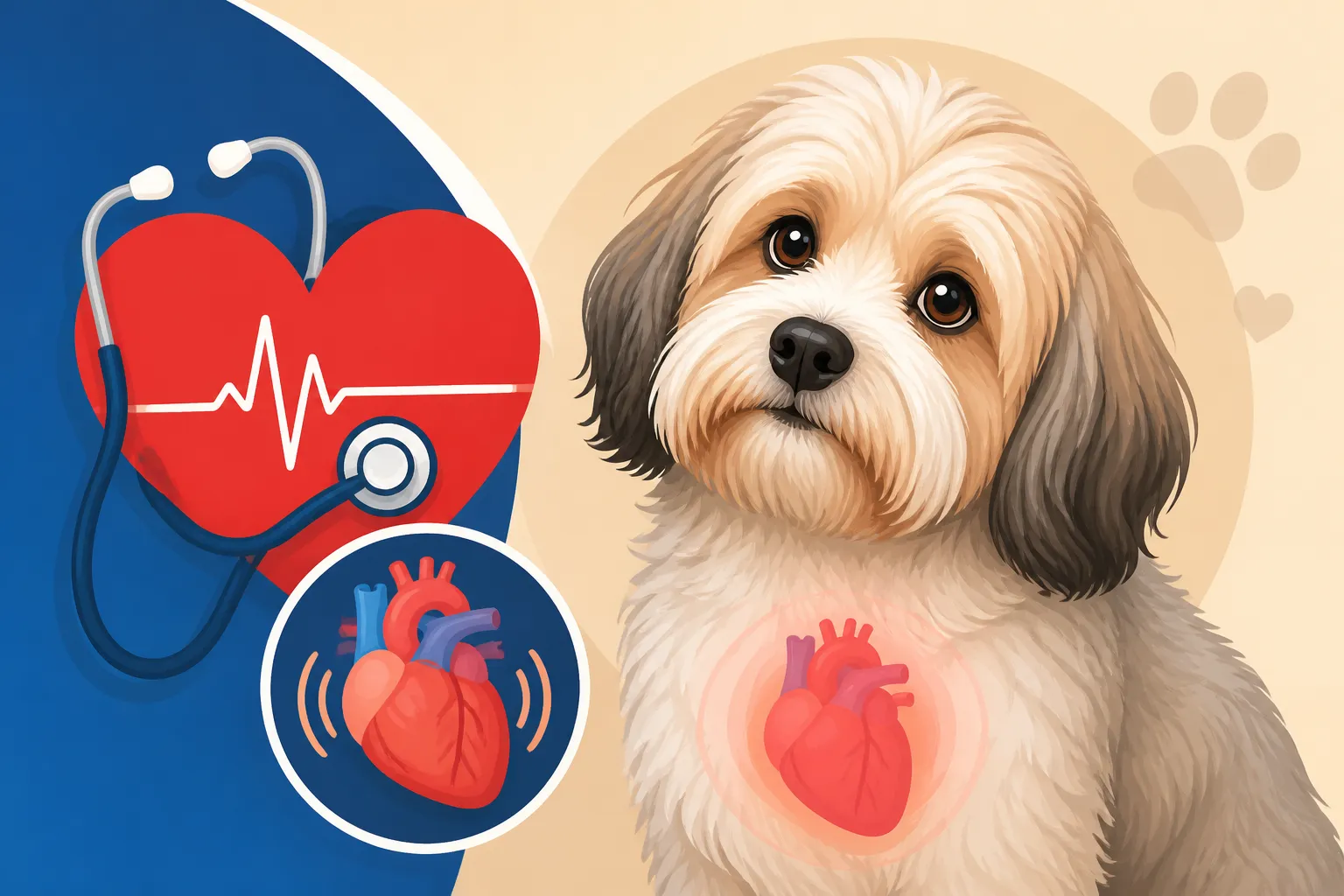
When your veterinarian listens to your Havanese's chest with a stethoscope, they're listening for the "lub-dub" rhythm of a healthy heart. A heart murmur is an extra or unusual sound heard during this process. It's caused by turbulent blood flow within the heart or great vessels, rather than the smooth, laminar flow that should be there. Think of it like a river: normally, water flows smoothly, but if there's an obstruction or a change in the riverbed, the water becomes turbulent and creates a rushing sound. Similarly, within the heart, if a valve isn't closing properly, or if there's a narrowing or widening of a vessel, blood flow can become chaotic, producing that distinctive murmur sound.
It's important to remember that a murmur itself isn't a disease; it's a sign that something might be amiss with the heart's structure or function. Sometimes, especially in younger dogs, murmurs can be "innocent" or "physiologic," meaning they don't indicate an underlying heart problem and resolve on their own. However, in older Havanese, a newly detected murmur almost always warrants further investigation because it's far more likely to signify an age-related cardiac condition. This initial distinction is crucial, as it guides the subsequent diagnostic steps and treatment plans.
Why Older Havanese Are Prone to Murmurs
Havanese, like many small and toy breeds, are unfortunately predisposed to certain heart conditions as they age. One of the most common reasons an older Havanese develops a heart murmur is due to a degenerative condition affecting the heart valves. Over time, these delicate structures can thicken and become less efficient at sealing tightly, allowing blood to leak backward. This leakage creates the turbulent blood flow that your vet hears as a murmur.
The small size of Havanese means their hearts are working harder in a smaller cavity, and the constant stress of beating throughout their relatively long lifespans can take a toll. Genetics also play a significant role. If your Havanese comes from a line with a history of heart disease, their risk of developing a murmur in their senior years increases. This predisposition is something responsible breeders try to screen for, but it can still manifest as dogs age. It's just a part of their genetic tapestry that, while endearing in many ways, also comes with its own unique set of health challenges, and heart issues are definitely on that list. Understanding this breed-specific vulnerability helps us be more vigilant as our Havanese companions enter their golden years.
Grading the Murmur
When your vet detects a heart murmur, they won't just tell you there's a murmur; they'll often give it a grade. This grading system is a numerical scale, typically from I to VI (1 to 6), and it describes the intensity or loudness of the murmur. It’s a bit like a volume control, and it gives us an initial idea of how significant the turbulent blood flow might be.
- Grade I: This is a very soft murmur, sometimes barely audible, and often requires a quiet room and careful listening to detect. It might be intermittent.
- Grade II: Still soft, but consistently audible. It's easier for the vet to hear than a Grade I.
- Grade III: A moderately loud murmur, easily heard with the stethoscope, and usually involves a larger area of the chest.
- Grade IV: A loud murmur that can be heard over a wide area and often has a palpable "thrill" – a vibration you can feel on the chest wall.
- Grade V: Very loud, with a prominent thrill, audible even with the stethoscope slightly off the chest wall.
- Grade VI: The loudest possible murmur, with a thrill so strong it can be heard even when the stethoscope is completely removed from the chest.
While a higher grade often corresponds to a more severe underlying heart condition, it's not always a perfect correlation. A soft murmur can sometimes indicate a significant problem, and a loud one isn't always immediately life-threatening. The grade is one piece of the puzzle, but it’s crucial information that helps your vet decide on the next steps, which typically involve further diagnostic tests to pinpoint the exact cause and assess the heart's function.
The Most Common Culprit: Mitral Valve Disease (MVD)
When we talk about heart murmurs in older Havanese, one condition stands out as the predominant cause: Mitral Valve Disease, often abbreviated as MVD. If your vet suspects a heart problem in your senior Havanese, MVD is usually the first thing they'll be looking to confirm or rule out. It's an incredibly common condition in small breeds and is often the reason for the heart murmur you might hear.
How MVD Develops in Havanese
Mitral Valve Disease in Havanese, and other small breeds, typically involves a gradual degeneration of the mitral valve. This valve is a crucial component located on the left side of the heart, between the left atrium and the left ventricle. Its job is to ensure that blood flows in only one direction – from the atrium to the ventricle – preventing it from flowing backward when the ventricle contracts to pump blood to the body.
Over the years, for reasons often linked to genetics and age, the leaflets of the mitral valve begin to thicken and become less flexible. They might also become nodular or prolapse (bulge) slightly. As this degeneration progresses, the valve can no longer close tightly. When the left ventricle contracts, instead of all the blood being pushed forward into the aorta (and out to the body), some blood leaks backward into the left atrium. This backward leakage is called regurgitation, and it's this turbulent backflow of blood that creates the distinctive whooshing sound your veterinarian hears as a heart murmur. The severity of the leak often correlates with the loudness of the murmur, although not always precisely. This process is usually slow and insidious, often developing over many years before it becomes clinically significant.
The Silent Start of MVD
One of the most frustrating aspects of Mitral Valve Disease is its silent progression in the early stages. For a long time, sometimes years, your Havanese might have a developing MVD with an audible heart murmur, but show absolutely no outward symptoms. They'll continue to play, eat, and act like their usual happy selves, which can make a diagnosis feel like it comes out of nowhere. This is why regular veterinary check-ups are so incredibly vital, especially as your Havanese ages.
During these routine exams, your vet listens to the heart carefully, and detecting a murmur when your dog is still feeling perfectly fine is often the first, and only, indication that MVD is beginning to take hold. While it might be alarming to hear, an early diagnosis before symptoms appear is actually a huge advantage. It allows your vet to establish a baseline, monitor the progression, and potentially intervene with medication at the optimal time to delay the onset of clinical signs and improve the overall quality of life. This proactive approach can make a world of difference. Many pet insurance providers, like Healthy Paws, emphasize wellness checks partly for this reason – catching these silent issues early can save a lot of heartache (and expense) down the line.
Progressive Nature of the Disease
Mitral Valve Disease is, unfortunately, a progressive condition. This means it tends to worsen over time, albeit at varying rates for different dogs. The backward flow of blood, or regurgitation, forces the heart to work harder. The left atrium and ventricle have to compensate by enlarging and trying to pump more forcefully to get enough blood out to the body. Initially, the heart is quite good at compensating for this inefficiency.
However, as the valve continues to degenerate and the leakage becomes more severe, the heart eventually becomes overwhelmed. The increased pressure in the left atrium can lead to fluid buildup in the lungs, a condition known as pulmonary edema, which is a hallmark of congestive heart failure. This is when you typically start to see more pronounced symptoms in your Havanese, such as coughing, difficulty breathing, and exercise intolerance. Understanding that MVD is a journey, not a single event, allows you and your vet to establish a long-term management plan. Regular follow-up appointments, often including repeat echocardiograms to assess the heart's structure and function, are crucial for monitoring this progression and adjusting treatment as needed to maintain your Havanese's comfort and health. For more on the specifics of how the disease can develop, you might find information on The Heart Murmur an Older Havanese Develops helpful, as it delves deeper into the progression.
Recognizing the Subtle Signs of Heart Trouble
It's easy to dismiss subtle changes in an older dog as "just old age," but for Havanese with a developing heart murmur, these seemingly minor shifts can be critical indicators of worsening heart disease. As their hearts struggle to keep up, your observant eye becomes one of your Havanese’s best allies.
Changes in Energy Levels and Stamina
One of the earliest and most common signs that a heart murmur might be progressing to something more serious is a noticeable change in your Havanese's energy levels and stamina. Remember how they used to bound around, eager for a walk or a game of fetch? Now, you might see them less interested in these activities. They might tire more quickly during walks, seem reluctant to play, or spend more time sleeping than usual. What once was an enthusiastic greeting at the door might now be a slow wag of the tail from their bed.
This isn't just about "getting old" – it's often because their heart isn't pumping enough oxygenated blood efficiently to their muscles and organs. This lack of adequate blood flow means their body isn't getting the fuel it needs to sustain activity. You might notice they lag behind on walks, pant heavily after minimal exertion, or take longer to recover. Keeping an eye on What a Havanese Needs Beyond a Walk can help you tailor activities to their changing needs, but don't ignore reduced stamina as a potential sign of heart issues. These subtle shifts can be the first red flags that your Havanese's heart is struggling, and they warrant a prompt discussion with your veterinarian.
The Dreaded Cough and Breathing Difficulties
Perhaps one of the most alarming symptoms that can develop when MVD progresses to congestive heart failure is a cough. This isn't just a casual throat-clearing cough; it often sounds wet or raspy, and it tends to be more frequent at night or when your Havanese is resting. This cough is typically caused by fluid accumulating in the lungs (pulmonary edema) as the heart struggles to pump blood effectively. The fluid irritates the airways, leading to the coughing reflex.
Alongside the cough, you might also notice breathing difficulties. Your Havanese might breathe faster or with more effort, even when at rest. Their abdomen might pump in and out visibly, or they might extend their neck and open their mouth slightly to try and get more air. This labored breathing can be incredibly distressing to witness. If you notice persistent coughing, especially at night, or any struggle with breathing, it’s imperative to seek veterinary attention immediately. These are not signs to wait on, as they can indicate a medical emergency where fluid is seriously impairing your dog's ability to get enough oxygen. For more information, read Whether a Havanese Coughs From Its Heart.
Other Telltale Indicators
Beyond changes in energy and coughing, there are other, sometimes less obvious, signs that your Havanese's heart condition might be worsening. One such sign is fainting or collapsing, which veterinary professionals refer to as syncope. This happens when the heart isn't pumping enough blood to the brain, leading to a temporary loss of consciousness. It can look very scary, with your dog suddenly dropping or collapsing. While usually brief, it's a clear signal that the heart isn't delivering adequate blood flow.
Another indicator can be weight loss, even if your Havanese is eating normally. Advanced heart disease can cause muscle wasting or cardiac cachexia, as the body struggles to maintain itself. Conversely, you might notice a distended or swollen belly, which could indicate fluid buildup in the abdomen (ascites), a symptom of right-sided heart failure. Pale or bluish gums are also a serious sign, indicating poor oxygen circulation and requiring immediate veterinary care. Any of these symptoms, especially when combined with a known heart murmur, should prompt an urgent visit to your veterinarian to assess the severity of the condition and adjust the treatment plan accordingly.
Diagnosing and Monitoring Your Havanese's Heart
Once a heart murmur is detected, the journey doesn't end there. It's just the beginning of understanding what's truly happening inside your Havanese's tiny chest. A comprehensive diagnostic approach is key to accurately assess the situation and formulate the best management strategy.
The Initial Vet Check-up and Auscultation
The first and most fundamental step in diagnosing a heart murmur is the routine veterinary check-up, where your vet performs a physical examination and uses a stethoscope to listen to your Havanese's heart. This process, known as auscultation, is how a heart murmur is initially detected. Your vet will listen to different areas of the chest, evaluating the timing, location, and intensity (grade) of any abnormal sounds.
During this initial assessment, your vet will also take your Havanese's medical history, asking about any changes you've observed at home – those subtle shifts in energy, appetite, or breathing we just discussed. They'll also check other vital signs, like pulse rate and quality, gum color, and capillary refill time. While auscultation can definitively identify the presence and grade of a murmur, it can't tell your vet the underlying cause or how severely the heart's function is impacted. It's the critical first piece of the puzzle, but it always leads to the recommendation for further diagnostic tests to get a complete picture. This is why annual check-ups are non-negotiable for senior Havanese; early detection truly makes a difference in their prognosis. What a Havanese's Yearly Checkup Costs is a good read to prepare for these important visits.
Beyond the Stethoscope: Advanced Diagnostics
Once a murmur is heard, your vet will almost certainly recommend more advanced diagnostic tests to truly understand the nature and severity of the heart condition. These tests go far beyond what a stethoscope can reveal and are crucial for proper staging and treatment.
The gold standard for diagnosing and staging heart disease, especially MVD, is an echocardiogram. This is essentially an ultrasound of the heart, performed by a veterinary cardiologist or a vet with specialized training. It allows them to visualize the heart's chambers, valves, and major vessels in real-time. They can see exactly which valve is leaking, measure the thickness of the heart walls, assess the pumping function, and determine the extent of blood regurgitation. This test provides invaluable information about the structural changes in the heart and how well it's functioning.
Chest X-rays are another vital diagnostic tool. While they don't show the heart's internal structures as clearly as an echocardiogram, X-rays are excellent for evaluating the size and shape of the overall heart silhouette and, most importantly, for checking for fluid accumulation in the lungs or around the heart, which indicates congestive heart failure. They can also reveal changes in the trachea or bronchi that might contribute to coughing.
Finally, blood tests can also play a role. A complete blood count and chemistry panel provide an overall picture of your Havanese's health, checking kidney and liver function, which can be affected by heart disease or the medications used to treat it. Additionally, a special blood test called pro-BNP can be helpful. This test measures a hormone released when heart muscle cells are stretched or stressed, providing an indicator of heart strain, even before clinical signs are obvious. These advanced tests provide the complete picture needed to tailor the most effective treatment plan for your Havanese. You can learn more about this by reading Whether a Havanese Needs an Echocardiogram.
Regular Monitoring and Follow-ups
Diagnosing a heart murmur is never a one-and-done situation. Because MVD is a progressive disease, regular monitoring and follow-up appointments are absolutely crucial for managing your Havanese's heart health. The frequency of these visits will depend on the stage of their heart disease and whether they are currently symptomatic.
Initially, if a murmur is detected but your Havanese is asymptomatic (meaning no signs of heart failure), your vet might recommend re-evaluations every 6-12 months. These check-ups will involve another auscultation to reassess the murmur's grade and intensity, as well as a thorough physical exam. As the disease progresses, or if your Havanese starts showing clinical signs like coughing or exercise intolerance, the frequency of vet visits will increase. Your vet might recommend follow-up appointments every few weeks to months to monitor their response to medication and adjust dosages as needed. This often involves repeat X-rays to check for lung fluid and sometimes repeat echocardiograms to track structural changes in the heart. These regular check-ins allow your veterinary team to stay ahead of the disease, making timely interventions that can significantly improve your Havanese's comfort and extend The Fourteen to Sixteen Years a Havanese Lives. They ensure that any changes in their condition are caught early, allowing for adjustments that maintain their quality of life.
Managing a Heart Murmur in Your Older Havanese
Hearing that your Havanese has a heart murmur and possibly even heart disease can feel overwhelming, but there are many effective ways to manage the condition and ensure your beloved companion continues to live a full and happy life. Management focuses on slowing progression, alleviating symptoms, and maintaining comfort.
Medication Options for Symptomatic Havanese
When a Havanese with a heart murmur starts to show symptoms of heart failure, such as coughing or breathing difficulties, medication becomes a cornerstone of their treatment. The goal of these medications is to improve heart function, reduce fluid buildup, and alleviate discomfort. It's a precise balancing act, and your vet will tailor the cocktail of drugs specifically to your dog's needs and the stage of their disease.
One of the most common classes of drugs prescribed are diuretics, such as furosemide (Lasix). These "water pills" help the body excrete excess fluid, which is vital for clearing fluid from the lungs and reducing the risk of pulmonary edema. Without them, that cough and labored breathing can quickly become life-threatening. Another important class is ACE inhibitors, like enalapril or benazepril. These medications work by relaxing blood vessels, which reduces the workload on the heart, making it easier for blood to be pumped forward. Perhaps the most impactful drug for many Havanese with MVD is pimobendan (Vetmedin). This medication has a dual action: it helps the heart muscle contract more forcefully and also widens blood vessels, further easing the heart's burden. Studies have shown pimobendan can significantly extend the symptom-free period and overall lifespan in dogs with advanced MVD before they develop congestive heart failure. Your vet might also prescribe other medications like antiarrhythmics if irregular heart rhythms are present. It can be a lot to keep track of, but these medications are absolutely critical for managing the disease and allowing your Havanese to feel better and maintain a good quality of life. It’s comforting to know that Whether Heart Medication Extends a Havanese's Life has been positively demonstrated with modern treatments.
Lifestyle Adjustments to Support Heart Health
While medication is vital, there are also significant lifestyle adjustments you can make at home to support your Havanese's heart health. These changes are about creating an environment that minimizes stress on their cardiovascular system and maximizes their comfort.
First and foremost, diet plays a crucial role. Your vet might recommend a specific therapeutic diet designed for cardiac patients. These diets are typically lower in sodium to help manage fluid retention and may be formulated with specific nutrients like taurine and L-carnitine, which support heart muscle function. Even if a prescription diet isn't necessary, avoiding high-sodium treats and table scraps is important. Exercise also needs careful consideration. While regular activity is beneficial, overexertion can be dangerous for a compromised heart. Your vet will advise on an appropriate level of activity – often shorter, more frequent, and less intense walks, rather than strenuous play sessions. The goal is gentle activity, not exhaustion. Keeping your Havanese calm and minimizing stress is also important, as excitement can temporarily increase heart rate and blood pressure. Providing a predictable routine, a comfortable resting place, and avoiding overly stimulating situations can make a big difference. Additionally, maintaining a healthy weight is paramount. Obesity puts extra strain on the heart, so Whether a Havanese Should Be Kept Slim for Its Joints and heart is an emphatic yes. These lifestyle changes, combined with medication, create a comprehensive approach to care.
Proactive Care and Quality of Life
Ultimately, managing a heart murmur in an older Havanese is about proactive care and prioritizing their quality of life. This means being incredibly vigilant about their daily well-being and ready to communicate with your vet at the first sign of any change. You, as their devoted owner, are the frontline observer.
Pay close attention to their breathing rate when they are resting or sleeping – counting breaths per minute can be a useful tool recommended by your vet. Any consistent increase could signal fluid in the lungs. Keep a diary of their energy levels, appetite, and any coughing episodes. This detailed information is invaluable for your vet to assess the effectiveness of their treatment plan. Ensure they always have access to fresh water and are comfortable in their environment, especially avoiding extremes of heat or cold. The aim isn't just to extend their life, but to ensure that the years they have left are filled with comfort, joy, and minimal distress. This might mean adjusting your expectations for their activity levels, focusing more on gentle cuddles and quiet companionship. Knowing when to adjust medication, when to seek emergency care, and when to simply provide a warm lap for them to rest on, is all part of Caring for a Havanese Past Twelve. While the journey with a senior Havanese with a heart murmur can be challenging, with proper proactive care and a strong partnership with your veterinary team, you can help them navigate their golden years with dignity and happiness. Considering pet insurance options early, like those offered by Healthy Paws, can provide significant peace of mind when it comes to ongoing treatment costs.
Navigating Heart Murmur Diagnosis and Care: A Quick Guide
Here’s a summary of the heart murmur grades and their general implications in Havanese. Remember, this is a general guide, and your veterinarian's specific assessment is always paramount.
| Murmur Grade | Intensity | Common Implications (in older Havanese) | Typical Next Steps |
|---|---|---|---|
| I | Very soft, barely audible | Often early MVD, sometimes requires careful listening | Further diagnostics (e.g., echocardiogram) recommended to confirm cause and establish baseline. Repeat exam in 6-12 months. |
| II | Soft, but consistently audible | Likely MVD, still early stage, usually asymptomatic | Echocardiogram highly recommended for definitive diagnosis and staging. Monitoring for symptoms. |
| III | Moderately loud, easily heard | Established MVD, may or may not be symptomatic | Echocardiogram & X-rays to assess severity and check for early signs of heart failure. Begin monitoring for symptoms. |
| IV | Loud, audible over wide area, palpable thrill | Significant MVD, likely to be symptomatic or soon will be | Comprehensive cardiac workup (echo, X-rays, bloodwork). Discussion about medication initiation. |
| V | Very loud, prominent thrill, stethoscope slightly off | Advanced MVD, often symptomatic (cough, exercise intolerance) | Aggressive medical management, frequent monitoring, potential referral to cardiologist. |
| VI | Loudest, audible with stethoscope off chest wall | Severe, advanced MVD, typically in overt congestive heart failure | Intensive medical management, focus on comfort and symptom control, potentially in-hospital stabilization. |
Disclaimer
The information provided in this article is for general educational purposes only and should not be considered a substitute for professional veterinary advice. Every Havanese is an individual, and any health concerns, including heart murmurs, should be diagnosed and treated by a qualified veterinarian. Always consult with your vet regarding your dog's specific health needs and before making any decisions about their care or treatment.