Skin Trouble Under a Havanese Coat
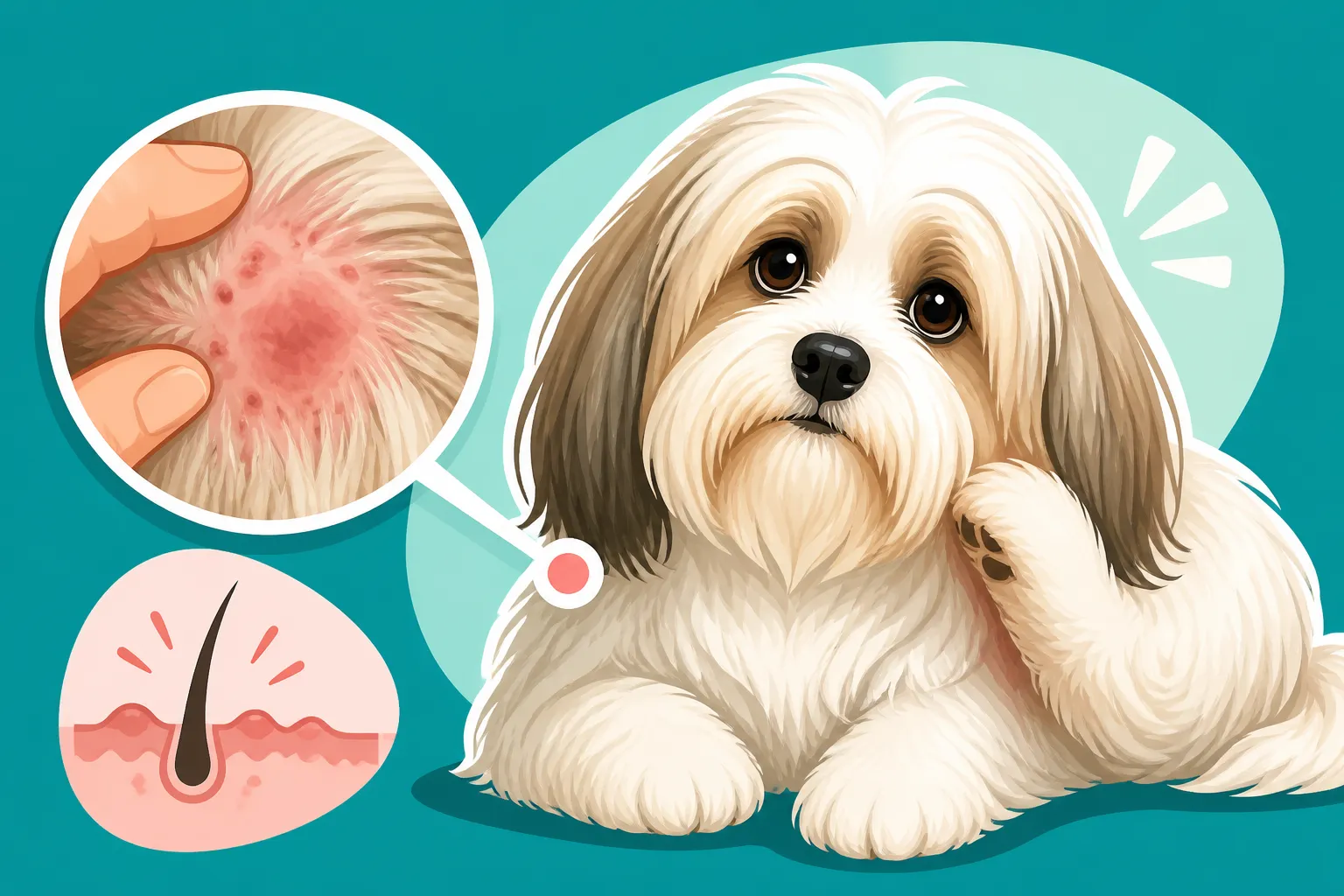
It’s a scene all Havanese parents know well: you’re snuggling with your fluffy companion, running your fingers through that luscious coat, and suddenly, you feel something unexpected – a bump, a crust, or a patch of rough skin that wasn't there yesterday. Finding skin trouble under that glorious Havanese coat can be incredibly frustrating and even a little alarming. This guide is here to walk you through the common skin issues our Havanese friends face, helping you understand what to look for, what might be causing it, and how to work with your vet to get them back to feeling comfortable and happy.
The Challenge of Spotting Skin Issues in a Havanese
Havanese are renowned for their magnificent, flowing coats, which are undeniably beautiful. However, this very feature, while charming, can make it a real detective job to spot skin issues early on. Many a Havanese owner has discovered a significant problem only when it's already quite advanced, simply because the long, dense hair acted like a perfect camouflage. It’s a common frustration, feeling like you’re always a step behind when it comes to their skin health.
Why the Havanese Coat Makes Detection Tricky
That thick, silky double coat that makes your Havanese so cuddly is also excellent at hiding a multitude of sins beneath its surface. Small bumps, redness, flakes, or even early signs of infection can easily be missed during a quick pat or cuddle session. Imagine trying to find a tiny needle in a haystack, except the haystack is constantly moving and occasionally licking itself. This dense hair can also trap moisture against the skin, creating an ideal breeding ground for bacteria or yeast, especially in areas like the armpits, groin, or under a long ear fringe. What might be a minor irritation for a short-haired dog can quickly escalate into a more serious infection for a Havanese because the air circulation is limited and the problem goes unnoticed for longer.
Regular, thorough grooming is not just about keeping your Havanese looking dapper; it's your primary tool for early detection. When you're line brushing, meticulously parting the hair down to the skin, you're not just preventing mats; you're conducting a crucial inspection. This is the time to really examine the skin itself, looking for any discoloration, lumps, flakes, or anything that feels out of the ordinary. Don't just skim the top of the coat; you need to get right down to the skin with your brush and comb. Many owners wonder How Often a Havanese Must Be Brushed and the answer is often tied directly to coat health and, by extension, skin health.
Subtle Signs You Might Overlook
Sometimes, the first clues that something is amiss with your Havanese’s skin aren't visible at all. Instead, they manifest as changes in behavior or subtle sensory cues. You might notice your dog is scratching more frequently than usual, even if you don't see any obvious irritation. Maybe they're licking their paws with an intensity that seems obsessive, or rubbing their face against the carpet or furniture. Head shaking, especially if it seems constant, could indicate an ear infection that's extending to the skin inside the ear canal, a common spot for yeast or bacterial overgrowth.
Another sign to watch (or rather, smell) for is a change in your Havanese's natural scent. A healthy Havanese typically has a mild, clean doggy smell. If you start to detect a musty, yeasty, or even sour odor, especially from specific areas like the paws, ears, or armpits, it’s a big red flag that a skin infection might be brewing underneath the fur. Similarly, subtle changes in the coat's texture or appearance, like localized greasiness, dullness, or a slightly different color to the hair in one spot, could also point to underlying skin irritation. These are the little whispers your Havanese gives you before the skin problem becomes a full-blown shout, and paying attention to them can make all the difference in catching an issue early.
Common Allergies and Their Impact on Havanese Skin
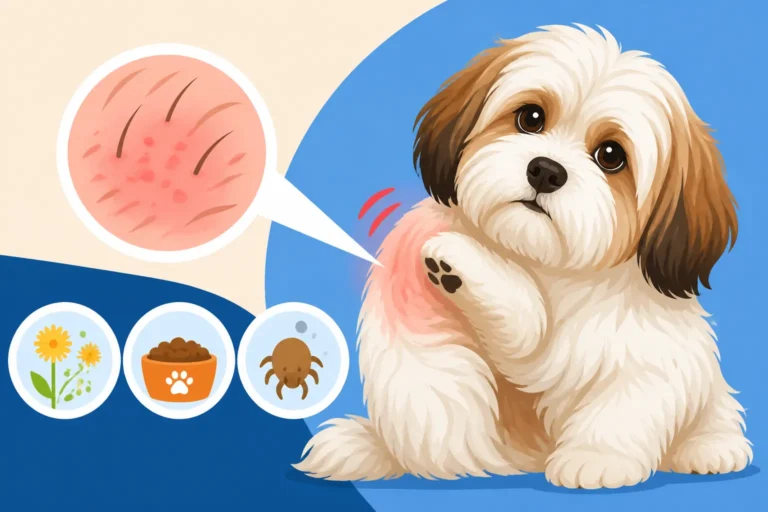
Just like humans, Havanese can suffer from allergies, and these often manifest as irritating skin conditions. It's a leading cause of chronic scratching and discomfort, and it can be disheartening to see your furry friend constantly itching. Understanding the different types of allergies is the first step towards finding relief for your beloved Havanese.
Environmental Allergies (Atopy)
Environmental allergies, often referred to as atopy, are incredibly common in dogs, and Havanese are certainly not exempt. These are reactions to allergens in the environment, much like hay fever in people. We're talking about things like pollen from grasses, trees, and weeds, dust mites found in your home, and even mold spores. The frustrating part is that these allergens are often unavoidable, and for some Havanese, the irritation can be seasonal, while for others, it's a year-round battle.
When a Havanese has environmental allergies, the primary symptom is intense itchiness. You might notice them chewing at their paws until they're raw and inflamed, rubbing their face frequently, or scratching their ears and belly incessantly. The skin in these areas often becomes red, inflamed, and can develop a greasy or thickened texture over time. Diagnosing atopy usually involves a process of elimination by your veterinarian, followed by either blood tests or intradermal skin testing to pinpoint the specific allergens. Managing atopy often requires a multi-faceted approach, including medications like antihistamines, corticosteroids, or newer targeted therapies like Apoquel or Cytopoint injections, which can provide significant relief. Regular bathing with hypoallergenic or medicated shampoos can also help wash away allergens from their coat and soothe irritated skin. Investing in good pet insurance, like a plan from Healthy Paws, can be incredibly helpful when managing chronic conditions such as atopy, as the costs for diagnostics and ongoing medication can really add up.
Food Allergies and Sensitivities
While less common than environmental allergies, food allergies and sensitivities can absolutely wreak havoc on a Havanese's skin. The distinction between an allergy and a sensitivity is subtle but important: an allergy involves an immune response, while a sensitivity is a digestive issue. However, both can present with similar symptoms, often making them tricky to differentiate. Common culprits in food allergies tend to be protein sources like chicken, beef, dairy, or sometimes grains like wheat or corn, though any ingredient can technically trigger a reaction.
Unlike environmental allergies, which often manifest as generalized itchiness, food allergies in Havanese can present with itchiness that is less seasonal and may be accompanied by gastrointestinal upset, such as vomiting, diarrhea, or excessive gas. The skin symptoms often include chronic ear infections, paw licking, generalized itchiness, and sometimes even skin infections that just won't clear up. Diagnosing a food allergy typically involves an elimination diet, where your Havanese is fed a novel protein (one they've never eaten before, like duck or venison) or a hydrolyzed protein diet (where the proteins are broken down so small the immune system doesn't recognize them as allergens) for 8-12 weeks. If symptoms resolve on the new diet, and then return when the old food is reintroduced, a food allergy is strongly suspected. It can be a long and challenging process, but finding the right diet can bring immense relief. For more insights on this, you might find our article Whether a Havanese Reacts to Its Food quite useful.
Contact Dermatitis
Contact dermatitis occurs when your Havanese's skin comes into direct contact with an irritating substance. This isn't an internal allergy but rather a localized reaction on the skin's surface. It's often overlooked because the symptoms are usually confined to the areas that touched the irritant, which might be obscured by their long coat. Common irritants can include certain cleaning products, fertilizers or pesticides on grass, metals in collar tags or food bowls, or even specific plants in your yard.
The symptoms of contact dermatitis usually appear as redness, itching, and sometimes small bumps or blisters on the skin where contact was made. For instance, if your Havanese lies on a freshly treated lawn, you might see irritation on their belly, chest, and inner thighs. If they react to a new shampoo, the irritation could be more widespread. The key to resolving contact dermatitis is identifying and removing the offending agent. This might mean switching to hypoallergenic grooming products, using stainless steel or ceramic bowls, keeping your Havanese away from treated areas, or even putting little boots on their paws during walks if environmental irritants are suspected. Your vet can help pinpoint the cause and recommend soothing topical treatments to alleviate the discomfort.
Infections That Hide Beneath the Fluff
Even the most diligent Havanese owner can miss the early signs of a skin infection, especially when that beautiful, dense coat conceals so much. Infections are often secondary to other issues, like allergies or parasites, which compromise the skin's natural barrier. When the skin is irritated or broken, bacteria, yeast, or fungi can seize the opportunity to multiply, leading to noticeable discomfort and a host of visible (if you can find them!) symptoms.
Bacterial Skin Infections (Pyoderma)
Bacterial skin infections, or pyoderma, are unfortunately quite common in dogs, and Havanese are no exception. They often appear as a secondary problem, meaning something else (like allergies, parasites, or excessive moisture) has already irritated the skin, making it vulnerable to bacterial overgrowth. The most common culprit is a type of Staph bacteria that naturally lives on a dog's skin but can become problematic when conditions are right.
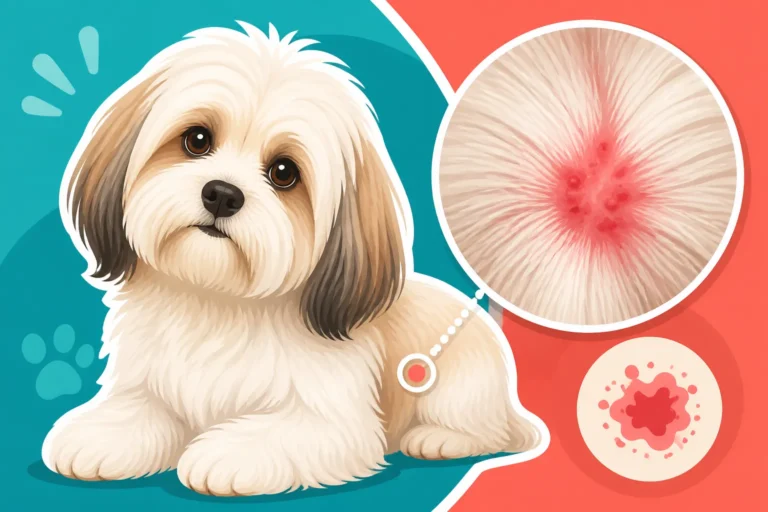
Underneath that thick Havanese coat, pyoderma can manifest in several ways. You might feel small bumps (papules) or pustules (pus-filled bumps), notice crusts forming on the skin, or see circular patches of hair loss. The skin itself will often be red, inflamed, and sometimes quite painful or itchy. A distinct, sometimes unpleasant odor can also accompany these infections. Because of the Havanese's long hair, these signs are often only discovered during thorough grooming or when the infection is already quite advanced. Your veterinarian will typically diagnose pyoderma based on a physical exam and may take samples for cytology (looking at cells under a microscope) or bacterial culture to identify the specific bacteria and the most effective antibiotic. Treatment usually involves a course of oral antibiotics, often for several weeks, combined with medicated shampoos or topical antimicrobial sprays to help resolve the infection and soothe the skin.
Yeast Infections (Malassezia Dermatitis)
Yeast infections, primarily caused by the Malassezia pachydermatis yeast, are another common skin foe for Havanese. Like bacterial infections, yeast overgrowth often occurs when the skin's normal balance is disrupted, commonly by underlying allergies, hormonal imbalances, or areas where moisture is trapped. The warm, humid environment under a Havanese's long, dense coat can be an ideal breeding ground for this yeast, especially in skin folds, between toes, in armpits, and, notoriously, in the ears. This is why Whether a Havanese Gets Ear Infections is such a prevalent concern, as ear infections are often yeast-related.
Signs of a yeast infection can be quite distinctive once you know what to look for. The affected skin often becomes red, greasy, and develops a strong, musty or "corn chip" like odor. You might also notice a brownish or reddish discoloration of the fur in the affected areas due to the yeast itself. The skin can become thickened and appear elephant-like in chronic cases. Diagnosis is typically made through cytology (examining a skin swab under a microscope). Treatment involves antifungal medications, which can be oral or topical, and often a regular regimen of medicated shampoos designed to kill yeast. It’s crucial to treat any underlying allergies or conditions that predispose your Havanese to these recurring infections, otherwise, they may keep coming back.
Fungal Infections (Ringworm)
Despite its misleading name, ringworm (dermatophytosis) is not caused by a worm at all, but by a group of fungi that infect the skin, hair, and nails. It’s contagious to other animals and even to humans, making it a particularly unwelcome guest in any household. Havanese puppies or those with compromised immune systems can be more susceptible, but any Havanese can contract it.
In Havanese, ringworm typically appears as circular patches of hair loss, often with scaly, crusty, or inflamed skin at the edges. The center of the patch might appear somewhat healed or have broken hairs. Because of the long hair, these patches can be difficult to spot until they've grown quite large or caused significant hair loss. Sometimes, the only clue is a dull patch of hair that seems slightly thinner than the surrounding coat. Your vet will diagnose ringworm by taking hair and skin samples for a fungal culture, which can take a week or two to grow, or by using a special UV light (Wood's lamp) that makes some types of ringworm glow. Treatment for ringworm usually involves a combination of oral antifungal medications and topical treatments like antifungal creams or medicated dips and shampoos. It’s also vital to thoroughly decontaminate the environment to prevent reinfection.
Parasites: Tiny Invaders Causing Big Problems
Parasites are a common and incredibly irritating cause of skin problems for any dog, and our Havanese friends are no exception. These tiny invaders can cause everything from mild itching to severe skin reactions, often made worse by the Havanese's dense coat which can sometimes provide a safe haven for them. Regular preventive care is your best defense against these pesky creatures.
Flea Allergy Dermatitis
Flea allergy dermatitis (FAD) is, hands down, one of the most common allergic skin diseases in dogs. What many people don't realize is that it's not the fleas themselves that cause the severe itching, but rather an allergic reaction to the flea's saliva when it bites. This means that even a single flea bite can trigger an intense, disproportionate allergic response in a sensitive Havanese, leading to excruciating itchiness. It's truly miserable for them.
When a Havanese suffers from FAD, the primary symptom is severe, unrelenting itchiness, often focused around the tail base, hindquarters, inner thighs, and belly. You might notice them chewing, licking, or scratching these areas almost constantly, leading to redness, skin irritation, scabs, and hair loss. Sometimes, you might even spot "flea dirt" (which looks like tiny black pepper flakes, but turns reddish-brown when wet) in their coat, or even see the fleas themselves if the infestation is heavy. The long, thick coat of a Havanese can, unfortunately, make it a perfect hiding spot for fleas, allowing them to bite undetected for longer. The cornerstone of treatment for FAD is strict, year-round flea prevention. There are many effective oral and topical products available today, such as those from reputable brands like NexGard or Bravecto, that can break the flea life cycle and provide relief. If your Havanese has an acute flare-up, your vet might prescribe anti-inflammatory medications or antibiotics for any secondary skin infections.
Mites (Sarcoptic Mange, Demodectic Mange)
Mites are microscopic parasites that can cause a condition known as mange, which manifests as significant skin issues. There are a couple of types that commonly affect dogs, each with its own characteristics.
Sarcoptic Mange (Scabies): This is the highly contagious, incredibly itchy one. Sarcoptic mites burrow into the skin, causing intense pruritus (itching), redness, thick crusts, and hair loss. The itching can be so severe that dogs literally scratch themselves raw, leading to secondary bacterial infections. Because the mites are so tiny and often hidden deep in the skin, a definitive diagnosis can be tricky, sometimes requiring multiple skin scrapes (where your vet gently scrapes the skin surface to collect samples for microscopic examination) or even a biopsy. It's often found in areas with less hair, like elbows, ear margins, and hocks, but can spread rapidly. If you suspect scabies, it’s important to isolate your Havanese as it can spread to other pets and even temporarily to humans.
Demodectic Mange (Demodex): These mites are different. Most dogs have a small number of Demodex mites living harmlessly in their hair follicles, passed from mother to puppy. Problems arise when a dog's immune system is compromised or immature, allowing the mites to proliferate. Demodectic mange usually presents as localized patches of hair loss, often around the face, eyes, and forelegs, without the intense itching seen with sarcoptic mange. It's not typically contagious between dogs or to humans. While mild cases in puppies might resolve on their own, more generalized cases, especially in adult Havanese, indicate an underlying immune issue and require veterinary intervention. Both types of mange are treated with specific antiparasitic medications, which may be oral, topical, or dips, depending on the type and severity.
Ticks and Their Irritations
Ticks, while larger and more visible than fleas or mites, can still cause significant skin irritation for your Havanese, not to mention transmitting serious diseases. These arachnids latch onto your dog's skin to feed on blood, and their bites can be quite irritating.
When a tick attaches to your Havanese, it often creates a small, localized bump on the skin, which can be red and inflamed. The tick itself will be visible, appearing as a small, engorged sac attached to the skin. In dogs with long, dense coats like the Havanese, ticks can be surprisingly hard to find, often hiding deep within the fur, especially in areas like behind the ears, in the armpits, or between the toes. This is another reason why a thorough hands-on check after outdoor excursions is so important. Aside from localized irritation, ticks are notorious for transmitting diseases like Lyme disease, Anaplasmosis, and Ehrlichiosis, which can have serious health consequences. Prompt and proper removal of ticks is crucial. Use fine-tipped tweezers to grasp the tick as close to the skin as possible and pull straight up with steady, even pressure. Avoid twisting or crushing the tick. Year-round tick prevention, through collars, topical spot-ons, or oral medications, is highly recommended to protect your Havanese from these potentially harmful parasites.
Other Skin Conditions Unique to or Common in Havanese
Beyond allergies and infections, several other skin conditions can affect Havanese, some of which are quite common, while others might be rarer but still important to recognize. Knowing about these can help you better advocate for your furry friend's health.
Hot Spots (Acute Moist Dermatitis)
Hot spots, or acute moist dermatitis, are probably one of the most frustrating and rapidly developing skin issues a Havanese can face. They appear seemingly overnight as intensely red, moist, oozing, and often painful lesions on the skin. The problem starts when something triggers an itch – perhaps a flea bite, an allergy flare-up, or even just a matted spot of fur. The Havanese then licks, chews, or scratches the area incessantly, creating a vicious cycle of irritation and self-trauma. The warmth and moisture from the licking, combined with the dense coat, create a perfect environment for bacteria to rapidly multiply, leading to a quick escalation of the lesion.
Because hot spots develop so fast and are often hidden by the Havanese’s long coat, owners often don't notice them until they've grown quite large and are visibly inflamed or even smelly. The first indication might be excessive licking or a sudden sensitivity when you touch a particular area. Treating hot spots typically involves carefully clipping the hair from around and over the lesion to allow air to reach the skin and dry it out. This step is crucial for healing. Your vet will likely prescribe topical treatments (like astringents or antibiotic creams), oral antibiotics if there's significant infection, and sometimes anti-inflammatory medications to reduce pain and itching. An Elizabethan collar (cone) is often necessary to prevent your Havanese from continuing to lick and exacerbate the hot spot while it heals.
Dry Skin and Dandruff
Just like humans, Havanese can suffer from dry, flaky skin, which often manifests as dandruff (seborrhea sicca). This condition can be irritating and make their beautiful coat appear dull and less vibrant. Several factors can contribute to dry skin, including environmental humidity (especially in dry winter months), improper bathing practices (using harsh shampoos or bathing too frequently), nutritional deficiencies, or underlying medical conditions like hypothyroidism.
Symptoms typically include visible white flakes in the coat, which might be particularly noticeable when you brush your Havanese. The skin itself can feel tight, dry, and sometimes appear a bit reddened. Your Havanese might also be mildly itchy, leading to more scratching than usual. Addressing dry skin often starts with evaluating their environment and diet. Using a humidifier in dry climates can help, as can ensuring your Havanese is on a high-quality diet rich in omega-3 fatty acids. Many owners find that incorporating fish oil supplements can do wonders for skin and coat health; you can learn more about this in our guide on Whether a Havanese Needs Fish Oil for Its Coat. Using moisturizing, gentle shampoos specifically formulated for dogs, and avoiding harsh detergents, is also key. Your vet can rule out any underlying medical conditions and recommend specific medicated shampoos or supplements if needed to rehydrate the skin and reduce flakiness.
Sebaceous Adenitis
Sebaceous adenitis (SA) is a rarer, but noteworthy, inflammatory skin condition that can affect Havanese, among other breeds. It’s an autoimmune disease where the body mistakenly attacks and destroys the sebaceous glands, which are responsible for producing sebum – the natural oils that moisturize the skin and keep the coat healthy. When these glands are damaged, the skin becomes dry, scaly, and the coat can deteriorate.
In Havanese, SA can be quite challenging to diagnose due to their dense coat. Symptoms typically include progressive hair loss, dull and brittle fur, and often the presence of silvery-white scales or dandruff that adheres to the hair shafts. The skin itself may become thickened and sometimes develop secondary bacterial infections. The distribution of lesions often starts along the back, neck, and head. A definitive diagnosis of sebaceous adenitis requires a skin biopsy, which your veterinarian will send to a veterinary dermatopathologist for examination. Unfortunately, there is no cure for SA, but it can be managed. Treatment focuses on rehydrating the skin and reducing inflammation, often involving intensive topical therapies like emollients, humectants, and medicated shampoos and conditioners to try and replace the lost sebum. Oral medications may also be used to help modulate the immune response. It’s a chronic condition that requires consistent, dedicated care, and having pet insurance like Healthy Paws can certainly help with the ongoing costs of specialized treatments and medications.
Prevention and Management Strategies for Healthy Havanese Skin
Keeping your Havanese’s skin healthy isn’t just about treating problems when they arise; it’s largely about proactive prevention and consistent care. Given their unique coat, Havanese require a dedicated approach to ensure their skin remains in top condition, preventing discomfort and costly vet visits down the line.
Regular Grooming and Skin Checks
This is arguably the single most important preventive measure for a Havanese. That beautiful, flowing coat demands attention, and consistent grooming is your frontline defense against skin issues. Daily brushing, or at least every other day, is crucial to prevent mats, but it also serves as your regular skin inspection. When you're brushing, make sure you're not just gliding over the top layer of hair. You need to get down to the skin, parting the hair section by section using a method like line brushing. This allows you to visually inspect the skin for any redness, bumps, flakes, crusts, or lesions. It also helps you feel for any changes in skin texture, lumps, or areas of tenderness.
Beyond daily brushing, regular bathing with appropriate, gentle dog shampoos is important. The exact frequency can vary, but generally, a bath every 2-4 weeks is suitable for most Havanese, helping to remove allergens, dirt, and dead skin cells without stripping natural oils. Always ensure your Havanese is thoroughly dried after bathing, paying special attention to areas like armpits and groin, to prevent moisture from getting trapped and encouraging yeast or bacterial growth. Our guide on The Silky Double Coat a Havanese Grows to the Floor delves deeper into coat care, which directly impacts skin health. Consistent grooming prevents minor irritations from escalating into full-blown infections, saving your Havanese discomfort and you significant worry.
Dietary Management and Supplements
What goes into your Havanese's bowl has a direct impact on the health of their skin and coat. A high-quality, balanced diet provides the essential nutrients needed for a strong skin barrier, healthy hair growth, and a robust immune system. Look for dog foods that list a named meat source as the first ingredient and avoid excessive fillers or artificial additives, especially if your Havanese has sensitivities.
For many Havanese, supplementing their diet with omega-3 fatty acids can be incredibly beneficial for skin health. These fatty acids, typically derived from fish oil, have anti-inflammatory properties that can help reduce itching and improve the skin barrier function, making it more resilient to allergens and irritants. You can find omega-3 supplements specifically formulated for dogs in liquid or capsule form. Always discuss any dietary changes or supplements with your veterinarian to ensure they are appropriate for your individual Havanese, especially considering their overall health and any existing conditions. A well-nourished Havanese is more likely to have a healthy, vibrant coat and resilient skin.
Veterinary Care and Diagnostics
Despite your best efforts with grooming and diet, skin issues can still arise, and some problems require professional veterinary attention. Any persistent scratching, licking, redness, hair loss, odor, or the appearance of unusual lumps or bumps warrants a trip to your vet. Don’t try to self-diagnose or treat severe skin conditions at home; early and accurate diagnosis is key to effective treatment.
When you visit your vet, they will conduct a thorough physical examination, gathering information about your Havanese’s symptoms, diet, environment, and medical history. Depending on their findings, they may recommend various diagnostic tests. Common tests for skin issues include skin scrapes (to look for mites), cytology (examining skin cells for bacteria or yeast), fungal cultures (for ringworm), blood tests (to check for underlying conditions like hypothyroidism), and sometimes allergy testing or dietary elimination trials. For persistent or unusual lumps, a biopsy might be necessary to determine the nature of the growth. These diagnostic steps are crucial for identifying the root cause of the problem and tailoring the most effective treatment plan. Having pet insurance, like a comprehensive plan from Healthy Paws, can be a true lifesaver when these diagnostic tests, specialized treatments, or ongoing medications are needed, providing peace of mind during stressful times. Regular check-ups, even when your Havanese seems perfectly healthy, are also important; you might want to look into What a Havanese's Yearly Checkup Costs to plan ahead for routine preventative care.
Comparing Common Havanese Skin Conditions
To help you get a clearer picture of some of the skin issues we've discussed, here's a quick comparison of their key characteristics, causes, and general treatment approaches. Remember, this table is for informational purposes only, and you should always consult your veterinarian for an accurate diagnosis and personalized treatment plan for your Havanese.
| Condition | Common Symptoms | Primary Cause | General Treatment Approach |
|---|---|---|---|
| Environmental Allergies | Itchy paws, belly, ears; redness, licking; seasonal or year-round | Pollen, dust mites, mold in the environment | Antihistamines, steroids, Apoquel, Cytopoint, regular medicated bathing, environmental control |
| Food Allergies | Itchiness (often non-seasonal), chronic ear infections, paw licking, sometimes GI upset | Allergic reaction to specific food proteins (e.g., chicken, beef) | Elimination diet, novel protein or hydrolyzed diet for diagnosis and management |
| Bacterial Pyoderma | Pustules, crusts, hair loss, redness, odor; often localized or spreading | Bacterial overgrowth (often secondary to allergies/irritation) | Oral antibiotics, medicated shampoos/topical antimicrobials |
| Yeast Infection | Greasy skin, musty/corn chip odor, reddish-brown discoloration; common in folds, ears, paws | Yeast overgrowth (often secondary to allergies, moisture) | Antifungals (oral/topical), medicated shampoos, addressing underlying cause |
| Flea Allergy Dermatitis | Intense itching, scabs, hair loss, especially near tail base | Allergic reaction to flea saliva from flea bites | Year-round flea prevention (oral/topical), anti-inflammatories for flare-ups |
| Hot Spots | Rapidly appearing red, moist, painful, oozing lesions; intense itching | Self-trauma (licking/chewing) triggered by an initial itch | Shaving, topical treatments, oral antibiotics, anti-inflammatories, e-collar |
| Dry Skin/Dandruff | Flaky skin, dull coat, mild itching | Low humidity, diet, improper bathing, underlying health issues | Humidifiers, omega-3 supplements, moisturizing shampoos, vet checks for underlying causes |
| Sebaceous Adenitis | Progressive hair loss, dry/brittle fur, silvery scales/dandruff, thickened skin | Autoimmune destruction of sebaceous glands | Intensive topical rehydration therapies, immune-modulating medications |
Disclaimer
The information provided in this article is for general informational purposes only and is not intended as a substitute for professional veterinary advice. Always consult with a qualified veterinarian regarding any medical condition or health concerns your Havanese may have. Do not disregard professional veterinary advice or delay seeking it because of something you have read here.