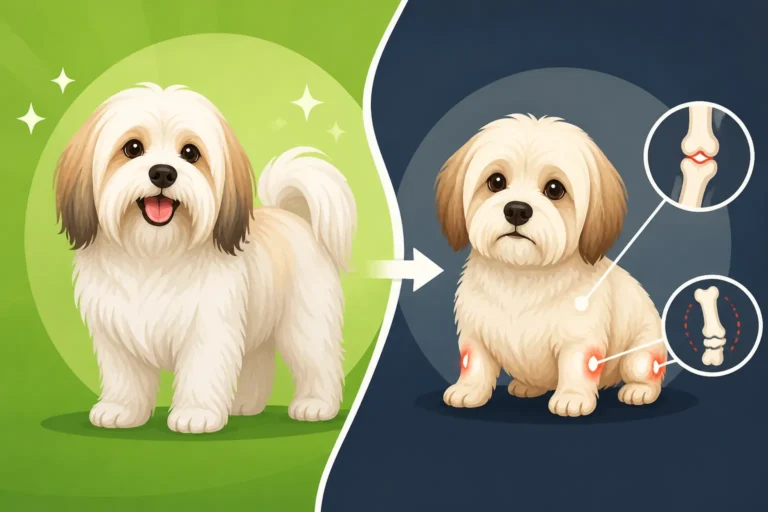
Whether Knee Surgery Fixes a Havanese for Good
When your beloved Havanese suddenly starts skipping or holding up a back leg, a chill goes down your spine. The thought of them being in pain or facing something serious like a luxating patella is incredibly worrying, and the question that immediately pops into every devoted pet parent's mind is, "Will surgery truly fix this for good, or are we just signing up for a temporary reprieve?" This guide will meticulously explore what knee surgery entails for a Havanese with a luxating patella, what a "fix for good" really means, and how you can support your furry friend through recovery and beyond.
Understanding Luxating Patellas in Havanese
Finding out your Havanese has a luxating patella, or a "slipping kneecap," can be disheartening. It's a condition where the kneecap (patella) dislocates or moves out of its normal groove in the thigh bone (femur). For small breeds like our Havanese, this is unfortunately quite a common orthopedic issue, often inherited, and it can range from a minor inconvenience to a severely debilitating problem.
What Exactly is a Luxating Patella?
Imagine the kneecap as a small, almond-shaped bone that sits in a groove at the end of the femur. It's held in place by ligaments and tendons, and its job is to allow the leg to extend smoothly. When we talk about a luxating patella, it means this kneecap isn't staying put. It slides out of that groove, usually towards the inside of the leg (medial luxation), causing the leg to lock up, or your Havanese to skip a step, hold their leg up, or even yelp in pain. The sporadic nature of the lameness can be incredibly frustrating for owners, as your pup might seem perfectly fine one minute and then suddenly hobbling the next. You might notice them doing a little "skip" or bunny-hop, especially after running.
The severity of luxating patellas is typically graded from 1 to 4:
- Grade 1: The patella luxates manually but returns to its normal position spontaneously. Clinical signs are usually minimal or intermittent.
- Grade 2: The patella luxates spontaneously or when the leg is flexed, and it remains luxated until manually replaced or when the dog extends the limb. This is often when you'll start noticing that characteristic "skip" in their gait.
- Grade 3: The patella remains luxated most of the time but can be manually reduced. The groove for the kneecap is usually shallow, and the limb might look bowed.
- Grade 4: The patella is permanently luxated and cannot be manually reduced. This is a severe form, often leading to significant lameness and abnormal limb posture.
Understanding these grades is really important because it directly influences treatment decisions. For more on this, you might want to read about the process of Grading a Havanese's Luxating Patella.
Why Havanese are Prone to This Condition
It's tough to hear that your beloved Havanese is genetically predisposed to certain health issues, but patellar luxation is one of them. While not exclusive to the breed, Havanese, along with many other small and toy breeds like Chihuahuas, Pomeranians, and Yorkshire Terriers, have a higher incidence. The issue often stems from a combination of factors, including the shape of their femur, the depth of the trochlear groove (where the kneecap sits), and the alignment of the muscles and tendons in the leg. These anatomical quirks, passed down through generations, mean that the components designed to keep the kneecap aligned aren't quite working as they should.
When a Havanese puppy develops, if these structures aren't formed correctly, the kneecap can begin to slip. This isn't usually something that happens overnight due to an injury, but rather a developmental issue that becomes apparent as they grow and put more strain on their joints. For many Havanese, the signs might start subtly, a little skip here or there, and progress over time. Early diagnosis by a veterinarian is key, especially if you're noticing any unusual gait patterns in your young pup. Being proactive can make a significant difference in managing the condition and planning for their long-term comfort. You might also be interested in how common these slipping kneecaps are in the breed, which you can learn about in How Common Slipping Kneecaps Are in a Havanese.
Diagnosing the Severity: When is Surgery Considered?
Once your vet suspects a luxating patella, they'll perform a thorough orthopedic examination, manipulating the kneecap to assess its movement and stability. They'll also observe your Havanese walking to gauge their gait and how they bear weight. X-rays are often taken to evaluate the bone structure, the depth of the trochlear groove, and to check for any other concurrent orthopedic issues like hip dysplasia or arthritis that might be contributing to the lameness. This comprehensive assessment helps them determine the grade of luxation and whether surgical intervention is truly the best course of action.
Generally, for Grade 1 luxations, conservative management, which includes weight control, joint supplements, and restricted activity, might be recommended. However, for Grade 2 and higher, especially if your Havanese is showing consistent pain, lameness, or a significant impact on their quality of life, surgery often becomes the preferred option. The goal isn't just to alleviate pain but to prevent the long-term wear and tear on the joint that can lead to debilitating arthritis down the road. It’s a big decision, and your vet will walk you through the specifics for your Havanese, explaining why certain patella grades might need surgery. For a deeper dive into this specific topic, check out Which Patella Grade Needs Surgery in a Havanese.
The Surgical Intervention for Slipping Kneecaps
Deciding to move forward with surgery for your Havanese's luxating patella is a significant step, filled with questions and understandable anxiety. It's not just about the procedure itself, but understanding what it aims to correct and how you can best prepare your furry family member. The good news is that these surgeries are quite common and, in the right hands, can lead to excellent outcomes.
Different Surgical Techniques Explained
Veterinary orthopedic surgeons employ several techniques, often in combination, to correct a luxating patella. The specific approach will depend on the individual anatomy of your Havanese and the severity of their condition. The primary goal is always to realign the kneecap so it tracks correctly within its groove.
One common procedure is a trochleoplasty (or trochlear wedge/block recession). This involves deepening the trochlear groove in the femur where the kneecap sits. If the groove is too shallow, the kneecap has nothing to hold it in place. By deepening it, the surgeon creates a more secure channel for the patella to track. Another technique is tibial crest transposition, which addresses the attachment point of the patellar ligament on the tibia (shin bone). If this attachment point is out of alignment, it can pull the kneecap out of its groove. The surgeon carefully moves this bony attachment to a more correct position and pins it in place, allowing the patella to track in a straight line. Often, soft tissue release procedures are performed alongside these to address any tight connective tissues on the side the patella is luxating towards, which might be pulling it out of alignment. Sometimes, a "fascial imbrication" or "anti-rotational suture" is used to tighten the joint capsule on the opposite side to provide more stability. It's a precise combination of adjustments designed to restore proper knee function.
What the Surgery Aims to Achieve
The overarching aim of luxating patella surgery is to provide stability to the knee joint, eliminate or significantly reduce pain, and restore normal limb function. By correcting the anatomical abnormalities that cause the kneecap to slip, the surgeon hopes to prevent future luxations and mitigate the development of debilitating secondary conditions. Every time the patella slips out of place, it can cause damage to the cartilage on the underside of the kneecap and within the trochlear groove. This repeated trauma leads to inflammation, pain, and eventually, degenerative joint disease or arthritis.
A successful surgery aims to stop this cycle, allowing your Havanese to walk, run, and play without pain or the characteristic "skip." While the hope is always for a complete return to normal, it’s important to understand that "normal" for a dog with a history of luxation and subsequent surgery might look slightly different from a dog who never had the condition. The true measure of success lies in improved comfort, better mobility, and a higher quality of life for your furry companion. The reduction of pain is a huge relief for them and for us, as it's heartbreaking to see them struggle.
Preparing Your Havanese for the Procedure
Preparing for surgery involves more than just dropping your Havanese off at the clinic. Your vet will provide specific instructions, but generally, this will include fasting requirements before anesthesia and ensuring your dog is otherwise healthy for the procedure. It’s also crucial to have an open conversation with your veterinary team. Don't hesitate to ask questions about the exact surgical plan, the surgeon's experience, the potential risks of anesthesia for a small breed, and what the immediate post-operative care will look like. Understanding these details can significantly reduce your anxiety.
You'll also need to prepare your home for their return. This means creating a safe, confined space where they can rest and recover without tempting them to jump or run. Think about comfortable bedding, easy access to food and water, and a quiet environment away from household hustle and bustle. Discuss pain management options with your vet beforehand; they’ll likely prescribe a combination of medications to keep your Havanese comfortable in the initial recovery period. Being prepared, both mentally and practically, will help ensure a smoother experience for both you and your Havanese.
Post-Surgery Recovery and Long-Term Outlook
The surgery itself is only half the battle. The recovery period is arguably just as critical for a successful outcome, requiring immense patience and dedication from you. This phase will largely determine whether knee surgery truly "fixes your Havanese for good."
The Critical Recovery Period
The immediate days and weeks following luxating patella surgery are crucial. Your Havanese will likely come home with pain medication, anti-inflammatories, and possibly antibiotics. Strict rest is paramount, meaning no running, jumping, or strenuous play. This usually involves crate rest or confinement to a small, safe area for several weeks. Leash walks for potty breaks will be short, controlled, and on solid ground, avoiding slippery surfaces or stairs. It's a tough pill to swallow when your normally energetic Havanese is confined, but this restriction is vital to allow the surgical site to heal properly and prevent any damage to the repair.
You'll need to monitor the incision site for any signs of infection, swelling, or excessive licking. An Elizabethan collar (cone) might be necessary to prevent them from interfering with the stitches. Administering medications on schedule is essential for pain control and to keep inflammation at bay. It’s a demanding period, full of worry that they might do something to jeopardize the healing, but sticking to the vet’s instructions precisely is the best way to ensure the maximum benefit from the surgery.
Physiotherapy and Rehabilitation: Essential for Success
Once the initial healing phase is complete, typically around 2-4 weeks post-op, your vet will likely recommend a structured physiotherapy and rehabilitation program. This is where the magic truly happens in solidifying the surgical fix. Just like humans, dogs need physical therapy to regain strength, flexibility, and proper muscle memory after an orthopedic procedure. Simply letting them "rest it off" isn't enough to achieve optimal recovery.
A certified canine rehabilitation therapist might guide you through a series of exercises, such as gentle range-of-motion movements, controlled walks, balance exercises, and eventually, more dynamic activities. Hydrotherapy, like underwater treadmill sessions, is particularly beneficial as it allows for early weight-bearing exercise without putting excessive strain on the healing joint. This gradual, controlled return to activity helps rebuild muscle mass that may have atrophied during confinement, improves joint mobility, and strengthens the supporting structures around the knee. Ignoring this vital step can lead to a less-than-optimal recovery and potentially increase the risk of re-injury. For more details on this crucial step, read about Whether a Havanese Needs Physiotherapy After Surgery.
Understanding "Fixed for Good": Realities and Recurrence Risks
The question of whether knee surgery "fixes a Havanese for good" is nuanced. For many Havanese, surgery provides a significant improvement, often resolving the lameness and pain, allowing them to live a full and active life. In that sense, yes, it can be considered a "fix." However, it's crucial to manage expectations. "For good" doesn't necessarily mean the knee will be exactly as it was before the condition developed, or that there will never be any issues again.
While surgery successfully stabilizes the patella in a high percentage of cases (often 85-90% or more), there's always a small risk of recurrence or complications. The patella might luxate again, or residual lameness might persist, especially if significant arthritic changes were already present before surgery. Some dogs might develop arthritis in the joint over time, even with a successful surgery, because the joint experienced abnormal wear and tear prior to correction. This is why lifelong management, vigilance, and regular veterinary check-ups are so important. It's about optimizing their long-term health, not just a one-time repair.
Managing Expectations and Preventing Recurrence
Achieving a "fix for good" after patella surgery is a journey that continues long after the sutures are removed. It requires ongoing commitment to your Havanese's health and well-being, focusing on preventative measures and a proactive approach to their care.
Lifelong Management and Protective Measures
Even after a successful surgery and rehabilitation, lifelong management is crucial to protect your Havanese's knee joint and minimize the risk of future issues. One of the most important things you can do is maintain a healthy weight. Extra pounds put additional strain on all joints, especially a surgically repaired knee. Regular, moderate exercise, appropriate for their size and age, is also key to keeping muscles strong and joints flexible without overstressing them.
Consider incorporating joint supplements, such as glucosamine, chondroitin, and omega-3 fatty acids, into their daily routine. While they won't "cure" anything, these supplements can support cartilage health and reduce inflammation. Talk to your vet about the best options for your Havanese. It's also vital to protect their joints from impact. Discourage jumping off high furniture, like beds or couches, and consider providing pet steps or ramps. Many Havanese owners have found immense value in teaching their dogs to use steps to the couch, as discussed in Keeping a Havanese Off Furniture It Should Not Jump From. Avoiding slippery floors can also prevent sudden slips and twists that could stress the knee. These small, consistent efforts truly contribute to their long-term comfort and mobility.
Recognizing Potential Complications or Relapse
No surgery is without potential complications, and while rare, it's important to be aware of the signs that something might not be going as planned. Immediately after surgery, watch for excessive swelling, discharge from the incision, extreme pain that isn't managed by medication, or a sudden inability to bear any weight on the leg. In the long term, a relapse of the luxation is possible, though uncommon with a successful surgical repair. You might notice a return of the skipping gait, renewed lameness, or your Havanese showing discomfort in the knee again.
Other potential issues include implant failure (if pins or wires were used), infection, or the early onset of arthritis, which might manifest as stiffness, reduced activity, or pain, especially in older Havanese. If you ever observe these signs, don't hesitate to contact your veterinarian immediately. Early intervention is always best to address any new or recurring problems and ensure your Havanese receives the care they need. Even if they had a fantastic recovery, staying vigilant is part of being a responsible pet parent.
The Financial Aspect and Peace of Mind
Let's be real, the cost of knee surgery for a Havanese can be substantial. Between the surgical fees, anesthesia, hospital stay, medications, and weeks or months of physical therapy, the bills can add up quickly. This financial burden is a huge stressor for many pet owners, and it's a valid concern. You might wonder What Knee Surgery Costs a Havanese Owner, and the numbers can be intimidating.
This is where pet insurance can truly provide invaluable peace of mind. Companies like Healthy Paws offer comprehensive plans that can cover a significant portion of these unexpected veterinary expenses. Having a policy from Healthy Paws in place before your Havanese develops such a condition can make the decision to opt for surgery much less daunting, allowing you to prioritize their health without the overwhelming financial strain. Many policies cover a percentage of unexpected vet bills, including surgery, emergency care, and sometimes even rehabilitation.
While it's too late to get coverage for a pre-existing condition, if you're reading this before your Havanese has been diagnosed, exploring options with providers like Healthy Paws is a smart move. They can help you manage the costs of future unforeseen health issues, ensuring your Havanese gets the best care possible. Having insurance isn't just about the money; it's about being able to say "yes" to necessary treatments without hesitation, ensuring your beloved companion lives a comfortable life. Don't forget to look into whether patella trouble is excluded on a Havanese policy, as this can vary.
| Luxating Patella Grade | Symptoms | Typical Treatment Recommendation | Prognosis with Treatment |
|---|---|---|---|
| Grade 1 | Intermittent skips, minimal pain | Conservative management (weight, supplements, rest) | Good; low risk of progression if managed |
| Grade 2 | Frequent skips, occasional lameness, pain | Conservative or surgical, depending on impact | Good with surgery; variable with conservative |
| Grade 3 | Persistent lameness, bowed leg appearance | Surgical intervention usually recommended | Good with surgery, may develop arthritis |
| Grade 4 | Permanent lameness, abnormal posture, severe pain | Surgical intervention necessary (complex procedure) | Fair to good, may have residual lameness |
Ultimately, while surgery offers an excellent chance for your Havanese to regain comfortable function and significantly improve their quality of life, it's a team effort between you, your vet, and potentially a rehabilitation therapist. With proper care, diligent post-operative management, and a focus on long-term joint health, your Havanese can indeed enjoy a happy, active life free from the constraints of a slipping kneecap.
Disclaimer
The information provided in this article is for general informational purposes only and is not a substitute for professional veterinary advice. Always consult with a qualified veterinarian regarding any health concerns or before making any decisions about your pet's medical care.