Arthritis in a Havanese at Twelve
Watching your beloved Havanese, who once bounced around like a joyful little spring, start to slow down can be truly heartbreaking, especially when you notice those stiff movements or a reluctance to jump that simply weren't there before. If your twelve-year-old Havanese is showing signs of discomfort, it's highly likely you're dealing with arthritis, a common and challenging condition in senior dogs. This guide is here to help you understand, identify, and compassionately manage arthritis in your precious companion, ensuring their golden years are as comfortable and happy as possible.
Understanding Arthritis in Your Aging Havanese
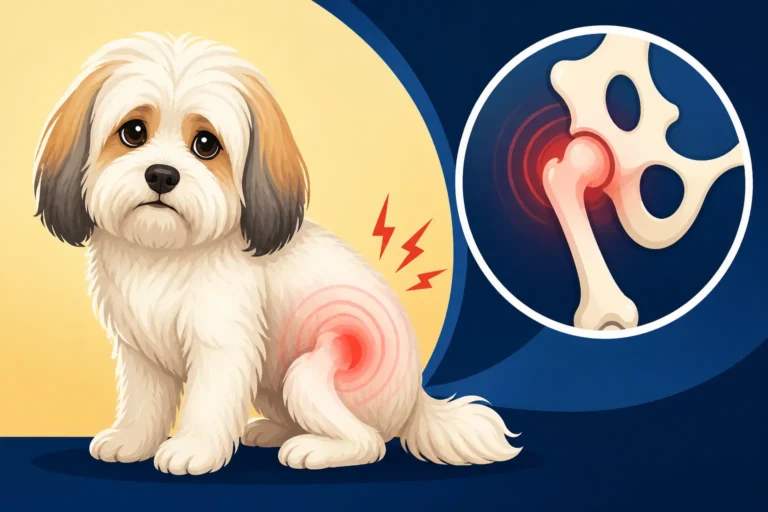
Arthritis, or osteoarthritis (OA) as it's formally known, is a degenerative joint disease that becomes increasingly common as our furry friends age. For a Havanese reaching twelve years old, it's almost expected to see some degree of joint wear and tear, even if they've led a perfectly active life. It's a slow, progressive condition where the protective cartilage in the joints begins to break down, leading to pain, inflammation, and reduced mobility.
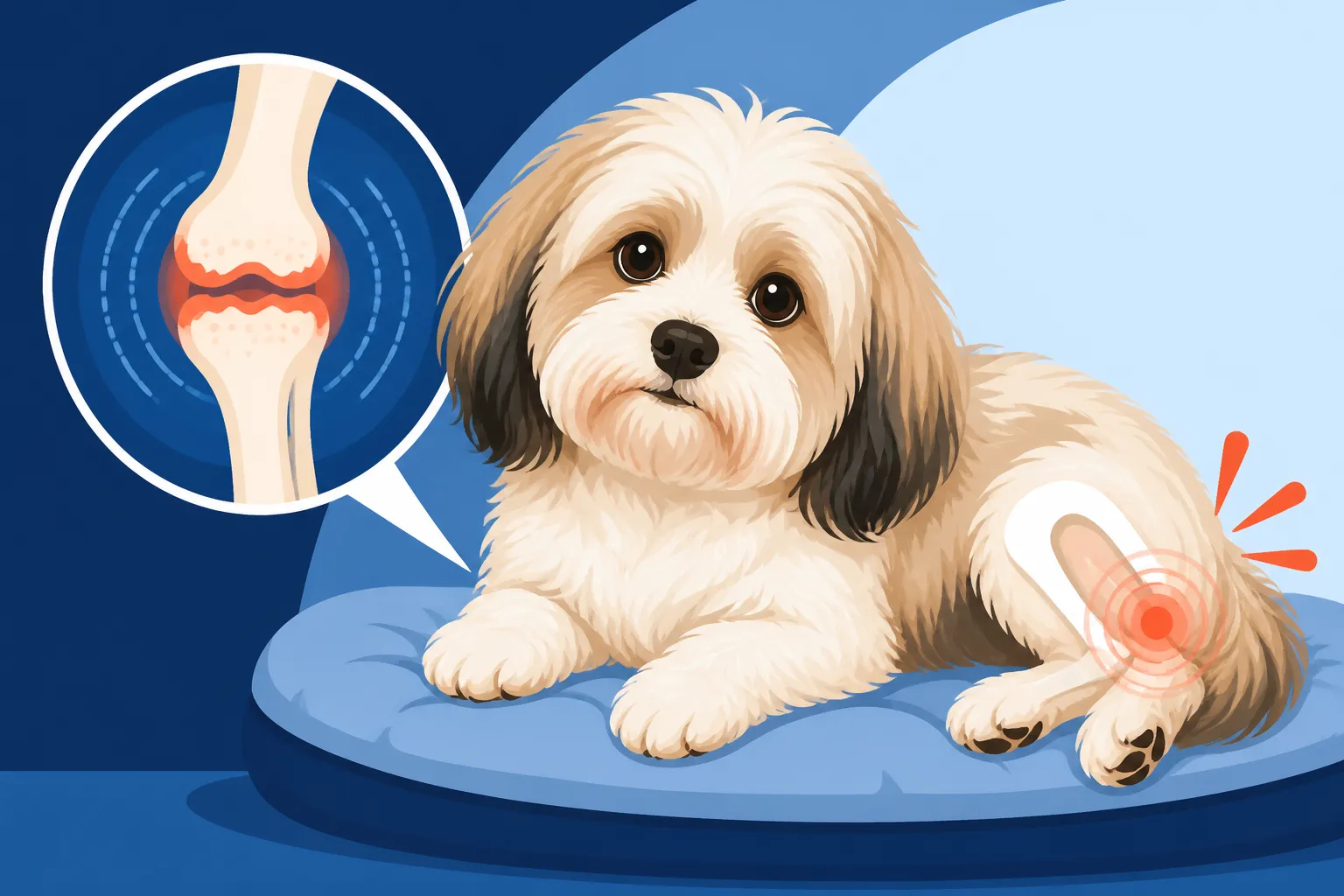
The fundamental issue in arthritis is the deterioration of articular cartilage, the smooth, slippery tissue that covers the ends of bones within a joint. This cartilage allows bones to glide effortlessly past each other. When it erodes, bones start to rub together, causing pain, inflammation, and the formation of bone spurs (osteophytes), which further restrict movement and add to the discomfort. Imagine having gravel in your knee – that's a bit like what your Havanese might be experiencing. It’s a chronic condition, meaning it won't go away, but it can absolutely be managed to improve your dog's quality of life significantly.
The Mechanisms Behind Joint Degeneration
While aging is the primary driver for arthritis in many senior dogs, it’s not the only factor. For our Havanese, their specific breed predispositions can also play a role in how and when arthritis develops. Conditions like patellar luxation, which causes "The Kneecaps a Havanese Slips", or even subtle hip abnormalities, though less common in small breeds, can create instability or uneven wear within the joint over many years. This constant, abnormal stress on the cartilage accelerates its breakdown.
Furthermore, past injuries, even seemingly minor ones from their younger, more boisterous days, can set the stage for arthritis later in life. A small sprain that healed without much fuss years ago might now be the site where arthritic changes are most pronounced. Even something as simple as being a bit overweight for an extended period can put extra strain on their joints, particularly the hips, knees, and elbows, contributing to the premature erosion of cartilage. It's a multi-faceted problem, often with a long history before it truly becomes noticeable.
Common Joints Affected in Havanese
While any joint can be affected by arthritis, certain areas are more prone to it in smaller breeds like the Havanese. The knees are often a primary concern, especially if your Havanese has a history of luxating patellas. The hips can also be affected, leading to discomfort in the hindquarters. You might also notice stiffness in their shoulders or elbows, particularly after they've been lying down for a while.
Spinal arthritis, affecting the vertebrae, is another area of concern for many small dogs. This can lead to stiffness in the back, difficulty going up or down stairs, or even a reluctance to be picked up. Because Havanese are generally quite active and love to jump, sometimes from furniture they probably shouldn't, over time, this can definitely impact their spinal health. This is why discussing whether a Havanese gets disc disease is often a point of conversation with your vet as they age. Understanding which joints are most likely to be painful helps you, as an owner, better observe your dog and communicate effectively with your veterinarian.
Recognizing the Signs of Arthritis in Your Twelve-Year-Old Havanese
One of the trickiest parts about arthritis in dogs, especially in stoic breeds like the Havanese, is that they are masters at hiding their pain. It’s a survival instinct, and it means by the time you notice obvious limping or crying out, the discomfort has likely been present for a while and has become quite significant. Learning to spot the subtle, early indicators is crucial for intervening promptly and improving their comfort.
A twelve-year-old Havanese might start showing changes that you might initially dismiss as just "getting old." Perhaps they're not greeting you at the door with the same exuberant wiggles, or they're hesitating before jumping onto the couch where they once leaped with abandon. These seemingly small shifts in behavior are often the first whispers of joint pain. Don't underestimate these changes; they're your dog trying to tell you something without saying a word.
Subtle Indicators of Joint Discomfort
Beyond the obvious limping, which is often a later sign, there are many subtle clues that your Havanese might be experiencing arthritic pain. Pay close attention to changes in their daily routine or demeanor. Are they sleeping more than usual, or struggling to find a comfortable position? You might notice a stiff gait, particularly first thing in the morning or after a nap, which might loosen up slightly as they move. They might also appear hesitant to use stairs or jump, which can be a direct result of joint pain. To help prevent further injury, you might consider if your dog needs a ramp or steps, especially thinking about whether a Havanese should use steps to the couch to mitigate these impacts.
Another common sign is a reluctance to play or engage in activities they once loved. If your Havanese suddenly seems less interested in a game of fetch or a walk around the block, it's not always just a sign of age; it could be that movement is simply too painful. You might also observe changes in their grooming habits, such as excessive licking or chewing at a particular joint, or conversely, neglecting to groom areas that are difficult to reach due to stiffness. Sometimes, irritability or a slight growl when touched in certain areas can also indicate pain, a defense mechanism against anticipated discomfort.
Advanced Symptoms and Differentiating Other Issues
As arthritis progresses, the symptoms tend to become more pronounced and difficult to ignore. You might see a noticeable limp that doesn't improve with movement, muscle wasting around affected joints (as they avoid using those muscles), or even a visible swelling in the joint. Some dogs may cry out when they move in a certain way, or become withdrawn and less interactive with the family. Severe cases can lead to a significant decrease in mobility, making it difficult for them to stand up, lie down, or even walk short distances.
It's important to remember that not all stiffness or changes in behavior are due to arthritis. Other conditions, such as neurological issues, injury, or even certain cancers, can mimic arthritic symptoms. For example, a Havanese might show hip pain for various reasons, not solely arthritis. This is why a thorough veterinary examination is absolutely essential. Your vet can perform physical manipulations, observe your dog's gait, and often recommend X-rays to confirm arthritis, assess its severity, and rule out other potential causes. They might look for signs of "The Age a Havanese Shows Hip Pain" and investigate whether those are due to arthritis or something else entirely.
Management Strategies for Havanese Arthritis
Once your veterinarian has diagnosed arthritis in your twelve-year-old Havanese, the good news is that there are many effective strategies to manage the condition and improve their comfort. The approach is usually multi-faceted, combining medication, lifestyle adjustments, and supportive therapies. The goal isn't to cure the arthritis – that's generally not possible – but to minimize pain, reduce inflammation, slow progression, and maintain as much mobility and quality of life as possible.
It's important to approach this as a partnership with your vet. What works best for one Havanese might not be ideal for another, so be prepared for a bit of trial and error as you find the optimal combination of treatments. Regular check-ups will be key to adjusting the plan as your dog's needs change over time.
Pain Relief and Anti-Inflammatory Medications
The cornerstone of arthritis management is often medication aimed at reducing pain and inflammation. Non-Steroidal Anti-Inflammatory Drugs (NSAIDs) like carprofen (Rimadyl), meloxicam (Metacam), or firocoxib (Previcox) are commonly prescribed. These drugs work by blocking specific enzymes that cause inflammation and pain. While incredibly effective, NSAIDs require careful monitoring, as they can have side effects, especially on the liver and kidneys. Your vet will likely recommend regular blood tests to ensure your Havanese is tolerating the medication well.
For more severe pain, or when NSAIDs alone aren't enough, your vet might add other medications. Gabapentin, for instance, is often used to manage chronic nerve pain associated with arthritis. Amantadine is another option that can help with chronic pain pathways. In some cases, a corticosteroid might be used for short periods to control severe flare-ups, but their long-term use is generally avoided due to significant side effects. Newer injectable medications, like Librela (bedinvetmab) which targets Nerve Growth Factor (NGF), offer a different approach to pain management and have shown great promise in improving comfort with fewer systemic side effects, providing a monthly option for consistent relief.
Lifestyle Adjustments and Supportive Therapies
Medication is just one piece of the puzzle. Significant improvements in your Havanese's comfort can come from simple lifestyle adjustments at home. Providing orthopedic dog beds that support their joints can make a huge difference in their ability to rest comfortably. Ramps or pet stairs can help them access furniture they still enjoy, without the painful impact of jumping. Consider whether a Havanese needs a stroller for longer outings to still enjoy the fresh air without overtaxing their joints.
Physical therapy, including hydrotherapy (underwater treadmill), massage, and targeted exercises, can strengthen supporting muscles, improve range of motion, and reduce pain. These therapies are often performed by certified veterinary rehabilitation professionals and can be incredibly beneficial. Acupuncture is another complementary therapy that many owners find effective for pain relief. Nutritional management is also critical; maintaining a lean body weight is paramount. Discuss with your vet whether a Havanese should be kept slim for its joints, as even a pound or two overweight can exacerbate arthritis pain. High-quality dog food formulated for senior dogs or those with joint support is also a good idea.
The Role of Joint Supplements and Diet
Joint supplements can play a valuable role in supporting joint health, particularly in conjunction with other treatments. Glucosamine and chondroitin sulfate are probably the most well-known. They are believed to help repair and maintain cartilage and reduce inflammation. Omega-3 fatty acids, especially EPA and DHA found in fish oil, have powerful anti-inflammatory properties that can significantly benefit arthritic joints. Brands like Dasuquin, Cosequin, and Glycoflex are popular choices often recommended by veterinarians.
| Supplement Ingredient | Primary Benefit | How It Helps Your Havanese |
|---|---|---|
| Glucosamine | Cartilage repair | Helps stimulate the production of new cartilage and synovial fluid, improving joint lubrication and cushioning. |
| Chondroitin Sulfate | Cartilage protection | Inhibits enzymes that break down cartilage and enhances cartilage elasticity, also improving shock absorption. |
| Omega-3 Fatty Acids | Anti-inflammatory | Reduces inflammation in the joints, easing pain and stiffness. Also supports skin and coat health. |
| MSM (Methylsulfonylmethane) | Anti-inflammatory, pain relief | A natural sulfur compound that helps reduce inflammation and oxidative stress, potentially easing discomfort. |
| Green Lipped Mussel | Anti-inflammatory, joint support | Contains a rich blend of omega-3s, glucosamine, and chondroitin, offering comprehensive joint benefits. |
It's crucial to discuss whether joint supplements help a Havanese with your veterinarian before adding them to your dog's regimen. They can recommend specific brands and dosages that are appropriate for your Havanese's size and condition. Diet plays a significant role too. Some prescription diets are specifically formulated with high levels of joint-supporting nutrients and omega-3s to help manage arthritis. For instance, brands like Hill's Prescription Diet j/d or Royal Canin Mobility Support often include these beneficial ingredients. Regular discussions about feeding an old Havanese and ensuring they get the right nutrients are vital.
Preventative Measures and Long-Term Care for Joint Health
While arthritis might feel inevitable for a senior Havanese, there are certainly steps you can take throughout their life, and especially as they approach their senior years, to minimize its impact or delay its onset. Proactive care is truly the best gift you can give your Havanese for a comfortable old age. Thinking about "Caring for a Havanese Past Twelve" begins long before they hit that milestone.
The aim is to keep their joints healthy and functional for as long as possible, understanding that wear and tear are part of life. Regular veterinary care, attentive observation, and consistent management are the pillars of long-term joint health for your beloved companion.
Maintaining a Healthy Weight and Consistent Exercise
One of the most impactful preventative measures, and crucial for long-term management, is maintaining your Havanese at a healthy, lean weight throughout their life. Excess weight puts incredible stress on all joints, accelerating cartilage breakdown and exacerbating existing arthritis. Think of it this way: every extra pound feels like many more pounds to their small joints. Work closely with your vet to determine the ideal weight for your Havanese and adjust their diet accordingly.
Consistent, moderate exercise is also vital. While a Havanese doesn't need marathon runs, daily gentle walks, and controlled playtime help keep their muscles strong, which in turn supports their joints. Avoid high-impact activities, especially as they age, that involve a lot of jumping or sudden stops. Instead, opt for shorter, more frequent walks. For instance, instead of one long, strenuous outing, consider two or three shorter, leisurely strolls. This helps maintain joint flexibility and muscle mass without putting undue strain on arthritic joints. It’s all about finding the right balance of how much exercise a Havanese needs to stay fit without overdoing it.
Regular Veterinary Check-ups and Early Intervention
Regular veterinary check-ups are paramount, especially as your Havanese enters their senior years, typically around the age of eight or nine. During these visits, your vet can conduct thorough physical examinations, paying close attention to joint mobility and any signs of pain or stiffness. Early detection means earlier intervention, which can significantly slow the progression of arthritis and keep your Havanese more comfortable for longer. These check-ups are also an opportunity to discuss any subtle changes you've noticed at home, no matter how insignificant they might seem.
Your vet might recommend regular screening X-rays as your Havanese ages, especially if they have a known predisposition to certain joint issues. They can also advise on appropriate preventative joint supplements to start giving before overt signs of arthritis appear. Catching those initial whispers of joint trouble, rather than waiting for obvious lameness, is key to giving your Havanese the best chance at comfortable golden years. Remember that Havanese can live for "The Fourteen to Sixteen Years a Havanese Lives," so comprehensive long-term care is an investment in their happiness.
Considering Pet Insurance for Chronic Conditions
Managing arthritis, particularly in its advanced stages, can involve ongoing veterinary appointments, multiple medications, and specialized therapies like hydrotherapy or acupuncture. These costs can add up quickly over months and years, becoming a significant financial burden for some families. This is where pet insurance, like plans offered by Healthy Paws, can become an invaluable tool.
Many pet insurance policies cover chronic conditions like arthritis, meaning that once your Havanese is diagnosed and covered (provided it's not a pre-existing condition before enrollment), a significant portion of the eligible costs for treatments, medications, and even rehabilitation therapies can be reimbursed. Having this financial safety net can allow you to pursue the best possible care for your Havanese without having to make difficult decisions based solely on cost. It provides peace of mind, knowing that you can afford the best quality of life care for your senior companion through their ongoing journey with arthritis. Pet insurance can make a tangible difference in a Havanese's long-term care, helping manage unpredictable expenses from conditions like arthritis.
Keeping Your Arthritic Havanese Comfortable at Home
Creating a comfortable and safe home environment is crucial for a Havanese living with arthritis. Even with medication and therapies, daily life can still present challenges. Thinking about simple modifications around your house can reduce pain, prevent further injury, and make your dog's daily routines much easier and more enjoyable. These aren't grand renovations, but thoughtful adjustments that show your Havanese how much you care.
Your home should be a sanctuary, not a series of obstacles for your stiff-jointed friend. Every small adjustment contributes to their overall well-being and helps them maintain their independence and dignity as they navigate their golden years.
Environmental Modifications for Easier Mobility
One of the first things to address is access to elevated surfaces. If your Havanese loves to snuggle on the couch or sleep in bed with you, providing small ramps or pet stairs is a game-changer. This eliminates the need for painful jumping, which can jar already sensitive joints. You might even consider having multiple sets of steps for different furniture pieces your dog frequents. Think about whether jumping off the bed hurts a Havanese and how you can prevent it.
Slippery floors, such as hardwood, tile, or laminate, can be a major challenge and even dangerous for arthritic dogs. Their weakened muscles and stiff joints make it harder to gain traction, leading to slips and falls that can cause further injury. Lay down non-slip rugs or runners in areas where your Havanese walks frequently, especially near their eating area, sleeping spot, and main pathways. Toe grips or non-slip socks can also be very helpful for added traction. Ensure their favorite resting spots include orthopedic dog beds that suit an arthritic Havanese, providing proper support and cushioning.
Enrichment and Mental Stimulation
While physical activity might need to be modified, mental stimulation is more important than ever for an arthritic Havanese. Keeping their minds active helps prevent boredom, reduces anxiety, and maintains their overall cognitive function. Puzzle toys that dispense treats, slow feeder bowls, or interactive games can provide engaging activities without putting stress on their joints.
Gentle, controlled play sessions are also beneficial. Even if they can't chase a ball across the yard, a short game of "find the treat" indoors or a gentle tug-of-war can still be fun and stimulating. Continue to interact with them, offer praise, and keep their social life active. A Havanese that cannot move as freely as before can sometimes become withdrawn or even depressed, so maintaining their connection with you and the family is vital. Whether an old Havanese still wants to play is often a question of finding new, gentle ways to engage them.
Disclaimer
This article is intended for informational purposes only and does not constitute medical advice. Always consult with a qualified veterinarian for any health concerns or before making any decisions about your Havanese's care, diet, or treatment plan. Individual needs can vary, and a professional diagnosis and personalized recommendations are essential.