Whether a Havanese Gets Tear Staining
If you're a Havanese parent, you know that beautiful, flowing coat is a labor of love. But alongside the brushing and topknots, many of us face a persistent, often frustrating challenge: those reddish-brown streaks that seem to permanently mar our pup's sweet face. Tear staining on a Havanese isn't just a cosmetic issue; it can signal underlying health concerns or simply be a constant battle against moisture and yeast. This guide is here to walk you through why these stains appear, what might be causing them, and most importantly, what practical steps you can take to keep your Havanese's eyes bright and their face clean and healthy.
Understanding Havanese Tear Staining
It’s almost a rite of passage for Havanese owners to grapple with tear staining. One day your puppy’s face is pristine, and the next, you notice those telltale reddish-brown lines beneath their eyes. This common issue, known scientifically as epiphora when it refers to excessive tearing, isn't unique to Havanese, but their light-colored coats often make it much more noticeable. The stains themselves aren't just tears; they're usually the result of porphyrins, iron-containing molecules that are excreted in your dog's tears, saliva, and urine. When these porphyrin-rich tears sit on the fur, especially in the presence of sunlight, they oxidize and create that distinctive rust-colored discoloration. What often complicates this is the moist environment created by constant tearing, which becomes a breeding ground for yeast and bacteria, specifically Malassezia or Staphylococcus, which can add a darker, sometimes almost black or greenish tint to the stains and often a mild odor.
The Science Behind the Reddish-Brown Marks
Porphyrins are naturally occurring pigments. Every dog produces them, but not every dog stains visibly. It’s a bit like us producing iron in our blood; it’s a normal bodily function. When tears flow excessively and dry on the fur, the porphyrins in those tears oxidize upon exposure to light and air. Think of an apple slice turning brown after being exposed to the air. The longer the tears are on the fur, and the more exposure to light, the more pronounced the staining becomes. This is why white or very light-colored Havanese are the poster children for tear stains – the contrast is undeniable.
Beyond porphyrins, if you notice the stains becoming darker, almost blackish, or acquiring a yeasty smell, it’s highly probable that bacteria or yeast have moved into the moist, warm environment under the eyes. This secondary infection can exacerbate the problem, making the area itchy and potentially causing skin irritation. It’s crucial to address both the underlying cause of the excessive tearing and the secondary infection to effectively manage the staining.
Why Havanese Are Prone to Tear Staining
Havanese, with their charming dark eyes and luxurious long hair, unfortunately, possess several characteristics that make them particularly susceptible to tear staining. Their facial structure plays a significant role. Many Havanese have shallow eye sockets, which can mean their eyes protrude slightly more, making them more exposed to irritants and more prone to tear overflow. Their expressive eyes also often have a looser eyelid structure or hair that grows directly into the eye itself, leading to constant irritation.
Then there's that beautiful double coat. While stunning, the hair around their eyes is often dense and fine, acting like a wick that draws tears down the face and holds moisture against the skin. This creates the perfect breeding ground for those aforementioned porphyrins and secondary microbial infections. Even without excessive tearing, if the hair is constantly damp, staining is likely to occur. Understanding these inherent breed traits helps explain why it's such a common complaint among Havanese enthusiasts and why a multi-faceted approach is often required for effective management. You can learn more about "Whether Hair in a Havanese's Eyes Causes Damage" to understand this aspect better.
Common Causes of Tear Stains in Havanese
Tear staining isn't usually just one thing; it's often a combination of factors. Pinpointing the exact cause for your individual Havanese can feel like detective work, but it's essential for finding an effective solution. Let's break down the most frequent culprits, from the mundane to the more serious.
Environmental Irritants and Allergies
Just like us, Havanese can be sensitive to their environment. Things like dust, pollen, and even household cleaning products can irritate their eyes, leading to increased tear production. If your Havanese tends to rub their face or blink excessively after being in a certain area or during specific seasons, environmental irritants might be at play.
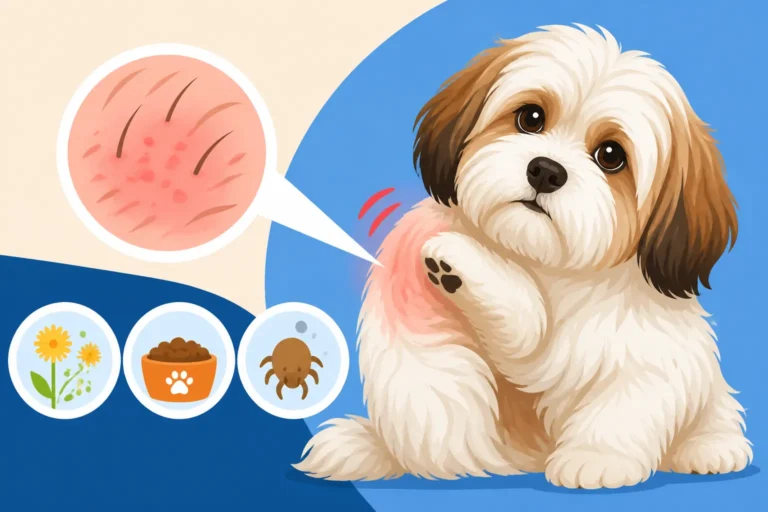
Food allergies are another common instigator. While not always obvious, certain ingredients in your dog's food can manifest as itchy skin, ear infections, or yes, excessive tearing and subsequent staining. Common culprits include chicken, beef, dairy, wheat, and corn. If you've tried everything else, exploring a novel protein or limited ingredient diet under veterinary guidance could be a game-changer. You might also want to look into "Skin Trouble Under a Havanese Coat" for more information on how allergies can affect their overall skin health.
Eyelid and Eyelash Anomalies
Sometimes, the problem is purely structural. Eyelid issues are quite common in toy breeds. Conditions like entropion (eyelid rolls inward, causing eyelashes to rub against the eye) or ectropion (eyelid rolls outward, exposing the eye) can cause chronic irritation and tearing. Distichiasis, where extra eyelashes grow from the eyelid margin and rub the eye, or ectopic cilia, where a lash grows from the inner surface of the eyelid, are also painful and lead to constant tearing.
While these sound serious, mild cases might just cause persistent staining. A vet can often diagnose these with a simple eye exam. Corrective surgery is sometimes an option, but for milder cases, careful grooming and regular cleaning can often help manage the symptoms.
Poor Grooming and Hygiene
This is a big one for Havanese. Their glorious coats, if not managed properly, can become part of the problem. Hair growing too long around the eyes can physically wick tears down the face, keeping the area constantly wet. It can also poke directly into the eye, causing irritation.
Neglecting to regularly clean around the eyes creates a perfect breeding ground for bacteria and yeast, transforming a minor tear spill into a pronounced stain. Think about it: a perpetually damp, warm area on their face is an open invitation for microbial growth. Regular, gentle cleaning and strategic trimming are crucial preventative measures. It’s part of what a Havanese needs every day to stay tidy and comfortable.
Diet and Water Quality
While not always the primary cause, diet can definitely influence tear staining. As mentioned, food allergies can contribute. Beyond that, some believe that diets rich in fillers or artificial ingredients might increase inflammation or affect the body's pH balance, potentially leading to more tear production or a higher porphyrin content.
The quality of your dog's drinking water can also play a subtle role. Water with high mineral content, especially iron, is sometimes implicated. Switching to filtered or distilled water for a few weeks might show a noticeable difference for some dogs, though results can vary greatly.
Blocked Tear Ducts and Eye Infections
A blocked tear duct (nasolacrimal duct) can prevent tears from draining properly into the nasal cavity, causing them to spill over onto the face. Your vet can perform a simple test, called a fluorescein dye test, to see if the tear duct is open. They'll put a harmless green dye in the eye; if it doesn't appear in the nostril within a few minutes, a blockage might be present. Blockages can sometimes be flushed, but it's a delicate procedure.
Eye infections, like conjunctivitis, are another direct cause of excessive tearing. These infections can be bacterial, viral, or fungal. You'll likely see redness, swelling, discharge (which might be clear, yellow, or green), and your Havanese might be squinting or pawing at their eye. Any sign of infection warrants an immediate vet visit. This is why "Whether a Havanese Needs a Yearly Eye Exam" is so important for catching these issues early.
Other Health Issues
Though less common, other health problems can contribute to tear staining. Dental issues, especially those affecting the upper jaw or roots of the teeth near the eyes, can cause inflammation that irritates the tear ducts. If your Havanese has "Dental Crowding in a Havanese Mouth" or other dental problems, addressing those might indirectly help with tear staining.
Occasionally, structural problems like shallow eye sockets or even inherited conditions can lead to persistent epiphora. Sometimes, a vet will look for "Whether a Havanese Gets Dry Eye" because paradoxically, dry eye can sometimes cause an overproduction of watery tears as the eye tries to compensate for insufficient quality tear film.
Here’s a quick overview of potential causes:
| Cause | Typical Signs | Recommended Action |
|---|---|---|
| Environmental Irritants | Increased tearing in specific locations/seasons | Identify and minimize exposure, use air purifiers |
| Allergies (Food/Environmental) | Itching, skin irritation, ear infections, paw licking | Dietary changes, allergy testing, vet consultation |
| Eyelid/Eyelash Issues | Constant tearing, rubbing, visible irritation, pain | Vet exam, possible surgery or regular trimming |
| Poor Grooming | Long hair poking eyes, matted fur around eyes | Regular trimming, daily cleaning, proper brushing |
| Diet / Water Quality | Persistent staining despite other efforts | Filtered water, high-quality dog food, vet advice |
| Blocked Tear Ducts | Clear, watery overflow, no other signs of infection | Vet exam, fluorescein test, duct flushing |
| Eye Infections | Redness, discharge, squinting, pain | Immediate vet visit for diagnosis and medication |
| Dental Problems | Bad breath, pain when eating, visible tooth issues | Vet dental exam, professional cleaning or extractions |
Practical Solutions and Management
Alright, so you’ve narrowed down the potential causes, or at least you’re ready to tackle this problem head-on. Managing Havanese tear stains is often a consistent, multi-pronged effort. There's no single magic bullet, but a combination of diligence and the right approach can make a huge difference.
Daily Cleaning Routines
Consistency is key here. Daily cleaning is paramount, regardless of the underlying cause. You want to remove tears before they have a chance to dry and oxidize, and you want to keep the area dry to prevent bacterial and yeast growth.
- Gentle Wiping: Use a soft, lint-free cloth or cotton pad dampened with warm water. Gently wipe the area below the eyes, moving away from the eye itself. Be extremely careful not to touch the eyeball.
- Specialized Wipes/Solutions: There are many over-the-counter tear stain removers available. Look for products specifically formulated for dogs that are gentle and free of harsh chemicals. Many contain mild astringents or cleansers. Some products contain boric acid, which helps remove stains, or colloidal silver, known for its antimicrobial properties. Always read labels carefully and introduce any new product slowly to ensure your Havanese doesn't have a reaction. For persistent stains, you might consider something like Angel's Eyes or Eye Envy, which are popular choices among Havanese owners for their effectiveness, though always check ingredients and reviews. Remember, the goal is "Cleaning the Tear Marks Under a Havanese's Eyes" not just for aesthetics but for health.
- Drying: After wiping, gently pat the area completely dry. You can use a clean, dry corner of the cloth or even a clean cotton ball. Keeping the area dry is critical for preventing yeast and bacterial growth.
- Frequency: Ideally, aim for at least once a day, or even twice a day if staining is severe.
Grooming Strategies to Prevent Staining
Proper grooming around the eyes is non-negotiable for a Havanese. That beautiful long coat can quickly become a detriment if not maintained.
- Trimming Hair Around Eyes: This is probably the most impactful grooming step. You want to keep the hair around your Havanese's eyes very short to prevent it from wicking tears or poking into the eye. Use blunt-nosed scissors and be incredibly careful, perhaps even having a second person hold your dog's head steady. A professional groomer can do a fantastic job with a "sanitary trim" around the eyes.
- Topknots or Bands: If your Havanese has a long topknot, tying it up with a small, soft elastic band or clip keeps it out of their eyes. This not only prevents irritation but also helps keep that delicate facial hair dry.
- Regular Full Grooms: Regular visits to a professional groomer who understands the Havanese coat can make a world of difference. They can keep the face trimmed appropriately and spot any matting or skin irritation early on. This is especially true for "The Puppy Cut Most Havanese Owners End Up Choosing" as it keeps the hair short and manageable around the face.
Dietary Adjustments and Supplements
While not a cure-all, diet can certainly play a supportive role in managing tear stains.
- High-Quality Food: Opt for a high-quality dog food with easily digestible ingredients and no artificial colors, flavors, or preservatives. Some owners find grain-free diets helpful, especially if allergies are suspected.
- Filtered Water: As mentioned, some believe mineral content in tap water can exacerbate staining. Switching to filtered or distilled water for a period might be worth trying.
- Probiotics: A healthy gut contributes to a healthy immune system. Probiotics can help balance gut flora, which in turn might reduce systemic inflammation or allergic responses that contribute to tearing. Consult your vet before adding supplements.
- Tear Stain Supplements: There are oral supplements marketed for tear stain reduction. Many of these work by addressing the microbial overgrowth. Ingredients like Tylosin (an antibiotic) were once common but are now controversial due to concerns about antibiotic resistance and off-label use. Newer, safer options often contain natural ingredients like cranberry extract or apple cider vinegar, which aim to make the body less hospitable to yeast and bacteria. Always discuss these with your vet, especially if your Havanese is on any medications or has existing health conditions. When considering such things, it's wise to have good pet insurance like Healthy Paws to cover unexpected vet costs if something goes awry.
When to See the Vet
While many cases of tear staining are cosmetic or easily managed at home, there are definite times when a professional veterinary opinion is crucial. Ignoring persistent or worsening symptoms can lead to more serious eye problems or discomfort for your beloved Havanese.
Recognizing Signs of Underlying Health Issues
Don't just write off severe or sudden tear staining as "just a Havanese thing." Pay close attention to accompanying symptoms:
- Excessive Pawing or Rubbing: If your Havanese is constantly pawing at their eyes or rubbing their face on furniture or the carpet, it indicates significant discomfort or itchiness. This is a clear sign that something is irritating them beyond simple tearing.
- Redness or Swelling: Any visible redness in the white of the eye (sclera), swelling of the eyelids, or puffiness around the eye area signals inflammation or infection.
- Discharge: While watery tears are normal, thick, yellow, green, or goopy discharge is a definite red flag for an eye infection.
- Squinting or Holding Eye Shut: This is a classic sign of pain or severe irritation, possibly due to a scratch on the cornea, a foreign object in the eye, or an infection.
- Cloudiness or Change in Eye Appearance: Any cloudiness in the eye itself, changes in pupil size, or a dullness to the eye's surface should prompt immediate veterinary attention. This could indicate cataracts, glaucoma, or other serious conditions.
- Sudden Onset or Worsening Stains: If tear staining suddenly appears or significantly worsens over a short period, especially if it's accompanied by any of the above symptoms, it's time to call the vet.
What Your Vet Will Check For
When you take your Havanese in for tear staining, your veterinarian will conduct a thorough eye examination. They aren't just looking at the stains; they're trying to find the root cause of the excessive tearing.
- General Eye Exam: They'll visually inspect the eyes, eyelids, and surrounding structures for any obvious abnormalities, redness, swelling, or discharge.
- Fluorescein Stain Test: This test involves applying a harmless orange dye to the eye. If there's a scratch or ulcer on the cornea, the dye will stick to it and glow under a special blue light, making damage visible. It's also used to check if the tear ducts are open, as the dye should drain into the nostrils within minutes.
- Schirmer Tear Test: This measures tear production to rule out conditions like dry eye (keratoconjunctivitis sicca or KCS). Sometimes, ironically, dry eye can cause reflex tearing that is of poor quality, leading to staining.
- Eyelid and Eyelash Examination: The vet will carefully examine the eyelids for entropion, ectropion, or any abnormal eyelashes (distichiasis or ectopic cilia) that might be rubbing the eye.
- Hair Check: They'll assess the amount of hair around the eye and whether it's irritating the eye or wicking tears.
- Allergy Discussion: Your vet might discuss your Havanese's diet, environment, and any other allergy symptoms (itching, ear infections) to determine if allergies are a contributing factor. For these more complex investigations, having pet insurance like Healthy Paws can really ease the financial burden. They often cover diagnostics and treatments for chronic conditions once a diagnosis is made, which is reassuring when you're trying to get to the bottom of persistent issues.
Based on their findings, your vet might recommend specific treatments, such as medicated eye drops for infections, antibiotics for bacterial overgrowth, allergy management, or even a referral to a veterinary ophthalmologist for more complex structural issues. Early intervention is always best, so don’t hesitate to seek professional advice.
Long-Term Prevention and Maintenance
Managing tear stains on your Havanese is a marathon, not a sprint. Once you've identified and addressed any underlying medical issues, the key is consistent, diligent long-term prevention and maintenance. This isn't just about aesthetics; it's about your Havanese's comfort and eye health.
Establishing a Consistent Routine
The best defense against tear staining is a proactive daily routine. Think of it like brushing your own teeth – it's something you do without fail.
- Daily Face Wipes: As discussed, wiping the area around your Havanese's eyes daily (or twice daily for severe cases) is non-negotiable. This removes fresh tears before they can oxidize and prevents moisture buildup. Use a soft cloth dampened with warm water or a vet-approved tear stain wipe. Follow up by gently patting the area completely dry with a clean, soft towel or cotton pad.
- Regular Trimming: Keep the hair around their eyes consistently trimmed short. If you're comfortable using blunt-nosed scissors, do this carefully at home, or schedule regular "face trims" with a professional groomer every 2-4 weeks. This prevents hair from irritating the eyes or wicking tears.
- Dietary Vigilance: Stick to a high-quality diet. If you’ve identified food sensitivities, avoid those ingredients rigorously. Consider filtered water as a consistent choice. Any sudden changes in diet can sometimes trigger tear production.
- Environmental Control: Be mindful of dust, smoke, and strong cleaning fumes in your home. Use an air purifier in rooms where your Havanese spends a lot of time, especially during allergy seasons.
The Role of Regular Vet Check-ups
Even with the most meticulous home care, regular veterinary check-ups remain vital for long-term prevention and overall health.
- Annual Eye Exams: Make sure your Havanese has a thorough eye examination as part of their annual wellness visit. This allows your vet to catch any subtle changes, developing issues like "Hereditary Cataracts in a Havanese", or reoccurring problems before they become severe. Early detection can prevent discomfort and more extensive treatment down the line.
- Dental Health: Discuss your Havanese's dental health with your vet. Poor oral hygiene can sometimes indirectly affect tear ducts, so proactive dental care, including professional cleanings when recommended, is part of a holistic approach to health. Learn about "The Dental Work Every Havanese Needs by Six" to understand its importance.
- Allergy Management: If allergies are a persistent issue, your vet can help develop a long-term management plan, which might include specific foods, medications, or environmental modifications.
- Reviewing Staining Progress: Discuss the effectiveness of your tear stain management routine with your vet. They can offer new suggestions, recommend different products, or suggest further diagnostics if the problem persists despite your best efforts. Sometimes, what works for one Havanese might not be as effective for another, and your vet's ongoing guidance is invaluable. It’s comforting to know that pet insurance companies like Healthy Paws are there to support these essential vet visits and specialized treatments, helping you keep your Havanese as healthy and stain-free as possible.
Remember, a consistent approach is what ultimately leads to success in managing Havanese tear stains. It’s a commitment to their well-being, and with a bit of patience and diligence, you can keep your Havanese looking and feeling their best.
Disclaimer
This article is for general informational purposes only and does not constitute professional advice. Laws, prices and regulations vary by location and change over time. Consult a qualified professional for guidance on your specific situation.