Whether a Havanese Gets Cushing’s
It’s a tough moment for any Havanese owner when you notice subtle changes in your beloved companion, especially as they get a little older. You start to wonder if those extra trips to the water bowl, the thinning patch of fur, or that slightly pot-bellied look are just signs of aging, or if something more serious is at play. One of the conditions that often crosses a concerned pet parent's mind is Cushing's disease. This guide is here to shed light on whether Havanese are susceptible to Cushing's, what signs to look for, and how this condition is managed.
Understanding Cushing's Disease in Havanese
Cushing's disease, or hyperadrenocorticism, sounds complicated, and frankly, it can be. But at its core, it’s a condition where your Havanese’s body produces too much cortisol, a crucial hormone produced by the adrenal glands. Cortisol plays many roles, from managing stress to controlling metabolism and inflammation, but too much of a good thing can wreak havoc on a dog's system. It’s a concern many Havanese owners face, as our furry friends are living longer, healthier lives, but also becoming more susceptible to age-related conditions.
What Exactly Is Cushing's Disease?
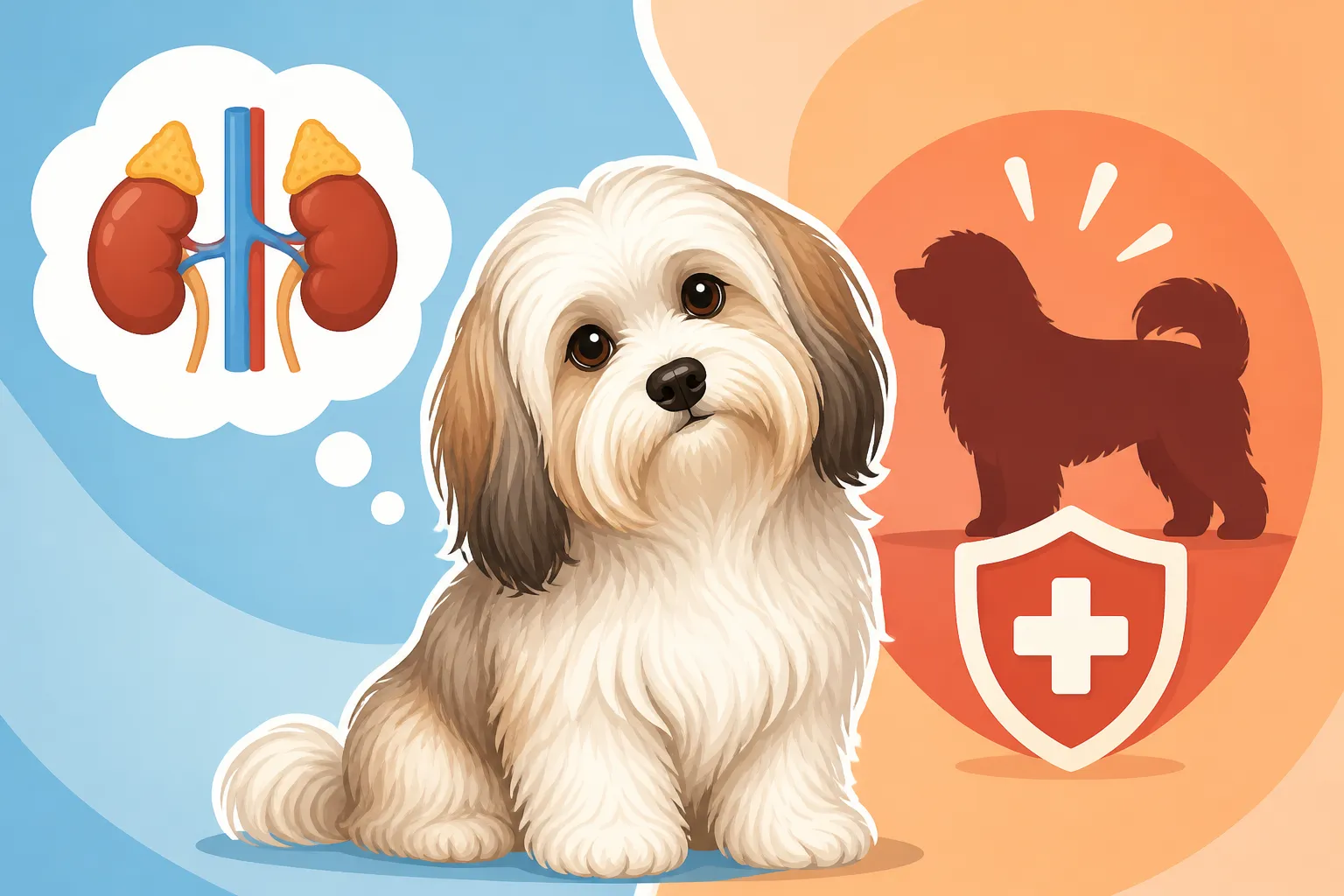
Imagine your Havanese's adrenal glands, two small glands near their kidneys, as tiny cortisol factories. Under normal circumstances, these factories produce just the right amount of hormone, regulated by a master gland in the brain called the pituitary. With Cushing's disease, either the pituitary gland goes a bit haywire, overstimulating the adrenal glands, or one of the adrenal glands itself decides to go into overdrive, pumping out excessive cortisol. This constant flood of cortisol throughout the body starts to affect nearly every organ system, leading to a cascade of often subtle, and sometimes not-so-subtle, symptoms. It’s not an overnight change, but a gradual process that slowly alters your dog's health and demeanor.
Why Small Breeds Like the Havanese Are Susceptible
While Cushing's can affect any dog, there does seem to be a tendency for it to appear more frequently in certain breeds, and yes, that often includes our smaller companions like the Havanese. It's not entirely clear why, but a combination of genetics and the general aging process in smaller dogs often plays a role. Just like we see with The Kneecaps a Havanese Slips or other hereditary conditions, some Havanese lines may simply be more predisposed to developing hormonal imbalances over time. Breeders often try to minimize these risks through careful screening, but Cushing's can still emerge unexpectedly in any dog, particularly as they reach their senior years. It’s just one of those things we as owners need to be aware of, especially as we celebrate The Fourteen to Sixteen Years a Havanese Lives and beyond with our furry family members.
The Different Types of Cushing's
Cushing's disease isn't a one-size-fits-all diagnosis; there are actually a few different types, and understanding them helps in deciding the best course of action.
First, and most common, is Pituitary-Dependent Hyperadrenocorticism (PDH). This accounts for about 80-85% of natural cases. Here, a small, benign tumor on the pituitary gland in the brain overproduces a hormone called ACTH. This ACTH then tells the adrenal glands to pump out way too much cortisol. Think of it as the pituitary being the overzealous manager telling the factory (adrenal glands) to work overtime, even when it’s not necessary. The good news is that these pituitary tumors are usually very small and rarely spread.
Next, we have Adrenal-Dependent Hyperadrenocorticism (ADH), making up about 15-20% of cases. In this scenario, the problem originates directly in one of the adrenal glands. A tumor, which can be benign or malignant, develops on one of the adrenal glands and starts producing excessive cortisol all on its own, without waiting for instructions from the pituitary. This type can sometimes be more serious, especially if the tumor is cancerous.
Finally, there's Iatrogenic Cushing's Disease. This one is a bit different because it's not a natural occurrence but is caused by external factors. Specifically, it happens when a dog receives long-term, high-dose corticosteroid medications, perhaps for allergies, arthritis, or another inflammatory condition. While these medications can be life-saving and incredibly beneficial, their prolonged use mimics the effects of the body producing too much natural cortisol, leading to Cushing's symptoms. Your vet will always weigh the benefits and risks of such medications, especially in a breed like the Havanese where sensitivities can sometimes pop up.
Recognizing the Subtle Signs and Symptoms in Your Havanese
Noticing the signs of Cushing’s can be tricky because many of them mimic normal aging changes or symptoms of other common health issues. It's a condition that creeps up slowly, making it easy to dismiss early indicators. However, as a dedicated Havanese parent, you're often the first to pick up on these subtle shifts in your dog's health and behavior. Keeping an eye out for these changes is crucial for early detection and better management.
Early Warning Signals That Are Easy to Miss
The very first signs of Cushing's often blend seamlessly into the everyday life of your Havanese, making them incredibly easy to overlook or attribute to something else. Have you noticed your Havanese seems a bit thirstier lately, always emptying their water bowl and then needing to go outside more often? This increased thirst (polydipsia) and urination (polyuria) are classic early indicators. You might find yourself refilling the water bowl more frequently or having more accidents in the house, especially if your Havanese was previously perfectly housetrained.
Another common, yet often dismissed, sign is an increased appetite. Your Havanese might suddenly act like they’re perpetually starving, begging for food more intensely, or even trying to steal snacks off the counter – behaviors that weren’t typical for them before. This could also manifest as a tendency to put on weight despite no change in diet or exercise. Perhaps you’ve been considering Whether a Havanese Should Be Kept Slim for Its Joints and found it harder to maintain their ideal weight. These changes, though seemingly minor, are your Havanese trying to tell you something.
More Obvious Physical Changes to Watch For
As Cushing's progresses, the physical manifestations become more noticeable, often pointing clearly towards an underlying issue. One of the most classic signs is a "pot-bellied" appearance. This isn't just weight gain; it's due to weakened abdominal muscles and a redistribution of fat, giving your otherwise small Havanese a disproportionately round belly. You might also observe thinning skin, making your dog's skin feel delicate or appearing almost translucent in some areas.
Hair loss, particularly on the trunk and flanks, but sparing the head and legs, is another tell-tale sign. Your Havanese's once luxurious coat, which is usually a marvel to behold, might start looking patchy or dull. It’s not just normal shedding; this is actual hair thinning to the point where skin is visible. Along with this, you might notice the skin becoming darker (hyperpigmentation) or developing blackheads (comedones). These changes can often lead owners to worry about Skin Trouble Under a Havanese Coat or other dermatological issues, but Cushing's should definitely be on the differential list.
Less common but still significant physical signs can include muscle weakness, leading to a reluctance to jump on furniture or go for walks. You might notice them panting excessively, even when resting or in cool environments, due to the effect of cortisol on the respiratory system.
Behavioral Shifts and Energy Levels
Beyond the physical, Cushing's can also bring about subtle yet impactful changes in your Havanese's personality and energy levels. While every dog has their off days, a persistent increase in lethargy or a general decrease in enthusiasm for playtime or walks could be a red flag. Your once spunky and playful Havanese, the one who loves to do Teaching a Havanese Tricks It Will Perform All Day, might seem less engaged, preferring to nap more often. This isn't just The Signs a Havanese Is Getting Old; it's a profound shift that needs attention.
On the flip side, some dogs might become more restless or anxious, pacing more often or having trouble settling down. The hormonal imbalance can affect their mood and cognitive functions, leading to confusion or a change in their typical demeanor. You might notice them seeking comfort more often or seeming more withdrawn. It's truly heartbreaking to see these beloved changes, and it's essential to communicate all these observations to your veterinarian. They’ll help you distinguish between normal aging processes and something more indicative of an underlying condition like Cushing’s.
Here's a quick summary of what to watch for:
| Symptom Category | Specific Signs to Observe in Your Havanese |
|---|---|
| Thirst & Urination | Increased drinking, more frequent urination, house training accidents |
| Appetite & Weight | Constant hunger, weight gain, pot-bellied appearance |
| Coat & Skin | Thinning hair (especially on body), dull coat, thin skin, dark patches |
| Energy & Behavior | Lethargy, reduced activity, excessive panting, muscle weakness |
| Other | Recurrent skin infections, slow wound healing |
Diagnosing Cushing's in Your Havanese: A Vet's Perspective
If you’ve noticed several of the subtle or more obvious signs of Cushing’s in your Havanese, the next logical step is a visit to your veterinarian. Diagnosing Cushing’s isn't always a straightforward process; it can often feel like solving a mystery, as the symptoms overlap with so many other conditions. However, a systematic approach by your vet will help pinpoint the cause of your Havanese’s changes. Don't be discouraged if it takes a few visits or a battery of tests; it's all part of getting an accurate diagnosis for your furry friend.
The Initial Vet Visit and Physical Examination
When you first bring your Havanese in with concerns about Cushing's, your vet will start with a thorough physical examination and a detailed history. This is where your observations as an owner become incredibly valuable. Be ready to discuss everything you've noticed: changes in water intake, urination frequency, appetite, energy levels, coat quality, and any new behaviors. Your vet will look for specific physical clues like the pot-bellied appearance, thin skin, areas of hair loss, and muscle wasting. They’ll also check vital signs and listen to their heart, assessing for any murmurs that might indicate The Heart Murmur an Older Havanese Develops.
During this initial visit, your vet might already have a strong suspicion based on these findings, but remember, many conditions can mimic Cushing's. For example, hypothyroidism or diabetes can present with some similar signs. This is why further testing is almost always necessary to confirm the diagnosis and rule out other possibilities.
Diagnostic Tests: Bloodwork and Urinalysis
After the physical exam, your vet will likely recommend a baseline blood panel and a urinalysis. These tests are essential for getting a broader picture of your Havanese’s overall health and for screening for other conditions.
A complete blood count (CBC) might show an elevated white blood cell count (stress leukogram), which is common in Cushing’s. A chemistry panel can reveal elevated liver enzymes, particularly alkaline phosphatase (ALP), which is a very common finding in dogs with Cushing's, sometimes reaching extremely high levels. It's not uncommon for a Havanese to have Whether a Havanese Needs a Yearly Blood Panel as part of their routine senior care, and these results can often be the first clue.
The urinalysis will assess urine concentration, looking for dilute urine which is typical with increased thirst. It can also detect protein in the urine or signs of a urinary tract infection, which are more common in dogs with Cushing's due to the suppressive effects of cortisol on the immune system. Finding a diluted urine sample often points towards a problem with water regulation, which is a hallmark sign of this disease.
Advanced Testing for Confirmation: ACTH Stimulation and Low-Dose Dexamethasone Suppression Tests
Once preliminary tests suggest Cushing's, specific hormonal tests are needed for confirmation. These are the "gold standard" diagnostic tools.
The ACTH (Adrenocorticotropic Hormone) Stimulation Test is a commonly used test. Here’s how it works: your Havanese will have a baseline blood sample taken to measure their initial cortisol level. Then, they'll receive an injection of synthetic ACTH, which should stimulate the adrenal glands to produce cortisol. After a specific time (usually one to two hours), another blood sample is taken. In a dog with Cushing's, the adrenal glands will overreact to the stimulation, producing an exaggerated amount of cortisol compared to a healthy dog. This test is excellent for diagnosing Cushing’s and also for monitoring treatment once medication has started.
The Low-Dose Dexamethasone Suppression Test (LDDST) is another powerful diagnostic tool. Dexamethasone is a synthetic corticosteroid that should suppress the body's natural cortisol production in a healthy dog. For this test, your Havanese will have an initial blood sample taken. Then, they'll receive a small dose of dexamethasone. Further blood samples are then taken at specific intervals (often 4 and 8 hours later). In a dog with Cushing's, the body's cortisol production will not be suppressed as expected, indicating that the adrenal glands are still overproducing cortisol. This test can also sometimes help differentiate between pituitary-dependent and adrenal-dependent Cushing's, although further imaging might still be necessary for a definitive distinction.
Both tests are crucial, and your vet might choose one over the other based on your dog's specific symptoms and other diagnostic findings. It's a journey, but these tests provide the concrete answers needed to move forward with a treatment plan.
Managing Cushing's Disease in Your Havanese: Treatment Options
Receiving a diagnosis of Cushing's disease can feel overwhelming, but the good news is that for most Havanese, the condition can be successfully managed with appropriate treatment. While there's no outright "cure" for most natural cases, particularly pituitary-dependent ones, controlling the excessive cortisol production can significantly improve your dog's quality of life and extend their healthy years. The goal is to reduce the symptoms and keep your Havanese comfortable and happy.
Medical Management: Medications and Their Role
For the vast majority of dogs with pituitary-dependent Cushing's (PDH), medical management is the cornerstone of treatment. The primary goal is to reduce the amount of cortisol circulating in the body.
The most commonly prescribed medication is Trilostane (brand name Vetoryl). This drug works by inhibiting an enzyme involved in cortisol production within the adrenal glands, effectively turning down the "factory" output. It's a widely used and generally safe medication, but it requires careful monitoring. Your Havanese will need regular check-ups and follow-up ACTH stimulation tests to ensure the dosage is correct and that cortisol levels are being appropriately managed. Too little medication, and symptoms persist; too much, and your dog could develop symptoms of Addison's disease (the opposite condition, where cortisol levels are too low).
Another medication, though used less frequently now, is Mitotane (Lysodren). This drug works by selectively destroying parts of the adrenal gland that produce cortisol. It's a more aggressive treatment and carries a higher risk of side effects, so it's typically reserved for cases that don't respond well to trilostane or in specific adrenal tumor situations.
Regardless of the medication chosen, consistency is key. Your Havanese will likely need to be on medication for the rest of their life. This ongoing care, including medication and vet visits, can become a significant part of your pet care budget. Many owners find that pet insurance, such as through Healthy Paws, can be a real lifesaver when it comes to managing the costs associated with chronic conditions like Cushing’s. It’s always a good idea to consider these financial aspects when planning for your Havanese’s long-term health.
Surgical Intervention for Adrenal Tumors
While medical management is the go-to for pituitary-dependent Cushing's, surgical intervention becomes a primary consideration if your Havanese has adrenal-dependent Cushing's (ADH) caused by a tumor on one of the adrenal glands.
If the adrenal tumor is benign and hasn't spread, surgically removing the affected adrenal gland (adrenalectomy) can be curative. This is a complex and delicate surgery, often performed by a specialist veterinary surgeon. The recovery can be intensive, and your Havanese will require close monitoring and potentially temporary hormone supplementation post-operatively, as the remaining adrenal gland may have atrophied and need time to resume normal function.
However, if the adrenal tumor is malignant (cancerous) or has already metastasized (spread to other parts of the body), surgery might still be considered to reduce the tumor burden and alleviate symptoms, but it may not be curative. In these cases, it’s about balancing the risks of surgery with the potential for improved comfort and quality of life. Your vet will discuss all options, including the prognosis and potential complications, helping you make the most informed decision for your Havanese.
Supporting Your Havanese at Home: Diet and Lifestyle Adjustments
Beyond medication or surgery, there's a lot you can do at home to support your Havanese living with Cushing's disease. While specific dietary changes won't cure the disease, a balanced diet can certainly help manage symptoms and improve overall health. Many vets recommend a diet that is moderate in fat, protein, and fiber, and sometimes a prescription diet designed for dogs with metabolic conditions. Avoiding high-fat treats and sticking to a consistent feeding schedule can also be beneficial, especially with their increased appetite.
Creating a comfortable and low-stress environment is also important. Excessive panting can make them uncomfortable, so ensure they have access to cool, shady spots, especially during warmer months. Providing easy access to water is critical due to their increased thirst. For Havanese experiencing muscle weakness, consider adding ramps or steps to help them get onto furniture, reducing strain on their joints. This can be particularly helpful if your Havanese suffers from Arthritis in a Havanese at Twelve or other joint issues.
Regular, gentle exercise is still important, but don't overdo it. Short, frequent walks rather than long, strenuous ones will help maintain muscle tone without overtaxing their weakened bodies. Keeping their coat clean and well-groomed can also help prevent skin infections, which are more common in dogs with Cushing's due to thin skin and immune suppression. Remember, every little bit of comfort and support you provide goes a long way in managing this chronic condition.
Living with a Havanese with Cushing's: Prognosis and Quality of Life
When your Havanese is diagnosed with Cushing's, it's natural to feel a wave of worry about their future. But it's important to remember that a diagnosis isn't a death sentence. With diligent management and a strong partnership with your vet, many Havanese with Cushing's can continue to live fulfilling, comfortable lives for years after diagnosis. It really boils down to commitment to their care and a keen eye for any changes.
What to Expect Long-Term with Proper Management
For Havanese with pituitary-dependent Cushing's, which is the most common form, the prognosis with medical management is generally good. Most dogs respond well to medications like trilostane, and owners often report significant improvement in symptoms within a few weeks to months. The excessive thirst and urination usually subside, the pot belly may diminish, and new hair growth can occur. Your Havanese may regain some of their lost energy and playfulness, truly getting back to being themselves.
It’s about finding the right balance. The goal isn’t to eliminate all cortisol – your dog needs some to function – but to bring it back into a healthy range. This balance prevents the severe side effects of both too much and too little cortisol. Many dogs on appropriate medication can live a good quality of life for two to three years or even longer after diagnosis. While the underlying pituitary tumor remains, the medication effectively controls its impact on the adrenal glands, allowing your Havanese to thrive.
The Importance of Regular Vet Check-ups and Monitoring
Living with a Havanese with Cushing's disease means becoming a highly observant and proactive pet parent. Regular vet check-ups are absolutely non-negotiable. After starting medication, your Havanese will need frequent monitoring with ACTH stimulation tests and blood work to ensure the dosage is correct. These initial checks might be every few weeks, then every few months once stable. If your Havanese starts to show Signs a Havanese's Thyroid Has Failed or other concurrent issues, these check-ups become even more critical.
Your vet will assess their overall health, listen to your observations about symptom changes, and adjust medication as needed. It’s a dynamic process, as dogs’ needs can change over time. Ignoring these follow-up appointments can lead to serious complications, either from uncontrolled Cushing's or from potential side effects of the medication. Think of it as a marathon, not a sprint, where consistent, vigilant care is the key to maintaining your Havanese’s well-being. Keeping up with these ongoing costs can be a consideration, and this is where a pet insurance plan from a provider like Healthy Paws can alleviate some of the financial burden, covering a significant portion of routine monitoring and medication costs.
Emotional Support for Owners Facing Chronic Illness
Caring for a Havanese with a chronic illness like Cushing's can be emotionally taxing. It's a journey filled with concerns, adjustments, and the occasional setback. It’s okay to feel overwhelmed, stressed, or even sad at times. You're navigating complex medical decisions, managing medications, and constantly monitoring your beloved pet for subtle changes. This level of dedication truly demonstrates the depth of your bond with your Havanese.
Reach out to your veterinary team with any questions or concerns. They are there to support you not just medically, but often emotionally too. Connecting with other Havanese owners or support groups online can also provide a sense of community and shared experience. Knowing that you're not alone in facing these challenges can make a huge difference. Remember that your love and commitment are the most important factors in providing your Havanese with the best possible quality of life, even with a chronic condition. Having a safety net like Healthy Paws can help remove some of the financial stress, allowing you to focus more on your Havanese's comfort and happiness.
Disclaimer
This article is intended for informational purposes only and does not constitute medical advice. Always consult with a qualified veterinarian for any health concerns or before making any decisions about your Havanese's health or treatment.