Whether a Cheap Havanese Comes From a Mill
The dream of bringing home a fluffy, playful Havanese puppy often begins with a search, and sometimes, the price tags can be a real shock. It's completely understandable to look for a more "affordable" option, especially when legitimate breeders ask for what seems like a small fortune. But here's the honest truth: a Havanese puppy that seems unbelievably cheap is almost always a flashing red light pointing straight to a puppy mill or a very irresponsible backyard breeder, and this guide is here to help you understand why, and what to look for.
Understanding the True Cost of a Havanese
When you see a Havanese puppy advertised for a significantly lower price than the breed standard, it’s natural to feel a flicker of hope. Who doesn't love a bargain? However, with purebred dogs, especially those from smaller, less common breeds like the Havanese, a low price tag almost invariably signals a lack of crucial investment on the breeder's part. This isn't about profit-mongering; it's about the very real expenses involved in ethical, responsible breeding.
Initial Purchase Price Expectations
Let's talk about what goes into a well-bred Havanese puppy's price. A reputable Havanese breeder isn't just selling a puppy; they're selling the culmination of years of dedicated work, careful planning, and significant financial outlay. They are passionate about the breed, committed to preserving its health, temperament, and conformity to the standard. This means investing in health testing for both parent dogs, ensuring they are free from genetic conditions common in the breed, such as patellar luxation, eye diseases, and certain cardiac issues. These tests are not cheap, and they are absolutely essential for preventing heartbreak down the line.
Consider also the costs of proper nutrition for the pregnant mother and her puppies, veterinary care for the litter, proper socialization from day one, and the time and effort dedicated to raising healthy, well-adjusted puppies. A cheap Havanese bypasses all these critical investments, leaving you, the unsuspecting owner, to foot the bill for potential health and behavioral problems that could have been prevented. It's truly a case of "you get what you pay for," and with a living, breathing creature, the stakes are incredibly high. The initial price might sting a little, but it's an investment in a healthy companion, not just a pet.
The Investment in Ethical Breeding
Ethical breeding is a labor of love, but it's also a serious financial undertaking. A responsible breeder will have invested heavily before a single puppy is even conceived. This includes the cost of acquiring well-bred foundation stock—dogs with proven pedigrees, excellent health clearances, and desirable temperaments. These dogs themselves often come with a substantial price tag from other reputable breeders. Then there are the costs associated with showing or competing their dogs to prove their quality and ensure they meet breed standards, which also includes travel, entry fees, and professional handling.
Furthermore, a true commitment to the breed involves extensive health screening. This isn't just a basic vet check; it's specific, often expensive, genetic testing and evaluations for conditions relevant to the Havanese. We're talking about things like OFA (Orthopedic Foundation for Animals) certifications for knees and hips, eye exams by board-certified veterinary ophthalmologists, and cardiac evaluations. You can read more about The Health Tests Both Havanese Parents Should Have to understand the depth of this commitment. These tests help ensure that the puppies inherit the best possible genetic blueprint. A breeder who cuts corners on these vital steps can offer a cheaper puppy, but at what cost to the puppy's future health and your wallet? Think of the peace of mind that comes from knowing your puppy’s parents have been thoroughly screened—that’s what you’re paying for when you choose an ethical breeder.
Identifying a Puppy Mill or Backyard Breeder
The term "puppy mill" often conjures up images of deplorable conditions, but not all irresponsible breeding operations are so obvious. Backyard breeders, while perhaps not as large-scale, often lack the knowledge, resources, and ethical commitment of a reputable breeder. Both scenarios lead to compromised puppies. The key is to know the red flags so you can protect yourself and, more importantly, a vulnerable puppy.
Lack of Health Clearances and Records
One of the biggest giveaways of an irresponsible breeder is their inability or unwillingness to provide comprehensive health clearances for the parent dogs. Reputable breeders are proud of their dogs' health and will readily share documentation, often through public databases like the Orthopedic Foundation for Animals (OFA) or the Canine Health Information Center (CHIC). They will have certifications for hips, elbows, patellas, eyes, and hearts, specific to the Havanese breed. If a breeder brushes off your questions about these tests, claims they "don't believe in them," or says their vet just gave their dogs a "clean bill of health," that's a massive red flag. A general vet check-up is not the same as certified health clearances performed by specialists.
They might even offer a "health guarantee" that sounds good on paper but is riddled with loopholes, like requiring you to return the sick puppy (which no loving owner wants to do) or covering only a tiny fraction of potential vet bills. An ethical breeder stands behind their dogs for their lifetime, not just for a few weeks. You should also be asking Whether a Havanese Breeder Should Show CHIC Numbers as a clear indicator of their transparency and commitment to health. If they're hesitant or can't provide these details, walk away, no matter how cute the puppy.
Unprofessional Sales Practices
Another huge red flag comes down to how the "breeder" conducts their business. A reputable Havanese breeder will have a thorough screening process for potential buyers. They want to know about your lifestyle, your living situation, your experience with dogs, and your plans for the puppy's care. They'll ask questions, perhaps even more questions than you ask them! This isn't being intrusive; it's ensuring their puppies go to loving, suitable homes. On the flip side, a puppy mill or backyard breeder often has a "cash and carry" mentality. They're eager to sell, sometimes pushing for quick sales, and might not ask you any questions at all beyond your payment method.
They might refuse visits to their home, insisting on meeting in a neutral location like a parking lot or letting you "pick up" the puppy from an intermediary. This prevents you from seeing the conditions the puppies are raised in. Reputable breeders will welcome you to their home, allowing you to meet the puppy's mother (and often the father) and see the clean, stimulating environment where the litter has grown up. They will also provide a detailed contract, discuss spay/neuter clauses, and offer lifelong support. Anything less is a warning sign that you're dealing with someone more interested in a quick buck than the welfare of their dogs.
Poor Living Conditions or Lack of Transparency
Imagine walking into a reputable breeder's home: it's clean, the dogs are well-socialized, happy, and clearly part of the family. The puppies are playful, curious, and seem comfortable around people and household noises. Now, contrast that with the conditions often found in puppy mills, even if they're hidden from view. Dogs might be housed in cramped, unsanitary kennels, with little human interaction or mental stimulation. They might be fearful, shy, or overly boisterous due to a lack of proper socialization.
If a breeder won't allow you to see where the puppies are raised, or if they insist on meeting in a public place, that should immediately raise suspicions. Transparency is key. You should be able to see the mother interacting with her puppies, observe the cleanliness of their whelping area, and get a general sense of the environment. A lack of transparency suggests there's something to hide. Puppies raised in such environments often miss crucial developmental stages, leading to lifelong behavioral issues, fear, or difficulty adapting to a loving home environment. This is why it’s so vital to visit the breeder in person and observe everything you can.
The Hidden Costs of a "Cheap" Havanese
That seemingly low upfront price tag for a puppy mill Havanese can quickly balloon into astronomical expenses once you bring your new companion home. These are the costs that responsible breeders invest in preventing, and they are unfortunately all too common for puppies from questionable sources. It’s a classic example of penny-wise, pound-foolish, but with far greater emotional and financial repercussions.
Veterinary Bills for Health Issues
Puppies from mills and irresponsible breeders often come with a laundry list of health problems, either immediately apparent or emerging later in life. Because parent dogs aren't health-tested, these puppies are at a much higher risk for genetic conditions. You might find yourself facing vet bills for things like severe parasites, chronic ear infections (a common issue if Whether a Havanese Gets Ear Infections is not properly addressed), respiratory illnesses, or skin conditions due to poor sanitation. More serious, often inherited, conditions can include patellar luxation (slipping kneecaps), cataracts, or even a liver shunt. Imagine the emotional toll and financial burden of discovering your sweet puppy needs surgery for The Kneecaps a Havanese Slips or urgent treatment for The Liver Shunt a Havanese Puppy Shows Before Six Months.
These are not minor expenses. Surgeries, ongoing medications, and specialist visits can cost thousands of dollars, dwarfing the initial "savings" on the puppy's purchase price. While pet insurance, like policies from Healthy Paws, can help mitigate some of these costs, pre-existing conditions (which many mill puppies arrive with) are typically not covered. It's a heartbreaking situation to be in, watching your beloved pet suffer and knowing these issues could have been avoided with responsible breeding practices.
Behavioral Challenges and Training Costs
Beyond physical health, puppies from mills often suffer from significant behavioral issues stemming from poor socialization, lack of early enrichment, and genetic predispositions. They might exhibit extreme shyness, fear, aggression, or separation anxiety. A common and frustrating problem is difficulty with housetraining, far beyond the normal puppy learning curve. Puppies raised in unsanitary conditions, where they're forced to live in their own waste, often struggle to understand the concept of a "clean" den, making Housetraining a Havanese in a Cold Climate or any climate a nightmare.
Other issues could include excessive barking, destructiveness, or fear of strangers and novel situations. Addressing these problems often requires professional help, which means investing in private training sessions, behavioral consultations, or even medication. These services are expensive, adding significantly to your overall costs. You might find yourself searching for solutions to Signs a Havanese Has Separation Anxiety or dealing with fear-based reactivity. What started as a cheap puppy can quickly become an emotionally draining and costly endeavor as you try to undo the damage done by poor breeding and early neglect.
Grooming Neglect and Its Consequences
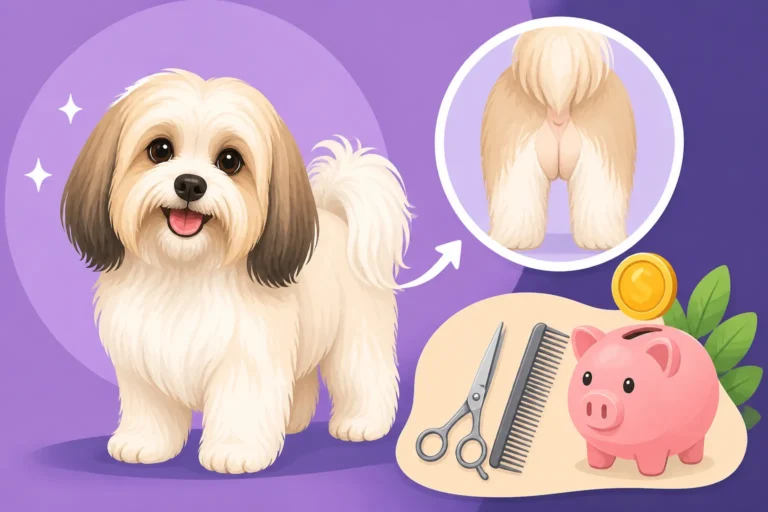
The Havanese boasts a beautiful, long, silky double coat that requires consistent, diligent grooming. You can learn more about The Silky Double Coat a Havanese Grows to the Floor. In a puppy mill or backyard breeding environment, grooming is often an afterthought, if it happens at all. Puppies from these operations are frequently neglected, arriving with matted fur, skin infections hidden beneath the mats, overgrown nails, and dirty ears. Severe matting can be incredibly painful, pulling on the skin and restricting movement.
Bringing home a matted puppy means an immediate trip to the professional groomer, which can incur significant dematting fees, or even require a full shave-down if the mats are too severe. This initial expense is just the beginning. You'll then need to invest in quality grooming tools—brushes, combs, shampoos, and conditioners—and commit to a regular grooming schedule, or pay for professional grooming every 4-6 weeks. It quickly becomes clear Why Grooming a Havanese Costs More Than Buying One in the long run. Resources like Chewy offer a wide array of grooming supplies, but consistent effort on your part or professional visits are non-negotiable for a Havanese. Neglecting this crucial aspect of care can lead to painful skin issues, infections, and a very unhappy Havanese.
How to Find a Reputable Havanese Breeder
Finding a reputable Havanese breeder takes time, patience, and a bit of detective work, but it is undoubtedly the best way to ensure you bring home a healthy, well-adjusted puppy. This process is an investment in your future together, safeguarding against many of the heartbreaking and costly problems associated with cheap, irresponsibly bred puppies.
Researching Health Testing and Pedigrees
Your journey begins with thorough research. Look for breeders who are open about their dogs' health testing and pedigree information. They should be testing for genetic conditions prevalent in Havanese, such as patellar luxation, congenital deafness, hip and elbow dysplasia, and hereditary eye diseases like Progressive Retinal Atrophy. Don't just take their word for it; ask to see official certificates from organizations like OFA or CERF (Canine Eye Registration Foundation). Many reputable breeders will also happily discuss their dogs' ancestry, showing you pedigrees that demonstrate a commitment to health and conformation over generations.
A good breeder will also emphasize temperament, selecting breeding pairs not just for good looks and health, but for their stable and friendly personalities, which are hallmark traits of the Havanese breed. They should be able to articulate why they chose a particular pairing and what they hope to achieve with the litter. A breeder's willingness to educate you about the breed, its health concerns, and their own breeding philosophy is a strong indicator of their integrity and passion. For example, understanding The Eye Diseases a Havanese Inherits is a key part of responsible breeding, and a good breeder will be knowledgeable about it.
Visiting the Breeder and Meeting Parents
There is no substitute for an in-person visit to the breeder's home. This is your chance to observe the living conditions, meet the mother (and ideally the father, or at least see photos and discuss him if he's a stud dog from elsewhere), and interact with the puppies in their home environment. The breeding dogs should be well-cared for, friendly, and appear to be part of the family, not just breeding machines housed in kennels. Pay attention to the cleanliness of the facilities, the socialization the puppies are receiving, and how the breeder interacts with their dogs.
A responsible breeder will also welcome your questions and be prepared to answer them thoroughly. They should be eager to show you around and introduce you to their dogs. This visit also gives you an opportunity to see the puppies' personalities developing. Are they curious, playful, and confident? Or are they withdrawn and fearful? These early observations are crucial indicators of how well-socialized the puppies have been. Remember, you're not just buying a puppy; you're adopting a new family member, and the environment they come from plays a huge role in their development.
Understanding Contracts and Guarantees
A reputable breeder will always provide a written contract that outlines the terms of sale, health guarantees, and often a spay/neuter clause for pet puppies. This contract should clearly state what health conditions are covered, for how long, and what steps you would need to take if an issue arises. Beware of contracts that offer vague guarantees or require the return of a sick puppy with no other recourse. A strong contract offers protection for both you and the breeder, demonstrating their commitment to the puppy's well-being beyond the point of sale.
They will also provide you with a comprehensive puppy packet, which should include vaccination records, deworming schedules, feeding instructions, a sample of their current food (brands like Ollie are often favored by discerning breeders who prioritize nutrition), and often a toy or blanket with the litter's scent to help with transition. They should also offer lifelong support, encouraging you to reach out with any questions or concerns throughout your Havanese's life. This ongoing relationship is invaluable and a hallmark of a truly responsible breeder, setting them apart from those who merely see puppies as a commodity.
Alternative Avenues: Havanese Rescue and Adoption
If the cost of a well-bred Havanese puppy is genuinely prohibitive, or if you prefer to give a second chance to a dog in need, Havanese rescue organizations are a wonderful option. While it might take time to find a Havanese through rescue, it’s a highly rewarding path that avoids supporting irresponsible breeding practices altogether.
The Reality of Rescue Havanese
Havanese do end up in rescue, though perhaps not as frequently as some other breeds because Why Havanese Rarely Reach Rescue. When they do, it's often due to owner circumstances changing (e.g., relocation, illness, divorce), or sometimes, sadly, they are surrendered from puppy mills or backyard breeders after being used for breeding. The reality is that rescue Havanese come with a history, and sometimes that history means they might have health issues, behavioral quirks, or a need for extra patience and training. They might require The Dental Work Every Havanese Needs by Six immediately upon adoption, or show signs of anxiety.
However, rescue organizations are dedicated to the welfare of these dogs. They provide necessary veterinary care, address behavioral issues through foster homes, and ensure the dogs are spayed/neutered and up-to-date on vaccinations before adoption. They will be transparent about any known issues and strive to match you with a Havanese whose needs and temperament align with your lifestyle. While you might not get a young puppy, you will be giving a loving home to a dog that truly needs one.
The Adoption Process and Its Benefits
The adoption process for a Havanese from a reputable rescue organization is thorough, much like buying from an ethical breeder. You'll typically fill out an application, undergo an interview, and often have a home visit. This ensures that the Havanese is going to a suitable and safe environment. While the adoption fee might be lower than the purchase price of a puppy from a breeder, it helps cover the rescue's costs for vet care, food, and rehabilitation, and it’s a small fraction of What a Havanese Costs a Year to Keep.
The benefits of adopting are numerous. You are saving a life, giving a dog a second chance, and often getting a dog that is already housetrained, basic mannered, and past the challenging puppy stage. Many rescue Havanese flourish in their new homes, becoming incredibly devoted and loving companions. You'll also have the support of the rescue organization, who often remain a resource for advice and guidance after adoption. It’s a responsible and compassionate way to bring a Havanese into your life, circumventing the pitfalls of supporting unethical breeders.
Disclaimer
This article is for general informational purposes only and does not constitute professional advice. Laws, prices and regulations vary by location and change over time. Consult a qualified professional for guidance on your specific situation.