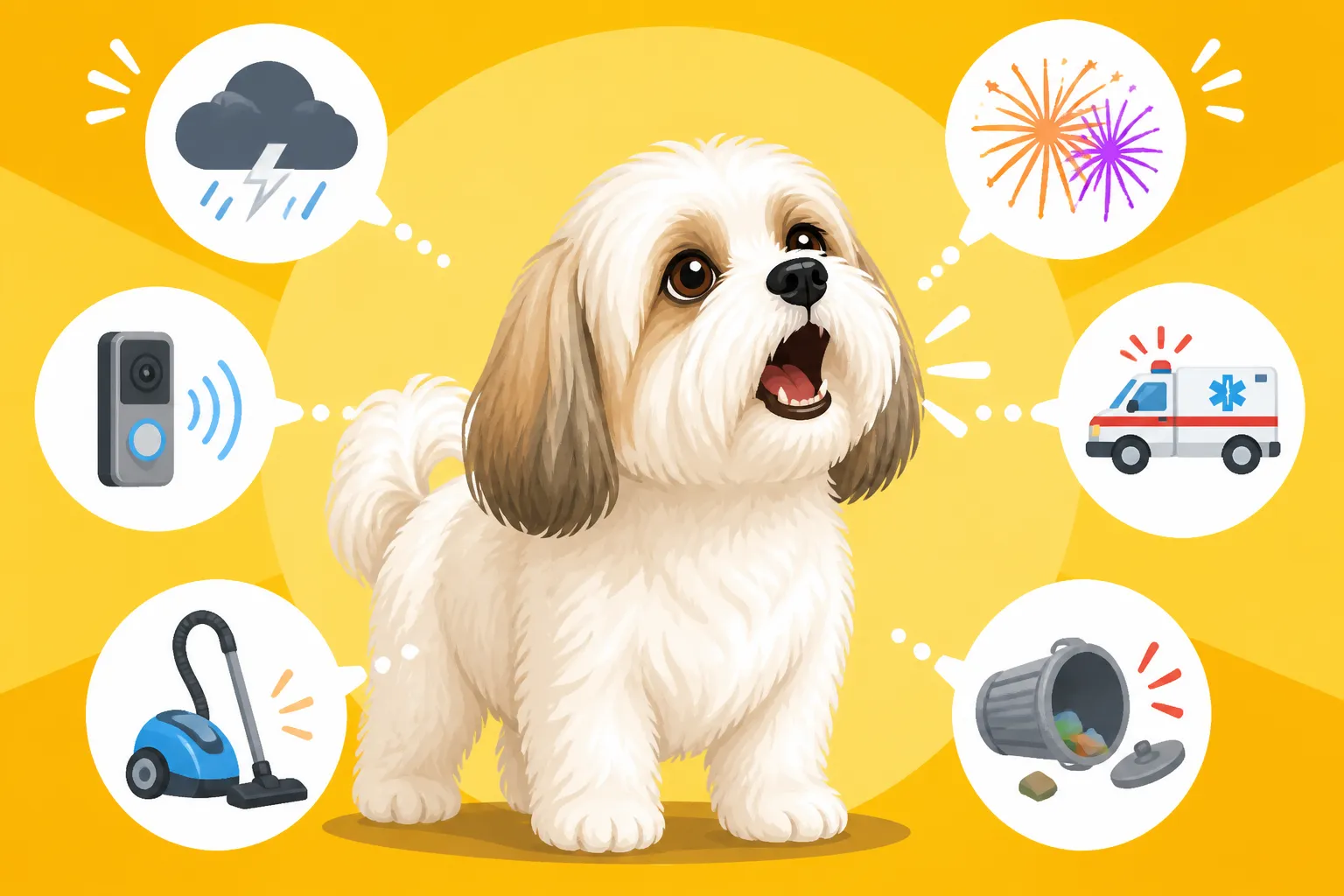
The Barking a Havanese Does at Every Sound
There are few things as frustrating as a beloved Havanese that seems to bark at every single sound, whether it's the mail carrier's distant truck, a leaf skittering down the street, or even the subtle creak of your floorboards. This constant vocalization can test the patience of even the most devoted pet parent, leading to stress, sleepless nights, and sometimes, even strained relationships with neighbors. This comprehensive guide will delve into why your Havanese might be so vocal, how to understand their triggers, and most importantly, provide practical, empathetic strategies to help manage and reduce excessive barking, allowing for a more peaceful home life for everyone.
Understanding the Havanese Barking Instinct
Havanese are charming, intelligent dogs, often described as "Velcro dogs" due to their strong desire to be near their human companions. While their playful and affectionate nature makes them wonderful family pets, they also come with a deeply ingrained instinct to communicate, and barking is a primary way they do so. Understanding the roots of this vocal nature is the first step toward managing it effectively.
The Havanese History and Their Vocal Nature
The Havanese, as Cuba's national dog, has a rich history as a companion animal for the Cuban aristocracy. They weren't typically guard dogs, but rather entertainers and beloved lap warmers. This close bond with humans meant they were often highly attuned to their owners' emotions and the goings-on in the household. Their role was to be present, to engage, and often, to alert their families to visitors or unusual occurrences. This historical context plays a significant role in their modern-day vocal tendencies; they are quite literally bred to be attentive and communicative companions. It's not uncommon for a Havanese to feel it's their job to tell you about everything happening, both inside and outside the home.
Their charming personalities and quick wit also mean they learn very quickly how to get your attention, and for many Havanese, a sharp, insistent bark is a highly effective tool. It's important to remember that barking isn't inherently "bad"; it's a natural dog behavior. The challenge arises when it becomes excessive, disruptive, or stems from underlying anxiety or unmet needs. Your Havanese isn't trying to annoy you; they're simply trying to communicate in the most effective way they know how, and their history reinforces this trait.
Why Small Dogs Can Seem Louder
It's a common perception that small dogs, including Havanese, are "yappier" than larger breeds. While this isn't always universally true, there are a few reasons why a Havanese's barking might feel more pervasive. Firstly, their higher-pitched barks can be more piercing and irritating to human ears than the deeper barks of a large dog. What might be a relatively soft bark from a Mastiff can be a sharp, insistent yap from a Havanese. This isn't about volume so much as frequency and tone.
Secondly, small dogs are often more prone to developing anxieties or insecurities if not properly socialized and trained. A small dog in a big world can feel vulnerable, and barking serves as a defensive mechanism or a way to project a larger presence. Think about a small child trying to make themselves heard in a room full of adults; they might raise their voice. Similarly, a Havanese might feel the need to amplify their presence. Their small size means they might also feel more threatened by perceived intruders or novel stimuli, leading to more frequent alarm barking. For more on this, you might find Whether a Havanese Is a Yappy Breed helpful.
Differentiating Normal vs. Excessive Barking
Not all barking is problematic. It's crucial to distinguish between normal, appropriate vocalization and genuinely excessive, troublesome barking. Normal barking serves specific purposes:
- Greeting Barking: A few excited barks when you come home or a trusted friend arrives.
- Play Barking: Vocalizations during a game of fetch or tug.
- Alert Barking: A few barks to let you know someone is at the door or there's an unusual sound. This is their job, after all.
Excessive barking, on the other hand, is usually characterized by its duration, intensity, and lack of clear purpose or response to your cues. If your Havanese barks for five minutes straight at a squirrel it can't even reach, or if every passing car elicits a frantic vocal outburst, that's moving into the realm of excessive. When barking becomes a constant background noise in your home, it's a sign that something needs to be addressed. It's about finding the balance between allowing them to express themselves and preventing the behavior from taking over your household.
Common Triggers for "Every Sound" Barking
When your Havanese seems to bark at every sound, it’s not just random noise; there are usually underlying triggers. Identifying these specific triggers is paramount to developing an effective management plan. It’s like trying to solve a puzzle – you need all the pieces to see the whole picture.
Environmental Sounds and External Stimuli
Our modern world is full of sounds, many of which can be alarming or simply interesting to a Havanese. These external stimuli are often the most obvious culprits. Think about the common sounds that prompt a reaction:
- Doorbell and Knocking: This is a classic. The sound signals a new arrival, and your Havanese wants to make sure you know. It's often compounded by the excitement of meeting someone new, or the perceived threat of an intruder.
- Passing Vehicles: Mail trucks, delivery vans, garbage trucks, and even cars driving by can all trigger a Havanese. The sound, combined with movement visible through a window, creates a potent stimulus. For delivery drivers, it's a particularly strong trigger, as discussed in Whether a Havanese Barks at Delivery Drivers.
- Neighborly Noise: Barking dogs next door, children playing, lawnmowers, construction sounds, or even distant conversations can all set off a sensitive Havanese. They are listening intently, and often interpret these sounds as relevant to their territory.
- Wildlife: Squirrels scurrying, birds chirping, or even a leaf blowing past the window can be seen as an intrusion or a call to action. Their prey drive, even if minimal, can be activated, leading to excited barking.
These sounds become triggers because your Havanese associates them with something happening. If every time the mail truck drives by, they bark, and then the mail truck leaves, they might conclude their barking made it leave. This reinforces the behavior, making it harder to break.
Internal States: Anxiety, Boredom, and Attention-Seeking
While external sounds are clear triggers, much barking also stems from your Havanese's internal emotional and physical states. It's not always about what's outside, but what's inside.
- Anxiety and Fear: A Havanese that is insecure or anxious might bark excessively as a way to cope with stress or fear. This could be separation anxiety when you leave, where barking is a cry for companionship. Whether a Havanese Cries When You Leave explores this further. Fear of loud noises, strange people, or even new objects can also manifest as barking. They might feel the need to "scare away" whatever is making them uncomfortable.
- Boredom and Lack of Mental Stimulation: Havanese are intelligent little dogs. If they aren't given enough physical exercise or mental engagement, they can easily become bored. A bored dog will often find ways to entertain itself, and barking at every perceived stimulus is a common outlet. It gives them something to do, a "job" to perform, even if it's just telling you that the wind blew.
- Attention-Seeking: This is a big one. If your Havanese barks, and you immediately look at them, talk to them, or go to see what they're barking at, you've just reinforced the behavior. They learn that barking gets your attention, whether positive or negative. Even a "No bark!" is attention, and for some dogs, any attention is better than none. They'll use their vocalizations to demand playtime, food, or simply to have you acknowledge their presence, like when they follow you from room to room.
Understanding these internal motivators is crucial because simply addressing the external sound won't solve the root cause if your dog is anxious or attention-seeking.
The "Domino Effect" of Barking
One of the most challenging aspects of a Havanese barking at every sound is the "domino effect" or chain reaction it can create. Imagine this: a distant dog barks, your Havanese hears it and barks back. This might then trigger another dog down the street, and before you know it, a symphony of canine voices fills the air, with your Havanese proudly leading the chorus. This communal barking can be incredibly reinforcing. Your Havanese might feel like they are part of a pack communicating, even if it's just through the neighborhood.
Furthermore, once a Havanese starts barking at one sound, their arousal level rises. This heightened state makes them even more sensitive to other sounds. A sound that they might normally ignore when calm could trigger a full-blown barking fit when they are already agitated. It's a cycle: bark, get excited, become more reactive, bark again. Breaking this cycle requires a calm, consistent approach that addresses both the initial trigger and the escalating emotional state of your Havanese.
The Impact of Excessive Barking on Your Household
While a little barking is part of having a dog, excessive, "every sound" barking from your Havanese can genuinely erode the peace and quiet of your home. It's not just an inconvenience; it can have significant negative impacts on everyone involved, including your furry friend.
Strain on Owner-Pet Relationships
Living with a dog that constantly barks can be incredibly stressful for pet owners. What often starts as a minor annoyance can escalate into genuine frustration, resentment, and even anger. You might find yourself dreading certain times of day, or feeling on edge, constantly waiting for the next bark. This perpetual tension can make you less patient and more prone to snapping at your Havanese, which, in turn, can heighten their anxiety or confusion, potentially exacerbating the barking problem.
You might start to avoid inviting friends over, or you might stop enjoying quiet mornings with coffee because you're always anticipating the next sound. This constant disruption can lead to a breakdown in the joyful companionship that owning a Havanese is supposed to bring. The unconditional love can feel conditional when you're constantly trying to quiet your dog. It's disheartening when you feel like you're always fighting against your dog's natural instincts, and it can make you question whether you're a good pet parent, or if you've done something wrong. This emotional toll is real and should not be underestimated.
Neighborly Nuisance and Potential Consequences
Perhaps one of the most immediate and tangible impacts of excessive barking is the friction it can create with neighbors. Whether you live in an apartment, a townhouse, or a quiet suburban street, constant dog barking can quickly become a serious nuisance. While your Havanese might be your world, your neighbors might just hear noise. This can lead to complaints, strained relationships with those living around you, and in more severe cases, formal warnings, fines, or even legal action related to noise ordinances. Whether a Havanese Gets Its Owner a Noise Complaint highlights just how serious this can become.
Many apartment leases and homeowner association rules have strict clauses about excessive noise. You might find yourself constantly apologizing or trying to make excuses for your Havanese, which is an uncomfortable position to be in. The worry about neighbor complaints can add another layer of stress to your daily life, making you feel trapped and constantly vigilant. It's a difficult situation when your beloved companion inadvertently causes conflict with your community, and it's a driving force for many owners seeking solutions to their dog's barking.
Stress and Anxiety for the Havanese Itself
It's easy to focus on our own frustrations, but it's important to remember that a Havanese who barks at every sound is often not a happy, relaxed dog. Constant barking, especially if driven by anxiety, fear, or over-arousal, is physically and mentally exhausting for your pet. A dog in a constant state of alert, responding to every little noise, is living in a state of chronic stress. This can manifest in other behavioral issues, or even impact their physical health over time.
Think about it: if every sound triggers a fight-or-flight response, your dog's body is constantly pumping out stress hormones. This isn't sustainable or healthy. They might struggle to relax, sleep deeply, or simply enjoy their environment. Furthermore, if you're constantly scolding or punishing them for barking, this can heighten their anxiety, making them even more likely to bark or display other stress-related behaviors. The goal isn't just to stop the barking for your sake, but for your Havanese's well-being and overall quality of life. A quiet, confident dog is generally a happier, healthier dog.
Early Intervention: Training a Havanese Puppy to Be Quiet
Preventing excessive barking from taking root is far easier than trying to curb an established habit in an adult dog. If you have a Havanese puppy, or are considering bringing one home, focusing on early intervention is key to fostering a calm, well-adjusted companion.
Socialization and Desensitization to Sounds
One of the most powerful tools in preventing sound-triggered barking is early and thorough socialization. A well-socialized puppy is more likely to be confident and resilient, seeing new experiences and sounds as interesting rather than alarming. Introduce your Havanese puppy to a wide variety of sights and sounds in a positive, controlled manner. This includes everyday household noises like vacuum cleaners, washing machines, and doorbells, as well as external sounds like traffic, children playing, and distant dog barks.
When exposing your puppy to these sounds, always pair them with positive associations. This could mean giving them a high-value treat, engaging in a favorite game, or offering gentle praise. The goal is to teach them that "new sound equals good things." For example, if you hear a garbage truck, instead of letting your puppy react, immediately start a short play session or offer a chew toy. Over time, they learn to associate these sounds with positive experiences, reducing the likelihood of a fearful or alert-barking response. A sound machine or white noise generator, easily found on Amazon, can also be used subtly in the background during quiet times to help them habituate to consistent, non-threatening sounds.
Establishing a Strong "Quiet" Command Early On
Teaching a "Quiet" command from a young age is invaluable. This command isn't about punishing barking, but rather teaching your Havanese what you do want them to do: stop barking. Start by waiting for your puppy to bark a few times at a legitimate trigger (like a knock at the door), then gently interrupt the barking with a calm "Quiet!" When they pause, even for a second, immediately reward them with a small, high-value treat and praise. The timing here is critical; you want to reward the silence, not the barking.
As they begin to understand, gradually increase the duration of silence required before the reward. If they start barking again, wait for another pause and repeat. Never yell or get angry, as this can increase their arousal or fear. Practice this in various situations with different triggers. It’s a process of shaping behavior. You can also pair this with a "Thank you" or "Enough" cue, teaching them that you've received their alert and it's now handled. This builds trust and communication, making them less inclined to feel they need to continue barking to get your attention. Check out programs like BAXTER & Bella, which often include modules on teaching quiet cues, as part of their comprehensive online puppy training.
Crate Training and Managing Alone Time
Crate training is an excellent tool for many reasons, and it can certainly help with preventing excessive barking, especially that caused by separation anxiety or overstimulation. A crate, when introduced positively, becomes a safe, den-like space for your Havanese. It’s a place where they can retreat and feel secure, away from overwhelming stimuli. If your Havanese is prone to barking at every sound when left alone, a well-placed crate can provide a sense of security and limit their visual access to external triggers.
When your Havanese is in their crate, ensure it’s a positive experience. Provide comfortable bedding, safe chew toys, and maybe even a puzzle toy to keep them occupied. Practice leaving them alone for short periods, gradually increasing the duration. It's also important to manage their alone time even outside the crate. Teach them that it's okay for you to be in another room without them by your side constantly. This helps prevent the intense attachment that can lead to separation anxiety and subsequent barking when left alone. Giving them an engaging toy or chew bone before you leave the room can help reinforce the idea that being alone isn't a bad thing. Whether a Havanese Tolerates Being Alone offers more detailed advice on this.
Strategies for Managing an Adult Havanese's Barking
Managing an adult Havanese who has developed a habit of barking at every sound requires patience, consistency, and a multi-faceted approach. It's about retraining established behaviors and helping your dog understand new, more appropriate ways to react to their environment.
Identifying and Modifying Specific Triggers
Before you can effectively manage the barking, you need to become a detective and identify the specific triggers. Keep a log for a few days: What time of day does the barking occur? What sound or event precedes it? How long does it last? Is it worse when you're home or away? Understanding the "what, when, and why" is crucial. For instance, you might notice that your Havanese always barks when the postal worker approaches, as detailed in Whether a Havanese Barks at the Door.
Once you've identified the triggers, you can start to modify them:
- Window Management: If your Havanese barks at everything outside the window, simply limiting their visual access can make a huge difference. Use frosted window film, close curtains or blinds, or place furniture strategically to block the view. The phrase "out of sight, out of mind" truly applies here. This reduces the immediate stimulus and allows you to work on desensitization in a controlled environment.
- Sound Masking: For sounds you can't block, try to mask them. White noise machines, fans, or leaving a radio/TV on can help muffle external noises that trigger barking. This doesn't eliminate the sound but makes it less distinct and therefore less likely to provoke a reaction. You can find many effective sound machines on Amazon that offer various ambient noises.
- Routine Adjustments: If your Havanese barks at a regular event, like the trash truck every Tuesday morning, try to preempt it. Take them out for a bathroom break earlier, or engage them in a focused play session with a favorite toy just before the trigger typically occurs. Distraction is a powerful tool.
Consistent Redirection and Reward-Based Training
Redirection and reward-based training are the cornerstones of addressing existing barking habits. This isn't about punishing the barking, but about teaching your Havanese an alternative, incompatible behavior, and rewarding them for it.
- "Quiet" Command Reinforcement: Continue to practice and reinforce the "Quiet" command as you would with a puppy, but with even greater consistency. When your Havanese starts barking, calmly say "Quiet," wait for a moment of silence, and immediately reward. If they continue to bark, calmly turn your back or walk away for a few seconds (ignoring the barking entirely), then return and try again. They need to learn that barking makes you disengage, while silence brings rewards.
- "Go to Mat/Place" Command: Teach your Havanese to go to a designated mat or bed on command. This gives them a specific, calm place to go when they feel agitated or hear a trigger. When a trigger occurs, direct them to their mat, reward them for staying there quietly, and gradually increase the duration they must stay before receiving another reward. This provides a positive alternative to frantic barking.
- Desensitization and Counter-Conditioning: This involves gradually exposing your Havanese to their barking triggers at a very low intensity while pairing the exposure with something positive. For example, play a recording of a doorbell sound at a volume so low your dog barely notices it. As it plays, give them treats. Gradually increase the volume over many sessions, always pairing it with treats. The goal is to change their emotional response from "bark!" to "treat!"
Enrichment and Exercise to Reduce Boredom Barking
Many Havanese bark out of sheer boredom or pent-up energy. These intelligent dogs need more than just a short walk around the block. Ensuring they are adequately exercised and mentally stimulated can significantly reduce barking.
- Physical Exercise: While Havanese are small, they are energetic. They benefit from daily walks, playtime in a secure yard, or indoor games like fetch. An under-exercised dog has excess energy that often manifests as undesirable behaviors, including barking. Even indoor zoomies can help release some of that pent-up energy. Whether Exercise Reduces a Havanese's Barking has more ideas.
- Mental Stimulation: This is often overlooked but is crucial for intelligent breeds. Provide puzzle toys filled with treats, engage in short training sessions to teach new tricks, or play hide-and-seek with their favorite toy. Rotate toys regularly to keep things fresh and interesting. Chew toys, especially those that require some effort, can also be great for mental and physical engagement. For example, many interactive toys found on Amazon can keep a Havanese happily engaged for a while.
- Dog Sports and Activities: Consider enrolling your Havanese in dog sports like obedience, rally, or even beginner agility. These activities provide an incredible outlet for their intelligence and energy, fostering a sense of purpose and reducing the likelihood of boredom-related barking. Even if you don't compete, the training itself is highly beneficial.
Tools and Aids to Help Reduce Barking
While training and environmental management are primary, various tools and aids can support your efforts to reduce excessive barking in your Havanese. It’s important to use these thoughtfully and as part of a comprehensive plan, not as standalone solutions.
Environmental Management Tools
Sometimes, the simplest changes to your Havanese’s environment can make a world of difference in reducing their triggers.
- White Noise Machines & Fans: As mentioned before, these are fantastic for masking external sounds. By creating a consistent, low-level hum or static, they can obscure the distinct noises of traffic, neighbor dogs, or distant conversations that might otherwise trigger a barking spree. Place them near windows or doors where external sounds are most prevalent. Many models are available on Amazon, some specifically designed for pet environments with soothing sounds.
- Visual Barriers: If your Havanese is a "window watcher," constantly alerting to passersby, cars, or wildlife, visual barriers are a must. Frosted window film, blinds, curtains, or even decorative cling film can block their view without completely darkening the room. Alternatively, strategic placement of furniture can prevent them from accessing prime viewing spots. This simple step can immediately cut down on a significant source of reactive barking.
- Pheromone Diffusers and Calming Sprays: Products like Adaptil diffusers release synthetic dog appeasing pheromones, which can have a calming effect on some dogs, potentially reducing anxiety-related barking. Similarly, calming sprays or collars infused with lavender or chamomile can be used in your Havanese's bedding or crate. While not a magic cure, they can contribute to a more relaxed environment when used in conjunction with training.
Training Aids and Their Ethical Use
When it comes to training aids, selecting humane, positive-reinforcement based options is crucial. Avoid tools that rely on pain or fear, as these can damage your relationship with your Havanese and exacerbate anxiety.
- Puzzle Toys and Treat-Dispensing Toys: These are invaluable for mental stimulation and keeping your Havanese occupied, especially when you need them to be quiet. Filling a Kong with peanut butter or a puzzle ball with kibble can divert their attention and energy away from barking. They are excellent for alone time or when you're busy and can't actively engage. Many varieties can be found on Amazon.
- Head Halters or Front-Clip Harnesses: While not directly for barking, these tools provide better control on walks, which can be helpful if your Havanese barks at other dogs or people out on the street. By redirecting their head or body, you can more easily guide their attention away from triggers and toward you for a reward. A well-fitted harness like the Easy Walk or Freedom Harness can make a significant difference in managing leash reactivity, reducing the frustration that can lead to barking.
- Vibration Collars (Used with Caution): Some owners consider vibration collars, which deliver a harmless, non-aversive vibration. These should only be used with extreme caution and under the guidance of a professional trainer. The idea is to pair the vibration with a "Quiet" command as a novel, attention-getting cue, not as a punishment. If used incorrectly, they can cause confusion or increased anxiety. It's generally better to focus on positive reinforcement methods first. As explored in Whether a Bark Collar Belongs on a Havanese, methods that cause discomfort are not recommended for a sensitive breed like the Havanese.
Professional Training Programs
Sometimes, despite your best efforts, you might feel stuck. This is where professional training programs can be incredibly beneficial.
- Online Courses and Resources: Companies like BAXTER & Bella offer comprehensive online training programs that cover a wide range of behavioral issues, including excessive barking. These programs often provide step-by-step video tutorials, live Q&A sessions, and access to certified trainers, allowing you to work at your own pace from the comfort of your home. They can be a cost-effective way to gain professional guidance.
- Group Obedience Classes: These classes not only teach basic commands but also provide valuable socialization opportunities for your Havanese. Learning to focus on you in a distracting environment can help build their confidence and reduce reactivity. The structured environment and guidance from an instructor can be very effective.
- Private Training Sessions: For persistent or complex barking issues, one-on-one sessions with a certified professional dog trainer (CPDT) or a veterinary behaviorist can be invaluable. They can assess your specific situation, identify nuanced triggers, and develop a customized training plan tailored to your Havanese's needs and your household. This personalized attention can often uncover underlying issues you might have missed.
When to Seek Professional Help for Persistent Barking
While many barking issues can be managed with consistent effort at home, there are times when it's best to call in the experts. Recognizing these signs can save you and your Havanese a lot of stress in the long run.
Recognizing When Barking Becomes a Behavioral Issue
If you've diligently tried various training methods, environmental modifications, and enrichment strategies, but your Havanese's barking continues to be excessive, disruptive, or even escalating, it might be time to consider it a more deeply ingrained behavioral issue.
- Constant Barking Despite Interventions: If your Havanese barks incessantly, regardless of your attempts to redirect, use quiet cues, or provide distractions, the behavior has likely become deeply habituated or is driven by strong internal motivators.
- Signs of Distress: Observe your Havanese for other signs of distress during barking episodes. This could include pacing, panting, destructive chewing when left alone (see What an Anxious Havanese Chews), inappropriate urination/defecation, or self-mutilation (like excessive licking or chewing paws). These indicate that the barking is a symptom of underlying anxiety, fear, or frustration rather than just an attention-seeking behavior.
- Impact on Quality of Life: If the barking is significantly impacting your Havanese's ability to relax, enjoy walks, or interact calmly with family and other pets, or if it's severely affecting your quality of life at home, it warrants professional attention. No one should have to live in a constant state of noise-induced stress.
- Aggression or Fear-Related Reactivity: If the barking is accompanied by lunging, growling, snapping, or severe fear responses towards people or other dogs, it's crucial to seek professional help immediately. These behaviors can escalate and become dangerous if not addressed by an expert.
The Role of a Certified Professional Dog Trainer or Behaviorist
A certified professional dog trainer (CPDT) or a veterinary behaviorist has specialized knowledge and experience to tackle persistent barking problems. They are equipped to assess the nuances of your Havanese's behavior and environment.
- Behavioral Assessment: A professional will conduct a thorough assessment, observing your Havanese in their home environment and asking detailed questions about their history, daily routine, and your previous attempts to manage the barking. They can identify subtle triggers or underlying emotional states that you might have missed.
- Customized Training Plan: Based on their assessment, they will develop a personalized training and modification plan. This plan might incorporate advanced counter-conditioning, desensitization techniques, and management strategies that are specifically tailored to your Havanese's individual needs. They can teach you how to implement these techniques effectively and provide ongoing support and adjustments.
- Addressing Root Causes: A good trainer will focus on addressing the root cause of the barking, whether it's anxiety, fear, territoriality, or over-arousal, rather than just suppressing the symptom. This leads to more sustainable and humane solutions. They can help you teach your Havanese coping mechanisms and build their confidence.
Consulting Your Veterinarian for Underlying Health Concerns
Before embarking on an intensive behavioral modification plan, it is always a wise first step to consult your veterinarian.
- Rule Out Medical Issues: Sometimes, excessive barking can be a symptom of an underlying medical condition. Pain, discomfort, hormonal imbalances, cognitive dysfunction in older dogs (such as Whether an Old Havanese Gets Confused), or even partial hearing loss could lead to increased vocalization. A thorough veterinary check-up, including blood work or other diagnostics, can rule out these possibilities. For example, if your Havanese has undiagnosed discomfort, they might be more irritable and reactive to sounds.
- Medication as an Adjunct: In cases of severe anxiety or phobias, your veterinarian might suggest medication as an adjunct to behavioral modification. Anti-anxiety medications can help lower your Havanese's overall arousal level, making them more receptive to training and less reactive to triggers. It's important to understand that medication is rarely a standalone solution but can be a valuable tool to facilitate the training process. Your vet can discuss the pros and cons and appropriate dosages.
Living Happily with a Vocal Havanese
Finding peace with a Havanese who barks at every sound is not about silencing them completely, but about managing the behavior so that it becomes a manageable part of their personality, rather than an overwhelming problem. It's about adjusting expectations and fostering a harmonious relationship.
Adjusting Expectations and Embracing Their Personality
Firstly, it's important to adjust your expectations. While you can significantly reduce excessive barking, it's unlikely your Havanese will ever be completely silent. They are dogs, and barking is a natural form of canine communication. Your Havanese is a vibrant, intelligent creature, and part of their charm is their expressive nature. Accepting that they will occasionally bark at something genuinely alarming or exciting can alleviate some of your own stress.
Instead of fighting against their nature, try to work with it. Appreciate their alertness as a unique trait that makes them good companions. If they give a few barks when someone approaches your door, acknowledge their alert, thank them, and then calmly direct them to their quiet spot. This way, you're not punishing their instinct to alert, but guiding them on the appropriate amount of vocalization. You might find that The Havanese Is the Only Breed Cuba Ever Produced gives you a deeper appreciation for their unique history and why they are the way they are.
Creating a Peaceful Home Environment
A calm environment can go a long way in reducing overall arousal and reactivity in your Havanese. Think about your home from their perspective.
- Consistent Routine: Dogs thrive on routine. A predictable schedule for feeding, walks, playtime, and quiet time can help reduce anxiety and uncertainty, which often contribute to barking. When they know what to expect, they are generally calmer.
- Safe Spaces: Ensure your Havanese has a designated "safe space" where they can retreat when feeling overwhelmed. This could be their crate, a cozy bed in a quiet corner, or even under a specific table. This spot should be a place of comfort and calm, not punishment. Provide a favorite chew toy or a comfort blanket there.
- Soundproofing and Visual Barriers (Revisited): Continue to utilize white noise machines, close blinds, or use frosted film on windows, especially during times when barking triggers are most common. These simple steps create a less stimulating environment, giving your Havanese fewer reasons to bark. Consider playing calming classical music or dog-specific relaxation tracks softly throughout the day.
- Your Own Demeanor: Your Havanese is highly attuned to your emotions. If you are constantly tense, frustrated, or yelling, they will pick up on this and it can escalate their own anxiety and reactivity. Strive to remain calm, consistent, and patient, even when the barking is testing your limits. Your calm energy can be contagious.
Long-Term Management and Continued Training
Managing a Havanese who barks at every sound is often a long-term commitment. It's not a "fix it and forget it" situation, but an ongoing process of reinforcement and adaptation.
- Reinforce Good Behavior: Always reward quiet behavior, especially in situations where they might normally bark. Praise and treat them when they remain calm during a trigger event, even if it's just a moment of silence. This continuous positive reinforcement solidifies the desired behavior.
- Ongoing Mental and Physical Enrichment: Don't let your guard down on exercise and mental stimulation. As your Havanese ages, their needs might change, but their need for engagement remains. Continue with puzzle toys, short training sessions, and appropriate walks. A mentally and physically tired Havanese is generally a quieter Havanese. What a Havanese Needs Beyond a Walk details various activities you can do.
- Be Patient and Forgiving: There will be setbacks. Your Havanese might have a bad day and bark more than usual. Don't get discouraged. Revisit your training plan, identify what might have triggered the regression, and recommit to your consistent approach. Dogs are living beings, not robots, and progress isn't always linear. Celebrate the small victories and remember why you fell in love with your Havanese in the first place. Their unwavering affection and playful spirit are worth the effort.
By understanding their natural tendencies, consistently applying positive training, managing their environment, and sometimes seeking expert guidance, you can transform your home into a much more peaceful haven, where your Havanese can be a happy, well-adjusted member of the family without announcing every single leaf that blows by.
| Barking Type | Common Triggers | Underlying Cause | Management Strategy |
|---|---|---|---|
| Alarm/Alert Barking | Doorbell, knock, mail carrier, stranger | Territoriality, fear, communication | Desensitize, "Quiet" command, visual barriers |
| Attention-Seeking | Owner busy, ignoring dog | Need for interaction, learned behavior | Reward quiet, ignore barking, provide enrichment |
| Boredom/Frustration | Lack of exercise, mental stimulation | Under-stimulation, pent-up energy | Increase exercise, puzzle toys, training sessions |
| Anxiety/Fear | Thunder, loud noises, separation | Insecurity, past trauma, phobia | Desensitization, safe space, vet consultation, pheromones |
| Excitement/Greeting | Arrival of people, playtime | Over-arousal, joy | "Quiet" command, calm greetings, redirect to toy |
Disclaimer
This article is for general informational purposes only and does not constitute professional advice. Laws, prices and regulations vary by location and change over time. Consult a qualified professional for guidance on your specific situation.