What a Havanese Needs Beyond a Walk
It's easy to assume a small dog like a Havanese needs little more than a gentle daily stroll. However, many owners find their Havanese still displays behaviors like excessive barking, destructive chewing, or persistent clinginess, even after a walk. The truth is, these clever, charming dogs require significant mental stimulation and structured engagement beyond just physical exercise to truly thrive and be well-adjusted companions. This guide will explore how to fulfill their deep-seated needs for intellectual challenge and emotional connection.
Understanding the Havanese Brain: More Than Just a Lap Dog
Many people fall in love with the Havanese for their adorable looks and famously affectionate nature, envisioning a perfect lap dog content with cuddles and short outings. While they are indeed wonderful companions and thrive on close human interaction, reducing them to mere "lap ornaments" completely misunderstands their intelligent and historically active minds. These aren't just pretty faces; they come from a lineage that demanded more than passive companionship.
The Havanese as a 'Circus Dog' and Performer
Historically, the Havanese wasn't just a pampered pet of Cuban aristocracy; they were renowned for their intelligence and ability to learn complex tricks. They were often employed as performers in traveling circuses and variety shows, dazzling audiences with their clever antics. This background isn't just a cute anecdote; it’s a critical clue to understanding their inherent need for mental engagement. They truly possess The Circus Dog Brain Inside a Havanese, a capacity for learning and a desire to "work" for their humans, even if that work is just performing a silly trick for a treat.
This historical role means that deep down, your Havanese isn't just seeking comfort; they're looking for a job, a challenge, something to engage those quick wits. If you don't provide appropriate outlets for this intelligence, it often manifests in less desirable behaviors. Picture a bright child left in a room with no toys or books – they'll eventually find something to do, even if it's drawing on the walls or taking apart the furniture. Your Havanese is no different. They need mental exercise just as much as they need physical activity, perhaps even more so for their overall well-being.
Ignoring this aspect of their personality can lead to frustration for both you and your dog. A bored Havanese isn't a naughty Havanese; they're an unfulfilled Havanese trying to tell you they need more. Understanding this foundational element of their breed is the first step in providing a truly enriching life that goes far beyond a walk around the block.
Their Innate Desire to Please and Engage
Havanese are incredibly people-oriented dogs, bred specifically to be companion animals. This means they are highly attuned to their owners and have a strong innate desire to please. This desire isn't just about getting pats; it's about active participation in your life and understanding what you want from them. This makes them highly trainable, but it also means they suffer when they feel ignored or misunderstood. They want to be involved, to solve problems alongside you, and to learn new things.
Think about how your Havanese follows you from room to room – this isn't just about physical proximity. It's often a silent question: "What are we doing next? Can I help?" This constant seeking of connection and purpose is a powerful resource for training and mental enrichment. When you tap into this desire to please, you unlock a world of possibilities for shared activities that strengthen your bond and satisfy their intelligent minds.
Providing opportunities for them to use their brains fosters a more confident, happy, and well-behaved Havanese. They thrive on feeling useful and understanding their place within the family unit. When they learn a new trick or solve a puzzle, you can almost see the pride in their eyes, and that connection is incredibly rewarding for both of you.
The Importance of Mental Stimulation for a Havanese
Physical exercise is undeniably crucial for any dog, but for a Havanese, it's only one piece of the puzzle. Without adequate mental stimulation, even a dog that gets plenty of walks can become bored, anxious, and develop behavioral issues. Their small size often leads owners to underestimate their intellectual needs, assuming a quick romp in the yard or a short leash walk is sufficient. This oversight can quickly lead to frustrations that could easily be avoided.
Preventing Destructive Behaviors Born from Boredom
A Havanese with an unengaged mind is a recipe for destructive behavior. If they aren't given appropriate outlets for their intelligence and energy, they will invent their own. This might manifest as chewing on furniture legs, shredding papers, or systematically emptying the trash can. It’s not about spite or disobedience; it’s simply a Havanese trying to relieve boredom and find something to "do." Their minds are always working, and if you don't provide a constructive channel, they will find a destructive one.
Imagine coming home to find your favorite book chewed to bits or your throw pillows disemboweled. It’s frustrating, of course, but before you get upset, consider if your Havanese had enough mental challenges throughout the day. A long walk might tire their body, but if their brain hasn't had a workout, that pent-up mental energy needs an escape valve. Investing in mental enrichment is often far more effective than trying to punish unwanted behaviors after the fact, as it addresses the root cause of the problem.
This is where puzzle toys, training sessions, and interactive games come into play. They give your Havanese an appropriate target for their problem-solving instincts, saving your belongings and your sanity. By preemptively meeting their need for mental engagement, you can guide their cleverness toward positive activities, ensuring a more peaceful household.
Reducing Anxiety and Separation Issues
Havanese are deeply bonded to their people, often earning the nickname "Velcro dogs" because Why a Havanese Follows You Into Every Room. This strong attachment, while endearing, can sometimes lead to anxiety, especially separation anxiety, if not properly managed. Mental stimulation plays a vital role in building their confidence and independence, even when you're not physically present. A mentally exhausted dog is a calmer dog, less prone to frantic pacing, whining, or barking when left alone.
When your Havanese is accustomed to engaging their mind, they develop coping mechanisms and self-soothing strategies. A challenging puzzle toy or a long-lasting chew, given just before you leave, can redirect their focus and make your absence less stressful. It teaches them that being alone can also be a time for enjoyable, independent activity. This isn't a quick fix, but a consistent routine of mental challenges can significantly mitigate the distress they might feel when you're not around.
Consider how a child learns to entertain themselves over time. It's a skill that's developed, not inherent. Similarly, teaching your Havanese to engage with stimulating activities independently is crucial for their emotional well-being. It empowers them to be content even when they're not directly interacting with you, making them more resilient and less prone to the distressing signs of Signs a Havanese Has Separation Anxiety.
Engaging Their Minds: Indoor Activities and Puzzle Play
One of the most effective ways to satisfy your Havanese's need for mental stimulation, especially when a long outdoor adventure isn't feasible, is through interactive indoor games and puzzle toys. These activities don't require vast amounts of space, making them perfect for apartment living or rainy days. They tap into your dog's natural problem-solving abilities and mimic the kind of engaging "work" they historically performed.
Interactive Puzzle Toys and Slow Feeders
Interactive puzzle toys are fantastic for making your Havanese "think" for their food or treats. These aren't just chew toys; they're devices that require your dog to manipulate parts, push levers, or slide panels to get a reward. They transform mealtime from a quick gobble into a mental exercise. Options range from simple treat-dispensing balls to more complex multi-step puzzles. Many excellent varieties are available on Amazon, offering different levels of difficulty to keep things interesting as your Havanese becomes more adept.
Beyond just entertainment, these toys can help slow down fast eaters, which is beneficial for digestion and preventing bloat. For instance, using a snuffle mat (a fabric mat with strands that hide kibble) or a specially designed slow-feeder bowl can make dinner a 10-15 minute engagement instead of a 30-second gulp. This extended engagement means their brain is working, and they're expending mental energy, contributing to overall calmness. Introducing new puzzles regularly or rotating existing ones ensures they don't get bored with the same challenge.
When choosing these toys, always consider the size and chewing habits of your Havanese to ensure safety. A toy that's too small could be a choking hazard, and one not durable enough might quickly be destroyed, losing its puzzle aspect. Start with easier puzzles and gradually increase the difficulty as your Havanese masters each level, celebrating their successes with praise and enthusiasm.
Scent Work and Hide-and-Seek Games
Havanese have keen noses, even if they aren't traditional scent hounds, and engaging this sense is a wonderful way to provide mental stimulation. Scent work, even at a basic level, is incredibly tiring and rewarding for dogs. A simple game of "find it" with treats hidden around the house can be a fantastic way to engage their brains. Start by hiding treats in obvious spots and gradually make them more challenging, under a blanket or behind a chair.
Another favorite is hide-and-seek. Have someone hold your Havanese while you go hide in another room. Call their name excitedly, and when they find you, reward them with a treat and lots of praise. This game reinforces their recall, strengthens your bond, and provides immense mental satisfaction as they use their senses and problem-solving skills to locate you. It also teaches them that being out of your sight doesn't mean you've disappeared forever, helping with mild separation anxiety.
For more advanced scent work, you can purchase "nose work" kits online or create your own by using specific target scents (like essential oils diluted and applied to cotton swabs, never directly to the dog) and teaching your Havanese to find them. The focus and concentration required for these activities are incredibly mentally draining in a positive way, often leaving them happily tired without a single step taken outside.
Beyond Basic Obedience: Advanced Training and Dog Sports
While a firm grasp of basic obedience commands is essential for any well-behaved dog, a Havanese truly shines and thrives when given the opportunity to delve into more advanced training and even dog sports. Their intelligence, eagerness to please, and agile bodies make them excellent candidates for a variety of activities that go far beyond "sit" and "stay."
Advanced Obedience and Trick Training
Once your Havanese has mastered the basics, consider expanding their repertoire. Advanced obedience classes, often called "Canine Good Citizen" preparation, teach commands like "stay" for extended periods, "come" under distractions, and walking politely on a loose leash in various environments. This level of training not only refines their manners but also deeply engages their minds, demanding focus and critical thinking in real-world situations. A well-trained Havanese is a joy to live with and can accompany you to more places.
Beyond obedience, trick training is where the Havanese really comes alive, tapping into their historical "circus dog" roots. Teaching a Havanese Tricks It Will Perform All Day can be an incredibly rewarding activity for both of you. Think about teaching them to "wave," "spin," "play dead," or even stringing multiple tricks together into a routine. There are countless online resources, books, and even virtual training programs that can guide you. Programs like BAXTER & Bella offer comprehensive online puppy and dog training courses that go beyond the basics, perfect for owners looking to advance their Havanese's skills from the comfort of their home. These structured courses provide step-by-step guidance and support, making advanced training accessible.
The beauty of trick training is that it's fun, builds confidence, and strengthens your bond. It's a collaborative effort that speaks to their intelligent minds and desire to please. Plus, a Havanese that can perform a few charming tricks is an excellent ambassador for the breed and a source of endless amusement.
Exploring Dog Sports and Activities
Believe it or not, little Havanese dogs excel in a surprising array of dog sports, proving that size is no barrier to athletic and mental prowess. Activities like agility, rally obedience, and even canine freestyle (dancing with your dog) are fantastic for both their physical fitness and mental sharpness. These sports require your Havanese to learn sequences, respond to cues, and navigate obstacles, offering intense mental and physical workouts.
Agility, for example, involves navigating an obstacle course with tunnels, jumps, and weave poles. It demands quick thinking, focus, and teamwork between you and your dog. Many Havanese, despite their size, absolutely adore it and Whether a Havanese Competes in Agility successfully at various levels. Rally obedience is another excellent choice, combining elements of traditional obedience with a more dynamic, course-based format. It's less formal than traditional obedience, making it great for building confidence and teamwork.
If you're unsure where to start, many local dog training clubs offer introductory classes for various dog sports. You can also find online tutorials or even virtual coaching through platforms. For those who want to certify their Havanese's achievements, organizations offer titles for tricks and other skills, like Whether a Havanese Can Earn Trick Titles. This journey into dog sports offers unparalleled enrichment, turning your Havanese into a true canine athlete and scholar.
Socialization and Enrichment Beyond the Neighborhood Stroll
While walks are a fundamental part of a dog's life, they often offer limited social and environmental enrichment, especially if they're the same route every day. For a Havanese, who thrives on connection and novelty, expanding their world safely and purposefully is crucial for a well-rounded and confident personality. It's about more than just seeing other dogs; it's about experiencing different sights, sounds, smells, and interactions.
Safe Socialization with Other Dogs and People
Proper socialization throughout a Havanese's life is paramount, not just during puppyhood. This means controlled, positive interactions with a variety of well-behaved dogs and people. A Havanese that only ever sees the same few dogs or people can become shy, fearful, or even reactive when encountering new ones. Regular puppy classes or structured playgroups are excellent for puppies, and continuing exposure as adults is equally important.
Dog parks can be hit or miss for small breeds due to the risk of injury from larger, rambunctious dogs. Instead, consider arranging playdates with trusted friends' dogs of similar size and temperament. Attending training classes, whether it's obedience or a dog sport, also provides excellent structured socialization opportunities. For older Havanese, calm, supervised visits to pet-friendly stores or quiet parks where they can observe people and other dogs from a comfortable distance can be beneficial. Always prioritize positive experiences and never force an interaction.
Furthermore, consider if your Havanese could be a therapy dog. With their gentle nature and love for people, many Havanese are naturally suited for this role, and Whether a Havanese Makes a Therapy Dog for hospitals or nursing homes. This provides immense enrichment for your dog and joy for those they visit, offering a unique form of social engagement that goes beyond typical walks.
Exploring New Environments and Sensory Experiences
Routine is good, but variety is the spice of life for a Havanese. Walking the same block every day provides limited new sensory input. Make an effort to take your Havanese to different places: a new park, a walking trail, a pet-friendly outdoor mall, or even just a different neighborhood. The change in smells, sounds, and sights is incredibly stimulating and mentally fatiguing in a good way.
For example, a trip to a local nature trail exposes them to an entirely different olfactory world compared to city pavements. The rustling leaves, the scent of different animals, and uneven terrain provide a rich sensory experience that a simple walk cannot replicate. Just remember to keep them on a leash for safety and pick up after them. You can even find specific harnesses or car seats on Amazon designed to keep your Havanese safe and comfortable during these adventures.
Another simple way to enrich their environment is through exposure to different textures and surfaces. Let them walk on grass, gravel, concrete, dirt paths, or even sand (if it's safe and clean). This sensory input is stimulating for their paws and overall proprioception. Even sitting on a park bench and observing the world go by can be a stimulating experience for a curious Havanese, offering mental engagement without intense physical exertion.
Managing Their Companion Nature: Addressing Separation Anxiety and Clinginess
The Havanese are famous for being "Velcro dogs," rarely straying far from their human companions. While this intense bond is one of their most endearing qualities, it also means that their need for connection is profound. If not managed carefully, this can tip from devoted companionship into unhealthy clinginess or full-blown separation anxiety, making it difficult for owners to leave them alone without distress.
Preventing and Addressing Separation Anxiety
It's a common and heartbreaking issue when a Havanese struggles with being left alone, often exhibiting distress vocalizations, destructive behavior, or house-soiling. The Havanese That Cannot Be Left Alone is a real challenge for many owners. Prevention starts early with puppies, gradually teaching them to be comfortable in their own space, even when you're home. Crate training, when done positively, can be an excellent tool for providing a safe den where they feel secure. Make the crate a positive place with treats and toys, never a punishment.
For dogs already showing signs, consistent training is key. This often involves very gradual desensitization, starting with leaving them alone for mere seconds, then minutes, and slowly increasing the duration. It's about teaching them that your departure isn't a permanent abandonment. Providing highly engaging, long-lasting chews or puzzle toys filled with delicious treats only when you leave can help create a positive association with your absence. Consider consulting with a professional trainer or behaviorist if the anxiety is severe. BAXTER & Bella's online training program often includes modules on managing alone time and building confidence, which can be invaluable resources.
It’s crucial to avoid making a big fuss when you leave or return. Keep hellos and goodbyes calm and low-key. This helps to reduce the emotional roller coaster they might experience. Establishing a routine, where departure cues are consistent and predictable, can also help your Havanese anticipate your return and feel more secure in the interim.
Fostering Independent Play and Confidence
Beyond managing anxiety, it’s important to foster a sense of independence in your Havanese, encouraging them to enjoy time by themselves even when you're around. This doesn't mean ignoring them; it means teaching them that they don't always need to be physically touching you to be happy. Independent play with appropriate toys is a vital skill.
Set up a cozy, quiet space for them in a different room than where you are, with a favorite chew toy or a food-stuffed Kong. Encourage them to go there and relax, rewarding them when they do. This helps them understand that their comfort isn't solely dependent on your direct presence. Engage them in short bursts of interactive play, then encourage them to settle independently afterward. This teaches them an "off switch" and the ability to self-entertain.
Building confidence through training and new experiences also contributes to independence. A Havanese that is confident in their skills and their environment is less likely to feel insecure when left to their own devices. Enrolling them in a trick class or a beginner agility course, for example, not only provides mental stimulation but also empowers them with new abilities, making them more resilient and self-assured dogs.
Channeling Their Voice: Addressing Excessive Barking
Havanese are known for being alert and vocal dogs. While a certain amount of barking is natural for any dog (they do communicate primarily through sound!), it can quickly become excessive and frustrating for owners, especially in apartment settings. This isn't usually malicious; it's often a combination of their alert nature, boredom, or a learned behavior that gets them attention.
Understanding the Roots of Havanese Barking
Before you can address excessive barking, it's important to understand why your Havanese is doing it. Are they barking at every leaf that blows past the window? That's alert barking, often stemming from feeling like they need to warn you of "dangers" outside. Are they barking when you ignore them? That's attention-seeking. Is it when you leave? That could be separation anxiety. Each type requires a slightly different approach. The Barking a Havanese Does at Every Sound can feel overwhelming, but pinpointing the trigger is the first step.
Often, excessive barking is a sign that one of their core needs isn't being met. A bored Havanese might bark out of sheer frustration or to get you to engage with them. An under-socialized Havanese might bark out of fear or uncertainty at new sights and sounds. A Havanese with separation anxiety might bark in distress. Address the underlying cause, and the barking often diminishes. This means ensuring they get enough mental and physical exercise, consistent training, and appropriate socialization.
Sometimes, barking becomes a self-reinforcing behavior – they bark, and something changes (you come to the window, you tell them to be quiet, a delivery person leaves), which, from their perspective, means the barking "worked." Breaking this cycle requires consistency and often redirecting their behavior before the barking escalates.
Practical Strategies for Managing Vocalization
Once you understand the trigger, you can implement targeted strategies. For alert barking at windows, management is key. Use window film or blinds to reduce visual stimuli, especially when you're not there to supervise. Teach a "quiet" cue: when they bark, let them get one or two barks out, then calmly say "quiet," and reward them with a treat when they stop, even for a second. Gradually extend the time they must be quiet before receiving the reward. Consistency is vital here.
For attention-seeking barking, the rule is simple but hard: ignore it completely. Turn your back, walk away, and only give attention when they are quiet. Even negative attention (like yelling at them) can be a reward for an attention-seeking Havanese. It takes patience, but they will learn that barking doesn't get them what they want. For separation-related barking, refer back to the strategies for separation anxiety, focusing on building their confidence in alone time.
Enrichment also plays a huge role. A Havanese engaged with a puzzle toy or chew is less likely to be barking. Provide plenty of appropriate outlets for their energy and intelligence. If the barking is severe and persistent, don't hesitate to seek guidance from a professional dog trainer or a behaviorist, who can offer personalized strategies and support. Sometimes, specific tools like calming pheromones or certain enrichment toys found on Amazon can also provide additional support in conjunction with training.
Creating a Stimulating Home Environment
Beyond specific training sessions and excursions, your Havanese benefits immensely from a home environment that is consistently stimulating and supportive of their physical and mental well-being. It's about intentionally setting up their space to encourage positive behaviors, minimize boredom, and ensure their safety and comfort day in and day out.
Designated Play and Rest Zones
Just like children need different areas for learning, playing, and resting, your Havanese thrives with designated zones within your home. A dedicated play area, perhaps with a soft mat and a rotation of appropriate toys, encourages independent play. This isn't just a random pile of toys; it's a place where they know they can engage their minds. Regularly rotating toys helps keep things fresh and prevents boredom; what was put away for a few weeks feels new again.
Equally important are designated quiet, safe rest zones. A comfortable bed in a low-traffic area or a cozy crate (if crate-trained) provides a sanctuary where your Havanese can decompress. This is especially important for a breed that thrives on being near their humans but also needs to learn to self-soothe and relax. Ensuring they have a place to retreat to, where they won't be constantly bothered, contributes to their overall sense of security and reduces stress.
These zones are not just about physical space; they represent boundaries and expectations. A dog taught to settle in their bed understands that sometimes, quiet time is required, fostering a calm demeanor rather than constant demand for attention. This balance between engagement and relaxation is crucial for a well-adjusted Havanese.
Enrichment Through Sensory Input and Safe Exploration
Your home itself can be a source of endless enrichment if you think creatively about sensory input. Havanese are naturally curious, and allowing them safe opportunities to explore and engage their senses within their familiar environment can be very rewarding. Simple things like rotating their bedding to introduce new scents, or occasionally moving furniture around (if it’s safe to do so) can offer new perspectives.
Consider playing "hide and seek" with their favorite treats or toys throughout the house. This engages their powerful sense of smell and their problem-solving skills, turning mealtime or playtime into a treasure hunt. You can also vary the sounds they hear – sometimes soft classical music, other times nature sounds. Be mindful of not overstimulating them, but gentle variations can be engaging.
A word of caution on safety: always ensure any areas your Havanese explores are thoroughly puppy-proofed. This means securing electrical cords, removing toxic plants, and ensuring small objects that could be choked on are out of reach. For an older Havanese, particularly if they have joint issues, ensure access to elevated areas like couches or beds is safe with steps or ramps; Whether a Havanese Should Use Steps to the Couch is an important consideration to protect their delicate joints from repeated impacts.
Daily Routine: Balancing All Their Needs
Successfully raising a Havanese that is happy, healthy, and well-adjusted means establishing a consistent daily routine that thoughtfully balances all of their unique needs. It's not just about what you do, but how consistently you do it. A predictable schedule provides security and helps your Havanese understand what to expect, reducing anxiety and promoting good behavior.
Structured Play and Training Sessions
Beyond walks, dedicate specific times each day for structured play and training sessions. These don't need to be marathon events; even 10-15 minute bursts of focused activity can be incredibly impactful. This might involve a short trick training session in the morning, a game of fetch in the living room midday, or a puzzle toy for their dinner. The key is quality over quantity – focused, engaging interactions that truly challenge their minds and bodies.
Vary the types of activities to keep your Havanese engaged. One day might be about learning a new trick, the next about a longer "find it" game, and another about a short outing to a new pet-friendly store. This variety prevents boredom and keeps them on their toes, eager for the next activity. Remember, consistency in having these sessions is more important than the exact type of activity each time. They learn to look forward to this dedicated "brain time" with you.
This structured engagement isn't just about exhausting them; it's about building a language and a bond. When you regularly work together on tasks, your Havanese learns to trust your guidance and anticipates your cues, deepening your relationship and making them a more responsive and joyful companion.
Providing Consistent Enrichment Opportunities
Enrichment isn't a one-off event; it's an ongoing commitment. Think of it as weaving opportunities for mental stimulation throughout their entire day, rather than just scheduling a single "enrichment hour." This means consistently rotating puzzle toys, offering appropriate chew items, and providing opportunities for safe exploration of new smells and sights, even within the home or garden.
For example, don't just put kibble in a bowl; sometimes sprinkle it in the grass outside for a snuffling exercise, or put it in a Kong for them to work out. Offer a variety of textures in their environment, from different types of bedding to a small digging box in a safe outdoor space. Even letting them watch you cook (from a safe distance, of course!) can be enriching, offering new smells and sounds to process.
The goal is to prevent boredom from ever setting in. A Havanese that always has something appropriate and engaging to do is less likely to invent their own, often destructive, forms of entertainment. By consistently providing these opportunities, you're not just occupying them; you're nurturing their innate intelligence and ensuring they lead a full, enriched life.
| Activity Type | Description | Benefits for Havanese | Frequency |
|---|---|---|---|
| Puzzle Toys | Toys requiring manipulation to dispense treats/food. | Mental challenge, slows eating, reduces boredom. | Daily, especially for meals or when alone. |
| Scent Work | Hiding treats/toys for dog to find using nose (e.g., "find it"). | Engages natural instincts, mentally tiring, builds confidence. | Several times a week, 10-15 min sessions. |
| Trick Training | Teaching fun commands beyond basic obedience (e.g., spin, wave, play dead). | Mental engagement, strengthens bond, builds confidence, attention. | Daily, 5-10 min sessions, spread out. |
| Interactive Play | Games like hide-and-seek, controlled tug, fetch indoors. | Mental stimulation, physical activity, reinforces recall. | Daily, 15-30 min. |
| New Environments | Walks in different parks, trails, pet-friendly stores. | Sensory enrichment (smells, sights, sounds), novelty. | 2-3 times a week, varied locations. |
| Socialization | Supervised playdates, training classes, quiet public observation. | Builds confidence, positive interactions, reduces reactivity. | Weekly or bi-weekly, depending on dog. |
What a Havanese Needs Every Day
Building on everything we've discussed, it's clear that a Havanese's daily needs extend far beyond basic care and walks. To truly flourish, they require a holistic approach that nurtures their clever minds, devoted hearts, and playful spirits. It's about integrating mental and emotional enrichment into the fabric of their everyday lives, transforming good ownership into exceptional companionship.
A Mind Fully Engaged
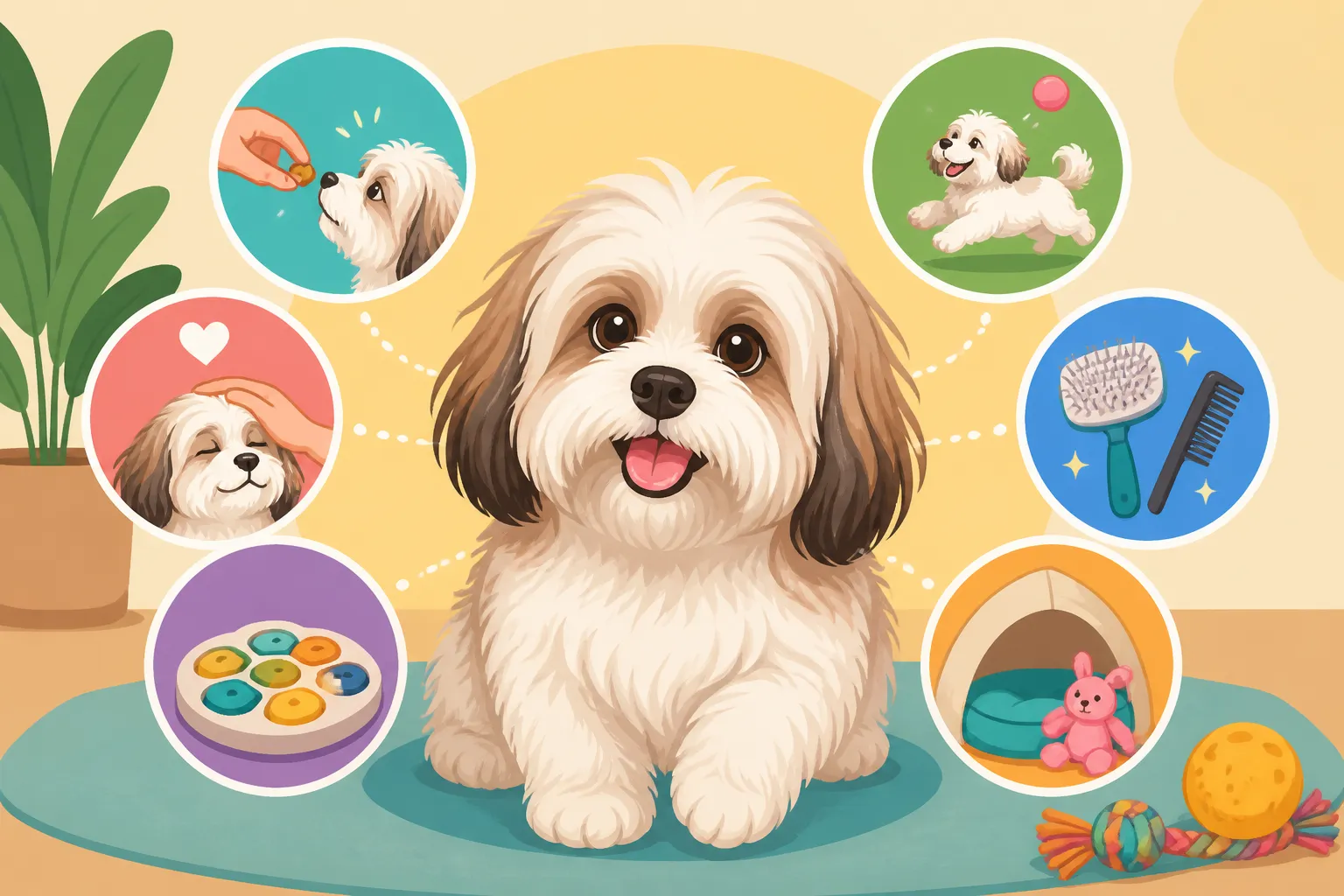
Every single day, your Havanese needs opportunities to engage their intelligent minds. This isn't optional; it's fundamental to their well-being. Think about a small child who thrives on learning and discovery. Your Havanese is much the same. This means incorporating puzzle toys, short training sessions, or scent games into their daily routine. Even when you're busy, a food puzzle can turn a regular meal into a mental exercise. Remember that What a Havanese Needs Every Day includes intellectual stimulation just as much as food and water.
This daily mental workout prevents boredom, which is often the root cause of many undesirable behaviors. It allows them to use their natural problem-solving abilities, satisfies their desire to please, and builds their confidence. A Havanese whose mind is regularly stimulated is a more content, calmer, and better-behaved companion. It truly makes a world of difference in their overall demeanor and happiness.
Make it a habit to offer something new or challenging each day, even if it's just a new spot to hide their treats for a "find it" game. Consistency in mental enrichment is just as important as consistency in physical exercise for these clever little dogs.
Strong, Positive Social Bonds
The Havanese were bred for companionship, and their need for strong, positive social bonds with their human family is paramount. They thrive on interaction, affection, and feeling like an integral part of the household. This means daily quality time with you, beyond just sharing the same space. Cuddles, gentle grooming sessions, and simply talking to them all contribute to fulfilling this deep emotional need.
Beyond their immediate family, consistent, positive socialization experiences are crucial. This could be calm greetings with friendly strangers, controlled play with well-mannered dogs, or even just observing the world from a safe vantage point. These experiences build their confidence and prevent fear or reactivity. Ignoring their social needs can lead to anxiety, shyness, or even aggression, as they may become overwhelmed by unfamiliar situations.
Remember, your Havanese wants to be with you, to participate in your life, and to feel loved and secure. Nurturing this bond through consistent, positive interaction and thoughtful socialization is one of the greatest gifts you can give them. It builds a foundation of trust and happiness that makes them such incredible companions.
Disclaimer
This article is for general informational purposes only and does not constitute professional advice. Laws, prices and regulations vary by location and change over time. Consult a qualified professional for guidance on your specific situation.