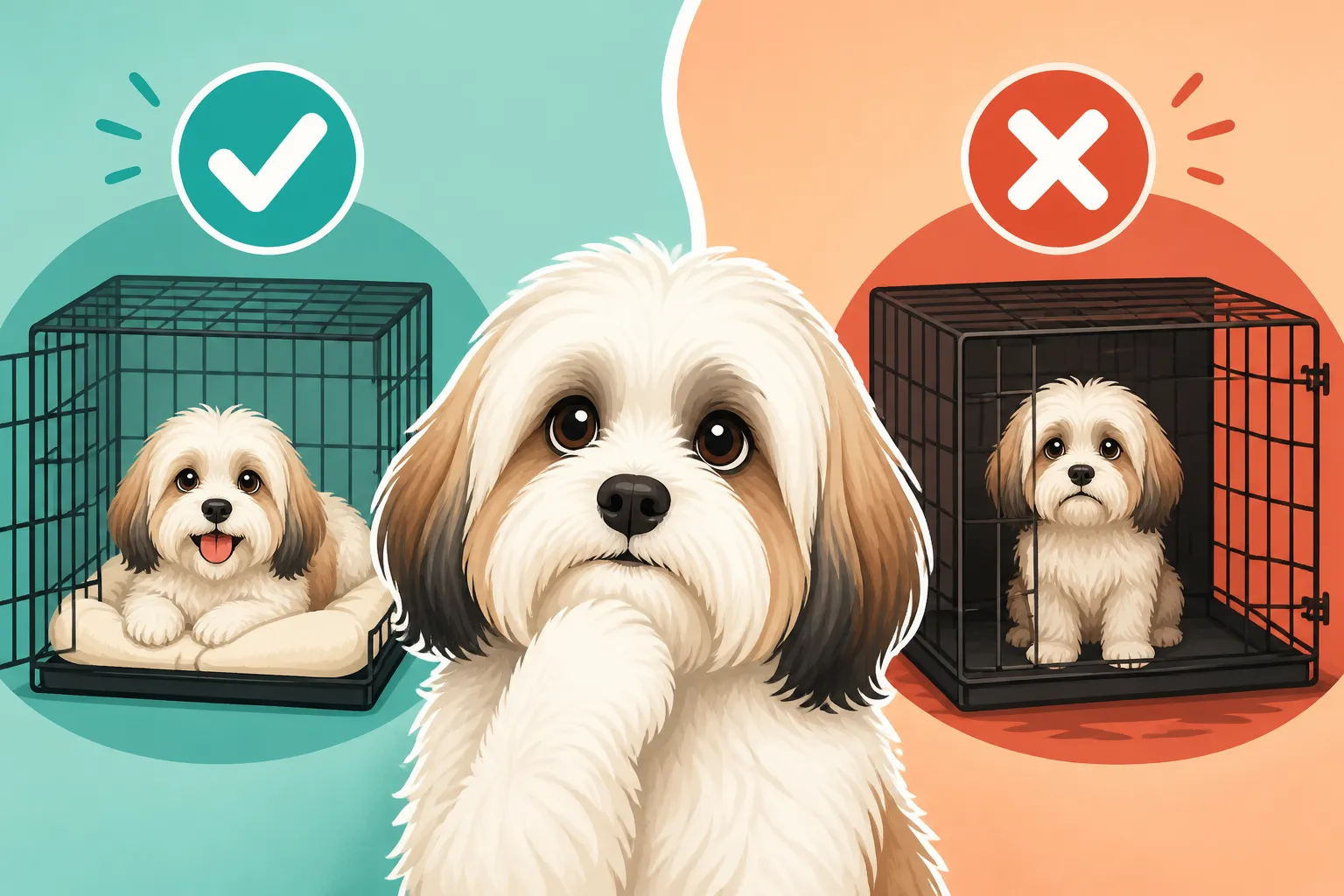
Whether Crate Training Suits a Havanese
Many Havanese owners find themselves wrestling with the idea of crate training, often wondering if this small, highly social breed can truly thrive in what might seem like a confined space. It's a valid concern, particularly when you know how much your little Havanese loves to be by your side. This guide will walk you through why crate training can be a wonderful, stress-reducing tool for your Havanese, offering them a safe haven while helping you navigate everything from housetraining to managing their natural companion-dog instincts.
Understanding the Havanese Temperament and Crate Training
Havanese are renowned for their cheerful dispositions, intelligence, and unwavering devotion to their families. They were literally bred to be companions, and this strong bond can sometimes lead to questions about whether a crate is truly suitable for such a people-oriented dog. Let's dive into their unique nature and see how a crate can actually complement it.
The Havanese Need for Companionship
One of the most endearing, and sometimes challenging, traits of the Havanese is their profound need for companionship. These little "Velcro dogs" often follow you from room to room, preferring to be right in the thick of family life. They thrive on interaction and can be prone to developing separation anxiety if not properly socialized and taught to cope with being alone. This inherent clinginess makes some owners hesitant about crating, fearing it will exacerbate their dog's anxieties.
However, understanding this need for closeness is key to successful crate training. The goal isn't to isolate your Havanese, but to create a secure, comfortable space that they associate with safety and calm, even when you're not immediately present. Think of it less as a cage and more as their very own bedroom or den, a place where they feel protected and can truly relax. If your Havanese struggles with being left alone, exploring resources like The Havanese That Cannot Be Left Alone can provide additional context and strategies.
How Crate Training Aligns with Their Nature
Despite their social nature, Havanese, like all dogs, are den animals by instinct. In the wild, canids seek out small, enclosed spaces for sleeping, raising young, and feeling safe from predators. This natural inclination means that a properly introduced crate can quickly become a cherished personal retreat for your Havanese. It’s not about fighting their instincts, but rather leaning into them in a way that benefits both dog and owner.
When trained positively, the crate becomes a familiar, predictable environment where your Havanese can decompress. It offers a sense of control and privacy that an open room might not, especially in a busy household. This is particularly true for puppies who can easily become overstimulated. For an adult Havanese, it’s a quiet spot to retreat to when they need a break from children, other pets, or just the general hustle and bustle. The key is never to use it for punishment, which would quickly erode this positive association. Instead, it should be a place where good things happen and a feeling of security abounds.
The Undeniable Benefits of a Well-Introduced Crate for Your Havanese
Crate training might seem like an extra step, but for Havanese owners, it offers a wealth of benefits that extend far beyond simple housebreaking. It's a foundation for responsible pet ownership and a crucial tool for your dog's safety and well-being.
A Safe Haven for Relaxation and Security
Imagine a busy household with kids playing, visitors coming and going, or just the general chaos of daily life. For a small Havanese, this can sometimes be overwhelming. A crate, when introduced as a positive space, becomes their personal sanctuary. It's a place where they know they won't be bothered, a quiet retreat where they can nap undisturbed, chew a favorite toy, or just chill out. This sense of security is invaluable, especially for a breed that thrives on feeling safe and cherished.
When a Havanese feels safe and secure, they are less likely to exhibit stress-related behaviors. This den-like environment caters to their natural instincts, providing a predictable space that helps them feel grounded. Many Havanese will, of their own accord, seek out their crate for a nap or a moment of peace, demonstrating just how much they appreciate having a spot that is truly their own.
Essential for Successful Housetraining
Let's be honest, housetraining can be one of the most frustrating aspects of bringing a new puppy home. Havanese, while intelligent, can sometimes be a bit stubborn or simply prone to "oopsies" if not managed consistently. The crate is an absolute game-changer here because dogs naturally don't want to soil their sleeping area. This innate cleanliness instinct is your best friend in teaching your Havanese where to do their business.
By creating a positive association with the crate, and using it consistently for supervised short periods, you teach your Havanese to "hold it" until they are taken outside. This is particularly useful in environments where outdoor access might be challenging, such as Housetraining a Havanese in a Cold Climate. When a puppy is reliably clean in their crate, it dramatically speeds up the process of establishing a consistent potty schedule. For more detailed insights, consider how How Long a Havanese Puppy Takes to Be Clean can assist your training efforts.
Preventing Destructive Behaviors When You Can't Supervise
Havanese puppies are curious and love to explore the world with their mouths. This means furniture legs, shoes, rugs, and anything else within reach can become tempting chew toys. Even adult Havanese, if bored or anxious, can turn to destructive chewing. When you can't have eyes on your Havanese—whether you're showering, cooking dinner, or stepping out for a short errand—a crate provides a safe, contained environment.
Instead of coming home to a chewed-up couch or a swallowed sock that could lead to an expensive vet visit, your Havanese can safely relax in their crate with appropriate toys. This isn't about punishment; it's about setting them up for success and protecting both your belongings and their health. It prevents them from practicing undesirable behaviors, making it easier to teach them what is acceptable to chew on when they are out of the crate and under your watchful eye.
Addressing Common Concerns and Challenges with Havanese and Crates
While crate training offers many benefits, it's totally normal to have reservations, especially with a breed as sensitive and companion-oriented as the Havanese. Many owners worry about things like separation anxiety or their dog simply hating the crate. Let's tackle these head-on.
Navigating Separation Anxiety in a Crate
The Havanese is a breed that truly thrives on human companionship, and because of this, they can be more prone to developing separation anxiety than some other breeds. The thought of putting an already anxious dog in a crate can feel counterintuitive, like you're making the problem worse. However, when done correctly, crate training can actually be a vital part of managing and reducing separation anxiety, not causing it.
The key is never to use the crate as a solution for existing severe separation anxiety. If your Havanese is already showing strong Signs a Havanese Has Separation Anxiety, such as destructive chewing, excessive barking, or elimination when left alone, simply crating them without addressing the underlying anxiety can intensify their distress. Instead, the crate should be introduced gradually and positively as part of a broader training plan that builds their confidence and teaches them to be comfortable on their own. This might involve very short, frequent absences, providing high-value treats only when in the crate, and using calming aids. For more insights into how long you can reasonably leave your Havanese, refer to How Many Hours a Havanese Can Be Left Alone.
Overcoming Initial Resistance and Crying
It’s completely normal for a Havanese, especially a puppy, to resist the crate at first. They might whine, bark, or even cry quite loudly when you first try to put them in. This isn't because they hate the crate or you; it's often a combination of fear of the unknown, missing their littermates, and a natural desire to be with their new family. It can be heartbreaking to hear, and it's easy to give in and let them out, but this can inadvertently teach them that crying works.
Patience and consistency are paramount here. The first rule is never to let them out while they are crying or barking. Wait for a moment of silence, even just a few seconds, before opening the door. This reinforces that quiet behavior gets attention. Make the crate a fun place by tossing in treats, engaging toys, or a special Kong filled with peanut butter. Start with very short periods, even just a minute or two, gradually increasing the time. Never force them in, and always use a cheerful, positive tone. Some owners find that leaving a radio on softly, as discussed in Whether Leaving the Radio On Helps a Havanese, can provide comfort and mask external noises.
The Myth of the Crate as a Punishment
One of the biggest misconceptions about crate training is that it's a form of punishment. This couldn't be further from the truth, and if a crate is used this way, it will absolutely undermine all positive associations and become a place of fear for your Havanese. If you ever send your Havanese to their crate because they did something wrong, they will quickly learn to dread it.
A crate should always be viewed as a positive, safe, and comforting space. It's where your Havanese gets special treats, enjoys quiet naps, and feels secure. If your Havanese misbehaves, redirect their energy, or put them in a puppy-proofed playpen for a "time-out" if necessary, but never the crate. By consistently maintaining the crate as a positive zone, your Havanese will willingly enter it, viewing it as their personal retreat rather than a penalty box.
A Step-by-Step Approach to Positive Crate Training for Your Havanese
Crate training isn't a one-and-done event; it's a gradual process built on positive reinforcement. For your sensitive Havanese, a gentle, patient approach will yield the best results.
Making the Crate a Den, Not a Dungeon
The very first step is to make the crate an inviting space. Don't just set it up and expect your Havanese to understand its purpose. Start by placing it in a high-traffic area of your home, like the living room, where your Havanese spends a lot of time. Leave the door open, and place a soft, comfy bed or blanket inside. Toss in some high-value treats and favorite toys. You want your Havanese to explore it willingly, driven by curiosity and positive rewards.
You can make it even more enticing by feeding meals inside the crate with the door open, or offering special chews that they only get when they go into their "den." The goal is to build a strong, positive association before you ever ask them to stay inside. A wonderful resource for this kind of positive reinforcement training is BAXTER & Bella, whose online puppy school emphasizes making training fun and fear-free. This initial phase can last a few days or even a week, depending on how quickly your Havanese warms up to the idea.
Gradual Introduction and Short Stays
Once your Havanese is comfortable going in and out of the crate voluntarily, it's time to introduce short periods with the door closed. The key word here is short. Start with just a few seconds. Toss a treat in, let them go in, close the door, say "good dog," give another treat through the wire, and open the door. Gradually increase the time, always staying within eyesight at first.
Never make a big fuss when you close the door or let them out. Keep it low-key. If they start to whine, wait for a brief moment of quiet before opening the door. This teaches them that quiet behavior earns release. Practice this multiple times a day. You might even work on having them go into the crate on a specific cue, like "crate time!" For instance, try "crate time!" toss in a treat, and when they enter, close the door for 10 seconds, then release. Repeat, slowly extending the duration. This phase is critical, especially for puppies learning concepts like Whether a Havanese Puppy Should Be Crated at Night.
Extending Crate Time and Overnight Success
As your Havanese becomes more comfortable, you can start extending the time they spend in the crate and leaving the room. Again, start small. Crate them with a favorite stuffed Kong, walk out of sight for a minute, then return. Gradually increase the duration and the distance. This is also where you can incorporate crate time into their daily schedule, such as during nap times or when you leave the house for a quick errand.
Overnight crating is often the ultimate goal for many owners, as it aids significantly with housetraining and gives everyone a better night's sleep. Ensure your Havanese has had a last potty break right before bed, and make the crate cozy with a soft bed. Place the crate close to your bed initially so they can hear and smell you, offering comfort. If they wake up and whine, take them out for a quick, boring potty break (no play!), then immediately back into the crate. This teaches them that crying at night is for potty needs, not for release to play. Consistency will eventually lead to your Havanese sleeping soundly through the night in their crate.
Here's a sample progression table for crate training:
| Stage | Activity | Duration/Frequency | Goal |
|---|---|---|---|
| Introduction | Place crate in living area, open door. Add bedding, toys, treats. | Ongoing, no forced entry. | Crate is a positive, neutral object. |
| Positive Feeding | Feed meals inside crate, door open. Offer special high-value chews. | Daily meals, special treats. | Strong positive association with crate contents. |
| Short Stays | Toss treat in, close door for seconds, then open. Praise. | 5-10 repetitions, several times a day. | Havanese tolerates door closing without stress. |
| Increased Duration | Close door for minutes. Gradually leave room. Use stuffed Kongs. | Gradually increase time (e.g., 5, 10, 15 minutes). | Comfortable being alone in crate for short periods. |
| Overnight Crating | Last potty break, put Havanese in crate by your bed. | Every night. Potty breaks if needed. | Sleeps through night in crate; aids housetraining. |
| Daily Routine | Incorporate crate into daily schedule (naps, brief absences, quiet time). | Regular, predictable use. | Crate is a natural, accepted part of daily life. |
Choosing the Perfect Crate and Essential Accessories for Your Havanese
Selecting the right crate and outfitting it properly is crucial for your Havanese's comfort, safety, and overall success with training. It's not just about picking any box; it's about creating a personal haven.
Sizing and Types of Crates for Comfort and Safety
When it comes to crate size, you want it to be just big enough for your Havanese to stand up, turn around, and lie down comfortably. If the crate is too large, your Havanese might be tempted to use one end as a potty area and the other as a bed, defeating the purpose of housetraining. Many crates come with a divider, which is fantastic for puppies, as you can adjust the space as they grow.
There are several types of crates, each with its pros and cons for a Havanese:
- Wire Crates: These are popular because they offer good ventilation and visibility. They're durable and often collapsible for easy storage or travel. Many come with a divider, making them ideal for puppies. You can find many options on Amazon.
- Plastic (Airline-style) Crates: These offer more of a den-like feel, which some Havanese prefer. They're good for travel, especially air travel, as they meet airline regulations. However, ventilation isn't as good, and visibility is limited.
- Soft-Sided Crates: Lightweight and collapsible, these are great for travel or temporary use. They're comfortable, but a determined chewer can easily destroy them, and they aren't suitable for dogs not already crate trained. They also offer less protection in a car accident.
- Furniture Crates: These are designed to blend in with your home decor. They look nice, but can be more expensive and heavier, and may not be as secure as wire or plastic for serious chewers.
For a Havanese, a wire crate with a divider is often the most versatile choice, allowing for growth and easy cleaning.
Must-Have Crate Comforts and Distractions
A bare crate can feel cold and uninviting. To make it a true haven, you'll need to add some comforts and distractions:
- Soft Bedding: A comfortable, washable bed or blanket is essential. Ensure it's not something your Havanese is likely to shred and ingest. Some owners use an old towel or a specific crate mat.
- Water Bowl: If your Havanese will be in the crate for more than an hour or two, especially during the day, a non-spill water bowl that attaches to the side of the crate is a must.
- Safe Chew Toys: High-value, durable chew toys are crucial for keeping your Havanese occupied and happy in their crate. A Kong stuffed with peanut butter, plain yogurt, or kibble (and frozen for a longer-lasting treat) can be a lifesaver. Ensure the toys are appropriate for their size and won't pose a choking hazard.
- Cover (Optional): Some Havanese feel more secure with a blanket draped over part of their wire crate, mimicking a den. This can reduce visual stimulation and help them settle. Just ensure there's still plenty of ventilation.
Where to Place Your Havanese's Crate
The location of the crate matters significantly for a Havanese. Remember, they are companion dogs. Placing their crate in a remote, unused room can make them feel isolated and contribute to anxiety.
For puppies and newly adopted Havanese, place the crate in your bedroom at night, especially during the first few weeks. This allows them to hear and smell you, providing comfort and making them feel less alone. For daytime use, locate the crate in a main living area where the family spends time. This keeps them connected to the family while still providing a safe, designated space for rest. As they mature and become more secure, you might move the crate to a slightly quieter spot, but always ensure it's still part of the family hub. The goal is to avoid making them feel punished or forgotten when they are crated.
Beyond Training: Maintaining a Positive Crate Experience for Years
Crate training isn't just for puppies; it's a valuable life skill that can benefit your Havanese throughout their entire life. Maintaining a positive association is key to their continued comfort and well-being.
Regular Crate Breaks and Exercise
Even a fully crate-trained Havanese shouldn't be expected to stay in their crate for excessively long periods. Small breeds like the Havanese have smaller bladders and require frequent potty breaks, especially puppies. An adult Havanese generally shouldn't be crated for more than 4-6 hours at a stretch during the day, though overnight they can often hold it longer.
Before crating, ensure your Havanese has had ample opportunity to relieve themselves and has burned off some energy through play or a walk. This helps them settle down more readily in the crate. When you let them out, immediately take them outside for a potty break, even if you think they don't need to go. Consistent routines reinforce positive habits. Remember, the crate is a tool for management and security, not a place to neglect their exercise and elimination needs. Your Havanese needs plenty of activity and engagement, as highlighted in articles like What a Havanese Needs Beyond a Walk.
Adapting Crate Use as Your Havanese Matures
As your Havanese grows from a puppy into an adult, their needs and behaviors will evolve, and your crate usage might adapt accordingly. A well-socialized adult Havanese might not need to be crated every time you leave the house for a short period, especially if they are trustworthy and non-destructive. However, the crate should always remain an option and a familiar, comfortable space.
Many owners continue to use the crate at night or when they're gone for longer stretches. It's also an invaluable tool for travel, vet visits, or during times of stress, like fireworks. By keeping the crate a part of their routine, even if not daily, you ensure your Havanese is comfortable and secure with it if a situation arises where crating is necessary. For example, Whether a Havanese Needs a Car Seat discusses how a crate or carrier can be a safe travel solution.
The Crate as a Lifelong Tool for Well-being
Ultimately, the crate can become a fantastic lifelong tool for your Havanese's overall well-being. It provides a secure space for them to rest without interruption, helps manage anxiety in new environments, and ensures their safety when you can't directly supervise them. From aiding in initial housetraining to serving as a familiar den during travel or recovery from a minor procedure, its benefits are extensive.
When consistently associated with positive experiences—like favorite toys, comfy bedding, and peaceful naps—the crate becomes a beloved personal space for your Havanese. It’s not a cage to be feared, but a retreat to be cherished, providing security and comfort that truly suits their loving, companionable nature. Many Havanese will willingly head into their crate for a snooze, proving that it can indeed be a happy place for them.
Disclaimer
This article is for general informational purposes only and does not constitute professional advice. Laws, prices and regulations vary by location and change over time. Consult a qualified professional for guidance on your specific situation.