Settling a Rehomed Havanese
Bringing a rehomed Havanese into your home can feel like a delicate dance, a mix of immense joy and a healthy dose of apprehension. You're excited to offer a loving forever home, but you also understand that this little dog has a past, and they might arrive feeling scared, confused, or even a bit lost. It’s completely normal to worry about how they'll adjust, whether they'll ever truly feel safe, and how you can best support them through this significant life change. This comprehensive guide is here to walk you through the process, offering empathetic advice and actionable steps to help your new Havanese settle in smoothly and confidently, transforming that apprehension into a strong, loving bond.
Understanding Your Rehomed Havanese's Mindset
When you open your home to a rehomed Havanese, it's crucial to remember that they aren't a blank slate. They come with a history, a personality that's already been shaped, and very real emotions about their past. Even if their previous home wasn't ideal, it was what they knew, and the act of leaving it can be incredibly unsettling. Their initial reactions, whether it's shyness, fear, or even a bit of withdrawal, aren't personal—they're simply coping mechanisms for a situation that's bewildering to them.
The Emotional Rollercoaster for Your Havanese
Imagine being suddenly picked up and placed in an entirely new world, with new smells, new sounds, new people, and new routines. That's precisely what your Havanese is experiencing. They might feel a profound sense of loss or grief for their previous family, even if that family was unable to keep them for understandable reasons. Some rehomed Havanese might have experienced neglect or trauma, making them extra sensitive to changes and loud noises. Others might have simply had a pampered life with an owner who fell ill, and now they're just plain confused. This emotional state can manifest in various ways: they might hide, refuse food, be hesitant to interact, or even seem apathetic. It's a heavy burden for such a small, sensitive creature to bear, and acknowledging this is the first step toward building trust. You're their anchor now, and they need your calm, patient presence more than ever.
The "Honeymoon Period" Versus Reality
Many new dog owners hear about the "3-3-3 rule," and it's a fantastic, realistic guideline to keep in mind when settling a rehomed Havanese. It helps temper expectations and gives you a framework for understanding their adjustment process.
- First 3 Days: Think of these as the "decompress" days. Your Havanese will likely be overwhelmed and might shut down, not eating much, sleeping a lot, or just observing from a distance. They're processing the immense change. It's common for them to be a little quiet and not show their full personality yet. They might even act "perfect" because they're simply too scared or unsure to misbehave. Don't expect much interaction, just provide a safe space and fulfill their basic needs.
- First 3 Weeks: During this period, your Havanese starts to learn the routine and feel a tiny bit more comfortable. They'll begin to understand when meals are, when potty breaks happen, and who the key people in their life are. This is also when some of their underlying behaviors might start to emerge. If they have separation anxiety, or if they're prone to barking, you might start to see signs now. This phase is crucial for establishing consistent habits.
- First 3 Months: By now, your Havanese should be starting to feel truly at home. Their personality will be shining through, they'll know their routine inside out, and they'll have formed a bond with you. This is when they truly relax and integrate into your family. It's a gradual process, and some dogs may take longer, especially if they have a more challenging past. The key is consistent, positive interactions and unwavering patience. For more on early adjustment, you might find insight in The First Year With a Havanese Puppy.
Creating a Safe and Predictable New Environment
The physical environment you provide for your rehomed Havanese plays a massive role in their ability to feel secure. Think of your home as their new fortress, and you're designing the safest, coziest corner for them to retreat to when the world feels too big. Havanese are naturally prone to sticking close to their people, but a designated "safe spot" gives them agency and a sense of control during a time of upheaval.
Setting Up a Sanctuary Space
Every rehomed Havanese needs a safe, quiet, and comfortable retreat they can call their own, especially in those initial days and weeks. A crate can be an absolute godsend, even if you don't plan on crating them long-term. Cover it with a blanket to create a den-like feel, and fill it with a soft bed or blankets. Place it in a low-traffic area of your home, perhaps in your bedroom or a quiet corner of the living room, but never as a punishment. This space should be their haven, a place where they feel safe and undisturbed.
You might also consider a playpen to give them a slightly larger, yet still contained, space when you can't directly supervise them. This prevents them from feeling overwhelmed by an entire house and also helps with initial house training. Having a dedicated space reduces anxiety and helps them understand boundaries. Many new owners wonder about the practicality of these items, and resources like What a Crate and Playpen Cost a Havanese Owner can provide helpful information on setup.
Essential Supplies for Comfort and Security
Beyond a safe space, your Havanese needs the basics to feel settled and loved. Stock up on these essentials before they arrive:
- Food and Water Bowls: Choose ceramic or stainless steel bowls that are easy to clean. If your Havanese is small, a raised bowl might make eating more comfortable.
- High-Quality Food: Try to find out what food they were eating previously to avoid sudden dietary changes, which can cause an upset stomach. Transition slowly if you plan to switch.
- Leash and Harness: For a Havanese, a harness is often preferred over a collar for walks, as it distributes pressure more evenly and protects their delicate neck. Look for a comfortable, secure harness. A standard 6-foot leash is perfect for walks.
- Comfort Items: A soft bed or two for different areas of the house. A few durable, appropriate chew toys can help alleviate stress and boredom. You can find a wide variety of these on platforms like Amazon, from soft plush toys to tougher rubber options.
- Grooming Tools: A soft slicker brush and a metal comb are vital for daily grooming to prevent mats, which can be particularly stressful for a new Havanese if they aren't used to it. How Long Brushing a Havanese Takes Daily delves into the importance of this routine.
Establishing Routines and Trust
Havanese, like most dogs, thrive on predictability. A consistent routine acts as a roadmap for them in their new world, reducing uncertainty and building confidence. When they know what to expect and when, they can begin to relax and truly integrate.
The Power of Predictable Daily Schedules
From the moment your rehomed Havanese arrives, start implementing a consistent daily schedule. This includes:
- Feeding Times: Two set meal times a day, roughly 12 hours apart, helps regulate their digestive system and establish a predictable rhythm.
- Potty Breaks: Take them out frequently, especially after waking up, after eating, and before bed. Praise and reward heavily when they go outside. Accidents inside are a given with rehomed dogs, as they've likely had a different schedule or even different expectations in their previous home. Be patient and understand that you're essentially starting house training from scratch. For specific challenges, Housetraining a Havanese in a Cold Climate offers useful tips.
- Walks and Playtime: Scheduled short walks and dedicated play sessions provide physical and mental stimulation, help them bond with you, and burn off nervous energy.
- Quiet Time/Crate Time: Just as important as play is scheduled downtime. This teaches them to settle and reinforces their crate or safe space as a place of rest.
Consistency is your best friend. Even if they don't seem to grasp it immediately, sticking to the schedule will eventually pay off and become a comforting constant in their lives.
Gentle Introductions to Family Members and Pets
Introducing your rehomed Havanese to other members of your household, whether human or animal, needs to be handled with care and patience. Overwhelming them with too many new faces or boisterous energy can set back their adjustment significantly.
- Children: If you have children, teach them how to interact calmly and gently with the new dog. Supervise all interactions closely. Explain that the Havanese might be scared and needs space. Teach children to offer treats gently, pet softly, and avoid sudden movements or loud noises. For more detailed advice on integrating a Havanese into a family with kids, consult A Havanese in a House With Children.
- Other Pets: Introductions to existing dogs or cats should be done slowly, on neutral territory if possible, and with both animals on leash or otherwise safely managed. Allow sniffing and gentle interaction, but be ready to separate them if either animal shows signs of stress or aggression. Short, positive encounters are better than long, stressful ones. Gradually increase the duration and decrease supervision as they become more comfortable. A Havanese Meeting the Dog You Already Have can guide you through this process. Remember that some Havanese, particularly those who have been an only pet, may take longer to adjust to living with other animals.
Addressing Common Behavioral Challenges
It's completely normal for a rehomed Havanese to exhibit some behavioral quirks or challenges as they adjust. These aren't necessarily ingrained problems, but often manifestations of stress, confusion, or a lack of consistent training in their past. Your patience and understanding will be key to helping them overcome these hurdles.
Navigating Separation Anxiety
Havanese are famous for their strong attachment to their people, often earning them the nickname "Velcro dogs." This wonderful trait can, unfortunately, make them particularly susceptible to separation anxiety, especially after the upheaval of rehoming. Signs might include incessant barking, destructive chewing, inappropriate urination or defecation, or frantic pacing when left alone. Signs a Havanese Has Separation Anxiety explores this topic in depth.
To help mitigate this:
- Gradual Departures: Start by leaving them alone for very short periods (a few minutes), building up gradually.
- Enrichment: Provide engaging toys, especially puzzle toys filled with high-value treats (available on Amazon), to keep them occupied when you're away.
- Safe Space: Ensure their crate or safe area is a positive place. Never use it for punishment.
- Routine: A predictable routine can help them understand that your departures are temporary and you will return.
- Avoid Dramatic Goodbyes/Hellos: Keep arrivals and departures low-key to minimize the emotional charge around them. For a more direct discussion, you might find The Havanese That Cannot Be Left Alone helpful.
Re-establishing House Training
Potty accidents are one of the most common frustrations with a rehomed dog, regardless of their past house training status. Their previous routine is gone, and they're in a new environment with different expectations. It's crucial to go back to basics, treating them like a young puppy again.
- Frequent Potty Breaks: Take them out every couple of hours, especially after waking, eating, and playing.
- Consistent Spot: Always take them to the same designated potty spot in your yard.
- High-Value Rewards: When they successfully go outside, lavish them with praise, enthusiastic verbal cues ("Good potty!"), and a tasty treat. Make it the best thing ever!
- Clean Accidents Thoroughly: Use an enzymatic cleaner to eliminate odors that might encourage them to go in the same spot again.
- Supervision: Keep a close eye on them indoors, especially in the beginning. If you can't supervise, use their crate or a playpen. Remember that The Weeks a Havanese Puppy Takes to Be Clean often applies to rehomed adults too.
Managing Fear and Reactivity
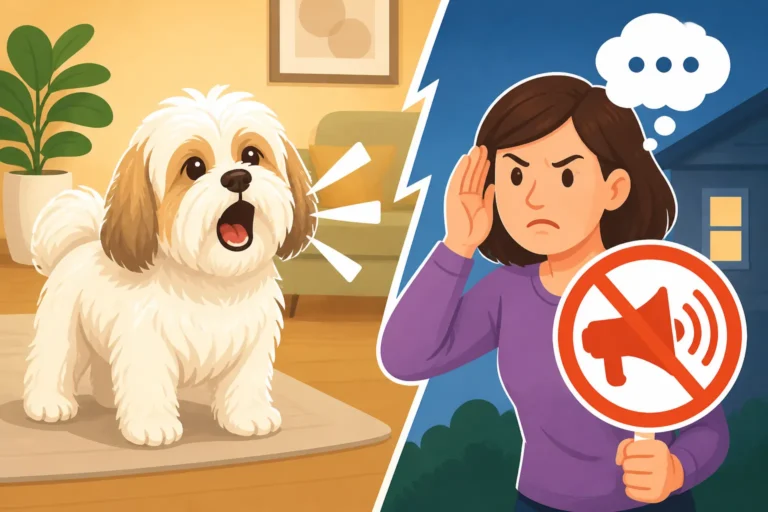
Some rehomed Havanese might display fear-based behaviors or reactivity. This could be barking excessively at every sound, shying away from new people, or being nervous around other dogs. The Barking a Havanese Does at Every Sound is a good resource for addressing noise sensitivity.
- Positive Exposure: Slowly and positively expose them to the things they're afraid of, always keeping them under their threshold (the point where they become stressed).
- High-Value Treats: Pair anything new or scary with delicious treats. If a stranger approaches, have them toss a treat rather than immediately reaching out.
- Avoid Forcing Interaction: Never force your Havanese to interact with someone or something they're clearly afraid of. This can erode trust and increase fear.
- Professional Help: If fear or reactivity is severe, consider consulting a certified professional dog trainer or a veterinary behaviorist. Online resources like BAXTER & Bella offer structured training programs that can be incredibly helpful for new owners, providing guidance on everything from basic manners to addressing specific behavioral issues.
Patience and Long-Term Integration
The journey of settling a rehomed Havanese isn't a race; it's a marathon filled with small victories and occasional setbacks. The most powerful tools you have are patience, consistency, and an abundance of positive reinforcement.
The Importance of Patience and Positive Reinforcement
You will have moments of frustration. Your Havanese might have an accident after a week of perfect house training, or they might regress on a behavior you thought they mastered. In these moments, take a deep breath. Remember that they are doing their best to adapt to a whole new life. Shouting, scolding, or punishment will only damage the fragile trust you're building and potentially exacerbate their anxiety.
Instead, focus on positive reinforcement. Reward the behaviors you want to see. Did they quietly lie on their bed when the doorbell rang? Treat! Did they choose to nap in their crate? Treat! Did they give you a polite sit for attention? Treat! Celebrate every tiny success. This builds their confidence and teaches them that good things happen when they engage in desired behaviors. It's a fundamental principle for all dog training, but especially crucial for a dog in transition.
Seeking Professional Guidance
While much of the settling process can be handled at home with consistent effort, there are times when professional guidance is invaluable. If your Havanese is exhibiting severe anxiety, aggression, deep-seated fears, or if you simply feel overwhelmed and unsure how to proceed, don't hesitate to reach out.
- Your Veterinarian: They can rule out any underlying medical conditions that might be contributing to behavioral issues.
- Certified Professional Dog Trainer: A force-free, positive reinforcement trainer can help you understand your dog's behavior, teach you effective communication strategies, and work with you on specific challenges. Organizations like the Certification Council for Professional Dog Trainers (CCPDT) can help you find qualified professionals in your area. Online platforms, such as BAXTER & Bella, also offer robust virtual training programs and resources that can be a great starting point for new owners or those looking for structured support from the comfort of their home. If you're wondering whether you truly need this, Whether a Havanese Needs a Professional Trainer offers further insight.
Building an Unbreakable Bond
The ultimate goal in settling a rehomed Havanese is to forge a deep, loving bond that lasts a lifetime. This bond isn't instant; it's built through shared experiences, mutual respect, and unwavering love.
- Quality Time: Spend time simply being with your Havanese. Cuddle on the couch, have gentle play sessions, or just work quietly in the same room. These quiet moments build connection.
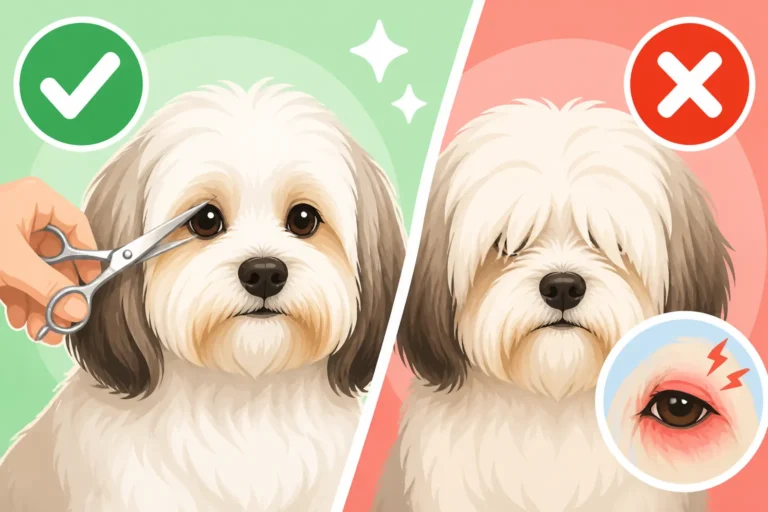
- Gentle Grooming: Havanese need regular grooming, and this can be a wonderful bonding opportunity. Gentle brushing, ear cleaning, and face trims, performed with patience and positive reinforcement, can become a cherished ritual. You can find excellent quality grooming tools, from slicker brushes to small combs, on Amazon to help make this an enjoyable experience for both of you.
- Training Together: Basic obedience training, taught with kindness and positive reinforcement, not only gives your Havanese structure and confidence but also strengthens your communication and bond. They learn to trust your guidance, and you learn to understand their cues.
- Respect Their Space: Always respect their need for space, especially in their designated safe area. This reinforces that they can trust you to protect their boundaries.
Watching a rehomed Havanese blossom from a timid, uncertain soul into a confident, joyful member of your family is one of the most rewarding experiences a dog owner can have. It takes time, it takes effort, and it takes an open heart, but the unconditional love they give back is truly priceless.
Disclaimer
This article is for general informational purposes only and does not constitute professional advice. Laws, prices and regulations vary by location and change over time. Consult a qualified professional for guidance on your specific situation.