Teaching a Havanese a Quiet Cue
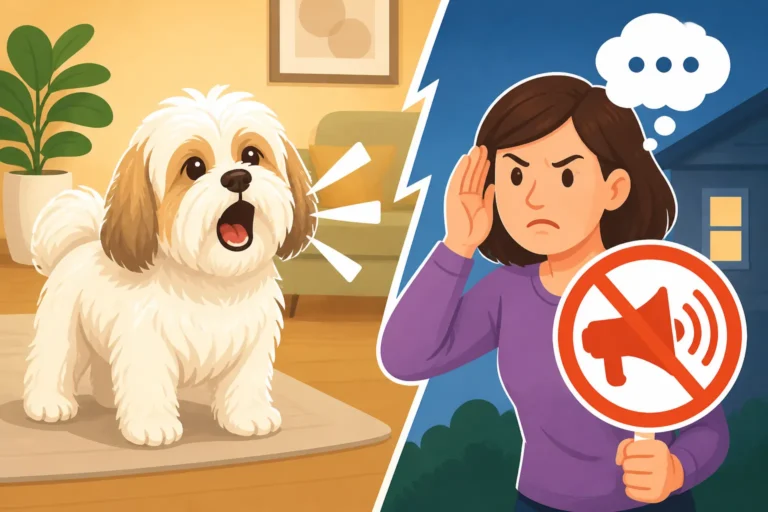
It’s a common scenario for Havanese owners: you’re trying to enjoy a quiet evening, or perhaps focus on a task, and your beloved Havanese suddenly launches into a symphony of barks at every rustle outside, every passing squirrel, or the dreaded doorbell. This constant vocalization, while often endearing in small bursts, can become incredibly frustrating and even disruptive. This guide will walk you through a gentle, positive reinforcement approach to teaching your Havanese a "quiet" cue, helping you regain some peace and manage their natural exuberance.
Understanding Why Your Havanese Barks So Much
Before we can teach our Havanese to be quiet, it’s really helpful to understand why they’re barking in the first place. These little fluffballs are intelligent, alert, and surprisingly vocal, and their barks are rarely without a reason, even if that reason seems trivial to us. Trying to suppress barking without addressing the root cause is like patching a leaky faucet without turning off the main water supply – it’s just going to keep springing up somewhere else.
The Havanese Nature and Barking Tendencies
Havanese were originally companion dogs, bred to alert their families to visitors or unusual occurrences. They weren't meant to be silent sentinels, but rather charming, lively watchdogs for the household. This means that a certain amount of "alert barking" is built into their DNA. They are sensitive to sounds and changes in their environment, and they're not shy about letting you know what they perceive. The Barking a Havanese Does at Every Sound is a real thing, and it stems from this inherent alertness.
Moreover, Havanese are deeply bonded to their people. This strong attachment can sometimes manifest as anxiety when left alone, leading to barking as a way to call for attention or express distress. They also learn quickly that barking gets a reaction from us, whether it's a verbal "No!" or simply looking in their direction. Even negative attention can be perceived as a reward, reinforcing the behavior we're trying to stop. Understanding their history as companion and alert dogs helps us to approach their barking with empathy rather than frustration.
Common Triggers for Excessive Barking
Once you recognize that barking is a form of communication, you can start to identify the specific messages your Havanese is trying to send. The triggers for barking can be varied, but some are incredibly common in Havanese households. Identifying these triggers is the first step in creating a plan.
For many Havanese, the arrival of guests or the sound of someone at the door is a huge trigger. This alert barking is their way of saying, "Hey, someone's here!" or "Intruder alert!" Even passing pedestrians or other dogs outside your window can set them off. Similarly, boredom or a lack of mental and physical stimulation can lead to nuisance barking. A Havanese that isn't getting enough engagement might bark to get your attention, to initiate play, or simply out of frustration. Sometimes, barking is also a clear sign of fear or anxiety, especially if they are worried about a new person, object, or situation. It's their way of creating distance or expressing their discomfort.
| Type of Barking | Common Triggers | What it Might Mean |
|---|---|---|
| Alert/Territorial | Doorbell, mail carrier, stranger passing, outside noises, other dogs | "Someone's here!" "Stay away from my house/family!" |
| Attention-Seeking | You're busy, ignoring them, talking on the phone | "Look at me!" "I want something!" "Let's play!" |
| Boredom/Frustration | Lack of exercise, mental stimulation, left alone too long | "I'm bored!" "I have too much energy!" |
| Anxiety/Fear | Thunder, new environments, being left alone, unfamiliar people/dogs | "I'm scared!" "Where are you?" |
| Excitement/Play | Fetch, greeting you, another dog, new toy | "Yay! Let's play!" "I'm so happy!" |
The Foundations of a "Quiet" Command
Before you dive into teaching the specific "quiet" cue, it’s essential to lay some groundwork. Think of it as preparing the soil before planting seeds. Without these foundational elements, training will be much harder, and your Havanese might struggle to understand what you're asking of them. Positive reinforcement and environmental management are key.
Using Positive Reinforcement
Positive reinforcement is the absolute cornerstone of effective Havanese training. These bright little dogs thrive on praise, treats, and enthusiastic encouragement. They want to please you, and they learn best when they associate performing a desired action with something wonderful happening to them. When you’re teaching a "quiet" cue, this means rewarding silence, even if it's just a momentary pause in barking. High-value treats – tiny pieces of cooked chicken, cheese, or their favorite soft treat – will be your best friends here.
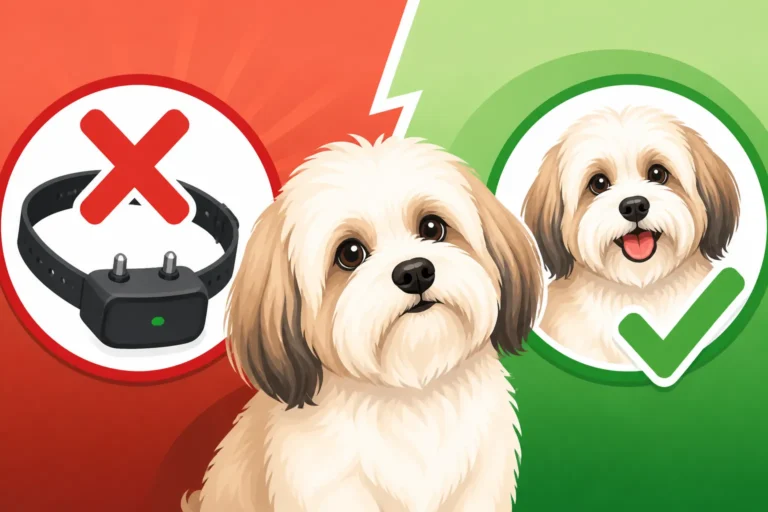
Avoid scolding, yelling, or using harsh corrections. Not only can this damage your bond with your Havanese, but it often backfires with barking. Yelling at a barking dog can actually be interpreted as you barking along with them, intensifying their excitement and making the problem worse. It can also create anxiety, leading to a dog who barks out of fear or confusion rather than stopping the behavior. Focus on what you want your Havanese to do (be quiet), and reward that behavior generously. This positive approach is far more effective and enjoyable for both of you. What a Havanese Will Work For is usually affection and delicious treats!
Managing the Environment and Triggers
While you’re actively training, it’s crucial to manage your Havanese’s environment to minimize opportunities for excessive barking. This isn't about ignoring the problem, but about setting your dog up for success and reducing the intensity of triggers while they learn. For instance, if your Havanese barks incessantly at people walking past your front window, consider blocking their view with frosted film, closed blinds, or a baby gate that keeps them away from the window during peak "trigger" times.
Similarly, if the doorbell is a major trigger, don't just wait for it to ring randomly. Enlist a family member or friend to practice ringing it repeatedly while you work on managing your Havanese's reaction. Gradually expose them to the trigger in a controlled way, making sure the intensity is low enough that they don't immediately launch into a barking fit. Providing enrichment like puzzle toys or long-lasting chews when you know a trigger is likely can also divert their attention and give them something positive to do. A mentally stimulated Havanese is often a quieter Havanese.
Step-by-Step Guide to Teaching "Quiet"
Now that we’ve covered the groundwork, let’s get into the nitty-gritty of teaching your Havanese that magical "quiet" cue. This process takes patience and consistency, but watching your Havanese respond to your cue for silence is incredibly rewarding. Remember to keep training sessions short, positive, and fun.
Step 1: Teach a "Speak" Command First
This might sound counterintuitive, but teaching your Havanese to "speak" on cue actually helps tremendously when teaching "quiet." It gives you control over the barking, allowing you to instigate the barking so you can then cue the quiet. Find a trigger that reliably makes your Havanese bark – maybe knocking on a door, ringing a bell, or having someone stand outside.
When your Havanese barks at the trigger, say "Speak!" (or "Bark!") and then immediately reward them with a high-value treat and praise while they are still barking. Repeat this several times. The goal is for them to associate the verbal cue "Speak!" with the act of barking. Once they start barking after you say "Speak!" and before the trigger, you've got it! Now you can use this controlled barking to transition to quiet. This skill alone is a wonderful foundation for communication.
Step 2: Introduce the "Quiet" Command
Once your Havanese understands "Speak," you can introduce "Quiet." This is where the real magic happens. Ask your Havanese to "Speak!" When they bark, let them bark for a moment or two, then immediately hold a high-value treat directly in front of their nose. Most dogs will pause their barking to sniff the treat. The instant they are silent, say "Quiet!" (or "Shhh!") and give them the treat. The timing here is absolutely critical. You are rewarding the absence of barking.
Repeat this many, many times. Ask for "Speak," wait for the bark, then present the treat, say "Quiet!" the moment they stop barking, and reward. Gradually, increase the duration of silence before you give the treat. Start with just a second of quiet, then two seconds, then three, and so on. If they bark again before you can reward, don't scold them; just try again. The key is to capture that moment of silence with your cue and a delicious reward. You'll find that using a clicker (which you can easily find on Amazon) right at the moment of silence can really help mark the exact behavior you're looking for, followed immediately by the treat.
Step 3: Generalize the Command in Different Environments
A common mistake is expecting your Havanese to understand a command in all situations after only practicing it in one. Once your Havanese reliably responds to "Quiet" in a controlled, low-distraction environment, it’s time to start generalizing. This means practicing the command in different places, with different triggers, and with varying levels of distraction.
Start by practicing in a slightly more stimulating environment, perhaps in a different room of your house or in your yard. If the doorbell usually sets them off, have a friend ring the bell while you practice. Ask them to "Speak," then "Quiet." Gradually increase the intensity of the distractions. Practice outside on a leash, in your car, or even near a dog park (but far enough away to ensure success). Remember, the goal is always to set your Havanese up to succeed. If they are too overwhelmed by the distraction, reduce the intensity and try again. Consistency is key here.
Troubleshooting Common Challenges
Even with the best intentions and methods, training can present challenges. It’s completely normal for your Havanese to have off days, or for a particular trigger to prove more difficult than others. Don't get discouraged! Persistence, flexibility, and a deep understanding of your Havanese’s unique personality will get you through.
When Your Havanese Won't Stop Barking
Sometimes, your Havanese might just seem too over-the-top to even get a moment of silence. This often happens when the trigger is too strong, or they are too aroused. If you're struggling to even get that initial pause to say "Quiet!", try to reduce the intensity of the trigger. Instead of having someone ring the doorbell repeatedly, perhaps just have them walk past the window at a distance. If they bark at a specific sound, try playing a recording of that sound at a very low volume.
Another strategy is to interrupt the barking with something completely novel and highly rewarding, like scattering a handful of treats on the floor. This encourages them to stop barking and sniff for food, giving you that precious moment of silence to cue "Quiet!" and reward. The goal is to break the barking cycle and redirect their attention. If you're finding that even these methods aren't working, consider seeking guidance from a certified professional dog trainer. Sometimes an outside perspective and hands-on help can make all the difference. For structured online guidance, a program like BAXTER & Bella can provide excellent, detailed support for persistent issues.
Dealing with Regressions and Setbacks
Just like with any learning, regressions are a normal part of the process. You might have a few weeks of perfect "quiets," and then suddenly your Havanese seems to have forgotten everything. This isn't a sign of failure; it's a sign that they're still learning and that you need to reinforce the skill. Think of it as a spiraling process, where you revisit earlier steps to strengthen the foundation.
When a regression happens, go back to basics. Practice "Speak" and "Quiet" in a very low-distraction environment. Use those high-value treats that really get their attention. Ensure your timing is impeccable and that you're rewarding every moment of silence. Remind yourself that your Havanese isn't doing this to annoy you; they're simply responding to their instincts or something in their environment. Consistency, patience, and celebrating small successes will help you get back on track.
Addressing Barking Due to Separation Anxiety
If your Havanese's barking is primarily happening when they are left alone, you might be dealing with separation anxiety, which requires a slightly different approach than typical nuisance barking. Havanese are prone to forming very strong attachments, and being left alone can be genuinely distressing for them. The barking in this scenario is a distress call, not an alert. The Havanese That Cannot Be Left Alone can often show these signs.
Addressing separation anxiety involves a multi-faceted approach, including gradual desensitization to your departure cues, creating a safe and comfortable "den" space, and possibly using calming aids or working with a vet or veterinary behaviorist. Teaching "quiet" can be part of the solution, but it won't fix the underlying anxiety on its own. It's crucial to identify if loneliness or fear is driving the barking, as punishing it can exacerbate their distress. Providing engaging puzzle toys (you can find many options on Amazon) filled with frozen treats before you leave can help create a positive association with your departure, but truly addressing separation anxiety is a long-term commitment.
Integrating "Quiet" into Everyday Life
Teaching the "quiet" command is only half the battle; the real victory comes when your Havanese uses it reliably in the hustle and bustle of daily life. This is where generalization, consistent management, and providing alternative behaviors really shine.
Consistency and Repetition Are Key
You've heard it before, and it's true: consistency is paramount. Every family member needs to be on board with using the "quiet" cue in the same way, with the same rewards, every single time. If one person allows barking to go unaddressed while another cues for quiet, your Havanese will become confused and the training will be much slower. Make a plan and stick to it. Practice the "quiet" command regularly, not just when your Havanese is barking excessively. Short, frequent training sessions are far more effective than long, infrequent ones.
Remember, this isn’t a one-and-done kind of training. Your Havanese is constantly learning and testing boundaries. Regularly reinforce the "quiet" command in various situations. The more consistent you are, the more ingrained the behavior will become, and the more instinctively your Havanese will respond to your cue for silence.
Proactive Management of Barking Triggers
Beyond simply telling your Havanese to be quiet, think proactively about managing situations that cause them to bark. This means taking steps to prevent the barking from starting in the first place, or at least reducing its intensity. For example, if you know the mail carrier comes at a certain time, engage your Havanese in a high-value activity before the mail carrier arrives. Give them a stuffed Kong, play a game of fetch in another room, or ask them to practice some known tricks.
If visitors are coming over, consider putting your Havanese in a separate room with a chew toy before guests arrive, or keep them on a leash by your side so you can manage their reaction calmly. Teaching your Havanese to go to a mat or "place" when the doorbell rings can be incredibly helpful. This proactive management reduces the stress on both you and your Havanese, and it prevents them from practicing the unwanted barking behavior.
Providing Alternatives to Barking
A Havanese that barks excessively is often a Havanese with unmet needs – whether it's for attention, mental stimulation, or exercise. Instead of just trying to stop the barking, provide your Havanese with acceptable alternative behaviors. If they're barking for attention, teach them to gently tap your leg or bring a toy instead. When they do this, reward them lavishly!
Ensure your Havanese is getting enough mental and physical exercise throughout the day. Daily walks, engaging play sessions, and interactive puzzle toys can burn off excess energy and provide mental stimulation, making them less likely to resort to barking out of boredom or frustration. What a Havanese Needs Beyond a Walk often includes these mental exercises. By meeting their needs proactively and teaching them acceptable ways to communicate, you'll find that the demand for the "quiet" cue diminishes naturally over time, leading to a much more peaceful and content household.
Disclaimer
This article is for general informational purposes only and does not constitute professional advice. Laws, prices and regulations vary by location and change over time. Consult a qualified professional for guidance on your specific situation.