Whether a Havanese Learns to Fetch
It's a common misconception that only "working" breeds or larger dogs have the natural inclination for a game of fetch. Many Havanese owners wonder if their charming, often pampered little companions can actually learn to retrieve a thrown toy, or if it's just a pipe dream. The truth is, while it might not come as instinctively to every Havanese as it does to a Labrador, these intelligent and eager-to-please dogs absolutely can learn to fetch with the right approach and a sprinkle of patience. This guide will walk you through how to teach your Havanese to enjoy and excel at this classic game, proving that even the most regal toy breed has a playful, retrieving spirit waiting to be unleashed.
The Havanese Instinct for Play and Not Necessarily Fetch
When you look at a Havanese, with their flowing coats and sweet, expressive eyes, you might not immediately picture them bounding across a field, intently focused on a thrown disc. And you'd be right, for the most part. Their history and inherent temperament guide their play in different, but equally delightful, directions.
Understanding the Havanese Play Style
Havanese were originally bred as companion dogs for Cuban aristocracy, which means their primary job was to charm, entertain, and stay close to their human families. This history has ingrained in them a strong desire for interaction and attention. They are often described as "Velcro dogs" who love to be involved in whatever their people are doing. Their play style tends to be more about engagement with you rather than independent tasks. They adore games that involve chasing, pouncing, and showing off their playful antics. Think less about a long-distance retriever and more about a joyful, interactive participant who loves to be the center of your world.
Their intelligence is undeniable, and they thrive on mental stimulation as much as physical activity. This breed can pick up new tricks incredibly fast, eager to earn your praise and a tasty treat. So, while fetching a ball might not be in their ancestral DNA like it is for a working retriever, their willingness to learn and please makes them highly trainable for almost any activity you introduce with positive reinforcement. They want to spend time with you, and if "fetch" means more time and fun with their favorite human, they're usually all in!
Why Fetch Might Not Be "Natural" for Them
Unlike breeds specifically developed for retrieving game, like Golden Retrievers or Chesapeake Bay Retrievers, the Havanese wasn't selectively bred to pick up and bring back items over long distances. Their small size and delicate build also mean that long, strenuous runs or carrying large objects aren't typically their forte. A Havanese might happily chase a toy a short distance, but the "bring it back" part can sometimes feel optional to them. They might prefer to parade their prize, chew on it, or initiate a game of "keep away."
Moreover, their strong attachment to their owners means they often want to be with you, not meters away chasing a ball. For some Havanese, the joy is in the chase and the capture, not necessarily the return. It’s also important to remember that some small dogs have a stronger "prey drive" which makes them excellent at chasing, but their instinct might be to "keep" the prey (the toy) rather than returning it to the "hunter" (you). This isn't a flaw; it's just a different natural inclination that we need to work with, rather than against, when teaching fetch.
Teaching Your Havanese to Fetch: Breaking Down the Steps
Teaching fetch to a Havanese is entirely possible and can be a wonderful bonding experience. It just requires patience, positive reinforcement, and a clear, step-by-step approach. Forget the idea that they should know how to do it instantly; celebrate every tiny step forward.
Starting with the Right Motivation and Environment
Before you even throw a toy, you need to set your Havanese up for success. The first step is to figure out what truly excites them. Is it a squeaky plush toy? A crinkly ball? A small, chewy rubber toy? Some Havanese prefer softer items they can carry comfortably in their mouths, while others are drawn to toys that make noise or have an interesting texture. It's often helpful to have a variety of toys on hand, some of which are only used for training sessions to keep them extra special. You can find a huge selection of durable and appealing small dog toys on Amazon, perfect for experimenting with what your Havanese loves most.
Equally important are the rewards. Most Havanese are highly food-motivated, so small, soft, high-value treats are usually a winner. However, some dogs are just as happy with enthusiastic verbal praise, a quick game of tug, or a belly rub. Whether a Havanese Works for Food or Praise is an interesting read if you want to explore their motivators further. Keep your training sessions short, perhaps 5-10 minutes, and end them on a positive note, even if it's just for a small success. Always train in a quiet, distraction-free environment initially. A hallway, a small room, or a fenced yard where there are no other pets or exciting smells can be ideal.
The "Toss and Retrieve" Foundation
This is where the magic begins. Break down the entire fetching process into tiny, achievable steps.
- Generate Excitement: Hold the toy and make it super appealing. Wiggle it, squeak it, move it around to get your Havanese’s attention. When they show interest, praise them.
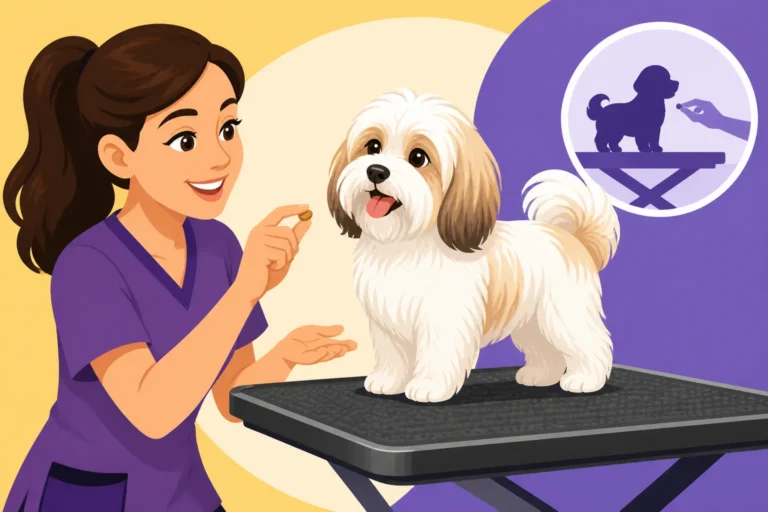
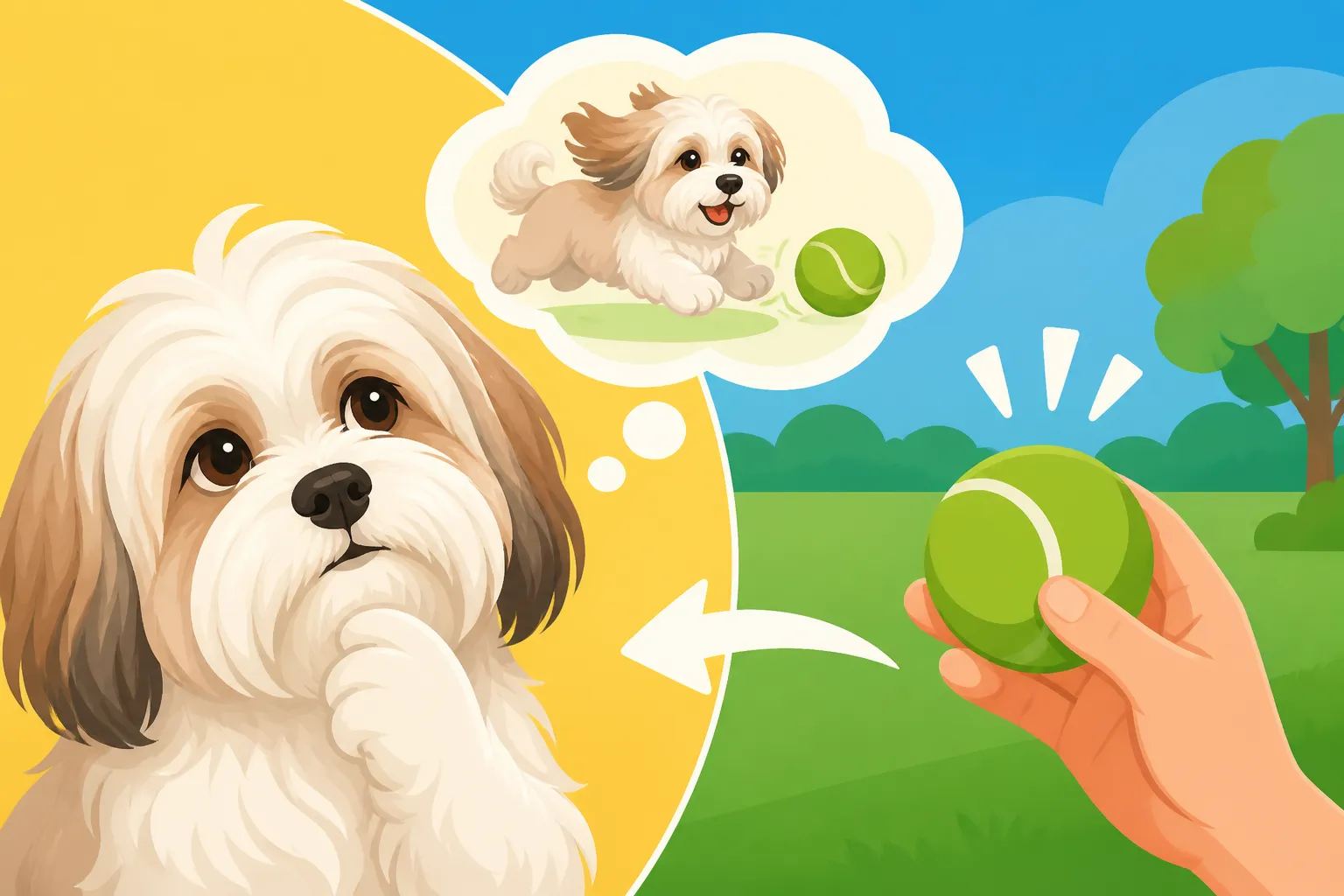
- The Short Toss: Toss the toy just a foot or two away. The goal here is simply for them to go to the toy and pick it up. As soon as they do, mark that behavior with a verbal cue like "Yes!" or a clicker, and offer a treat right where they are. Don't worry about them bringing it back yet. Repeat this several times, making it a fun game of "go get the toy."
- Encourage the Return: Once your Havanese reliably picks up the toy, start to encourage them to take a step or two towards you. Crouch down, offer enthusiastic praise, and perhaps show them another treat or toy to entice them. When they take even one step in your direction with the toy, say "Yes!" and reward them. Slowly, over several sessions, increase the distance you expect them to move towards you. Many Havanese will naturally start bringing the toy closer as they learn that's where the good stuff (treats, praise) comes from.
- Introduce the "Fetch" Cue: Once your Havanese is consistently picking up the toy and bringing it most of the way back to you, you can introduce the verbal cue "Fetch!" or "Go get it!" Say the cue just as you toss the toy.
- Gradually Increase Distance: As your Havanese masters bringing the toy back from a short distance, slowly increase how far you throw it. Keep it within a range where they remain engaged and don't get distracted. Always make sure the return is rewarded lavishly! You'll be amazed at How Fast a Havanese Learns a New Trick when they are properly motivated.
The "Drop It" and "Give" Commands
These commands are absolutely crucial for a smooth game of fetch. Without them, you might find yourself in an endless game of "keep away" or struggling to get the toy back from a very proud Havanese.
- Teaching "Drop It" (The Trade-Off Method): This is one of the easiest ways to teach your Havanese to release a toy. When your Havanese has a toy in their mouth, approach them with a high-value treat. Say "Drop it!" just as you offer the treat close to their nose. Most dogs will drop the toy to take the treat. As soon as they drop it, say "Yes!" or click, give them the treat, and then immediately give them back the toy (or another toy if they prefer). This teaches them that dropping the toy doesn't mean losing it, but rather getting something even better and getting the toy back. This positive association makes them more willing to let go.
- Teaching "Give": This is similar to "drop it," but implies giving the toy into your hand. Once your Havanese reliably drops the toy, hold out your hand and say "Give" as they drop it for the treat. Practice this repeatedly. Eventually, you can phase out always giving the toy back immediately, especially when you want to end the game. The key is to make "give" a positive exchange, not a forceful taking. Always reward generously when they put the toy in your hand.
Consistency is key with both of these commands. Practice them regularly, not just during fetch, so your Havanese understands them in various contexts.
Common Challenges and Troubleshooting for Havanese Fetchers
It’s unlikely your Havanese will become an Olympic retriever overnight. You'll probably encounter a few hurdles, but don't worry, these are common and can usually be overcome with a bit of strategy.
The "Runaway" Havanese and the "Keep Away" Game
This is probably the most common frustration for Havanese owners trying to teach fetch. Your dog chases the toy, picks it up, and then either runs off with it, settles down to chew it, or starts prancing around, daring you to come get it. It feels like they're playing "keep away," and they probably are! They've learned that having the toy means attention from you, and sometimes the chase is more fun than the immediate return.
To combat this, try a few things:
- Use a Long Line: Attach a lightweight, long leash (think 10-15 feet) to your Havanese's harness. When they pick up the toy and start to wander or play keep away, gently reel them in while giving encouraging words. As they come closer, reward them heavily. This gives you control without having to chase them, which can inadvertently reinforce the "keep away" game.
- Two-Toy Method: Keep a second, identical (or equally exciting) toy in your hand. When your Havanese has the first toy, show them the second one and make it exciting. As they approach, say "Drop it!" and when they drop the first toy to get the second, immediately toss the second toy. This turns "drop it" into a rewarding continuation of the game.
- Shorten the Distance Drastically: Go back to throwing the toy only a foot or two. Make it impossible for them to run off with it. Reward heavily for even the slightest turn towards you. Gradually increase the distance only when they are consistently bringing it back from very short throws.
Lack of Interest or Motivation
Sometimes, your Havanese might just seem bored or uninterested in the whole fetching idea. This can be deflating, but it often just means you need to adjust your approach.
- Re-evaluate Toy Choice: Are they truly excited by the toy you're using? Try different textures, sizes, and sounds. Maybe a soft tug toy would engage them more, allowing for a short tug session before the throw.
- Increase Treat Value: If regular kibble isn't cutting it, switch to something super high-value like tiny pieces of cooked chicken, cheese, or specialized training treats. The reward needs to be worth the effort for them.
- Shorten Sessions (Even More): If 5-10 minutes is too long, try just 2-3 minutes of focused, fun fetching. End before they lose interest, leaving them wanting more. This builds positive anticipation for the next session.
- Check Energy Levels: Is your Havanese tired, too full, or overstimulated? Try training when they are well-rested and have a good amount of energy, but not so much that they're bouncing off the walls. Remember that even smart dogs can get bored of drilling, as discussed in Whether a Havanese Gets Bored of Drilling.
Overcoming Environmental Distractions
Once your Havanese is a fetch champion indoors or in a quiet backyard, they might suddenly forget everything when you go to the park. Distractions are powerful, and your Havanese needs to learn to focus on you even with exciting things happening around them.
- Gradual Introduction of Distractions: Start small. Practice fetch near an open window where they can see but not interact with something mildly interesting. Then move to a quiet corner of a park during an off-peak hour. Slowly increase the level of distraction as they become more proficient.
- Proofing the Command: Practice fetch in different rooms of your house, then in the yard, then at different parks. The more places you practice, the more solid the command will become.
- Higher Value Rewards in Distracting Environments: When you're out and about, you might need to use even higher-value treats to compete with the distractions.
- Go Back to Basics: If your Havanese gets overwhelmed, reduce the distance of the throw and the level of distraction. Celebrate small successes. If you feel like you're hitting a wall, it might be worth considering a few sessions with a professional trainer to get tailored advice, as covered in Whether a Havanese Needs a Professional Trainer.
Beyond Basic Fetch: Advanced Play and Benefits
Once your Havanese has mastered the basics of fetch, a whole new world of fun opens up! This isn't just about throwing a ball anymore; it's about enriching their lives and strengthening your bond.
Incorporating Fetch into Other Activities
Fetch can be more than just a back-and-forth game. You can integrate it into various activities to keep your Havanese mentally and physically engaged.
- Hide-and-Seek Fetch: Instead of just throwing the toy, hide it in a nearby room and give the "fetch" command. This engages their nose and problem-solving skills, turning fetch into a fun scavenger hunt. Start with easy hiding spots and gradually make them more challenging.
- Fetch as a Warm-Up or Reward: Use a quick game of fetch before a training session to get them energized and focused, or as a reward for successfully completing another command. For instance, after a perfect "sit-stay," a quick game of fetch can be a fantastic way to release energy and keep motivation high.
- Indoor Agility Fetch: Set up a miniature "agility course" in your living room using pillows, blankets, or even a tunnel. Have your Havanese navigate it to retrieve the toy. This combines physical exercise with mental challenges. Platforms like BAXTER & Bella offer excellent online training resources that can guide you through incorporating fetch into more complex play and training routines, helping you find creative ways to engage your Havanese beyond simple throws.
The Mental and Physical Benefits of Fetch for a Havanese
Teaching your Havanese to fetch offers a surprising array of benefits that go far beyond just burning off some energy.
- Physical Exercise: Even short bursts of running, chasing, and bringing back a toy provide valuable physical activity for your Havanese. This is particularly important for small breeds who might not always get long, vigorous walks. Regular play helps maintain a healthy weight and keeps their muscles strong. What a Havanese Needs Beyond a Walk often includes these kinds of interactive games.
- Mental Stimulation: Fetch isn't just physical; it's a mental workout. Your Havanese has to listen to commands, track the toy, decide how to retrieve it, and remember to bring it back. This cognitive engagement helps prevent boredom and can reduce undesirable behaviors that stem from a lack of mental activity.
- Stronger Bond: Interactive games like fetch are incredible for strengthening the relationship between you and your Havanese. It’s a shared activity, full of positive interactions, praise, and fun. Your Havanese learns to trust and cooperate with you, deepening your mutual understanding and affection.
- Outlet for Energy: Havanese, despite their size, can have surprising bursts of energy. Fetch provides a controlled and positive outlet for this energy, especially on days when weather prevents longer outdoor activities. It can also be a wonderful way to keep an older Havanese engaged and active, proving that Whether an Old Havanese Still Wants to Play is often a resounding yes!
Ultimately, teaching your Havanese to fetch is about tapping into their natural desire to please and engage with you. It might take time and adjustments, but the rewards of a happy, well-exercised, and mentally stimulated companion are immeasurable.
| Challenge | Common Signs | Troubleshooting Strategy |
|---|---|---|
| Keep Away | Grabbing toy, running away, chewing on it | Use a long line, two-toy method, drastically shorten throw distance. |
| Lack of Interest | Ignoring toy, lying down, wandering off | Experiment with different high-value toys, increase treat value, shorten sessions, check energy. |
| Distraction | Losing focus, sniffing, looking at surroundings | Practice in quiet environments first, gradually introduce distractions, use higher-value rewards. |
| Reluctance to Drop | Holding toy firmly, growling (rare) | Use "trade-off" method with high-value treats, make "drop it" a positive exchange. |
| Not Picking Up Toy | Sniffing toy but not engaging | Make toy exciting, toss very close, reward for nose touches, then paw touches, then mouth. |
Disclaimer
This article is for general informational purposes only and does not constitute professional advice. Laws, prices and regulations vary by location and change over time. Consult a qualified professional for guidance on your specific situation.