Whether an Old Havanese Still Wants to Play
It's heartbreaking to watch your once-bouncy Havanese start to slow down. One day they're leaping for toys, the next they seem content just watching you. You can't help but wonder: is this normal? Are they in pain? Or have they simply lost the spark for play that once defined them? It’s a common worry among Havanese parents, and understanding the nuances of aging in our beloved companions is key to keeping their golden years joyful. This guide will walk you through what to expect as your Havanese ages, how to tell if a slowdown is normal or a sign of trouble, and most importantly, how to adapt playtime to keep them engaged and happy.
Understanding the Natural Slowdown in Senior Havanese
Just like us, Havanese dogs experience a natural deceleration as they age. It's not usually a sudden stop, but a gentle, often imperceptible, shift in their energy and capabilities. This transition can be confusing for owners who are used to a whirlwind of a dog, and it’s vital to distinguish between a healthy aging process and a potential underlying issue.
The Gradual Shift in Energy Levels
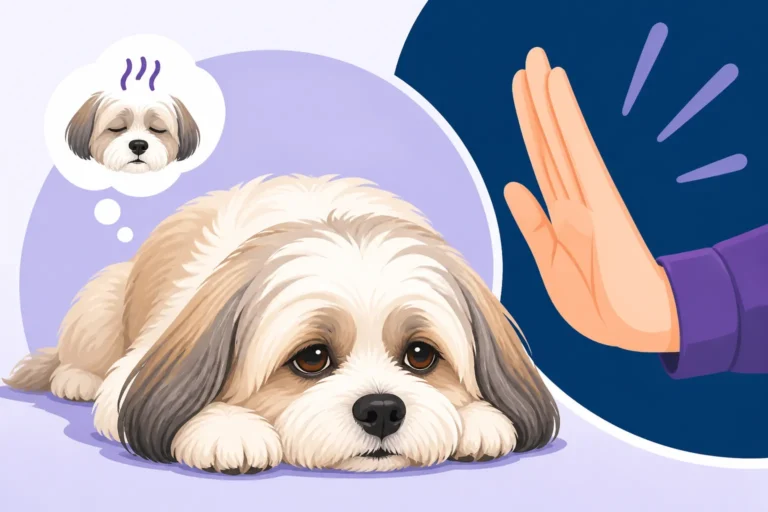
When your Havanese was a puppy, their energy seemed boundless. They’d zoom around the house, play for hours, and then crash into a deep sleep, only to wake up ready for more. As they entered adulthood, this energy became more regulated – still playful and active, but with a better sense of when to rest. Now, in their senior years, that energy barometer shifts again. You might notice they prefer shorter bursts of activity, followed by longer, more frequent naps. The intense, prolonged play sessions might become a thing of the past, replaced by gentle nudges for a petting session or a slow stroll in the yard. This isn’t a sign of boredom or unhappiness; it’s simply their body telling them it’s time to conserve energy.
It’s crucial to understand that this reduced energy doesn’t mean they’ve lost their personality or their joy for life. A senior Havanese's internal clock simply runs at a different pace. They might still get excited for walks or when a favorite toy appears, but the duration and intensity of their engagement will naturally decrease. This is a normal part of their journey, and by acknowledging and respecting this change, we can help them navigate their golden years with dignity and comfort. Don't push them to perform like their younger selves; instead, appreciate the quieter, more contemplative companionship they offer.
Physical Changes Affecting Playfulness
Beyond just a dip in energy, there are very real physical transformations that impact your older Havanese's ability and desire to play. One of the most common culprits is joint stiffness or arthritis. Imagine trying to run and jump with achy knees and hips – it's just not going to be fun, right? This discomfort can make climbing stairs a struggle, jumping onto the couch a painful ordeal, and even a quick game of fetch feel like a marathon. We often see signs of Arthritis in a Havanese at Twelve, and this can definitely put a damper on their youthful exuberance.
Their stamina also decreases, meaning they tire more easily. Reflexes might not be as sharp, making it harder to catch a tossed treat or react quickly to a playful pounce from another dog. Furthermore, sensory changes can play a big role. An older Havanese might experience some vision impairment, making it hard to track fast-moving toys, or their hearing might diminish, causing them to miss your excited calls to play. If your senior Havanese seems less responsive to play invitations, consider that they might simply not be seeing or hearing as well as they once did. Articles like Whether an Old Havanese Goes Blind and Whether an Old Havanese Gets Confused shed more light on these common issues. Recognizing these physical limitations is the first step in adapting how you interact and play with them, ensuring their comfort and continued enjoyment.
Differentiating Age-Related Slowdown from Pain or Illness
While a natural slowdown is part of aging, it's incredibly important for Havanese owners to distinguish between a normal decrease in activity and a reluctance to move due to pain or illness. Sometimes, what looks like just "getting old" is actually a treatable medical condition. Being observant and proactive with your veterinarian can make a huge difference in your Havanese’s quality of life.
Signs Your Havanese Might Be Hurting
Your Havanese can’t tell you in words that they’re in pain, so it’s up to us to become expert interpreters of their body language. If your typically playful Havanese starts showing a significant change in their desire to engage, it's worth investigating. Specific behaviors can be red flags: a sudden reluctance to jump on furniture or into the car, difficulty navigating stairs (a common sign of discomfort, as discussed in Whether Stairs Damage a Havanese's Knees), limping, or a stiff, awkward gait, especially after resting. You might also notice them groaning when they lie down or get up, or excessively licking at a particular joint.
Beyond physical signs, a Havanese in pain might show changes in temperament. They might become more irritable, snapping or growling if touched in a sensitive area, or guarding their space more aggressively during what used to be a fun play session. A loss of appetite, changes in their bathroom habits, or even just seeming withdrawn or depressed can also point to underlying health issues. If you notice any of these signs, don't dismiss them as "just old age." A visit to your veterinarian is warranted to rule out conditions that could be managed or treated, allowing your furry friend to feel more comfortable. Remember, regular check-ups, especially as The Age a Havanese Counts as Senior approaches, are crucial for early detection.
Common Senior Havanese Health Concerns
As Havanese dogs gracefully enter their senior years, they become more susceptible to certain health conditions that can directly impact their comfort and desire to play. Arthritis, as mentioned, is very prevalent, causing chronic joint pain that makes movement difficult. Luxating patellas, while often a concern from a younger age, can worsen with time, leading to more frequent "skips" and discomfort in their kneecaps. Heart conditions, such as mitral valve disease, are also common in older small breeds. You might notice your Havanese developing a cough or becoming more easily winded during minimal activity, which could indicate The Heart Murmur an Older Havanese Develops.
Dental health is another significant concern. Over time, plaque and tartar can build up, leading to painful gum disease and tooth loss, even with good home care. This discomfort can make even holding a toy painful. Issues like Dental Crowding in a Havanese Mouth can exacerbate these problems. Other potential concerns include hypothyroidism, kidney disease, or even cognitive dysfunction, which can lead to confusion and a general disinterest in activities they once loved. The good news is that many of these conditions can be managed with medication, dietary changes, or other therapies, significantly improving your Havanese's comfort and willingness to engage. This is where pet insurance, like a policy from Healthy Paws, can be incredibly helpful. It offers a financial safety net, allowing you to pursue necessary diagnostics and treatments for your senior Havanese without the added stress of exorbitant vet bills, ensuring they get the best possible care for their golden years.
Adapting Play for Your Senior Havanese
Just because your Havanese is getting older doesn't mean playtime has to end! It simply means adapting the type, duration, and intensity of play to suit their changing needs and abilities. The goal isn't to make them play like they used to, but to provide enriching and comfortable opportunities for engagement that cater to their senior status.
Low-Impact Play Ideas and Modifications
Think "gentle" and "mental" when it comes to play for your senior Havanese. Instead of vigorous games of fetch, try short, soft tosses with a lightweight toy that they don't have to run far to retrieve. A plush toy or a soft fabric ball is perfect. Puzzle toys are fantastic for mental stimulation, keeping their minds sharp without straining their bodies. These toys challenge them to figure out how to get a treat, which is both rewarding and mentally engaging, as detailed in Whether a Havanese Enjoys Puzzle Toys.
Walks should become shorter and more frequent, rather than one long, tiring trek. Let them set the pace, sniffing around and exploring at their leisure. Games like "find the treat" or gentle hide-and-seek using their favorite blanket can be a lot of fun indoors. Consider some gentle massage or passive range of motion exercises, recommended by your vet, to keep their joints supple. If your Havanese struggles to get on and off furniture, invest in a ramp or a set of pet steps. This simple addition can protect their joints and allow them to continue enjoying their favorite cozy spots on the couch or bed, a point reinforced by discussions on Whether a Havanese Should Use Steps to the Couch. Always keep play sessions brief, watch for signs of fatigue or discomfort, and allow plenty of time for rest afterward. The key is to keep it positive, comfortable, and tailored to their individual abilities on any given day.
Creating a Safe and Stimulating Environment
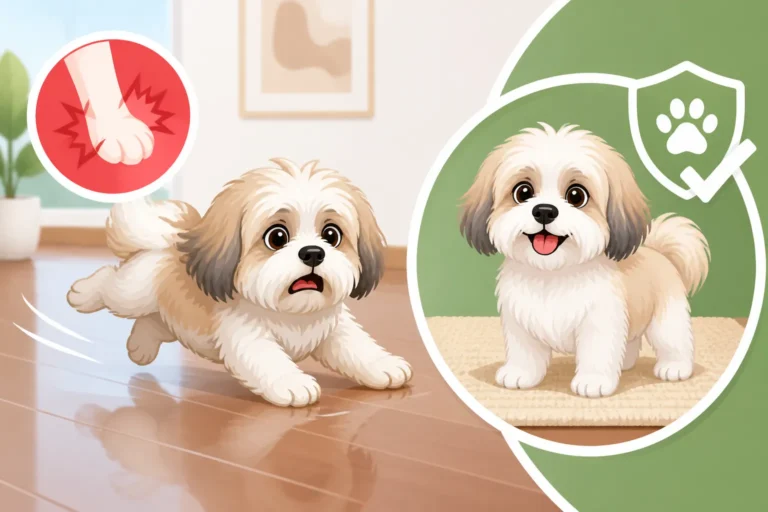
Beyond adjusting the play itself, making sure your home environment is senior-Havanese friendly is paramount. Hardwood or tile floors can be incredibly slippery for dogs with weakened legs or arthritis, leading to dangerous falls. Lay down non-slip rugs or runners, especially in high-traffic areas and near their sleeping spots. This provides much-needed traction and confidence for them to move around, preventing falls that could lead to serious injury – a common concern highlighted in Whether Slippery Floors Hurt a Havanese.
Provide plenty of comfortable, orthopedic beds throughout the house. These beds offer superior support for aching joints and can make a huge difference in their overall comfort and rest. Maintaining a consistent daily routine can also provide a sense of security and reduce anxiety in older dogs, especially if they are experiencing any cognitive decline. While intense social gatherings might be too much, continued calm social interaction with family members and familiar, gentle pets is crucial for their mental well-being. A warm, draft-free environment is also important, as older dogs can be more sensitive to cold. By proactively creating a safe and stimulating haven, you’re not just preventing injury; you're actively supporting their comfort and encouraging them to engage in whatever gentle play and interaction they still enjoy. Should any unexpected injury or health issue arise despite your best efforts, having pet insurance from Healthy Paws can provide immense relief, ensuring you can afford the best care to keep your Havanese comfortable and happy in their familiar environment.
| Activity Type | Puppy Havanese | Adult Havanese | Senior Havanese |
|---|---|---|---|
| Duration of Play | Long, frequent bursts (15-30 mins, multiple times) | Moderate, sustained periods (30-60 mins, 1-2 times) | Short, gentle sessions (5-10 mins, several times) |
| Intensity | High-energy, lots of running, jumping, wrestling | Moderate-to-high, fetch, quick walks, dog park visits | Low-impact, gentle retrieves, slow walks, puzzle toys |
| Focus | Exploration, social interaction, learning boundaries | Physical exercise, mental engagement, reinforcing training | Comfort, mental stimulation, bonding, light movement |
| Common Activities | Zoomies, chasing, puppy playdates, tug-of-war | Longer walks, fetch, agility, obedience, dog park | Short, slow walks, snuffle mats, gentle tug, petting |
| Rest Needs | Frequent, deep naps | Regular naps throughout the day | Longer, more frequent naps |
The Enduring Bond: Why Play Still Matters
Even if the games look different, the essence of play remains incredibly important for an older Havanese. It’s not just about physical activity; it’s about connection, mental well-being, and preserving the joyful spirit that makes our Havanese so special.
The Psychological Benefits of Continued Play
Play for a senior Havanese isn’t merely about burning off energy; it's a powerful tool for maintaining their mental and emotional health. Even a simple, gentle game can reduce stress, alleviate boredom, and help prevent cognitive decline. Engaging their minds with puzzle toys or a game of "find the treat" keeps their brains active and stimulated, which is vital in combating issues like Whether an Old Havanese Gets Confused. These activities encourage problem-solving and memory recall, helping to maintain their cognitive function for as long as possible.
More than anything, continued play, no matter how subdued, reinforces the incredible bond you share. It tells your Havanese that they are still valued, still loved, and still an integral part of the family. The joy in their eyes when they "find" a hidden treat or gently bat at a soft toy is proof that their spirit for fun is still very much alive, even if it expresses itself differently. These moments of connection are incredibly precious, offering both of you comfort and happiness during their golden years. Remember, it’s the quality of the interaction, the shared moment of enjoyment, that truly matters.
Celebrating the Joy of an Older Havanese
It’s easy to mourn the loss of your Havanese’s puppy-like energy, but senior dogs bring a different, equally profound kind of joy. Their play might be slower, their walks shorter, but their capacity for love and companionship only deepens. Celebrating the joy of an older Havanese means appreciating their wisdom, their calm presence, and the sheer comfort of their quiet company. Focus on quality over quantity in every interaction. A slow cuddle on the couch, a gentle hand-fed treat, or a quiet moment watching the world go by together can be just as, if not more, fulfilling than a boisterous romp.
Your Havanese's willingness to engage, even in small ways, is a testament to their enduring spirit. While the question of Whether an Old Havanese Still Wants to Play is often yes, it’s on their terms. By listening to their cues, respecting their limitations, and adapting your expectations, you ensure their remaining years are filled with comfort, happiness, and continued connection. This comprehensive approach to care, which includes everything from adapted play to diligent veterinary oversight, helps ensure that you are truly Caring for a Havanese Past Twelve. And just like we plan for our own retirement, thinking about their health proactively with options like Healthy Paws pet insurance can provide peace of mind, knowing that you're prepared to support them through any health challenges, allowing you both to cherish every moment of their precious senior years.
Disclaimer
This article is intended for informational purposes only and does not constitute professional veterinary advice. Always consult with a qualified veterinarian for any health concerns or before making any decisions about your Havanese's care, diet, or treatment.