Whether a Havanese Cries When You Leave
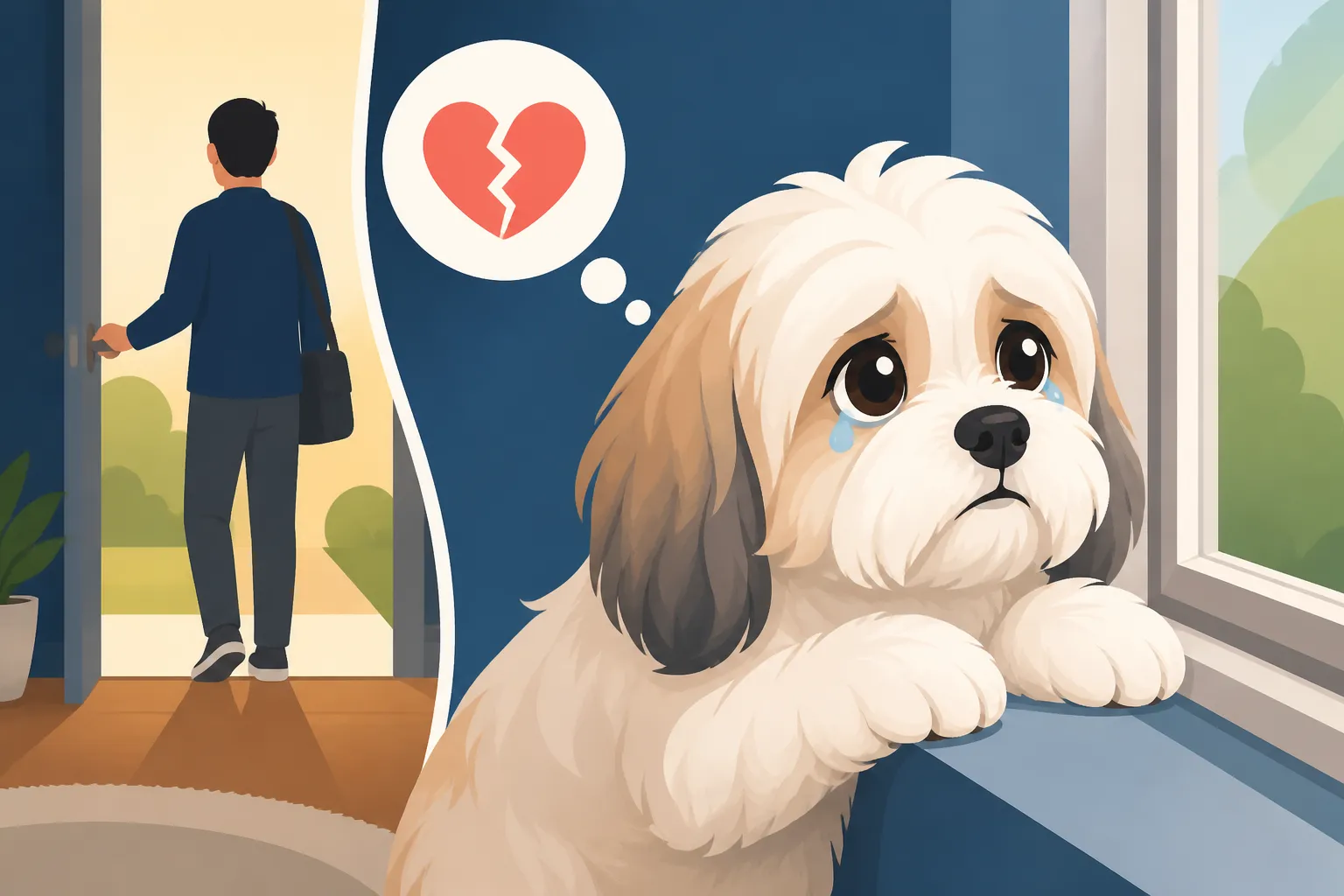
It's absolutely heartbreaking to hear your sweet Havanese cry and whimper when you close the door and leave. That mournful sound can make even the most resolute Havanese parent feel a pang of guilt, wondering if they’re doing something wrong or if their little companion is truly suffering. This guide is here to help you understand why your Havanese might be getting so upset and to offer practical, empathetic strategies to help them feel more comfortable and secure when they're home alone.
Understanding Why Your Havanese Cries When You Leave
The sound of your Havanese crying after you’ve left is gut-wrenching, isn't it? It can truly make you question everything, but it's important to remember that this isn't usually a sign of a "bad" dog. It's often a deep-seated emotional response, rooted in their very nature. To truly help them, we first need to get to the bottom of why they might be feeling this way.
The Havanese's Innate Need for Companionship
Let's face it, our Havanese companions weren't bred to be solitary creatures. Historically, these delightful little dogs were cherished lap warmers and entertainers for Cuban aristocracy, always by their human's side. They were, and still are, companion dogs through and through. This means they are inherently wired to be deeply attached to their people, thriving on constant interaction and physical closeness. It's why many Havanese owners often find their furry shadow following them from room to room, even to the bathroom! Why a Havanese Follows You Into Every Room
Because they are so intensely people-oriented, being left alone can trigger a profound sense of loss or anxiety for some Havanese. It’s not simply boredom; it's often a feeling of being abandoned by their primary source of comfort and security. They've been bred over generations to form strong bonds, and when that bond is temporarily broken by your absence, it can be genuinely distressing for them. This deep attachment is one of the most endearing qualities of the breed, but it also means we, as their guardians, need to be particularly mindful of how they cope when we're not around.
Differentiating Between Puppy Crying and Separation Anxiety
When you first bring home a Havanese puppy, a bit of crying when left alone is quite normal. They've just been removed from their littermates and mother, and the world is a big, new, and sometimes scary place. A young puppy might cry simply because they miss the warmth and security of their siblings, or they’re adjusting to a new routine. This kind of crying usually lessens as they settle in, learn that you always come back, and develop confidence in their new home.
However, if the crying persists, intensifies, or is accompanied by other distressing behaviors, it might be more than just puppy blues; it could be Signs a Havanese Has Separation Anxiety. Separation anxiety is a serious behavioral condition where a dog experiences extreme stress and panic when separated from their primary attachment figure. Beyond crying, a Havanese with separation anxiety might chew destructively, often targeting exit points like doors and windows, or engage in inappropriate urination or defecation, even if they are perfectly house-trained when you're home. They might also drool excessively, pace, or try desperately to escape their confinement. It’s important to watch for these patterns, as genuine separation anxiety requires a more structured approach than simple puppy reassurance.
Common Triggers for Distress When Alone
Even if your Havanese doesn't have full-blown separation anxiety, certain situations can trigger crying and distress when you leave. A sudden change in routine, like a shift in your work schedule or a move to a new house, can be unsettling. If your Havanese has previously had a negative experience while alone, such as being startled by a loud noise or feeling insecure in their space, this can also contribute to their unease.
Sometimes, the way we leave or return can inadvertently contribute to their distress. Making a big fuss when you're about to leave, with lots of cuddles and emotional goodbyes, can heighten their anticipation and make your departure feel even more dramatic. Similarly, an overly enthusiastic greeting upon your return can reinforce the idea that your absence was a major event they survived. A lack of independent play or mental stimulation can also be a factor; a Havanese that is constantly entertained by you might struggle more when that entertainment disappears. Understanding these triggers is the first step in creating a more stable and reassuring environment for your beloved companion.
Practical Strategies to Help Your Havanese Cope with Being Alone
It’s completely understandable to feel overwhelmed when your Havanese is distressed by your absence. But the good news is there are many practical steps you can take to help them build confidence and feel more secure when you're not around. It takes consistency, patience, and a whole lot of love, but it’s absolutely achievable.
Building Independence Gradually
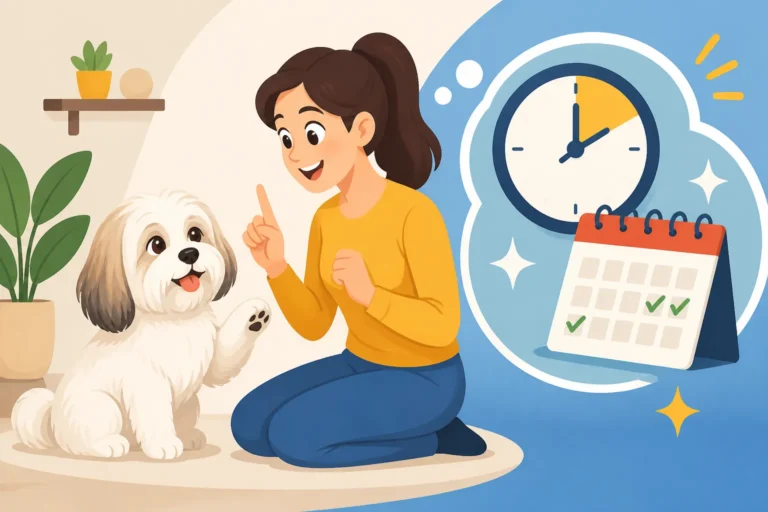
The key to helping a Havanese who cries when you leave is to teach them that your departures are normal, temporary, and nothing to panic about. This process often starts long before you even head out the door. First, try to desensitize them to your departure cues. Do you always grab your keys, put on your coat, and then head out? Start doing these things randomly throughout the day without actually leaving. Pick up your keys, walk to the door, and then sit back down and watch TV. Put on your coat, then go make a cup of coffee. This helps to break the association between these actions and your imminent departure.
Next, practice very short, calm departures. Start by leaving for just a minute or two, even if it's just stepping outside to get the mail or bringing in the garbage bins. Don't make a big deal out of leaving or returning. When you come back, wait until your Havanese is calm before offering a gentle greeting. Gradually increase the time you are away. For many Havanese, having a secure and comfortable "den" is incredibly helpful. This could be a crate or a playpen, outfitted with soft bedding and a favorite toy. This space should be a positive place, not a punishment, so spend time making it inviting with treats and praise when they are in it calmly. If you're wondering about using a crate, our guide Whether Crate Training Suits a Havanese offers a lot of insights.
Enriching Their Alone Time Environment
Leaving your Havanese with nothing to do can quickly lead to boredom, which can escalate into anxiety and crying. Environmental enrichment is crucial for keeping their minds active and providing positive distractions. Puzzle toys are a fantastic invention for Havanese. You can fill them with a portion of their meal or some tasty treats, forcing them to "work" for their food. This mental engagement is tiring and can keep them occupied for a good stretch of time. Brands like KONG offer a variety of interactive toys that are perfect for this.
Long-lasting chews, such as bully sticks or dental chews, can also provide a healthy, enjoyable distraction. Just ensure whatever you offer is appropriate for their size and safely consumed unsupervised. Many owners also find that leaving on some background noise, like a radio playing soft music, a TV tuned to a calm channel, or even specific dog-calming music, can help muffle outside sounds that might trigger barking or anxiety, creating a more settled atmosphere. You might find our post Whether Leaving the Radio On Helps a Havanese useful here. You can find a huge variety of safe, engaging puzzle toys and chews on Amazon, which can really help make their alone time more positive.
Utilizing Training Programs and Tools
For some Havanese, particularly those with persistent crying or more pronounced signs of stress, a structured training program can make all the difference. Online programs, such as those offered by BAXTER & Bella, often provide step-by-step guidance on building confidence, managing separation issues, and establishing routines that promote security. These programs can be incredibly valuable for owners who need a clear roadmap and expert advice from the comfort of their home.
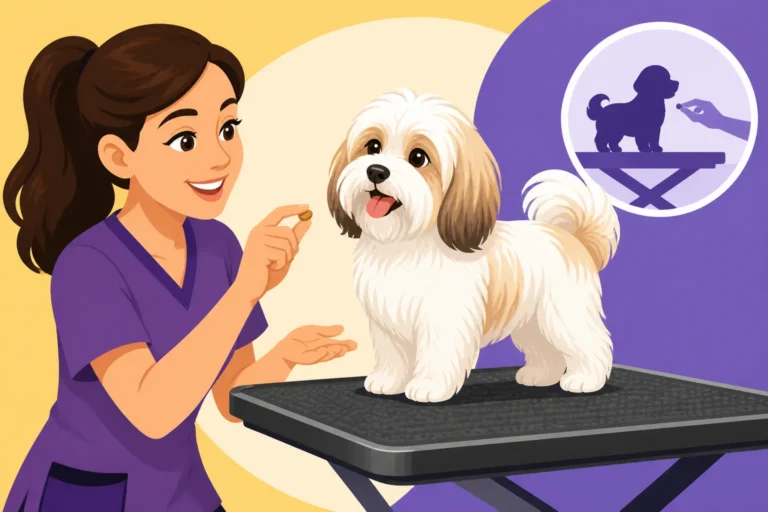
For longer absences, or if you're struggling to make progress alone, consider external resources. Doggy daycare can be a wonderful option for a social Havanese, allowing them to burn energy and enjoy companionship rather than being home alone all day. If daycare isn't suitable, a trusted pet sitter or dog walker can break up their day, providing a potty break, some playtime, and human interaction. There are also various calming aids on the market, from pheromone diffusers and calming treats to thunder shirts or anxiety wraps. While these aren't standalone solutions, they can sometimes provide a mild sense of comfort when used in conjunction with a comprehensive behavior modification plan. Remember, addressing crying when you leave is a journey, and sometimes, a little extra help or the right tool can make the path smoother. For more intensive cases, you might consider Whether a Havanese Needs a Professional Trainer.
When to Seek Professional Help for Separation Distress
While many Havanese will respond well to consistent home-based strategies, there are times when their distress goes beyond what you can reasonably manage on your own. Recognizing these moments is crucial, not just for your sanity, but more importantly, for your Havanese's well-being. Leaving separation anxiety unaddressed can lead to a lifetime of stress for your dog and a lot of frustration for you.
Recognizing Severe Symptoms
It's one thing for your Havanese to whimper for a few minutes after you've left, but it's another entirely if they are actively harming themselves or causing significant destruction. Severe symptoms might include incessant, non-stop barking or howling for the entire duration of your absence. You might come home to significant destruction, such as chewed-up door frames, scratched doors, or even broken windows, often at exit points as they desperately try to get to you. Some Havanese will even try to chew through their crates, risking broken teeth or other injuries.
Inappropriate elimination, like urinating or defecating indoors even after being perfectly house-trained, is another tell-tale sign of extreme anxiety, not spite. Excessive drooling, pacing frantically, or a complete loss of appetite while you're gone are also indicators that your Havanese is experiencing significant panic. If you witness any of these behaviors, perhaps through a pet camera, or come home to the aftermath regularly, it's a strong signal that you've moved beyond simple protests and into the realm of severe separation distress that needs expert intervention. Our article What an Anxious Havanese Chews dives deeper into destructive behaviors.
Consulting Your Veterinarian
The first professional you should always consult when dealing with significant behavioral issues is your veterinarian. They can conduct a thorough physical examination to rule out any underlying medical conditions that might be contributing to your Havanese's distress. For example, certain pain conditions or even hormonal imbalances could manifest as anxiety. Once medical causes are ruled out, your vet can discuss behavioral medications. While medication isn't a "cure-all," it can be an incredibly valuable tool to help reduce your Havanese's anxiety to a level where they are capable of learning new coping mechanisms.
Think of it like this: if someone is having a full-blown panic attack, it's very hard for them to rationally process information or learn new strategies. Medication can help take the edge off that panic, making them more receptive to behavior modification techniques. Your vet can advise on suitable options, potential side effects, and how to integrate medication with other training efforts. It's a supportive measure, not a replacement for behavioral work.
Working with a Certified Professional Dog Trainer or Behaviorist
Once you've ruled out medical issues with your vet, or if your vet suggests it, seeking the guidance of a certified professional dog trainer or a veterinary behaviorist is the next critical step. These experts specialize in understanding and modifying canine behavior. A qualified professional will conduct a thorough assessment of your Havanese's specific situation, looking at their history, your routine, and the specific behaviors they exhibit. They will then develop a tailored behavior modification plan designed to systematically desensitize your Havanese to your departures and counter-condition their emotional response.
This might involve very specific protocols for alone-time training, structured exercises to build independent confidence, and advice on managing your own interactions to promote a sense of security. They can also provide support and adjustments as you progress, celebrating successes and troubleshooting setbacks. Trying to navigate severe separation anxiety alone can be incredibly frustrating and slow. A professional can provide the expertise, structure, and encouragement needed to make significant, lasting progress. Our guide Whether a Havanese Needs a Professional Trainer offers more details on finding the right expert.
Lifestyle Adjustments for a Havanese Prone to Crying
Beyond targeted training, there are broader lifestyle adjustments you can weave into your daily life that will make a significant difference in how your Havanese copes with being alone. These aren't quick fixes, but rather a holistic approach to building a more resilient and confident companion.
Establishing a Predictable Routine
Havanese, like many dogs, thrive on routine. A predictable schedule helps them understand what to expect throughout their day, reducing uncertainty and, consequently, anxiety. Try to establish consistent times for waking up, meals, potty breaks, playtime, and quiet time. When your Havanese knows that certain activities happen at certain times, and that your departures are just another part of that predictable flow, it can help them feel more secure.
Consider scheduling a good exercise session before you need to leave them alone. A physically and mentally tired Havanese is much more likely to settle down and rest, rather than becoming agitated. A brisk walk, some engaging playtime in the yard, or even a short training session can help burn off excess energy. Our article How Much Exercise a Havanese Needs can give you some great ideas for daily activities. By meeting their needs for physical and mental stimulation before you leave, you set them up for success.
Managing Your Own Departure and Arrival Behavior
This might seem counterintuitive, but the way you behave around your departures and arrivals significantly impacts your Havanese's emotional state. When you're preparing to leave, avoid dramatic goodbyes filled with guilt and prolonged cuddles. This often heightens their anxiety, essentially telling them, "This is a big deal, and you should be worried!" Instead, aim for calm, understated departures. A simple "Be a good dog, I'll be back," said cheerfully, is more than enough.
Equally important are your arrivals. When you walk back through the door, resist the urge to immediately greet your excited Havanese with effusive praise and intense petting. This, again, can inadvertently reinforce the idea that your absence was a crisis that has now happily ended. Instead, enter calmly, put your things down, and ignore your Havanese for the first few minutes until they have settled. Once they are calm, then you can offer a gentle greeting and some affection. This teaches them that your coming and going are simply normal parts of life, not emotionally charged events.
Considerations for Multi-Dog Households
Sometimes, people think that getting a second dog will magically solve the first dog's separation issues. While it works for some dogs, it's not a guaranteed solution and can even complicate matters. For a Havanese with separation anxiety, the issue is often a strong attachment to one specific person, not just the absence of any companion. So, while another dog might provide some company, it might not alleviate the anxiety if that anxiety is primarily focused on your absence.
In some cases, a second dog can even learn anxious behaviors from the first, or the two dogs might fuel each other's distress, leading to a louder or more destructive household when you're gone. It's vital to carefully consider the dynamics. If your Havanese primarily cries when you leave, and doesn't engage in other behaviors like destructive chewing or house-soiling, and if they respond well to other dogs, a calm, confident canine companion might help. However, it's rarely a first-line solution and should be approached with caution, perhaps after consulting a professional. You might find more information in Whether Two Havanese Are Easier Than One. Ultimately, helping your Havanese feel secure when you leave is about building their individual confidence and trust in your eventual return.
| Symptom Category | Normal Puppy Crying | Separation Anxiety |
|---|---|---|
| Duration | Short bursts, usually settles within minutes or hours. | Persistent, often continues for the entire duration of absence. |
| Frequency | Occasional, especially in new environments or routines. | Consistent with every departure, even short ones. |
| Triggers | Novelty, hunger, need to potty, desire for company (easily redirected). | Primary attachment figure's absence. |
| Behaviors | Whimpering, barking, howling. Settles with comfort/redirection. | Incessant barking/howling, destructive chewing (especially exit points), inappropriate urination/defecation, excessive drooling, pacing, attempts to escape. |
| Response | Responds to comfort, toys, food, or quiet settling. | Often unresponsive to distractions; distress seems unmanageable. |
| Energy Level | May be restless, but generally able to settle and sleep. | High state of agitation, cannot relax or sleep. |
Disclaimer
This article is for general informational purposes only and does not constitute professional advice. Laws, prices and regulations vary by location and change over time. Consult a qualified professional for guidance on your specific situation.