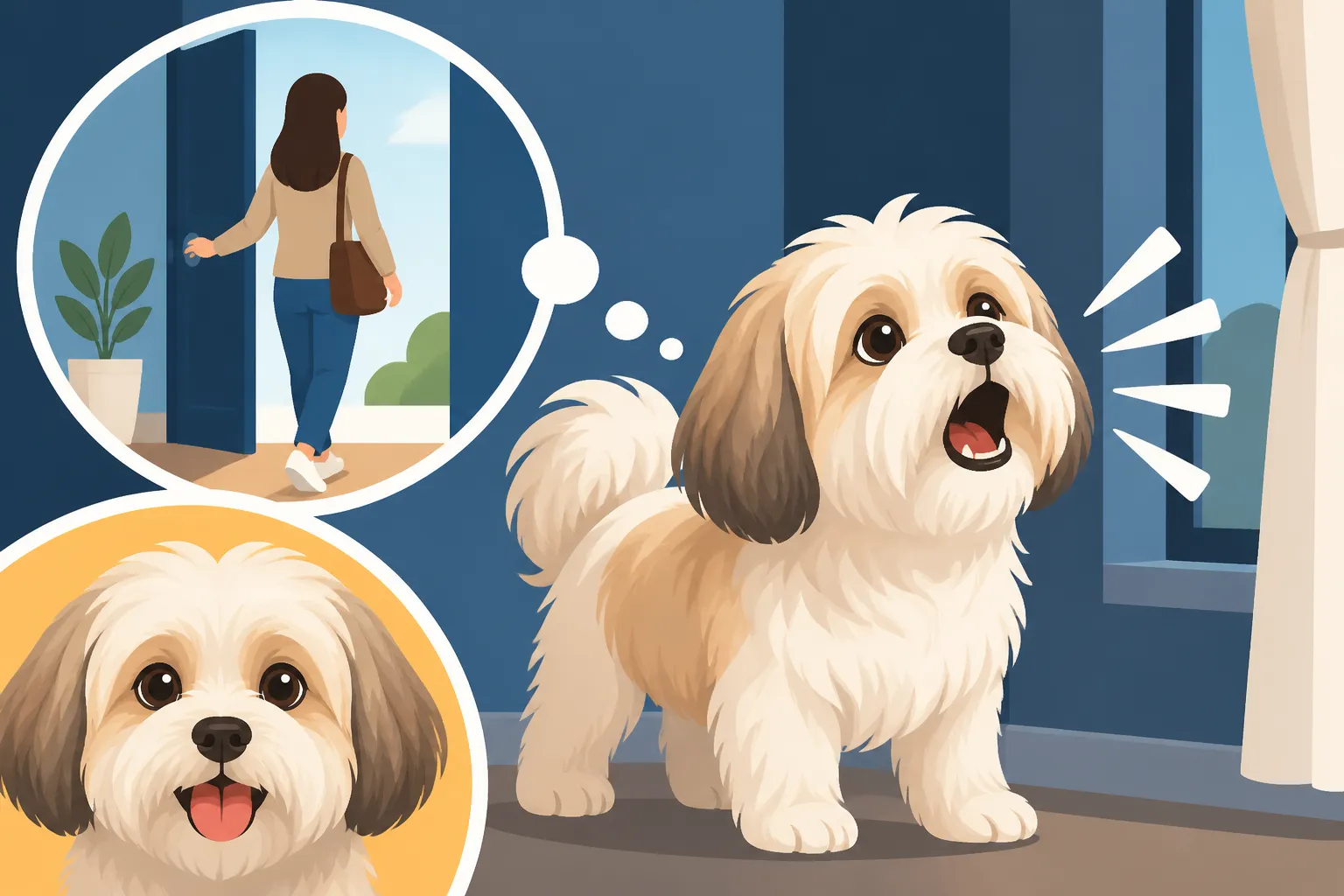
Whether a Havanese Barks When Left
It’s a scenario many of us Havanese parents dread: receiving that polite-but-firm note from a neighbor, or perhaps a frustrated call, telling us our precious pup has been barking up a storm while we’re out. The guilt can be overwhelming, and you're left wondering if your little Havanese is truly that disruptive, or why they can't just relax when left alone. This comprehensive guide will delve into the reasons behind a Havanese's barking when left to their own devices, equip you with strategies to understand and manage this behavior, and help you determine when it's time to bring in the pros.
Why Havanese Bark When Left Alone
Let’s face it, our Havanese companions are deeply social creatures. They were bred for centuries to be lap warmers and constant companions to Cuban aristocracy, meaning their natural inclination is to be right by your side. So, when they find themselves alone, it’s not always as simple as just being a little bored. Their vocalizations often stem from a deeper emotional place.
The Root of the Problem: Loneliness or Anxiety?
It's crucial to understand the difference between a Havanese who barks out of mild loneliness or boredom and one who is truly suffering from separation anxiety. A dog that is simply bored might let out a few barks at a passing squirrel or the mail delivery, then settle down. They might chew on an appropriate toy, nap, or just observe their surroundings. Their barking tends to be sporadic and reactive to external stimuli.
However, a Havanese experiencing genuine separation anxiety displays a much more intense and prolonged distress. This isn't just "missing you" in a casual way; it's a panic response. Their barking or howling is often incessant, a desperate call for your return. This vocalization might be accompanied by other distressing behaviors like destructive chewing, particularly around exits (doors, windows), inappropriate urination or defecation even if they are perfectly house-trained, or even self-harm, such as excessive licking or chewing at their paws. For a breed so inherently connected to their humans, being left alone can trigger profound emotional turmoil. It’s their way of saying, "I'm scared, and I need you." The natural tendency of a Havanese to be highly attached makes them particularly susceptible to these feelings. Many owners discover that The Havanese That Cannot Be Left Alone perfectly describes their own pup.
Environmental Triggers and Over-Stimulation
Beyond their inherent need for companionship, your Havanese might be reacting to their environment when you’re not there to provide reassurance. Imagine your quiet house suddenly amplifying every tiny sound when you're gone. A delivery truck rumbling by, a distant siren, a neighbor's dog barking, or even the subtle creaks and groans of your own home can be startling for a small dog on their own.
If you live in an apartment building, the cacophony of shared living spaces can be overwhelming. Footsteps in the hallway, elevator dings, doors opening and closing, and the murmur of human voices from adjoining units can all trigger your Havanese to bark. Without you there to calmly acknowledge these sounds, your dog might perceive them as threats or simply confusing anomalies, leading them to bark in response.
Furthermore, a lack of sufficient mental and physical stimulation before you leave can exacerbate the issue. If your Havanese hasn't had a good morning walk, some playtime, or engaging mental activities, they're likely to have pent-up energy and a lower tolerance for boredom or perceived threats. A tired dog, both physically and mentally, is often a much calmer dog when left alone. It’s also worth considering if your particular Havanese has a predisposition to vocalization in general; some are just more naturally inclined to "talk" to their environment. Whether a Havanese Is a Yappy Breed can give you more insight into this trait.
Recognizing the Signs of Separation-Related Barking
The challenging part about a Havanese barking when left alone is that you're, well, gone. You don't witness the behavior firsthand, which can make diagnosing and addressing the issue feel like trying to solve a mystery without all the clues. However, there are definitely ways to gather the necessary information.
Piecing Together the Puzzle When You're Not There
The most common way owners discover their Havanese is barking when left alone is through neighbor complaints. While these can be embarrassing and frustrating, remember that your neighbors are often just trying to find peace in their own homes. Their feedback, however unwelcome, is valuable data. Don't dismiss it; use it as a starting point.
To get a clearer picture, technology is your best friend. Investing in a pet camera or a simple webcam can provide invaluable insights. You can easily find various options on Amazon, from basic security cameras to more sophisticated pet-specific devices that even dispense treats. Set up the camera to record your Havanese during your absence. Watching these recordings can be eye-opening. You might observe continuous barking and howling, or perhaps short bursts of barking followed by periods of quiet. You might also see other stress signals like pacing, panting excessively, destructive chewing (especially around doorframes or windowsills), or even attempts to escape. This visual evidence will help you differentiate between occasional reactive barking and persistent, anxiety-driven vocalizations. If you want to learn more about how these devices can help, consider reading Whether a Camera Helps a Havanese Owner.
Beyond barking, look for other telling signs when you return home. Has your perfectly house-trained Havanese had an accident indoors? Is there new destruction, such as chewed baseboards, scratched doors, or ripped furniture? Does your Havanese greet you with an overly frantic, almost desperate excitement, clinging to you for an extended period? These are all strong indicators that your dog is experiencing significant distress, not just mild boredom, when you're away. Signs a Havanese Has Separation Anxiety goes into more detail about these broader behavioral patterns.
The Difference Between Mild Distress and Severe Anxiety
Understanding the nuance between mild distress and severe separation anxiety is vital for choosing the right intervention. When a Havanese experiences mild distress, they might bark for a few minutes right after you leave, as if protesting your departure, and then settle down. This type of barking is often reactive to environmental sounds or brief feelings of loneliness but doesn't persist for hours. You might hear a quick burst of barks when the mail carrier comes to the door or if another dog barks outside, but then they recover and move on.
On the other hand, severe separation anxiety manifests as prolonged and often continuous barking, howling, or whining. This vocalization is often coupled with other classic stress behaviors, forming a cluster of symptoms. Your Havanese might pace incessantly, pant excessively, drool, or engage in destructive behaviors directed at escape routes, sometimes to the point of injuring themselves by scratching or chewing. When you return, they might be utterly frantic in their greeting, seemingly unable to calm down, or appear exhausted and withdrawn. The duration and intensity of the barking, combined with these other physical and behavioral cues, are key differentiators. If your Havanese is one of those pups whose whines and barks escalate into full-blown cries of despair, it’s worth looking into Whether a Havanese Cries When You Leave for further context.
| Behavior Type | Description of Barking When Left Alone | Associated Behaviors | Severity Level |
|---|---|---|---|
| Mild Distress/Boredom | Intermittent barking, short bursts (1-5 minutes) after departure or in reaction to specific sounds (e.g., doorbell, squirrel). | May chew on appropriate toys, nap, look out window. No persistent destructive behavior or accidents. | Low |
| Moderate Anxiety | More frequent and prolonged barking (5-20 minutes after departure, or reactive barking that takes longer to settle). | Pacing, whining, sighing, restless behavior. May have occasional accidents if left too long. | Medium |
| Severe Anxiety | Continuous barking, howling, or whining for extended periods (30+ minutes, often hours). Panicked vocalizations. | Destructive chewing (especially around exits), house soiling, drooling, panting, self-harm, escape attempts. | High |
Strategies to Reduce Barking When You Leave
Once you've identified that your Havanese is barking when left alone, and you have an idea of the severity, it's time to implement strategies. The goal is to make your Havanese feel secure and calm during your absence, gradually shifting their emotional response from panic or boredom to peace.
Building Independence Gradually
The most effective way to help a Havanese with separation-related barking is through gradual desensitization. This means exposing them to your absence in tiny, manageable increments, slowly building their tolerance. Start incredibly small: step out the door for literally 30 seconds, then come back in before they start barking. Don't make a big fuss about leaving or returning. The idea is to make your departures and arrivals so mundane that they lose their power to trigger distress.
Slowly, over days and weeks, increase the duration. Go out for one minute, then two, then five, always returning before any barking or anxious behavior begins. If you come back in and they are barking, you've gone too far; shorten the duration next time. This process requires patience and consistency, but it helps your Havanese understand that your absence is temporary and not a cause for panic.
Another helpful technique is practicing "mock departures." Grab your keys, put on your coat, walk to the door – do all the rituals you usually do before leaving – then simply sit back down. Repeat this several times a day without actually leaving. This desensitizes your Havanese to these cues, making them less predictive of your actual departure and, hopefully, reducing their pre-departure anxiety.
If your Havanese isn't already crate trained, making a crate a safe, comfortable den can be incredibly beneficial. Never use the crate as punishment, but rather as a cozy retreat filled with blankets and favorite toys. This can provide a sense of security when you're gone. If you're thinking about using a crate or playpen, it's helpful to consider What a Crate and Playpen Cost a Havanese Owner for practical planning. Remember, the ultimate goal is to foster a sense of calm independence, not just to contain the barking. For those living in closer quarters, tackling this issue is even more pressing, as detailed in Whether a Havanese Suits an Apartment Building.
Enriching Their Environment and Mental Engagement
A bored Havanese is a barking Havanese. Providing mental and physical enrichment can make a world of difference when you're away. Before you leave, make sure your Havanese has had adequate exercise. A brisk walk, a good play session in the yard, or some vigorous indoor games can help expend energy and tire them out. How Much Exercise a Havanese Needs can provide a good baseline for their daily activity requirements. A tired dog is more likely to settle down and nap rather than bark.
Next, equip their environment with engaging distractions. Puzzle toys that dispense treats are fantastic for mental stimulation. Fill a KONG with peanut butter or plain yogurt and freeze it, providing a long-lasting activity that can keep your Havanese occupied for a significant period. Chew toys made of durable materials can also provide an outlet for natural chewing instincts. You can find a vast array of these enrichment items on platforms like Amazon.
Background noise can also be a game-changer. Leaving a radio on, tuned to a talk station, or playing classical music or a white noise machine can help muffle external sounds that might trigger barking. This creates a more consistent and predictable auditory environment. Many owners find value in reading Whether Leaving the Radio On Helps a Havanese for more tips on this. Additionally, ensure they have a comfortable, familiar "safe space" to retreat to, such as their bed or a favorite blanket. Leaving an unwashed t-shirt or an item with your scent can also provide a comforting presence.
For those looking for structured guidance, consider exploring online resources and training programs. Brands like BAXTER & Bella offer comprehensive online puppy training programs that often cover foundational behaviors and confidence-building exercises essential for preventing and addressing separation-related issues. Their resources can guide you through creating a more independent and calm companion.
Seeking Support and Tools
While positive reinforcement and gradual training are the cornerstones of addressing barking when left alone, certain tools and supports can aid in the process. We've already mentioned pet cameras from Amazon, which are fantastic for monitoring. Whether a Camera Helps a Havanese Owner explains just how beneficial these can be.
There are also various anti-barking devices on the market. These range from citronella spray collars, which emit a harmless puff of scent when your dog barks, to ultrasonic devices that emit a high-pitched sound. It's crucial to approach these tools with caution and use them as part of a larger, positive reinforcement-based training plan, never as a sole solution or punishment. Some dogs might be further stressed by such devices, and they don't address the underlying anxiety. Always prioritize understanding why your Havanese is barking over simply silencing the symptom.
For more severe cases, or if you feel you're hitting a wall, professional help is invaluable. A certified professional dog trainer or a veterinary behaviorist can provide tailored advice and a structured plan. They can help you accurately diagnose the root cause of the barking and guide you through advanced behavior modification techniques. Whether a Havanese Needs a Professional Trainer offers insights into when and why expert help is so beneficial.
When to Seek Professional Help
It’s completely normal to feel overwhelmed when your Havanese is barking excessively when you’re not home. You’ve tried the techniques, you’ve invested in the cameras, and you’re still not seeing the consistent progress you hoped for. This isn't a sign of failure on your part, but rather an indication that the issue might be more complex than initially thought, requiring specialized intervention.
Recognizing When You've Reached Your Limit
There are clear indicators that it's time to bring in the experts. If your Havanese's barking is severe, prolonged, and consistently accompanied by other distressing behaviors like destructive chewing (especially around doors and windows), inappropriate urination or defecation inside the house (even if fully house-trained), or self-harm like excessive paw licking or chewing, these are all red flags. These aren't just minor behavioral quirks; they suggest a deep-seated anxiety that requires a nuanced approach.
Furthermore, if your own mental and emotional well-being is suffering due to the stress of neighbor complaints, the damage to your home, or the guilt you feel, it's absolutely okay – and recommended – to seek help. Dealing with a dog struggling with separation anxiety can be incredibly taxing, and you don't have to navigate it alone. If weeks or even a month of consistent effort using the strategies above haven't yielded significant improvement, it's a strong signal that you need a different level of support. Trying to force solutions that aren't working can actually worsen your dog's anxiety and your own frustration. This is a journey, and sometimes, you need a guide. Consider that How Many Hours a Havanese Can Be Left Alone might be a question that a professional can help you answer based on your specific dog's needs.
The Value of a Certified Professional
When you decide to seek professional help, your first stop should often be your veterinarian. They can rule out any underlying medical conditions that might be contributing to your Havanese's anxiety or restlessness. Sometimes, pain, hormonal imbalances, or other health issues can manifest as behavioral changes, including increased vocalization. Once medical causes are ruled out, your vet might recommend a veterinary behaviorist or a certified professional dog trainer specializing in separation anxiety.
A veterinary behaviorist is a veterinarian with advanced training in animal behavior, who can diagnose and treat behavioral disorders, including prescribing medication if necessary. A certified professional dog trainer, especially one with credentials in separation anxiety (like CSAT – Certified Separation Anxiety Trainer), will work with you through a structured, force-free, positive reinforcement program. They can analyze your camera recordings, create a tailored desensitization plan, and guide you step-by-step through the process. They’ll teach you how to set up successful departures and monitor progress, helping you adjust the plan as needed.
These professionals provide invaluable expertise and can offer strategies that you might not find in general training books or online articles. They understand the intricacies of canine behavior and can help you build your Havanese's confidence and coping mechanisms in your absence, ultimately bringing peace back to your home and your neighborhood.
Disclaimer
This article is for general informational purposes only and does not constitute professional advice. Laws, prices and regulations vary by location and change over time. Consult a qualified professional for guidance on your specific situation.