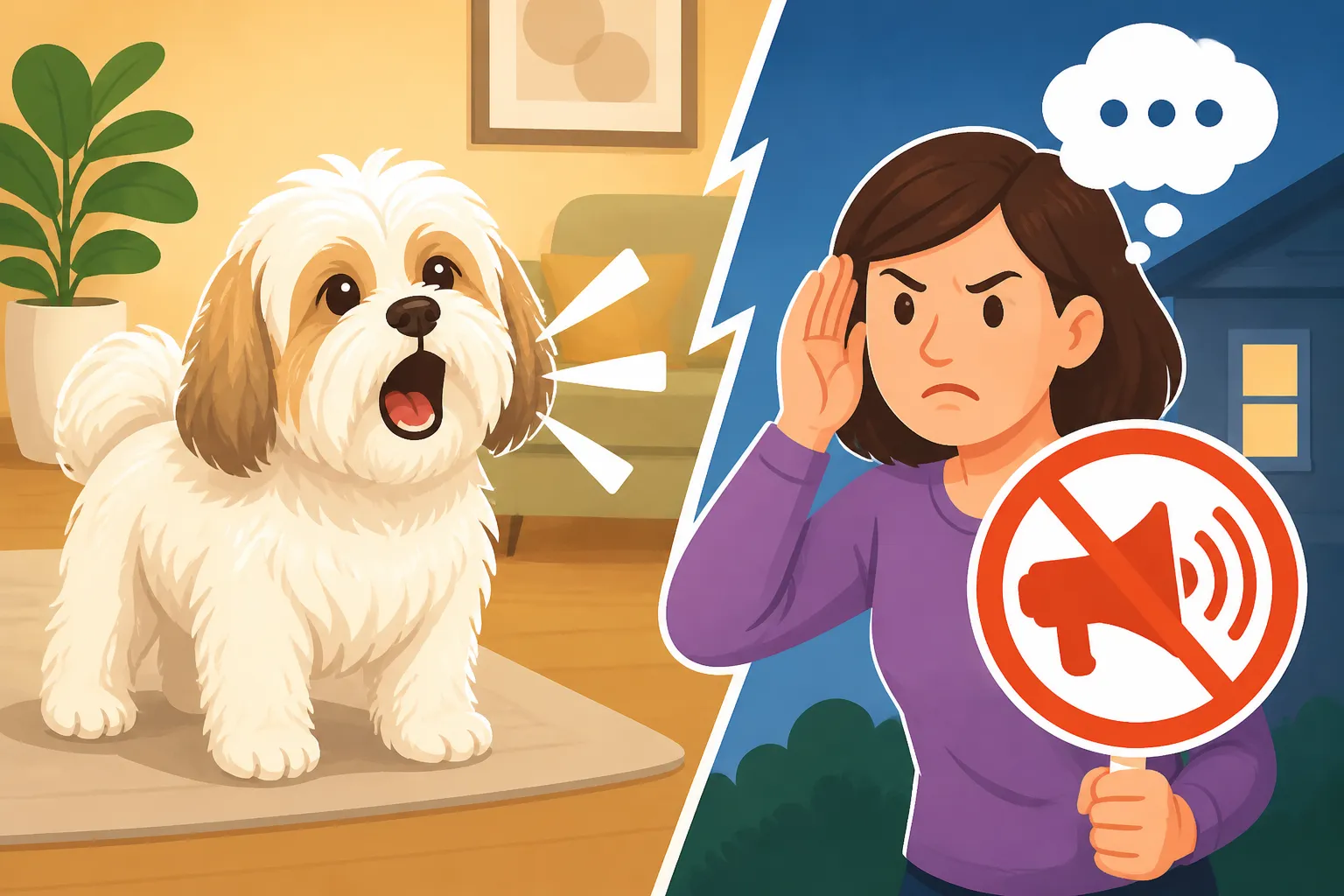
Whether a Havanese Gets Its Owner a Noise Complaint
One of the most common worries for Havanese owners, especially those living in apartments or close quarters, is the dreaded noise complaint. It's truly disheartening to receive a letter or a knock on the door about your beloved companion's barking, making you feel like a bad neighbor or even a failing pet parent. This comprehensive guide will delve into why Havanese can be vocal, what triggers their barking, and most importantly, practical strategies to help your furry friend find their "quiet place" and ensure peace in your home and neighborhood.
Understanding the Havanese Voice: Why They Bark
Havanese are charming, intelligent little dogs, but let's be honest, they weren't exactly bred for silent contemplation. Their lineage as alert watchdogs and companions means they have a natural inclination to let you know when something is amiss, or even when something is perfectly normal but interesting. This isn't a flaw in their character; it's part of their unique heritage.
A History of Alertness
Think about their history: these dogs were companions to Cuban aristocracy, often living in bustling households. They were the original "doorbell" and security system, quick to announce visitors or unusual sounds. This innate trait means they often have a finely tuned sense of hearing and a strong desire to communicate. It's not malicious; it's simply instinct. For some Havanese, even the faintest rustle of leaves outside or a distant siren can trigger a cascade of barks, because in their minds, they're doing their job. They're telling you, "Hey, I heard that! Did you hear that?" This can be endearing, but in an apartment building, it can quickly become problematic.
The "Yappy" Breed Misconception
You might hear Havanese described as a "yappy breed," and while it's true they can be vocal, this label often oversimplifies the issue. It suggests that barking is an inherent, unchangeable trait, which isn't fair to the breed or its owners. While they are prone to vocalization, much of it is trainable and manageable. Their barks often carry different meanings – a sharp yap-yap for an alert, a more sustained woof for excitement, or a whining yip for demand. Understanding these nuances is the first step in addressing the behavior. It’s also important to consider if Whether a Havanese Is a Yappy Breed is actually true for your dog, or if underlying issues are at play.
Common Triggers for Havanese Barking Spells
Identifying why your Havanese barks is half the battle. Without understanding the root cause, you'll find yourself constantly reacting rather than proactively managing the behavior. It's like trying to fix a leaky faucet without knowing where the leak is.
Alert Barking and the Environment
This is probably the most common type of barking for a Havanese. They are incredibly observant and want to alert you to everything – the mail carrier, a squirrel on the fence, a neighbor's footsteps in the hall, or even the subtle creak of your floorboards. Living in an apartment or a house with thin walls can amplify these triggers. Every external sound becomes an event that requires their vocal input. Your Havanese might bark at the slightest sound, making you wonder if they ever truly rest. This alert barking can be particularly frustrating when you realize your dog is reacting to things you barely even notice. You can read more about The Barking a Havanese Does at Every Sound.
Separation Anxiety and Loneliness
Havanese are companion dogs through and through; they thrive on human interaction. This makes them particularly susceptible to separation anxiety if not properly conditioned. If your Havanese barks excessively when left alone, it's likely not out of spite, but distress. This can manifest as continuous barking, whining, and even destructive chewing. A pet camera, easily found on platforms like Amazon, can be an invaluable tool here. It allows you to monitor their behavior while you're away, giving you concrete evidence of how long and intensely they're barking. Understanding How Many Hours a Havanese Can Be Left Alone is crucial for preventing this type of distress. If you find your Havanese is constantly barking the moment you walk out the door, it’s a strong indicator of this kind of anxiety. You might also notice Signs a Havanese Has Separation Anxiety.
Demand Barking and Boredom
Sometimes, your Havanese barks simply because they want something – attention, a treat, to play, or to go outside. This is called demand barking, and it's a learned behavior. If barking gets them what they want, they'll keep doing it. Similarly, a bored Havanese is a creative Havanese, and their creativity often involves vocalizations. If they're not getting enough mental stimulation or physical exercise, they might resort to barking out of sheer frustration or to entertain themselves. This can become a vicious cycle, where you respond to their barking, reinforcing the behavior unintentionally. It's important to provide ample mental engagement and physical activity to prevent this.
| Barking Type | Common Triggers | Potential Reasons | Strategies |
|---|---|---|---|
| Alert/Warning | Doorbell, mailman, outdoor sounds, passing people | Instinctual watchdog behavior, territory | Manage environment, desensitize, "Quiet" cue |
| Separation Anxiety | Owner leaves, being alone | Fear of abandonment, over-attachment | Crate training, slow departures, professional help |
| Demand/Attention | Wanting food, play, petting, to go out | Learned behavior, seeking interaction | Ignore, reward quiet, teach "Ask" (not bark) |
| Boredom/Frustration | Lack of mental/physical stimulation, confined | Under-stimulated, excess energy | Increase exercise, puzzle toys, training games |
| Fear/Anxiety | New people, strange objects, loud noises | Insecurity, past negative experiences | Positive association, counter-conditioning |
Practical Strategies to Manage and Reduce Havanese Barking
Addressing barking issues requires consistency, patience, and a multi-pronged approach. There’s no magic bullet, but with dedication, you can significantly reduce unwanted vocalizations.
Environmental Management and Desensitization
One of the simplest ways to reduce alert barking is to manage the environment. If your Havanese barks at everything they see outside, consider closing curtains or using frosted window film for specific windows. For sounds, playing calming music or white noise can help mask external triggers. This won't "cure" the barking, but it provides immediate relief and reduces the frequency of practice. To truly desensitize them, you'll need to expose them to the triggers at a low intensity and reward quiet behavior. For instance, if the doorbell is a major trigger, practice ringing it softly while your Havanese is distracted, and reward calm responses. Gradually increase the intensity. You can work on Whether a Havanese Barks at Delivery Drivers using this method.
Training the "Quiet" Cue and Impulse Control
Teaching a "Quiet" cue is fundamental. Start by intentionally making a sound or showing a trigger that causes a few barks. As soon as your Havanese barks two or three times, gently place a treat near their nose (without saying anything). They'll likely stop barking to sniff the treat. The moment they're quiet, say "Quiet!" and give the treat. Repeat this many times. Eventually, you'll be able to say "Quiet!" as they bark, and they'll associate the word with stopping and getting a reward. You can find excellent resources for this, including those offered by platforms like BAXTER & Bella, which provide online puppy training courses that often cover such behavioral issues in detail. This proactive approach teaches them an alternative behavior. For demanding barking, ignore it completely. Only reward quiet behavior. If they bark for attention, turn your back. The moment they stop, even for a second, turn back and reward them with praise or a calm pet. This teaches them that quiet gets what they want, not noise. It's also vital to teach Teaching a Havanese a Quiet Cue.
Exercise, Mental Stimulation, and Alone Time Training
A tired Havanese is often a quiet Havanese. Ensure your dog is getting sufficient physical exercise tailored to their energy levels, as well as plenty of mental stimulation. Puzzle toys, training sessions, and interactive games can help tire their minds. These activities can be found easily on Amazon. For separation barking, slow and gradual alone-time training is key. Start by leaving them for just a few seconds, then returning and rewarding calm behavior. Gradually increase the duration. A comfortable crate, introduced positively, can become a safe den where they feel secure when you're away. Whether a Havanese Barks When Left is a common challenge, but addressing it with positive reinforcement and gradual exposure can make a world of difference. Consider using a dog camera to observe their behavior when you are gone. Whether a Camera Helps a Havanese Owner can provide invaluable insight into how your Havanese behaves when you are not there, allowing you to tailor your training.
When to Seek Professional Help for Barking
Sometimes, despite your best efforts, the barking doesn't improve, or it even worsens. This is not a sign of failure on your part, but rather an indication that deeper issues might be at play, or that you need specialized guidance.
Recognizing Persistent Problems
If your Havanese's barking is incessant, accompanied by other anxious behaviors (pacing, destructiveness, inappropriate elimination when left alone), or is causing significant distress to both you and your neighbors, it's time to consider professional help. Barking problems can be deeply ingrained, and an outside perspective from a certified professional dog trainer or a veterinary behaviorist can be incredibly valuable. They can assess the specific triggers, evaluate your dog's temperament, and help you develop a tailored modification plan that addresses the root cause of the barking. They might identify underlying anxieties or fears that you hadn't recognized.
The Role of Trainers and Behaviorists
A professional trainer can guide you through advanced desensitization and counter-conditioning techniques, ensuring you're applying them correctly. They can also help you hone your timing and technique, which are critical for effective behavior modification. A veterinary behaviorist, who is a veterinarian with specialized training in animal behavior, can also evaluate if there are any medical conditions contributing to the barking or if medication might be a beneficial part of a comprehensive treatment plan, especially for severe anxiety. Organizations like BAXTER & Bella offer online resources and even one-on-one coaching that can provide structured support. It's important to know that Whether a Havanese Needs a Professional Trainer is a valid question, and for persistent barking, the answer might be yes. While some owners consider aversive methods, it is crucial to understand Whether a Bark Collar Belongs on a Havanese and the potential negative impacts such tools can have on a sensitive breed.
Navigating Neighborhood Concerns
If you're already facing noise complaints, addressing them promptly and professionally is key. Communicate with your neighbors, letting them know you're aware of the issue and actively working on it. Sharing your efforts can often build goodwill. Document your training progress and, if possible, offer solutions like white noise or temporary daycare during peak barking hours. Remember, resolving a persistent barking issue takes time, and your neighbors will appreciate knowing you are committed to finding a solution. Living in an apartment presents unique challenges, and understanding Whether a Havanese Suits an Apartment Building can help manage expectations and implement appropriate strategies.
Bringing a Havanese into your life is a joy, filled with cuddles and playful antics. While their vocal nature can sometimes lead to challenges like noise complaints, it's important to remember that this is a common issue with many solutions. By understanding your Havanese's motivations, implementing consistent training, providing ample mental and physical stimulation, and knowing when to seek professional guidance, you can foster a peaceful environment for both your furry friend and your neighbors. Your dedication and patience will be rewarded with a calmer, happier Havanese and a quieter home.
Disclaimer
This article is for general informational purposes only and does not constitute professional advice. Laws, prices and regulations vary by location and change over time. Consult a qualified professional for guidance on your specific situation.