Whether a Havanese Is Wary of Strangers
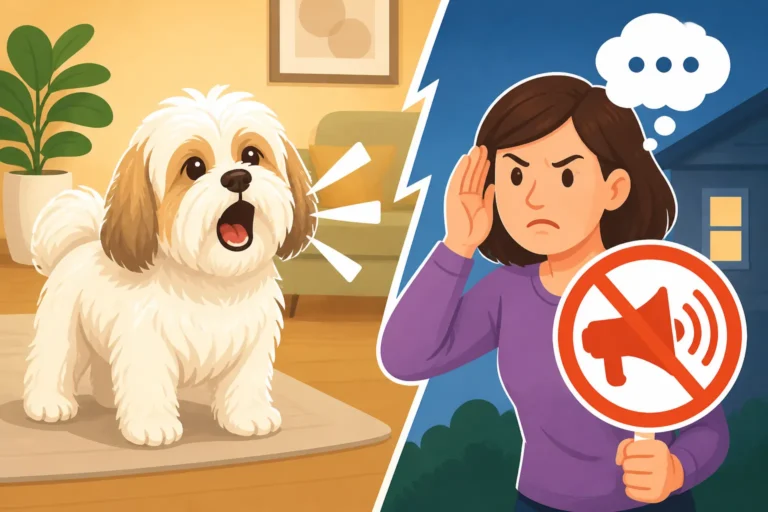
It's a familiar scenario for many Havanese owners: you have this incredibly affectionate, bright little dog who is the life of your home, but introduce a new person or step into an unfamiliar environment, and suddenly, they transform. That outgoing charm might give way to a cautious retreat, a flurry of barks, or even a nervous tremble. It can be perplexing and, frankly, a bit embarrassing when your usually sweet companion acts like a stranger is an invading alien. This guide will explore whether Havanese are naturally wary of strangers, what signs to look for, and how you can help your beloved fluffball navigate social interactions with more confidence.
Understanding the Havanese Temperament Towards Strangers
The Havanese breed has a unique history and an endearing personality that often makes them wonderful companions. However, like all breeds, they come with a set of inherent traits that can influence their reactions to the world, including new people. Understanding these roots is the first step to understanding your dog's behavior.
The Havanese History and Natural Inclination
Originally bred as pampered lapdogs and companions for Cuban aristocracy, the Havanese were never truly "working dogs" in the traditional sense, meaning they weren't tasked with guarding livestock or hunting. Their primary role was to be a cheerful, affectionate presence. This historical role cultivated a dog that thrives on human companionship and close bonds with their family. They love being near their people, often following you from room to room – something we explore in Why a Havanese Follows You Into Every Room. Because their world revolved around a select group of people, they weren't necessarily bred for universal friendliness towards everyone they met. This isn't to say they are naturally unfriendly, but rather that their default setting isn't always an exuberant "hello" to every new face. They can be discerning, preferring to assess a situation and a person before deciding to engage. This trait is often mistaken for shyness or even aggression, but it's more about their historical blueprint for close family ties over broad social acceptance.
"Wary" Versus "Aggressive"
It's crucial to distinguish between a Havanese that is simply "wary" or "reserved" and one that is genuinely "aggressive." A wary Havanese might observe new people from a distance, perhaps standing behind your legs, offering a few hesitant barks, or not seeking interaction right away. They might take a moment to sniff the air, watch body language, and only approach once they feel safe and curious. This is a natural, self-preservation instinct.
True aggression, on the other hand, involves active threats like prolonged growling, lunging, snapping, or biting with intent to harm. While a scared Havanese can snap if pushed too far or cornered, their initial response to wariness is typically more avoidance-based. If your Havanese shows signs of truly aggressive behavior towards strangers, beyond simple caution, it’s a serious concern that warrants professional intervention, which we will discuss later. However, many Havanese simply exhibit a charming reserve, wanting to make sure the new person is safe and friendly before offering up their famous "Havana wiggle." This often means they need a moment to process, especially if the stranger approaches too quickly or directly.
Factors Influencing a Havanese's Reaction
Several factors play into how a Havanese reacts to strangers, ranging from their inherent genetic predispositions to their early life experiences.
- Genetics: Just like people, dogs inherit personality traits from their parents. If a Havanese comes from a line where the parents were naturally shy or cautious, the puppies might also lean towards that temperament. A responsible breeder will often screen for temperament, and observing the parents' behavior can give you clues about your puppy's potential personality.
- Early Socialization: This is perhaps the most significant factor. The period between 3 and 16 weeks of age is a critical socialization window for puppies. During this time, positive exposure to a wide variety of people (different ages, genders, appearances, hats, glasses, etc.), sounds, sights, and experiences helps them develop into well-adjusted adults. A puppy raised in isolation or with limited positive interactions with strangers might naturally be more wary. Think about it: if every new thing is a surprise, it's harder to be confident. Programs like BAXTER & Bella often emphasize broad, positive socialization during this crucial time. If you're wondering Where to Take a Havanese Puppy Before Full Cover, puppy classes or carefully managed visits with trusted friends are excellent options.
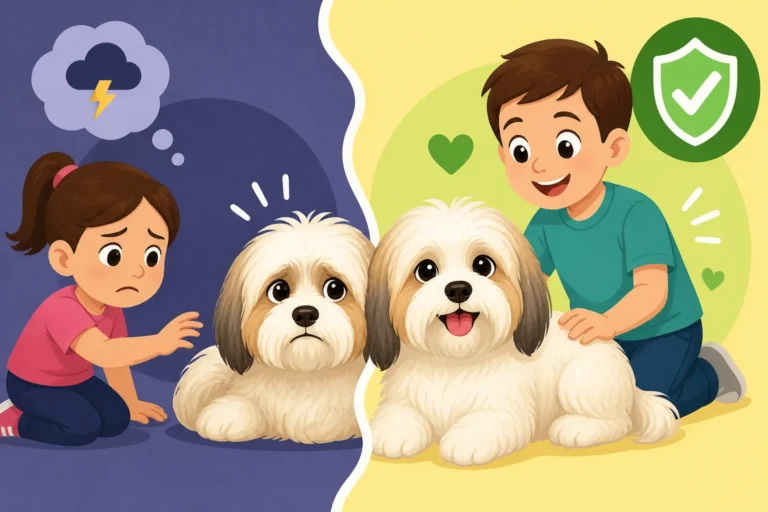
- Past Experiences: A single negative experience can profoundly impact a Havanese's view of strangers. If they were startled by a loud child, had their tail accidentally stepped on by a clumsy adult, or felt threatened in any way, they might generalize that fear to all new people. Conversely, consistently positive experiences – strangers offering treats, gentle pets, or ignoring them until they approach – build confidence.
- Owner's Reaction: Dogs are incredibly adept at reading our emotions. If you tense up or become anxious when a stranger approaches your Havanese, your dog will pick up on that and likely become more wary or protective. Your calm, confident demeanor can go a long way in reassuring your Havanese that there's nothing to fear.
Spotting the Signs of Caution or Fear in Your Havanese
Recognizing the subtle cues your Havanese gives when they're uncomfortable is key to helping them. Often, their warning signs start small and can easily be missed if you're not paying close attention.
Subtle Cues of Discomfort
Havanese, like all dogs, communicate primarily through body language. Before they resort to barking or retreating, they’ll offer more subtle signals that they’re feeling uneasy. Look for:
- Lip Licking and Yawning (out of context): These are often "calming signals" dogs use to de-stress themselves or signal to others that they are not a threat. If your Havanese is licking their lips or yawning repeatedly when a stranger is present, it's a sign of mild stress.
- Head Aversion or Averted Gaze: Instead of looking directly at a stranger, your Havanese might turn their head away, avoid eye contact, or even turn their entire body sideways. This is a clear signal that they want to disengage and are not comfortable with direct interaction.
- Low Tail Carriage or Tucked Tail: While Havanese tails naturally curl over their back, a tail that is suddenly lowered, held stiffly, or tucked between the legs is a strong indicator of fear or insecurity.
- Stiff Body Posture: A Havanese that usually moves with a lively, bouncy gait might become stiff, frozen, or move very slowly when wary. They might hunch their shoulders or keep their body close to the ground.
- Ears Pinned Back: While their floppy ears make this harder to see than in prick-eared breeds, if your Havanese's ears are pressed flat against their head, it's a sign of fear or anxiety.
- Seeking Proximity to You: If your Havanese presses against your leg, tries to get behind you, or climbs into your lap more than usual when a stranger is around, they are seeking your protection and reassurance. This is often an early sign they feel unsure.
Escalation of Fear Responses
If the initial subtle cues are ignored, or if the Havanese feels particularly threatened, their reactions can escalate. It's important to intervene before these stronger signals appear, by creating distance or advocating for your dog.
- Barking: A wary Havanese might emit sharp, repetitive barks, often high-pitched or with a questioning tone. This is their way of saying, "Stay away!" or "I'm nervous!" This is different from the excited greetings or playful barks they might offer familiar friends. The barking a Havanese does at every sound can sometimes include nervous barking at new people. If this becomes persistent, understanding The Barking a Havanese Does at Every Sound can offer further insights.
- Growling: A low growl is a serious warning sign. It means your Havanese feels truly threatened and is telling the stranger to back off. Never punish a growl, as it's an important communication tool. Instead, address the underlying fear. If a Havanese growls at bigger dogs, it's often a sign of insecurity, which can extend to people.
- Retreating or Hiding: A Havanese that actively tries to get away from a stranger, runs to another room, or hides under furniture is clearly indicating extreme discomfort and a desire to escape the situation.
- Snapping or Biting: This is the last resort for a fearful Havanese. If they feel trapped, cornered, or that their warnings have been ignored, they may snap or bite out of sheer terror. This is not aggression born of malice, but of profound fear. This is why it's so important to understand Whether a Havanese Snaps When Startled and prevent situations where they feel pushed to this point.
The Impact of the Environment
The setting can dramatically influence a Havanese's wariness. A dog who is perfectly comfortable greeting people in the relaxed environment of your home might be much more reserved or anxious in a bustling park or a crowded pet store.
- Home Territory vs. Neutral Territory: Dogs often feel more confident on their home turf. However, even at home, a Havanese might be more wary of an unfamiliar person walking into their space, which they perceive as an intrusion, compared to meeting someone on a walk where they are already stimulated by external factors.
- Crowded or Loud Environments: A busy street, a loud gathering, or a place with unpredictable movements can be overwhelming for a small Havanese. The sheer volume of stimuli can heighten their anxiety and make them more reactive to strangers.
- Lack of Escape Routes: If a Havanese feels trapped with a stranger, perhaps cornered in a small room or held while a stranger approaches, their fear can intensify. Always allow your Havanese space and an opportunity to retreat if they choose.
Strategies for Helping a Havanese Be More Confident with Strangers
Dealing with a wary Havanese requires patience, consistency, and a proactive approach. The goal isn't to force them to be outgoing, but to help them feel safe and comfortable enough to make their own choices about social interaction.
Early and Ongoing Socialization
The foundation for a confident Havanese is excellent socialization, starting from puppyhood and continuing throughout their lives.
- Puppyhood Is Critical: Between 8 and 16 weeks, expose your Havanese puppy to as many positive experiences with different types of people as possible. Think men, women, children (supervised, of course, remembering Whether a Havanese Is Safe With Toddlers), people with hats, glasses, beards, uniforms, etc. Keep these interactions short, sweet, and always positive. Pair them with high-value treats and praise. Puppy classes are fantastic for this; consider whether Puppy Class Is Enough for a Havanese for broad socialization.
- Controlled Encounters: Don't just throw your Havanese into a crowd. Arrange controlled, positive encounters. Ask friends or family members to visit and instruct them on how to interact (or not interact) with your dog. The key is allowing your Havanese to approach on their own terms.
- Positive Reinforcement: Every time your Havanese shows even a flicker of curiosity or calm in the presence of a stranger, reward them! A small, tasty treat or gentle praise can go a long way. If they choose to retreat, that's okay too; don't force interaction.
- "Look and Treat" Method: When you see a stranger approaching, before your Havanese has a chance to react nervously, say "Yes!" and give them a treat. The goal is to create a positive association: stranger = treat. The stranger doesn't even need to interact with your dog directly. Just their presence becomes a predictor of good things.
Training and Management Techniques
Beyond general socialization, specific training and management strategies can significantly help a wary Havanese.
- Desensitization: This involves gradually exposing your Havanese to strangers at a distance and slowly decreasing that distance as they become more comfortable. Start by having a stranger stand far away, just in your dog's line of sight. Reward calm behavior. Over time, as your Havanese remains relaxed, the stranger can take a step closer. This process should be slow and never push your dog beyond their comfort zone.
- Counter-Conditioning: This pairs the scary stimulus (a stranger) with something your dog loves (high-value treats, a favorite toy). For instance, when a stranger is present, give your Havanese their absolute favorite chew or engage them in a fun game. This changes their emotional response from fear to anticipation of something good. You might even find specific calming treats on Amazon that can help take the edge off during these sessions.
- Management is Key: Sometimes, the best strategy is simply to manage the environment to prevent your Havanese from being overwhelmed. If you know a lot of people are coming over, consider putting your Havanese in a quiet room with a Kong filled with peanut butter or a puzzle toy until the initial hubbub dies down. Alternatively, keep them on a leash in the house with you, allowing them to retreat behind your legs if needed.
- Teaching a "Place" Command: Training your Havanese to go to a designated "place" (like their bed or mat) and stay there calmly can be incredibly useful when guests arrive. This gives them a safe, predictable spot to observe from a distance, reducing stress.
Tools and Resources to Aid Confidence
There are many resources available to support you and your Havanese on this journey.
- High-Value Treats: These are your secret weapon. Small pieces of cooked chicken, cheese, or specialized training treats are often far more motivating than regular kibble. When a stranger is around, these treats can help create a strong positive association.
- Long Leash and Harness: For walks and outdoor encounters, a comfortable harness (rather than a collar that puts pressure on their delicate neck) and a longer leash (6-10 feet) can give your Havanese a sense of freedom and space while still keeping them safe. This can reduce the feeling of being trapped.
- Online Training Programs: For structured guidance, online courses can be incredibly valuable. Programs like those offered by BAXTER & Bella provide step-by-step instructions and support for socialization, confidence building, and addressing specific behavioral challenges from home. This can be a great option if in-person classes are not accessible or suitable for your wary Havanese.
- Quiet Toys/Chews: Having a favorite quiet toy or a long-lasting chew can provide a distraction and comfort during times when strangers are present. This helps them focus on something positive rather than the perceived threat. If your Havanese chews when anxious, knowing What an Anxious Havanese Chews can help you provide appropriate outlets.
- Calming Aids: For some dogs, products like pheromone diffusers or calming supplements (always consult your vet first) can help reduce overall anxiety, making them more receptive to positive training. You can often find a variety of these products on Amazon.
When Professional Help Might Be Necessary
While many Havanese can overcome mild wariness with consistent, positive training, sometimes the fear runs deeper, and professional intervention is needed. Recognizing when to seek help is vital for your dog's well-being and your peace of mind.
Identifying When Behavior Is Beyond Normal Wariness
If your Havanese's reactions to strangers are consistently severe, or seem to be getting worse despite your best efforts, it's time to consider professional help. Red flags include:
- Persistent Aggression: If your Havanese frequently growls, lunges, snaps, or bites at strangers, even with careful management, this is beyond typical wariness. Such behavior indicates a significant fear response or underlying anxiety that requires expert handling.
- Extreme Fear/Panic: If your Havanese exhibits profound panic (trembling uncontrollably, urinating/defecating from fear, attempting to bolt) whenever a stranger is near, their quality of life is being affected, and they need help.
- Impact on Daily Life: If you find yourself avoiding walks, having guests over, or going to public places because of your Havanese's reactions, it's clear the behavior is impacting your lifestyle and your dog’s ability to enjoy life.
- No Improvement (or Worsening): If you've diligently applied the socialization and training techniques mentioned above for several weeks or months and see no improvement, or if the behavior seems to escalate, a professional can offer fresh perspectives and tailored strategies.
Seeking Guidance from a Certified Professional
Don't hesitate to reach out for professional help. It's a sign of a responsible owner, not a failure.
- Certified Professional Dog Trainer (CPDT-KA): A certified trainer specializing in force-free, positive reinforcement methods can assess your Havanese's behavior, identify triggers, and develop a personalized training plan. They can teach you techniques like advanced desensitization and counter-conditioning. Make sure they have experience with fearful or reactive dogs. If your Havanese is particularly anxious when The Havanese That Cannot Be Left Alone or Whether a Havanese Cries When You Leave, a trainer can also help with separation anxiety protocols.
- Veterinary Behaviorist (Dip. ACVB): For more severe cases of fear, anxiety, or aggression, a veterinary behaviorist is a veterinarian with specialized training in animal behavior. They can diagnose underlying medical conditions that might contribute to behavior issues and, if appropriate, prescribe medication to help manage anxiety while you work on behavior modification. They are uniquely qualified to address the complex interplay of genetics, environment, and neurochemistry in behavioral problems.
- Working with Your Vet: Always start with a visit to your regular veterinarian to rule out any pain or medical issues that could be contributing to behavioral changes. Pain, vision problems, or hearing loss (as discussed in Early Deafness in a Havanese) can make a dog more fearful or irritable.
Living With a Naturally Reserved Havanese
Ultimately, some Havanese are simply more introverted or reserved by nature, and that's perfectly okay. Not every dog needs to be a social butterfly, just like not every person does.
- Acceptance and Advocacy: Accept your Havanese for who they are. Your role is to be their advocate. If they don't want to greet a stranger, politely tell people, "Please give my dog space, they're a bit shy." Don't force interactions.
- Prioritize Safety and Comfort: Always ensure your Havanese feels safe. This might mean keeping them on a leash when guests are over, using a crate as a safe haven, or opting for quiet walks during off-peak hours instead of bustling dog parks. Consider whether A Havanese Belongs at a Dog Park if they are wary of strangers, as this can be an overwhelming environment.
- Focus on Quality Over Quantity: Your Havanese might prefer a few close human friends to a multitude of acquaintances. Focus on building strong, positive relationships with the people they do interact with regularly.
- Continue Positive Reinforcement: Even if your Havanese remains a bit wary, continue to reward any calm behavior in the presence of strangers. Every positive interaction, no matter how small, reinforces that the world isn't such a scary place.
Remember, helping a wary Havanese takes time, patience, and understanding. It's a journey, not a sprint. Celebrate small victories and always prioritize your dog's comfort and emotional well-being.
Havanese Reactions to Strangers: Wary vs. Fearful
| Behavior Trait | Typical Havanese Wariness/Caution | Signs of Significant Fear/Anxiety (May require professional help) |
|---|---|---|
| Body Language | Observes from distance, low tail wag, seeks owner, stiffens briefly, head aversion | Tucked tail, trembling, hunched posture, cowering, hiding, panting heavily, refusing to move |
| Vocalizations | Soft, questioning barks; low growl if startled | Persistent, high-pitched barking; aggressive growling; snarling; whining |
| Interaction | Hesitant to approach, sniffs hand then retreats, eventually approaches slowly | Avoids eye contact entirely, attempts to flee, snaps/bites if cornered, urinates/defecates from fear |
| Recovery | Recovers quickly once stranger is calm/ignores them, may eventually solicit attention | Prolonged recovery time, remains anxious even after stranger leaves, generalized fear of new people |
| Triggers | New people, sudden movements, loud voices, direct staring | Any stranger, even distant ones; specific types of people (e.g., men, children); unexpected touch |
| Owner's Role | Reassures, provides space, offers treats, advocates for dog | Requires active intervention, management to prevent incidents, likely behavior modification |
Disclaimer
This article is for general informational purposes only and does not constitute professional advice. Laws, prices and regulations vary by location and change over time. Consult a qualified professional for guidance on your specific situation.