Whether an Old Havanese Becomes Incontinent
It's incredibly disheartening and often quite frustrating when your beloved Havanese, who has always been so reliable with their potty habits, starts having accidents in the house as they enter their golden years. This guide is here to shed light on why an older Havanese might suddenly become incontinent, what underlying issues could be at play, and most importantly, how you can lovingly support them through this change while keeping your home clean and your sanity intact.
Understanding Incontinence in the Aging Havanese
When your senior Havanese starts having accidents, it's natural to feel confused and worried. Is it just part of getting old, or is something more serious going on? Incontinence in older dogs, just like in older people, isn't always a simple case of "forgetting." Often, it points to physiological changes that require attention. It's not a behavioral issue born of spite or defiance, but rather a medical one, and understanding this distinction is the first step toward effective management.
Common Medical Causes of Incontinence in Senior Dogs
Several medical conditions can lead to incontinence in an older Havanese. It’s never a good idea to just assume it's "old age" and do nothing, because many of these conditions are treatable or manageable. Your first port of call should always be your veterinarian to get a proper diagnosis.
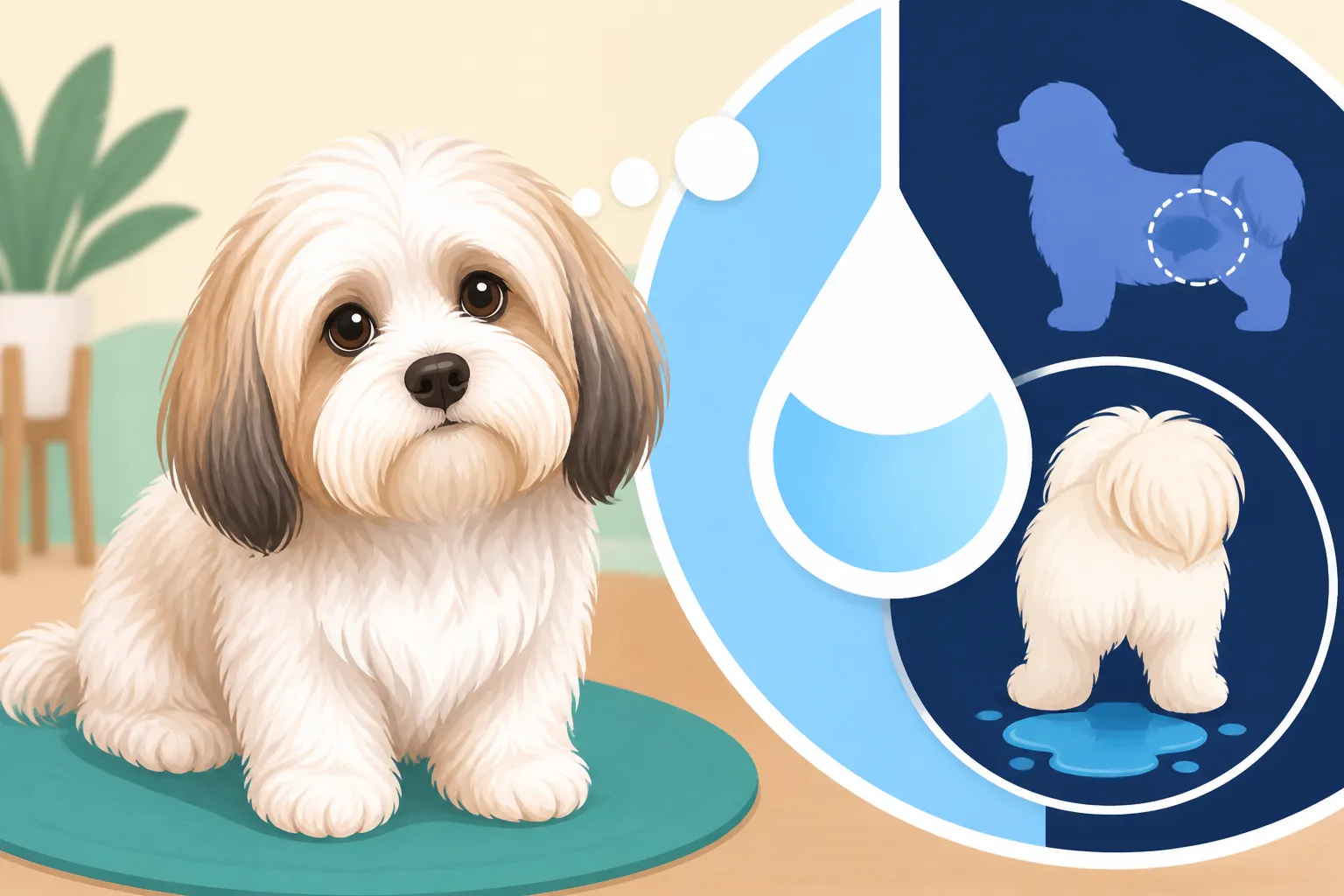
One of the most frequent culprits, especially in spayed female Havanese, is hormone-responsive incontinence, also known as urethral sphincter mechanism incompetence (USMI). After being spayed, some females experience a drop in estrogen, which can weaken the muscle that keeps the bladder opening closed. This often manifests as little dribbles of urine when they are relaxed or sleeping. It’s not that they don't know they need to go; it’s that their body can’t hold it effectively.
Another significant factor can be urinary tract infections (UTIs). While UTIs can affect dogs of any age, older dogs might be more susceptible, and their immune systems might not fight them off as readily. A UTI causes inflammation and irritation in the bladder, leading to increased urgency and difficulty holding urine, resulting in accidents. Sometimes, the only sign might be the accidents themselves, rather than obvious straining or blood in the urine.
Then there are conditions like kidney disease or diabetes. Both of these can cause a Havanese to drink significantly more water, and consequently, produce a much larger volume of urine. A bladder that is constantly full and working overtime is more prone to leaks and accidents, even if the sphincter mechanism is otherwise healthy. Your Havanese might simply not be able to hold the sheer volume of liquid their body is processing.
Let's not forget cognitive dysfunction syndrome (CDS), sometimes referred to as "doggy dementia." Just like humans, senior dogs can experience a decline in cognitive function. This can affect their memory of house training rules, their ability to signal when they need to go out, or even their awareness of where they are in the house. They might simply forget to ask, or even forget they need to ask, leading to accidents in unusual places or right after they’ve been outside. You might notice other signs like disorientation or changes in sleep patterns alongside the incontinence. To learn more about other signs of aging, you can read The Signs a Havanese Is Getting Old and Whether an Old Havanese Gets Confused.
Finally, arthritis and mobility issues can contribute indirectly to incontinence. If your Havanese is experiencing joint pain, getting up and moving quickly to go outside might become difficult or painful. They might hesitate to jump off the couch, navigate stairs, or even walk to the door, and an accident happens before they can make it. This isn't true incontinence, but rather an inability to reach the appropriate spot in time due to physical discomfort. Considering beds that offer better support can help alleviate some of these mobility challenges; consider reading Beds That Suit an Arthritic Havanese.
Recognizing the Signs and Types of Incontinence
It's important to be a keen observer when your Havanese starts having accidents. The specific way incontinence manifests can give your vet crucial clues about the underlying cause. Is it a sudden gush, a slow dribble, or something else entirely?
Differentiating Between Types of Accidents
Dribbling or Leaking While Resting: This is perhaps the most classic sign of hormone-responsive incontinence or a weakened bladder sphincter. You might find small, damp spots on their bed, the carpet where they were sleeping, or even on your lap if they've been cuddling. The dog often doesn't even seem aware it's happening, which can be baffling for owners. They aren't squatting to urinate; the urine just escapes. This type of leakage often worsens when the dog is deeply asleep or very relaxed.
Large Puddles or Urinating in Inappropriate Places: If your Havanese is leaving significant puddles, especially in spots they never would have before – like in the middle of the living room while you're watching TV – this could point to a few things. It might be an indication of an extreme increase in thirst and urine production (as seen with kidney disease or diabetes), where their bladder simply overflows. Or, it could be a sign of cognitive decline where they've lost their house training memory. You might even find them urinating right after they've been outside, simply because their bladder isn't emptying fully, or they drank so much they quickly refilled.
Accidents Related to Excitement or Fear: Sometimes, a Havanese, particularly if they have an anxious disposition, might urinate when overly excited (submissive urination) or when very scared. While this isn't strictly age-related incontinence, senior dogs can sometimes become more prone to anxiety as their senses diminish or their environment becomes less predictable. A loud noise or a stranger entering the home might trigger this kind of accident. Though not directly related to age-induced incontinence, maintaining consistent training and positive reinforcement, perhaps with resources like those found through BAXTER & Bella, can help manage general anxiety and provide a sense of routine and security that might reduce stress-induced accidents.
Difficulty Getting to the Designated Potty Spot: As mentioned, if arthritis or other mobility issues are making it painful or slow for your Havanese to move, accidents can happen "on the way." They might signal that they need to go, but by the time they hobble to the door, or if you take too long to respond, a small leak or a full accident occurs. Observe if they are stiff, reluctant to move, or showing signs of pain, which might indicate conditions like Arthritis in a Havanese at Twelve.
Table: Common Incontinence Signs and Potential Causes in Senior Havanese
| Sign of Incontinence | Description | Potential Causes |
|---|---|---|
| Dribbling while sleeping | Small wet spots on bedding or resting areas, dog unaware. | Urethral Sphincter Mechanism Incompetence (USMI), mild UTI. |
| Frequent, small puddles | Multiple small accidents throughout the day, often with urgency. | Urinary Tract Infection (UTI), bladder stones, increased thirst (diabetes, kidney disease). |
| Large puddles anywhere | Significant amounts of urine in unusual places, sometimes right after being outside. | Cognitive Dysfunction Syndrome (CDS), severe kidney disease, diabetes, bladder tumor. |
| Accidents near exit | Urinates indoors close to the door, despite attempting to go out. | Mobility issues (arthritis, pain), severe urgency, fear/anxiety. |
| Straining to urinate | Dog attempts to go, but produces little urine or seems uncomfortable. | UTI, bladder stones, inflammation, prostate issues (in intact males). |
Management Strategies for an Incontinent Havanese
Once you've seen the vet and received a diagnosis, there are many ways you can manage incontinence to keep your Havanese comfortable and your home clean. It's about combining medical treatments with practical home adjustments.
Veterinary Diagnosis and Treatment Options
A trip to the vet is non-negotiable. Your vet will likely perform a thorough physical exam, take a urine sample for analysis (urinalysis and culture) to check for infection, and possibly recommend blood tests to assess kidney function and blood sugar levels. They might also suggest imaging like X-rays or ultrasound to look for bladder stones or other structural abnormalities. Whether a Havanese Needs a Yearly Blood Panel is a good read for overall senior health monitoring.
Based on the diagnosis, treatment could vary:
- Medication for USMI: If it's hormone-responsive incontinence, medication like phenylpropanolamine (PPA) or synthetic estrogen (diethylstilbestrol or estriol) is often highly effective. These medications help strengthen the urethral sphincter, significantly reducing or even eliminating leakage. Many owners find these medications to be a game-changer.
- Antibiotics for UTIs: If a urinary tract infection is present, a course of antibiotics will be prescribed. It's crucial to complete the entire course, even if your Havanese seems better, to ensure the infection is fully cleared.
- Managing Underlying Conditions: For conditions like diabetes or kidney disease, the focus will be on managing those diseases themselves through diet, medication, and regular monitoring. As these conditions come under control, the excessive drinking and urination often decrease, which in turn can help with the incontinence. For general dietary considerations for older dogs, you might want to look into Feeding an Old Havanese.
- Cognitive Support: For Havanese with CDS, there are medications and supplements that can help improve cognitive function and slow its progression. Environmental enrichment and maintaining a consistent routine are also vital.
- Pain Management: If mobility issues are contributing, your vet can prescribe pain relief or recommend supplements to improve joint health. Making their path to the outdoors easier can also significantly reduce accidents.
Practical Home Management and Support
Beyond medical treatment, your home environment and daily routine play a huge role in managing an incontinent Havanese.
Establishing a Strict Potty Schedule: This is paramount. Take your Havanese out very frequently, especially after waking up, after meals, and before bed. Set an alarm if you need to! If they have a tendency to leak while sleeping, a final potty break right before you turn in can make a big difference. Reward them heavily for going outside. Even if they don't seem to "ask," preemptive trips can prevent accidents. For general training considerations, even for older dogs, revisiting basic concepts can be helpful. While BAXTER & Bella primarily focuses on puppies, their positive reinforcement philosophies can still be applied to reinforce desired behaviors and routines in older dogs, like going to the door.
Waterproof Bedding and Protective Covers: Invest in waterproof mattress covers for your Havanese's bed, and consider washable, waterproof blankets or pads for furniture where they love to nap. You can find many options on Amazon that are specifically designed for pets, making cleanup much easier. This protects your furniture and makes laundry less daunting.
Dog Diapers or Wraps: For dogs that dribble or have frequent accidents, dog diapers (for females) or belly bands (for males) can be incredibly effective. They won't stop the urge to urinate, but they will contain the mess, protecting your home. It might take a little getting used to for your Havanese, but most dogs adapt quickly. Make sure to change them frequently to prevent skin irritation. Again, Amazon offers a wide variety of brands and styles.
Easy Access to Potty Areas: If mobility is an issue, consider a ramp for stairs or a doggy door if your yard is secure. If they have a favorite spot in the yard, make sure it’s easily accessible. In severe cases, or for indoor-only options, training your Havanese to use indoor potty pads or an artificial grass patch can be a lifesaver.
Maintaining Hygiene: Regular bathing, especially for their hindquarters, is important to prevent urine scald or skin infections. Use gentle, pet-specific shampoos and ensure they are thoroughly dried. Consider keeping the hair around their private parts trimmed short to help with cleanliness.
Patience and Empathy: This is perhaps the most important "management strategy." Your Havanese isn't doing this on purpose. Getting angry or frustrated will only cause them stress and potentially worsen the situation. Remember the years of joy and companionship they’ve given you. Provide reassurance, comfort, and continue to shower them with love. Caring for a Havanese Past Twelve elaborates on the importance of patience and adaptation in their senior years.
Supporting Your Senior Havanese and Maintaining Quality of Life
Living with an incontinent Havanese can be challenging, but with the right approach, you can ensure their golden years are still full of comfort and happiness. It’s all about creating an environment where they feel secure, loved, and as independent as possible.
Creating a Comfortable and Accessible Environment
As our Havanese age, their world can shrink. Vision might fade, hearing might lessen (you can explore Whether an Old Havanese Goes Blind), and mobility might decline. Accidents can exacerbate their feelings of vulnerability. A comfortable, predictable environment is key.
Designated "Safe" Zones: Create a few easy-to-clean, comfortable spots in the house where your Havanese can relax without fear of making a mess. These might be areas with washable rugs, waterproof mats, or even a soft bed within a pen lined with absorbent pads. This reduces stress for both of you. They know where they can relax, and you know the cleanup will be minimal if an accident happens.
Easy-Clean Flooring: If you have the option, minimize carpeted areas. Hardwood, laminate, or tile floors are much easier to clean thoroughly, which is vital for eliminating odors and discouraging repeat accidents in the same spot. If carpets are unavoidable, invest in a good enzymatic cleaner to neutralize urine odors completely.
Non-Slip Surfaces: If mobility is a factor, make sure your Havanese has good traction. Older dogs, especially smaller breeds like Havanese, can struggle on slippery floors. Add non-slip runners or rugs to high-traffic areas to prevent slips and falls, which can not only injure them but also make them more reluctant to move, thus increasing the likelihood of accidents.
Maintaining Mental and Physical Well-being
Incontinence doesn't mean your Havanese's life has to stop being fulfilling. Keeping their mind and body engaged, within their capabilities, is vital for their overall quality of life.
Gentle Exercise: Continue with regular, gentle walks, perhaps shorter and more frequent. This not only provides mental stimulation but also helps keep their muscles strong, which can indirectly aid bladder control. If they enjoy playing, keep up with soft, low-impact games like "find the treat" or gentle tug-of-war. For general daily needs of a Havanese, even when senior, consider What a Havanese Needs Every Day.
Mental Stimulation: Don't let their minds stagnate. Puzzle toys, scent games, or even short, simple training sessions can keep their brains active. Even older dogs can learn new tricks or reinforce old ones, and the mental effort can be just as tiring and satisfying as physical exercise. This mental engagement can also help slow the progression of cognitive decline.
Regular Grooming and Health Checks: Keep up with their grooming, especially ensuring the hair around their rear and belly is clean and trimmed to prevent irritation. Regular vet check-ups are more important than ever to monitor their overall health, catch any new issues early, and adjust incontinence management as needed. These check-ups might include checking for a Heart Murmur an Older Havanese Develops or other age-related conditions.
Unconditional Love and Affection: Above all, your senior Havanese needs to feel loved and secure. These challenges can be tough, but your patience and affection make all the difference. Spend quality time cuddling, petting, and just being together. Reassure them, clean up accidents without scolding, and celebrate every successful potty break outside. They might not be the spry puppy you once brought home, but their heart is still full of love for you, and that connection is priceless.
Remember, dealing with incontinence in an old Havanese is a marathon, not a sprint. There will be good days and bad days. But with a proactive approach, veterinary guidance, and a whole lot of love, you can ensure your senior companion lives out their remaining years with dignity and comfort.
Disclaimer
This article is for general informational purposes only and does not constitute professional advice. Laws, prices and regulations vary by location and change over time. Consult a qualified professional for guidance on your specific situation.