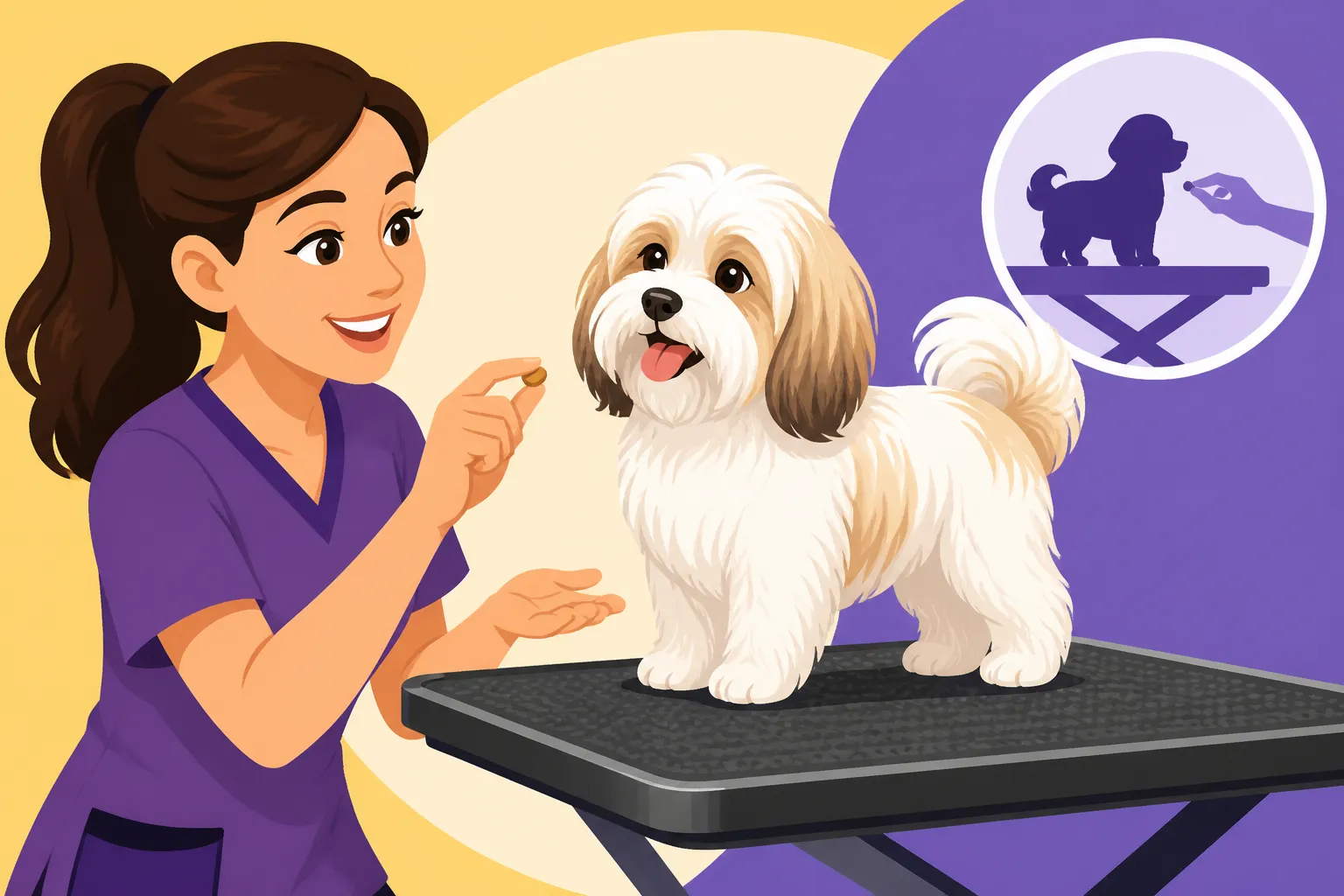
Teaching a Havanese to Stand on a Grooming Table
Trying to groom a Havanese, especially one that dances, wriggles, and tries to escape the moment you place them on a grooming table, can feel like an Olympic sport. It's frustrating when you just want to brush out a mat or trim their paws, but your sweet companion turns into a furry, protesting eel. This guide will walk you through gentle, effective strategies to teach your Havanese to stand calmly on a grooming table, turning what used to be a battle into a much more cooperative and pleasant experience for both of you.
Understanding the Havanese Wiggle: Why Standing Still is a Challenge
Before we even get to the "how-to," it’s crucial to understand why your Havanese might be less than thrilled about standing still on a grooming table. It’s rarely about being disobedient; more often, it's rooted in instinct, comfort, and prior experiences. Validating these feelings in your dog helps you approach the training with more empathy and patience.
Natural Havanese Instincts and Sensitivities
Havanese are wonderfully intelligent and affectionate dogs, bred for companionship. They thrive on being close to their people. Being placed on an elevated, unfamiliar surface, separated from your direct touch, can feel unnatural and even isolating for some. Think about it from their perspective: suddenly they're high up, on a slippery surface, and unable to move freely. This can trigger a primal fear of falling, or simply a deep discomfort at being restrained and away from their person. They weren't bred to be stoic working dogs; they were bred to be cuddly lap warmers, and that sensitivity can make them particularly wary of new or restrictive situations.
Furthermore, a Havanese's dense, double coat needs consistent grooming, and if those early experiences were negative, painful (from pulling out mats, for instance), or simply overwhelming, they can quickly associate the table with unpleasantness. We know our Havanese are prone to matting, especially when The Puppy Cut Most Havanese Owners End Up Choosing is forgone for a longer, more traditional coat. If they’re already sensitive, those tangles can make brushing painful and create a negative association with the grooming process.
Lack of Early Positive Exposure
Often, the biggest reason a Havanese struggles on the grooming table is a lack of early, positive exposure. Many puppies aren't introduced to the concept of standing calmly on an elevated surface until they desperately need a full grooming session. By then, they might be older, stronger, and have already formed strong opinions! Imagine being a little Havanese puppy, full of beans, and suddenly you're plunked onto a strange, wobbly surface and someone starts pulling at your fur. It's no wonder they try to escape!
Early and consistent desensitization is key. It's about building positive associations from day one, even before intense grooming is needed. If you bring home a Havanese puppy, don't wait until they're a matted mess to introduce them to the grooming table. Start small, make it fun, and use lots of praise and treats. A puppy that learns that the table means good things (treats, gentle praise, short sessions) is far more likely to cooperate as an adult. Think of it as part of their The First Year With a Havanese Puppy curriculum!
Setting Up for Success: Your Grooming Table and Essential Gear
Preparing your grooming space effectively can make all the difference in teaching your Havanese to stand calmly. It’s not just about having the tools; it’s about creating an environment that feels safe, secure, and as comfortable as possible for your little dog.
Choosing the Right Grooming Table
While some might start by using a kitchen counter (please, never leave them unattended there!), a dedicated grooming table is a game-changer. These tables are designed with your dog's safety and your comfort in mind. Look for a stable, sturdy table that doesn't wobble. A non-slip surface is absolutely paramount. Many tables come with rubberized tops, but if yours doesn't, a high-quality non-slip mat (you can often find excellent options on Amazon) is essential to prevent slips and falls, which can be terrifying for a dog and instantly create a negative association.
The height of the table should allow you to work comfortably without excessive bending or straining. This not only makes grooming easier for you but also allows you to maintain a calm, steady posture, which subtly communicates confidence to your Havanese. A hydraulic or electric table is a luxury, but a good quality fixed-height table will serve most pet owners perfectly.
Essential Safety Restraints and Tools
Safety is paramount when working on a grooming table. Never, ever walk away from your Havanese when they are on the table, even if they are secured. A sudden lunge or fall can lead to serious injury.
Here’s a breakdown of essential tools:
- Grooming Arm and Loop: Most grooming tables come with a grooming arm that attaches to the side. This arm holds a grooming loop (often called a noose, but we prefer "loop" as it sounds less intimidating!) that goes around your dog's neck or under their front legs, near their chest.
- Neck Loop: If using a neck loop, ensure it's snug enough that they can't slip out but not so tight it restricts breathing. Two fingers should fit comfortably under it. This is primarily for keeping them on the table and preventing jumping, not for holding them still by force.
- Belly/Under-Arm Loop: For particularly wiggly or nervous dogs, a loop that goes under their belly or front legs and attaches to the grooming arm can offer extra stability and prevent them from sitting down or turning around. Some owners prefer a "grooming hammock" or belly band for extra security, especially for tasks like nail trims.
- Non-Slip Mat: As mentioned, this is critical. Even if your table has a textured top, an extra non-slip mat adds comfort and confidence.
- High-Value Treats: Small, soft, incredibly delicious treats are your best friends during table training. Think tiny pieces of cooked chicken, cheese, or specialized training treats.
- Quality Brushes and Combs: Ensure you have the right tools for your Havanese's coat type. A pin brush, slicker brush, and a greyhound comb are usually staples. Using dull or incorrect tools can pull hair and make the experience unpleasant. Which Brush Suits a Havanese can offer more guidance on this.
Table: Common Grooming Table Restraint Options
| Restraint Type | Purpose | Best For | Considerations |
|---|---|---|---|
| Neck Loop | Prevents jumping off the table; keeps dog in a general area. | Most Havanese, once comfortable. | Must be snug but not tight. Primarily for safety, not forceful restraint. Always supervise closely. |
| Belly Band/Under-Arm Loop | Prevents sitting, turning, or backing up; adds stability. | Wiggly dogs, puppies, or during specific tasks like paw trims. | Can be more restrictive; introduce slowly with positive reinforcement. Ensure it doesn't rub or pinch. |
| Grooming Hammock | Lifts dog off the table for full body access, especially for nails. | Very nervous dogs for specific tasks, senior dogs with mobility issues. | Requires a sturdy arm and hook. Not suitable for general brushing. Introduce very slowly. |
| Non-Slip Mat | Provides traction, prevents slipping, increases comfort and confidence. | Essential for all dogs on grooming tables. | Prevents fear of falling, reduces stress. Easily cleaned. |
Remember, the goal of these restraints is safety and gentle guidance, not force. If your Havanese is constantly fighting the restraint, it’s a sign that you need to go back to basics with positive reinforcement and shorter sessions.
A Step-by-Step Guide to Table Training Your Havanese
Teaching your Havanese to stand still on a grooming table is a process that requires patience, consistency, and a generous supply of positive reinforcement. It’s about building a positive association, one tiny step at a time.
Step 1: Introduction to the Table and Positive Association
The very first step is to make the grooming table a happy place. Don't even think about brushing yet.
- Initial Sniff and Treat: Place the grooming table in a quiet area. Let your Havanese approach it, sniff it, and investigate it at their own pace. As soon as they show any interest, quietly drop a high-value treat on the floor near the table. Repeat this a few times.
- On the Table, Off the Table: Gently pick up your Havanese and place them on the table. Immediately give them a fantastic treat and lavish praise. Then, after just a few seconds, pick them up and place them back on the floor. The goal here is to create the association: "Table = Treat & Praise, then quickly back down." Keep these initial sessions incredibly short—literally 5-10 seconds.
- Repeat and Extend Time: Over several sessions, gradually increase the time they spend on the table before getting their treat and coming down. Still no grooming, just standing. When they are calm, reward them. If they try to jump or whine, gently reset them, wait for a moment of calm, then reward and release. Consistency is key here. Aim for 3-5 short sessions a day, if possible.
Step 2: Introducing the Grooming Arm and Loop
Once your Havanese is comfortable just standing on the table for a minute or two, it’s time to introduce the grooming arm and loop. This can be a significant step, as it's the first real "restraint" they'll experience.
- Arm First: Attach the grooming arm to the table, but don’t put the loop on yet. Let your Havanese see it, sniff it. Place them on the table as usual, give treats, and then take them down. Do this a few times until they are unbothered by the arm itself.
- Loop as a Necklace: Now, take the grooming loop off the arm. Gently slip it over your Havanese’s head, just like a necklace. Immediately give a treat and praise, then take it off. Repeat this several times until they are comfortable with the loop around their neck for a moment.
- Loop on the Arm, Loose: With your Havanese on the table, slip the loop over their head and attach it to the grooming arm, but keep it very loose initially. The goal is for them to feel the slight weight and presence of the loop, not to be held by it. Treat, praise, remove loop, take off table. Gradually tighten the loop to a safe but effective snugness over several short sessions, always associating it with treats and praise. They should understand that the loop means "stand still, treats are coming." You can check out resources from trainers like BAXTER & Bella for more tips on positive associations with handling.
Step 3: Gentle Brushing and Handling
Now that your Havanese is tolerating the table and the loop, you can start incorporating very light grooming.
- One Brush Stroke, One Treat: Begin with a single, gentle brush stroke on an easy-to-reach area (like their back). Immediately follow with a high-value treat and praise. Then repeat.
- Gradual Increase: Slowly increase the number of brush strokes before a treat. One stroke, treat. Two strokes, treat. Three strokes, treat. If they start to get squirmy, go back to fewer strokes. The key is to keep it positive and end before they get frustrated.
- Targeting Sensitive Areas: Once they're comfortable with general brushing, start introducing handling of more sensitive areas like paws, ears, and face. For paws, gently touch a paw, treat. Lift a paw, treat. Hold a paw, treat. Gradually, you can introduce a quick nail clip or a trim of the paw pads. This is also how you can start to get them used to having their Teaching a Havanese to Have Its Face Trimmed or their feet done.
- Vary the Tools: Introduce different grooming tools one by one (comb, clippers turned off, then on but far away, then near) using the same treat-and-praise method.
- Keep Sessions Short: Especially in the beginning, keep grooming sessions to 5-10 minutes maximum. You want them to always end on a positive note, with your Havanese looking forward to the next session, not dreading it.
Step 4: Maintaining Calmness and Consistency
Once your Havanese is generally cooperative, it's about maintaining that positive habit.
- Routine: Try to groom them regularly, even if it's just a quick brush-through a few times a week. This keeps them accustomed to the table and helps prevent mats. Remember, a Havanese coat can suddenly start matting if neglected.
- Praise and Reward: Continue to use praise and occasional treats, especially for challenging tasks or longer sessions.
- Stay Calm: Your energy directly impacts your dog’s. If you’re rushed or frustrated, they’ll pick up on it. Take deep breaths, stay calm, and make it a quiet, bonding activity.
- Never Punish: Never punish your Havanese for wiggling or resisting. This will only make them fear the table and grooming more. If they are truly stressed, end the session and try again later, or re-evaluate your approach.
By following these steps, you can transform grooming table time from a struggle into a manageable, even pleasant, routine for your Havanese.
Troubleshooting Common Grooming Table Hurdles
Even with the best intentions and a step-by-step plan, things can sometimes go sideways on the grooming table. Your Havanese might be exceptionally wiggly, nervous, or even try to snap. Don't despair; these are common challenges, and with patience and specific strategies, you can overcome them.
Dealing with the Excessive Wiggler
The Havanese wiggle is legendary! They’re agile, quick, and can Houdini their way out of many situations. If your Havanese is a champion wiggler, it's often a combination of being uncomfortable, excited, or simply not understanding what you want.
- Go Back to Basics: If the wiggling is extreme, you might have progressed too quickly. Revisit Step 1: short, pleasant sessions of just standing on the table, lots of treats, and immediate release. Build that foundation solid.
- Utilize a Belly Band/Second Loop: For persistent sitters or spinners, a second grooming loop that goes under their belly or around their rib cage can be invaluable. It gently prevents them from sitting down or turning completely around. Attach it to the grooming arm so it creates a little "sling" that supports them. Introduce this slowly, with treats, so it doesn't feel like punishment.
- "Sticky Feet" Technique: Spread a tiny bit of peanut butter (xylitol-free!) or spray cheese on the grooming table mat in front of where their front paws should be. This provides a gentle distraction and encourages them to stay put for a moment while they lick. This works well for quick tasks.
- Manage Energy Levels: A tired Havanese is often a calmer Havanese. Take them for a brisk walk or have a vigorous play session before grooming. They'll be more inclined to stand still if they've already burned off some energy. This is also important for their What a Havanese Needs Beyond a Walk.
Addressing Fear and Anxiety on the Table
Fear or anxiety manifests as trembling, panting, tail-tucking, trying to escape, or even peeing/pooping on the table. This is a sign that your Havanese is genuinely distressed and needs a different approach.
- Identify Triggers: What specifically makes them anxious? Is it the height? The sound of clippers? The feel of the brush? Pinpointing the trigger helps you address it directly.
- Create a Safe Space: Ensure the grooming table is in a quiet, familiar room where they feel secure. Play calm music. Have their favorite blanket on the table if it won't interfere with grooming.
- Desensitize Slowly: If the clippers scare them, start by just letting them see the clippers (off), then hear them far away, then closer, always pairing with treats. Do this daily, gradually reducing the distance, until they are comfortable with the sound and vibration. The same applies to force dryers – the noise can be startling.
- Calming Aids: For genuinely anxious dogs, discuss calming aids with your veterinarian. This could range from pheromone sprays (like Adaptil) to veterinarian-prescribed anti-anxiety medication for extreme cases.
- Short, Sweet, and Frequent: When anxiety is the issue, sessions must be short and end on a positive note. Even two minutes of calm standing, followed by a shower of treats and praise, is a victory. Don't push them past their limit.
Handling Nipping or Biting During Grooming
A Havanese nipping or biting on the grooming table is usually a fear response or a warning that they are overwhelmed or in pain. It's crucial to address this with understanding, not punishment.
- Rule Out Pain: First, have your vet check for any underlying pain. A hidden mat, skin irritation, or joint pain (like The Kneecaps a Havanese Slips) could cause them to lash out. Dental issues can also make mouth handling painful; Havanese are prone to Dental Crowding in a Havanese Mouth.
- Respect Warnings: A growl or snap is a dog's way of saying "I need space" or "I'm uncomfortable." Punishing these warnings will often suppress the growl, making the next step a full bite with no warning. Instead, listen to them.
- Muzzle Training: For safety, if biting is a genuine concern, consider muzzle training. A comfortable basket muzzle allows them to breathe, pant, and take treats, but prevents bites. Introduce it slowly and positively, pairing it with high-value treats, so they associate it with good things, not punishment. BAXTER & Bella, for example, offers good positive reinforcement training advice that could be adapted for muzzle training.
- Professional Help: If nipping or biting is severe, seek guidance from a certified professional dog trainer or veterinary behaviorist. They can help identify the root cause of the aggression and develop a safe, effective modification plan. This is not something to tackle alone if you feel unsafe.
- Break Down Tasks: Is there a specific area or action that triggers the bite? Break that task down into incredibly tiny, non-threatening steps. For example, if they bite when you trim their nails, start by just touching a toe, then a nail, then clipping one nail, always with massive rewards.
Remember, building trust and a positive association with the grooming table takes time and consistency. Celebrate every small victory, stay patient, and always prioritize your Havanese's comfort and safety.
Disclaimer
This article is for general informational purposes only and does not constitute professional advice. Laws, prices and regulations vary by location and change over time. Consult a qualified professional for guidance on your specific situation.