Whether a Havanese Keeps Up on a Long Day Out
It's such a joy to think about spending a long day out with your beloved Havanese, isn't it? The dream of them trotting happily by your side as you explore a new town, enjoy a park festival, or simply spend hours away from home can be really appealing. However, many Havanese owners quickly discover that while their little companions are full of zest, they aren't exactly built for marathon excursions, often getting tired, overwhelmed, or simply struggling to keep up. This guide will help you understand your Havanese's capabilities for extended outings and provide actionable tips to ensure that both of you can enjoy your adventures to the fullest, without pushing your furry friend beyond their limits.
The Reality of Havanese Energy for Extended Outings
Let's be real: Havanese are amazing, but they weren't bred to be endurance athletes. Their historical role was that of a charming companion, often gracing the laps and homes of Cuban aristocracy. This means their genetic makeup leans more towards bursts of playful energy followed by significant periods of rest, rather than sustained, long-distance treks. When you picture a "long day out," it's crucial to adjust that image to what's truly suitable for a small toy breed.
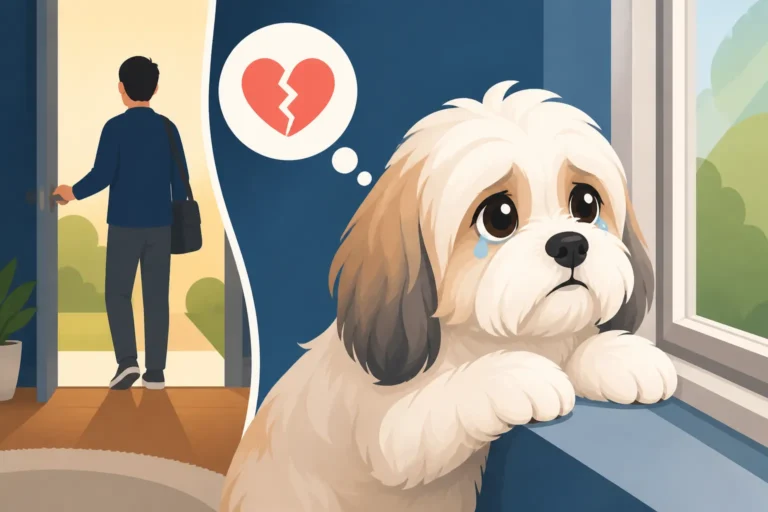
They might surprise you with their initial enthusiasm, zipping around a new park or eagerly greeting people, but that energy can dwindle quicker than you'd expect. Imagine a small child trying to keep pace with adults on a bustling city tour – they'll eventually need to be carried, or they'll melt down. Your Havanese is much the same. Their little legs have to work significantly harder and faster to cover the same ground as a human or a larger dog. The world, from their perspective, is a huge place with an overwhelming amount of sensory input, which can be exhausting in itself, even if they're not physically exerting themselves constantly. So, while they love being with you, a full day of non-stop activity is often too much for their small bodies and minds.
Think about a typical Saturday farmers market. Your Havanese might adore sniffing all the new scents, seeing new faces, and getting a few pets. But after an hour or two of navigating crowds, loud noises, and endless new stimuli, even the most robust Havanese will likely be looking for a quiet spot to rest, perhaps tucked into your bag or a cozy carrier. It's not a reflection of their love for you, but simply their physical and mental capacity. Managing your expectations is the first step to successful outings, understanding that short bursts of adventure interspersed with plenty of downtime is usually the best approach for these delightful dogs.
Key Factors Affecting Your Havanese's Endurance and Comfort
Several individual factors play a huge role in how well your Havanese will cope with an extended outing. It's not a one-size-fits-all situation, and what works for one Havanese might be completely overwhelming for another. Always consider your specific dog's personality and physical condition.
Age and Physical Condition
Just like people, puppies and senior Havanese have different stamina levels than healthy adults. A young Havanese puppy, say under six months, has boundless energy in short spurts, but their bones and joints are still developing, and they tire easily. Long walks or prolonged exposure to crowded, noisy environments can be detrimental to their physical development and stress levels. On the flip side, an older Havanese, perhaps one Arthritis in a Havanese at Twelve or exhibiting The Signs a Havanese Is Getting Old, will naturally have less endurance. Their joints might ache, their vision or hearing might be declining, and they may simply prefer the comfort and routine of home. Pushing them too hard can lead to discomfort, injury, or unnecessary stress.
For an adult Havanese, their general fitness level makes a huge difference. A Havanese that gets regular, moderate exercise, like daily walks and playtime, will generally have better stamina than a couch potato. However, even a fit Havanese can struggle with prolonged, intense activity. Conditions like The Kneecaps a Havanese Slips or potential Whether a Havanese Gets Hip Dysplasia can significantly impact their ability to walk or run for extended periods. It's crucial to be aware of any underlying health issues your Havanese might have and consult your vet before planning any particularly strenuous outings. Remember that even healthy Havanese benefit from you ensuring Whether a Havanese Should Be Kept Slim for Its Joints to protect their delicate structure.
Temperament and Environmental Sensitivity
A Havanese's personality also heavily dictates how they handle a long day out. Some Havanese are naturally more adventurous, confident, and outgoing, thriving on new experiences and interactions. They might enjoy a bustling outdoor market or a lively park for longer periods. Others are more reserved, prone to anxiety, or easily overwhelmed by excessive stimulation. A Havanese that is naturally Whether a Havanese Is Wary of Strangers might find a crowded street fair incredibly stressful, even if they're not walking much. Loud noises, unfamiliar smells, and too many people trying to pet them can quickly lead to sensory overload, manifesting as panting, hiding, trembling, or even nipping.
If your Havanese tends to be Whether a Havanese Is Reactive on the Leash or The Barking a Havanese Does at Every Sound in new environments, a long day out in a busy place is likely to be a negative experience for both of you. Consider their comfort zone. Do they prefer quiet trails over crowded city centers? Do they get anxious when The Havanese That Cannot Be Left Alone for even short periods in an unfamiliar place? A successful outing is about enriching your dog's life, not subjecting them to undue stress. For dogs that need a little extra help with confidence in new settings, an online training program can be a fantastic resource. Services like BAXTER & Bella, for example, often have modules that help desensitize dogs to new sights and sounds, preparing them better for adventures beyond the backyard.
| Factor | Impact on Long Outings | Considerations |
|---|---|---|
| Age | Puppies & Seniors tire faster, more prone to injury/stress. | Limit duration, frequent breaks, provide secure carrying options. |
| Physical Condition | Healthy adults have more stamina; underlying issues limit endurance. | Consult vet, assess joint health (The Kneecaps a Havanese Slips), avoid overexertion. |
| Temperament | Confident dogs adapt better; anxious dogs get overwhelmed. | Choose quiet locations, avoid crowds, carry anxious dogs, consider training. |
| Weather | Extreme heat or cold can be dangerous. | Plan for climate, bring water, use protective gear (Whether a Havanese Needs a Coat in Winter). |
| Pavement/Terrain | Hot pavement, rough trails hurt paws; slippery surfaces risky. | Check ground temperature, use booties, avoid difficult terrain. |
Essential Preparations for Taking Your Havanese on an Adventure
Successfully taking your Havanese on an extended outing requires a bit of planning and the right gear. It’s not just about packing your own essentials; your Havanese has specific needs that, if neglected, can quickly turn a fun day into a miserable one for everyone.
Packing the Right Gear
First and foremost, hydration is key. Always carry plenty of fresh water and a portable bowl for your Havanese. Dehydration, especially on warmer days, can happen quickly, and finding suitable water sources on the go isn't always reliable. You can find many excellent portable water bottles and collapsible bowls on Amazon, perfect for keeping your Havanese hydrated throughout your adventures. Don't forget small, high-value treats to reward good behavior, especially when encountering new sights or sounds. A few pieces of their favorite kibble or a small chew can be a great distraction or reward.
Secondly, a comfortable and secure way for your Havanese to rest or be carried is non-negotiable. Even the most energetic Havanese will need a break from walking. A sturdy pet stroller is an absolute game-changer for long days at street fairs, festivals, or even just long walks in the park. It provides a safe, elevated space away from foot traffic and allows them to observe without being constantly underfoot or exposed to overwhelming stimuli. Alternatively, a comfortable sling or backpack carrier can work well for shorter periods or less crowded environments. This ensures your Havanese isn't forced to walk more than they're able and can retreat when feeling overwhelmed. In fact, many owners find Whether a Havanese Needs a Stroller is a resounding "yes" for these types of outings.
Lastly, consider their comfort and safety. A well-fitting harness (rather than just a collar) is important for walks, as it distributes pressure evenly across their chest and avoids strain on their delicate neck. If you’re visiting a place with varying temperatures or potential for paw irritation (like hot pavement or rough trails), a sweater or booties might be necessary. Also, remember a waste bag dispenser – being a responsible pet owner means cleaning up after your Havanese, no matter where you are.
Training and Socialization for New Environments
Before embarking on a truly long day out, ensure your Havanese has a solid foundation in basic manners and has been adequately socialized to various environments. A dog that is comfortable with new sights, sounds, and smells will have a much better time than one who is timid or reactive. If your Havanese struggles with new environments, resources like BAXTER & Bella offer great modules on building confidence and polite leash manners, which are vital for public outings.
Practice shorter outings first. Start with a quick trip to a quiet park, then move to a slightly busier outdoor cafe, gradually increasing the duration and intensity of the environment. Observe your Havanese closely during these shorter trips to gauge their comfort level. Can they settle down calmly? Are they overly anxious or excited? Whether a Havanese Settles at Daycare can give you an idea of how well they cope in novel social situations. If they're constantly pulling on the leash, barking excessively, or trying to hide, they're not ready for an all-day adventure. Work on reinforcing calm behavior in different settings and ensure they respond reliably to cues like "sit," "stay," and "leave it." This foundational training makes a world of difference in managing them in unpredictable public spaces.
Practical Tips for a Successful Long Day Out
Once you’ve considered your Havanese’s individual needs and gathered your supplies, it’s time to think about the actual execution of your long day out. It's all about being attentive and flexible.
Prioritizing Breaks and Hydration
Frequent, scheduled breaks are paramount. Even if your Havanese seems to be powering through, take regular pauses. Find a quiet spot away from the main hustle and bustle where your Havanese can relieve themselves, drink some water, and simply decompress. This could be a grassy patch, a bench under a tree, or even back in your car for a few minutes. These breaks aren't just for physical rest; they're essential for mental rejuvenation, allowing your Havanese to process all the new sensory information without becoming overwhelmed. If you have your pet stroller, this is an excellent opportunity for them to relax in their mobile den.
Always offer water during these breaks, even if they don't seem thirsty. A few sips here and there can prevent dehydration over a long period. On particularly warm days, remember that Whether a Havanese Overheats in Summer is a real concern for small, long-coated breeds. Look for shaded areas, avoid walking on hot pavement (which can burn their paw pads), and consider bringing a cooling vest or mat. Conversely, if it's chilly, ensure they are bundled up, as Whether a Havanese Feels the Cold more easily than larger breeds. A good rule of thumb is if you're feeling tired or thirsty, your Havanese probably is too, but they can't tell you in words.
Listening to Your Havanese's Cues and Adapting
Your Havanese will communicate their needs, but you have to be vigilant in understanding their subtle signals. Are they lagging behind, panting excessively, or seeking physical contact more than usual? These could all be signs of fatigue. Are they trying to hide behind your legs, yawning repeatedly (a stress signal), or becoming unusually quiet? These might indicate they're feeling anxious or overwhelmed. Some Havanese might even start to nip or become irritable when overstimulated, especially if they are usually Whether a Havanese Is Safe With Toddlers at home but suddenly find the world too much to handle.
Don't be afraid to cut the outing short or significantly adjust your plans based on your dog's behavior. The goal is for both of you to have a positive experience, not to push them to their breaking point. If you planned an entire afternoon at an outdoor festival and your Havanese is showing signs of stress after an hour, honor their needs. Tuck them into their carrier, find a quiet spot, or head home. Remember, your Havanese values your companionship above all else, and a shorter, positive experience is far better than a long, stressful one. Consider the activity level as well; How Much Exercise a Havanese Needs might be less than you think for a full day. A gentle stroll is different from an extended hike in varied terrain, so be realistic about Whether a Havanese Can Hike for long distances. Ultimately, being a responsible Havanese owner means prioritizing their well-being, even if it means foregoing some of your own planned activities for the day.
Disclaimer
This article is for general informational purposes only and does not constitute professional advice. Laws, prices and regulations vary by location and change over time. Consult a qualified professional for guidance on your specific situation.