Whether a Havanese Bites the Groomer
It's a genuine concern for many Havanese owners: the fear that their beloved furry companion might snap or bite a groomer. This isn't just about embarrassment; it's about the safety of the groomer and the well-being of your dog. Nobody wants their sweet Havanese to be labeled "difficult" or, worse, to be refused grooming services because of aggressive behavior. Rest assured, you're not alone in this worry, and understanding the root causes and preventative measures can make all the difference. This comprehensive guide will explore why a Havanese might bite a groomer and, more importantly, what you can do to ensure a calm, positive experience for everyone involved.
Understanding Why a Havanese Might Bite During Grooming
Havanese are generally known for their joyful, outgoing, and affectionate personalities. They thrive on human companionship and are often eager to please. However, even the sweetest Havanese can resort to biting if they feel threatened, are in pain, or simply haven't been properly prepared for the grooming process. It's rarely out of malice; it's usually a stress response.
Fear and Anxiety as Triggers
Think about it from your Havanese's perspective. Grooming often involves being handled by a stranger, in an unfamiliar place, with strange smells, loud noises from dryers, and vibrating clippers. For a sensitive breed like the Havanese, this can be an incredibly overwhelming experience, even for a dog that's usually confident at home. Their innate desire to be close to their people can make being held by someone new feel like a betrayal or a scary separation. This heightened anxiety can trigger a "fight or flight" response, and if they can't flee, they might feel forced to fight.
Imagine your Havanese is on a grooming table, a stranger is holding clippers that buzz near their face, and the dog is trying to pull away but can't. The fear can escalate rapidly. This isn't aggression for aggression's sake; it's a desperate attempt to create distance and stop what they perceive as a threat. The unfamiliar sounds of the grooming salon – multiple dryers running, other dogs barking, phones ringing – can overload their senses, making an already scary situation even more terrifying.
Pain or Discomfort
One of the most common, and often overlooked, reasons a dog bites during grooming is pain. A Havanese has a beautiful, long coat that requires significant upkeep. If this coat isn't brushed regularly at home, it can quickly develop mats. These mats are not just messy; they pull on the skin, causing constant discomfort. When a groomer tries to brush out these mats, or even just manipulate the matted areas, it can be excruciating. The dog's only way to communicate this pain and try to stop it is by snapping or biting.
Beyond matting, there could be underlying health issues that make grooming painful. A Havanese might have sensitive ears due to a brewing Whether a Havanese Gets Ear Infections, making ear cleaning unbearable. Joint pain, such as from Arthritis in a Havanese at Twelve or even a subtle The Kneecaps a Havanese Slips, can make standing for long periods or having certain parts of their body handled very uncomfortable. Even a small scratch or a skin irritation hidden under their thick coat can become a focal point of pain when touched, leading to a defensive bite.
Lack of Early Socialization and Training
Puppyhood is a critical window for socialization and exposure. If a Havanese puppy isn't introduced to grooming tools, handling, and the grooming process in a positive way from a young age, they're much more likely to develop fears as adults. A puppy who has never had their paws touched might suddenly find a nail trim terrifying. One who hasn't experienced a gentle brush might see a professional groomer's slicker brush as an instrument of torture.
Without early, positive conditioning, grooming can become a battle. Owners who try to force their Havanese to endure grooming at home, perhaps holding them down or scolding them, inadvertently teach their dog that grooming is something to be fought against. This negative association carries over to professional groomers. A dog that resists handling and becomes stressed during grooming sessions at home is almost certainly going to react similarly, if not more intensely, in a new environment with a stranger. It's all about building a foundation of trust and comfort.
Common Grooming Scenarios That Provoke Biting
Certain parts of the grooming process are notorious for causing stress and, consequently, defensive reactions in dogs. For Havanese, with their delicate features and often sensitive dispositions, these moments can be particularly challenging.
Face and Paw Trims
The face and paws are often the most sensitive areas for many dogs, and Havanese are no exception. Imagine having sharp scissors or buzzing clippers near your eyes, or having your delicate paw pads manipulated. For a Havanese, keeping hair out of their eyes is crucial, and having their face trimmed is a regular necessity. However, the closeness of the tools to their eyes and whiskers can be incredibly intimidating. If they flinch or move unexpectedly, the risk of injury is high, which groomers are keenly aware of.
Similarly, paw trims involve lifting the feet, trimming hair between the pads, and often dealing with nails. Dogs' feet are highly sensitive, and many simply dislike having them touched, especially by a stranger. The sensation of clippers around their delicate toes or the vibration of a Dremel can be enough to trigger a defensive snap. This is why it’s so important for owners to teach their Havanese to tolerate Teaching a Havanese to Have Its Face Trimmed and paw handling from a very young age, making it a routine, non-threatening part of their lives.
Dematting and Brushing Out Knots
This is perhaps the biggest flashpoint for potential bites in a Havanese. A Havanese coat, when neglected, can become a dense, painful mat of hair. When a groomer encounters a severely matted dog, they are faced with a difficult choice: try to brush out the mats (which is often very painful for the dog) or shave them off. Attempting to demat a tightly matted Havanese often causes immense pain as the mats pull tightly on the skin. The groomer might use specialized dematting tools, which, while effective, can still cause discomfort.
When a dog is in pain, its natural instinct is to try and stop the source of that pain. A snap or a bite is a clear communication that they are hurting and want the process to stop. Many groomers adhere to a "humanity over vanity" principle, meaning they will prioritize the dog's comfort and safety over maintaining a long coat that is causing suffering. This often means shaving off the matted coat, which can be a source of disappointment for owners who want a particular look, but it is often the kindest option for the dog. Trying to force a dog through painful dematting is a surefire way to create a deeply negative association with grooming and increase the likelihood of biting behavior in future sessions. When facing a matted coat, it's worth considering Whether a Matted Havanese Must Be Shaved for your dog's comfort.
Nail Trims and Ear Cleaning
These two procedures, though seemingly minor, can be a huge source of stress for many Havanese. For nail trims, the fear of the clippers themselves, the sensation of pressure on the quick, or a past negative experience (like being quicked) can make a dog extremely resistant. Many dogs have a natural aversion to having their paws held and nails clipped, and for a small dog, the sound and vibration of the clippers can be quite startling. Some dogs also become incredibly still and stiff, tensing up their muscles, which makes the groomer's job even harder and increases the risk of an accidental quicking.
Ear cleaning can also be problematic. Havanese have long, floppy ears that require regular care to prevent infections. Whether a Havanese Struggles With Ear Cleaning is a common question, and for good reason. The sensation of liquid being squirted into the ear canal, followed by cotton being used to clean it, can be very unpleasant for a dog, especially if they already have an underlying ear issue or are simply not accustomed to the feeling. If a Havanese has hair growing deep within their ear canal, which is common for the breed, plucking this hair (often done by groomers) can also be uncomfortable, leading to head shaking, pulling away, and potentially snapping.
| Grooming Task | Why it can trigger biting | Prevention Strategies |
|---|---|---|
| Face Trim | Proximity of tools to eyes/whiskers, fear of injury | Early positive association, short sessions, high-value treats, regular home trims |
| Paw Trim | Sensitive paws, fear of clippers, joint discomfort | Frequent handling of paws from puppyhood, positive reinforcement, Dremel introduction |
| Dematting | Extreme pain from mats pulling on skin | Daily line brushing at home, preventative clips, "humanity over vanity" approach |
| Nail Trims | Fear of clippers, past quicking, sensitivity to sound/vibration | Frequent, gentle nail handling; positive reinforcement; consider Dremel |
| Ear Cleaning/Plucking | Unfamiliar sensation, ear sensitivity/infection, pain from plucking | Regular home ear checks, gentle cleaning, gradual introduction to plucking |
| Bathing/Drying | Loud noise of force dryer, water phobia, slippery tubs | Introduce bath/dryer early and positively, use non-slip mats, ear protection |
Strategies for Preventing Biting and Ensuring a Positive Grooming Experience
Preventing biting during grooming starts long before your Havanese ever sets foot in a salon. It’s a combination of proactive training, finding the right professional, and maintaining a consistent home grooming routine.
Early and Consistent Positive Reinforcement
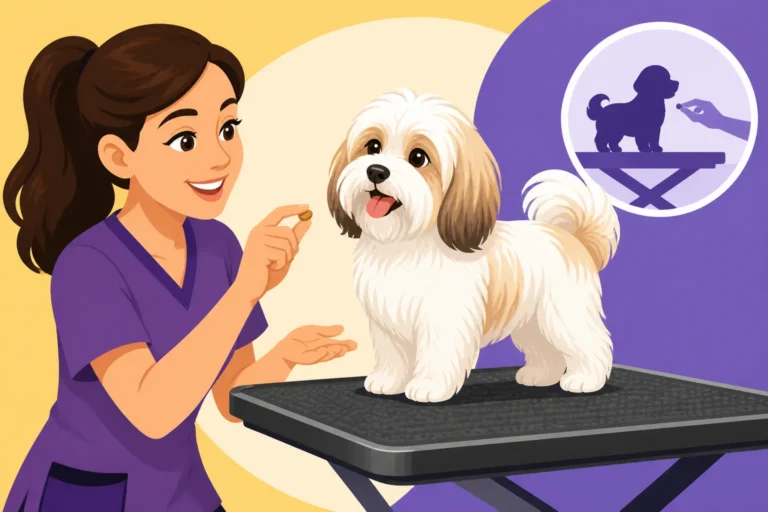
The key to a well-behaved Havanese during grooming is to make the experience as normal and enjoyable as possible from puppyhood. This means introducing grooming tools and handling gradually, paired with positive reinforcement. Start by simply touching your puppy all over their body – paws, ears, tail, muzzle – while offering tiny, high-value treats and praise. Make these sessions very short and sweet, ending before your puppy gets stressed. Gradually introduce the grooming tools: let them sniff the brush, turn on the clippers far away, and then bring them closer, always pairing it with treats and praise.
Think of it as a game. For instance, when it comes to brushing, make it a positive ritual. Spend a few minutes each day gently brushing your Havanese, even if their coat doesn't strictly need it. Offer a special treat only during this time. Resources like BAXTER & Bella, an online puppy school, often emphasize this kind of early, positive desensitization to handling, which is crucial for future grooming success. The goal is to build a positive association so that your Havanese views grooming as a pleasant activity, not a terrifying ordeal. Consistency is paramount; short, daily sessions are far more effective than long, infrequent ones. You might find our guide on Getting a Havanese Used to Brushing as a Puppy to be very helpful in establishing this routine.
Finding the Right Groomer
Not all groomers are created equal, and finding one who understands and respects your Havanese's individual needs is vital. Look for a groomer who uses positive reinforcement techniques, patience, and a calm demeanor. Ask about their approach to anxious or fearful dogs. A good groomer will often suggest "happy visits" where your Havanese can simply come to the salon, receive some treats and praise, and leave without any actual grooming being done. This helps them build a positive association with the environment and the groomer.
Don't be afraid to ask questions. Inquire about their experience with Havanese or other small, long-coated breeds. A reputable groomer will be transparent about their methods and keen to work with you to ensure your dog's comfort. Some groomers specialize in fear-free grooming or have specific training in canine behavior. Building a trusting relationship with a single groomer or salon can be incredibly beneficial, as your Havanese will become familiar with the person and the environment, reducing stress over time. For tips on preparing your dog for the experience, check out Teaching a Havanese to Lie Still for Grooming.
Maintaining a Havanese's Coat at Home
This is perhaps the single most impactful thing you can do to prevent biting during professional grooming. A well-maintained coat means less pain and stress for your Havanese at the salon. Daily brushing, specifically "line brushing" to get down to the skin, is essential for a Havanese. This prevents mats from forming, which are the leading cause of painful, prolonged grooming sessions and subsequent fear-based aggression.
Invest in high-quality grooming tools, such as a good slicker brush and a metal comb (many excellent options can be found on Amazon), and learn how to use them effectively. Focus on areas prone to matting, like behind the ears, in the armpits, and under the collar. If you keep your Havanese in a longer coat, daily attention is non-negotiable. Even if you prefer a shorter "puppy cut," regular brushing is still important to keep the coat healthy and free of tangles. The less work a groomer has to do to untangle or demat your dog, the quicker and more pleasant the experience will be, drastically reducing the chances of a defensive bite. Knowing How Long Brushing a Havanese Takes Daily can help you set realistic expectations for your home grooming routine. Regular home grooming can also help address issues like Whether a Havanese Fights a Brush, turning it into a calm, bonding experience.
What to Do If Your Havanese Has Bitten or Shows Aggression
If your Havanese has already bitten a groomer, or consistently displays aggression during grooming, it’s a clear signal that something needs to change. Ignoring it won't make it go away; in fact, it will likely worsen. Addressing this behavior requires honesty, professional help, and a tailored approach.
Communicating with Your Groomer
The absolute first step is open and honest communication with your groomer. Never conceal a bite incident or your dog's aggression. Groomers need to know if a dog is a bite risk so they can take appropriate precautions, both for their safety and your dog's. Explain the situation thoroughly, including any known triggers, past experiences, or potential pain points. A good groomer will appreciate your honesty and work with you to find solutions.
This might involve starting with shorter, less intensive grooming sessions, muzzle training, or even sedated grooms (discussed below). Muzzle training, in particular, when introduced positively, can be a fantastic tool. It's not a punishment; it's a safety measure that allows the groomer to work without fear of injury, which in turn can make them more relaxed and gentle with your dog. You might find that some groomers will be upfront about refusing a dog that is consistently aggressive, and that's their right, as safety is paramount.
Working with a Professional Trainer or Behaviorist
For persistent aggression, particularly if it extends beyond the grooming table to other areas of handling, seeking help from a professional certified dog trainer or a veterinary behaviorist is highly recommended. These professionals can assess the root cause of the aggression, whether it's fear, pain, or a lack of appropriate coping mechanisms. They can then develop a customized plan involving counter-conditioning and desensitization.
Counter-conditioning involves changing your dog's emotional response to the grooming process from negative to positive. Desensitization means gradually exposing your Havanese to the triggers at a level they can tolerate, slowly increasing the intensity over time while keeping them below their fear threshold. This might involve working on handling drills at home, practicing with grooming tools, and building confidence in a controlled environment. A behaviorist might also explore medication options if anxiety is severe and impacting your dog's quality of life beyond just grooming sessions. This kind of specialized help is invaluable for complex behavioral issues.
Sedation and Veterinary Oversight
In some severe cases, where fear and aggression are extreme despite behavioral training, or if there's a medical condition causing pain, veterinary intervention might be necessary. This often involves vet-prescribed sedatives or anti-anxiety medication to be given before grooming appointments. The goal here is to reduce the dog's anxiety to a manageable level so that the grooming can be completed safely and without causing further trauma.
Sedation should always be done under the guidance of a veterinarian. They can determine the appropriate medication and dosage based on your Havanese's size, health, and anxiety levels. While not ideal for every dog or every situation, for some Havanese, a sedated groom can be a compassionate solution, preventing immense stress and potential injury. It allows essential grooming tasks, like nail trims and sanitary clips, to be performed without causing distress, potentially paving the way for gradual desensitization in a less fearful state. It's a tool in the toolkit for the most challenging cases, ensuring your Havanese can still receive the necessary care.
Disclaimer
This article is for general informational purposes only and does not constitute professional advice. Laws, prices and regulations vary by location and change over time. Consult a qualified professional for guidance on your specific situation.