Spotting Bowed Legs in a Havanese Puppy
Finding a new Havanese puppy is such an exciting time, filled with dreams of cuddles and playful antics. But sometimes, when you're watching your little fur-baby pitter-patter around, you might notice something that makes your heart sink a little: their legs don't look quite right. If you're seeing what appears to be a slight curve or a distinct bow in your Havanese puppy's legs, it's natural to feel a wave of worry. This comprehensive guide is here to walk you through how to identify bowed legs in your Havanese puppy, understand the potential reasons behind them, and know when it’s time to reach out to your veterinarian for guidance.
The Appearance of Normal Havanese Puppy Legs
It’s easy to get caught up in concern, especially when everything about your new puppy is so precious and you want them to be perfect. Let's start by understanding what is generally considered normal for a Havanese puppy's leg development, so you can better gauge any deviations.
Early Stages of Growth and Development
When Havanese puppies are very young, their musculoskeletal system is still rapidly developing. They often appear a bit clumsy, with a slightly wider stance and sometimes what can look like a soft, pliable quality to their limbs. This is especially true for toy breeds, who are naturally small and have a delicate bone structure compared to larger dogs. Their bones are growing at an incredible rate, and the growth plates are still open, meaning the bones are lengthening and shaping themselves. It's common for puppies, regardless of breed, to have a somewhat "cow-hocked" or "bow-legged" appearance occasionally during play or when they're first learning to coordinate their movements. This transient appearance usually resolves itself as their muscles strengthen and their coordination improves.
However, there's a fine line between a normal puppy waddle and a genuine structural concern. You're looking for a general symmetry and straightforward alignment when the puppy is standing naturally and moving. While a little bit of awkwardness is charming in a puppy, sustained or worsening bowing, especially if asymmetrical or accompanied by discomfort, is a different story. It’s important to monitor their development closely, observing them both at rest and in motion. As they mature, typically around 3-6 months, their legs should start to achieve a straighter, more upright appearance, reflecting the elegant, lively gait characteristic of the Havanese. If you’re ever wondering if what you’re seeing is typical, remember that a qualified veterinarian can always offer reassurance or flag potential issues.
Ideal Stance and Movement for a Havanese Puppy
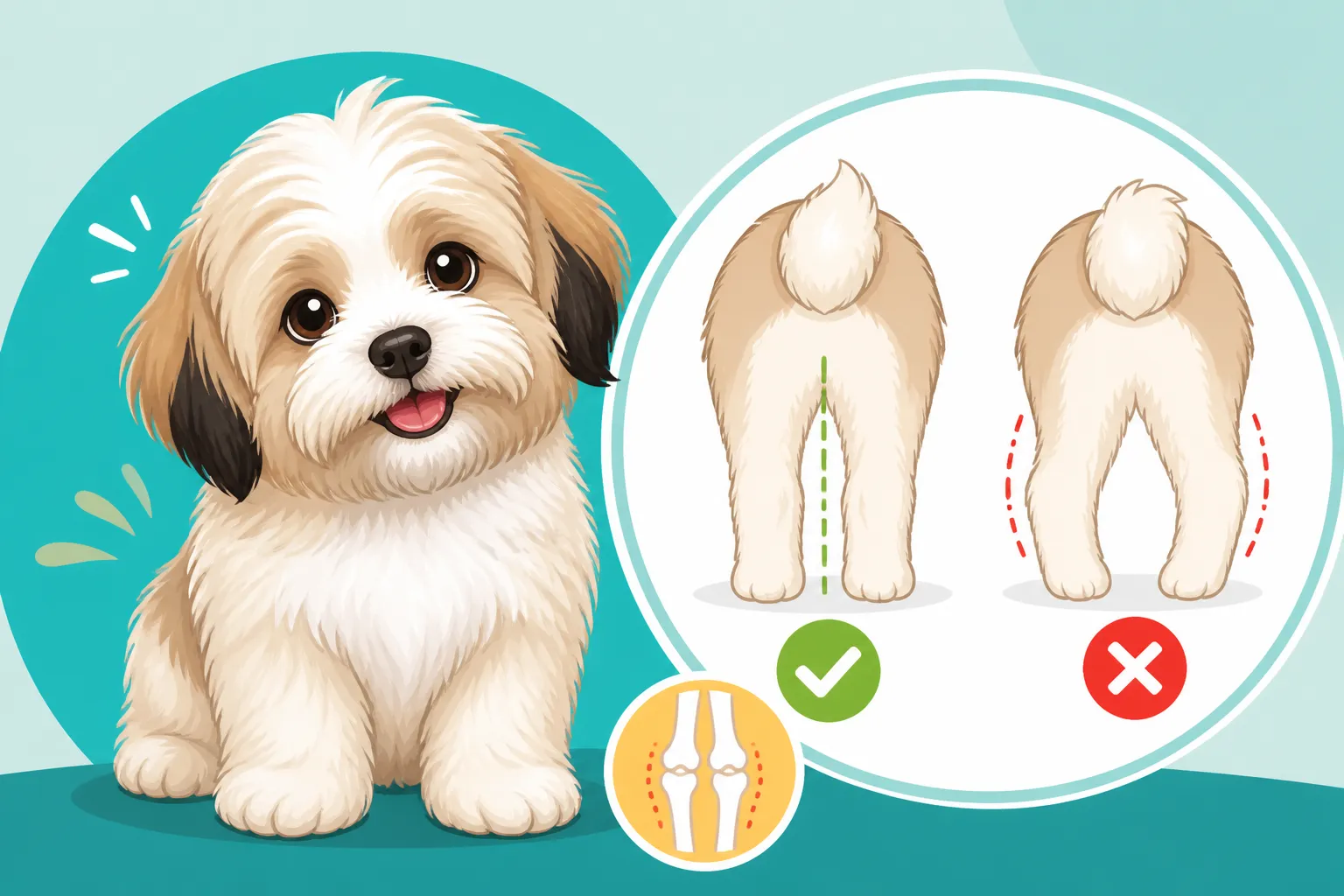
A healthy Havanese puppy should exhibit a graceful, springy gait. When standing, their legs should generally appear straight and well-boned, neither too fine nor overly heavy for their compact body. From the front, their legs should track straight, with their paws pointing forward. The elbows should be tucked close to the body, not splayed out. From the rear, the hind legs should also track straight, with hocks (ankles) parallel and perpendicular to the ground, giving them good propulsion.
The standard for a Havanese describes a "light, springy, and resilient with a jaunty air" movement. This means they should move freely, without any stiffness, favoring one leg, or noticeable lameness. A Havanese puppy should be eager to play, run, and explore, using all four legs without hesitation or signs of pain. A healthy puppy's legs should allow them to jump, albeit carefully, climb small steps, and engage in all the bouncy activities typical of their age. If you observe your puppy frequently shifting weight, standing with their legs angled unnaturally, or showing an unwillingness to bear weight evenly, these could be subtle indicators that something might be amiss with their skeletal development. You can learn more about if your Havanese puppy's legs should look straight by visiting our detailed post on the subject.
Defining Bowed Legs in Havanese
When we talk about "bowed legs" in a Havanese, we're not just referring to a cute, temporary puppy wobble. We're looking at a structural deviation that can range from mild to severe, and understanding the nuances is key.
Distinguishing Normal Puppy Waddles from True Bowing
Let's be real, watching a tiny Havanese puppy learn to navigate the world is adorable. They often have an uncoordinated, clumsy gait, especially when they're excited or trying to go too fast. They might bunny hop, trip over their own feet, or stand with their legs in odd positions for a moment or two. This is totally normal! Their muscles are still developing, their joints are flexible, and their brain is still fine-tuning those intricate motor skills. This "puppy waddle" or temporary, fleeting bowing is usually nothing to worry about and often resolves as they gain strength and coordination over the first few months.
True bowing, however, is different. It's a persistent, noticeable curvature of the limb bones, usually most evident when the puppy is standing still and relaxed. Instead of the legs appearing straight from the body down to the paw, they will curve outwards (bow-legged, varus deformity) or inwards (knock-kneed, valgus deformity). This isn't just a brief awkward pose; it's a fixed anatomical characteristic that can be seen consistently. The key is observation: does the bowing remain visible even when the puppy is standing squarely and calmly? Does it affect one leg or both? Does it seem to worsen over time? These observations help distinguish a normal puppy phase from a legitimate concern that warrants veterinary attention.
Different Types and Degrees of Bowing
Bowed legs can manifest in several ways and to varying degrees of severity. It's not a one-size-fits-all condition. For example, a dog can have a varus deformity where the legs bow outwards, forming an arc that curves away from the center of the body. This is often seen in conditions like Chondrodysplasia, which we'll discuss in more detail. Conversely, a valgus deformity means the legs bow inwards, often making the paws splay out. This might look like a "knock-kneed" appearance.
The bowing can affect just one leg (unilateral) or both legs (bilateral). If it's bilateral, it might be symmetrical or asymmetrical. For instance, a puppy might have significantly bowed front legs but perfectly straight hind legs, or one front leg could be much more affected than the other. The degree of bowing is also crucial. A very slight, almost imperceptible curve might cause no issues, while a severe angle can put immense strain on joints, ligaments, and tendons, leading to pain, lameness, and long-term orthopedic problems. It's the persistent nature, the degree of curvature, and any accompanying signs of discomfort or altered movement that indicate whether the bowing is simply a temporary growth phase or a more significant structural issue that needs addressing.
Specific Indicators to Watch For
As a devoted Havanese parent, you're naturally tuned into every little thing your puppy does. Knowing exactly what to look for when it comes to bowed legs can help you distinguish between normal puppy quirks and potential red flags.
Visual Cues of Leg Curvature
The most obvious sign of bowed legs is, of course, the visual curvature itself. Take a moment to observe your Havanese puppy when they are standing still and relaxed, perhaps after a nap or during a quiet moment. Look at them from the front, side, and rear.
- Front Legs: Do the front legs appear to curve outwards from the elbow down to the wrist (carpus)? Instead of a straight line, do they form a noticeable "bow" shape? Sometimes the bowing is more subtle, affecting the lower leg bones (radius and ulna), causing the paws to angle outward. The elbows themselves might appear to stick out rather than lying close to the chest.
- Hind Legs: While less common for significant "bowing" in the traditional sense, the hind legs can also show alignment issues. Look for a cow-hocked appearance, where the hocks (ankles) turn inward, making the hind paws splay out. Or, conversely, a barrel-legged stance where the hind legs are wide apart with the hocks turning outward.
Beyond the actual curve, look at the overall symmetry. Do both front legs bow equally, or is one more affected than the other? Is there a noticeable difference in length between limbs? These visual cues are your primary indicators and should prompt further investigation.
Changes in Gait and Activity Levels
Beyond how the legs look when stationary, how your Havanese puppy moves can tell you a great deal. A puppy with bowed legs, especially if the bowing is significant or causing discomfort, might exhibit changes in their gait and activity.
- Limping or Lameness: This is a major red flag. If your puppy consistently limps on one or more legs, favors a particular leg, or shows any hesitation to put weight down, it's a strong sign of pain or structural issue. This isn't just a clumsy moment; it's a sustained alteration in movement.
- Stiffness or Awkwardness: Their usual "springy" gait might be replaced by a stiff, stilted, or awkward movement. They might struggle to turn corners smoothly, or appear less agile than other puppies their age.
- Reduced Activity: Perhaps your normally boisterous Havanese puppy is less enthusiastic about play, reluctant to run, or avoids activities like jumping onto low furniture or playing chase. If they tire quickly during playtime or prefer to rest more often, it could be due to the physical effort required to move on misaligned limbs. This can be a subtle but important sign. You should always ensure your Havanese gets enough mental and physical stimulation, but not to the point of strain. What a Havanese needs beyond a walk is a good thing to research for their overall well-being.
Behavioral Signs of Discomfort or Pain
Dogs are masters at hiding pain, but even a small Havanese puppy will give you clues if they're uncomfortable. These behavioral changes often accompany more pronounced bowing or other orthopedic issues.
- Vocalization: Whining, yelping, or crying when moving, being picked up, or when a specific leg is touched can indicate pain. Puppies, especially, might cry out more readily than stoic adult dogs.
- Reluctance to Be Handled: If your puppy normally loves cuddles but suddenly becomes defensive or tries to snap when you touch their legs or paws, it's a clear signal of pain.
- Changes in Posture: Beyond just standing, they might sit or lie in unusual ways to take pressure off a painful limb. For instance, they might constantly shift their weight, or avoid lying on a particular side. They might also exhibit signs of general discomfort, such as restlessness or an inability to get comfortable.
- Licking or Chewing: Persistent licking, biting, or chewing at a specific leg or joint can be a self-soothing behavior in response to pain or irritation. While this can also indicate allergies or skin issues, in the context of bowed legs, it's worth noting. Any of these signs, particularly when combined with visible bowing or gait changes, should prompt an immediate call to your vet. Don’t wait it out, as early intervention can make a significant difference.
Underlying Causes of Bowed Legs
While seeing bowed legs in your Havanese puppy is certainly concerning, understanding the root cause is the first step toward effective management and treatment. There are several factors that can contribute to this condition.
Genetic Predispositions
For Havanese, the primary genetic culprit often associated with bowed legs is a condition called Chondrodysplasia. This isn't just a fancy word; it's a specific developmental disorder that affects the growth of cartilage and bone. In simple terms, it's a form of dwarfism, but it's important to understand that not all short-legged dogs have Chondrodysplasia. Some breeds, like Dachshunds or Corgis, are bred specifically for their short legs without the negative health implications often seen with actual Chondrodysplasia. For the Havanese, however, it's considered a conformational defect rather than a desired trait, and it can lead to various orthopedic problems.
Chondrodysplasia primarily affects the long bones of the limbs, causing them to grow abnormally, resulting in shorter, often bowed, or malformed legs. It's an inherited condition, meaning it's passed down from the parents. A reputable Havanese breeder should be aware of this in their lines and actively work to screen against it. You can explore topics like The Chondrodysplasia That Runs in Certain Havanese Lines and What Chondrodysplasia Does to a Havanese to understand the genetic implications more deeply. Puppies affected by Chondrodysplasia might show signs of bowed legs, an unusually wide stance, or an abnormal gait. Unfortunately, some breeders might unintentionally or deliberately breed for an overly short-legged appearance, sometimes marketing them as "teacup" or "mini" Havanese, which can unknowingly perpetuate this genetic issue. This is why asking breeders about genetic health testing, including screening for conditions like Chondrodysplasia, is so crucial. Our guide on Whether a Havanese Breeder Screens for Chondrodysplasia can offer more insights.
Nutritional Deficiencies and Over-nutrition
While genetic factors play a significant role, a puppy's diet during their rapid growth phase can also influence bone development.
- Nutritional Deficiencies (Rickets): Historically, and still in some cases, severe deficiencies in essential vitamins and minerals, particularly Vitamin D, calcium, and phosphorus, can lead to a condition called rickets. This causes softening and weakening of the bones, making them prone to bowing and deformities as they grow. This is less common today with commercially prepared, balanced puppy foods, but can occur if puppies are fed homemade diets that aren't properly formulated or if they suffer from malabsorption issues.
- Over-nutrition and Rapid Growth: Surprisingly, too much of a good thing can also be detrimental. Feeding a puppy a diet that is too high in calories, especially protein and calcium, can lead to excessively rapid growth. While a faster-growing puppy might seem desirable, it can put undue stress on immature bones and joints, which may not develop correctly to support the increased weight and growth rate. This is particularly a concern in larger breeds, but even a fast-growing Havanese puppy could experience issues if their nutrition isn't properly balanced for their breed size and expected growth curve. Always ensure your Havanese puppy is on a high-quality, vet-recommended puppy food appropriate for small breeds, and follow the feeding guidelines.
Trauma and Injury During Puppyhood
Puppies, especially active Havanese, are like little acrobats, often fearless and sometimes clumsy. Unfortunately, falls, rough play, or accidental injuries can contribute to leg deformities if they occur during critical growth periods.
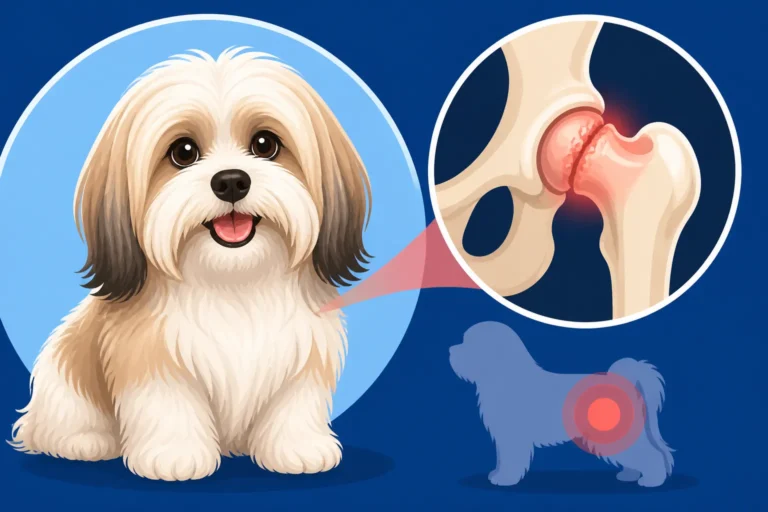
- Growth Plate Injuries: A puppy's bones have areas called growth plates (epiphyseal plates) which are responsible for lengthening the bones. These plates are made of cartilage and are softer and more vulnerable to injury than the surrounding bone. A fracture or damage to a growth plate, even a seemingly minor one, can disrupt normal bone growth. If one side of a growth plate is damaged, while the other continues to grow, it can lead to angular limb deformities, causing the leg to bow or twist.
- Accidents and Falls: A fall from a bed, couch, or even just a clumsy tumble during play can potentially damage these delicate growth plates or cause other fractures. While a Havanese is sturdy for a toy breed, they are still small and susceptible to injury. It's essential to puppy-proof your home, minimize opportunities for high jumps, and supervise playtime, especially with larger dogs or young children. Keeping a Havanese off furniture it should not jump from is crucial for preventing joint injuries.
It's always best to consult with your veterinarian if your puppy sustains an injury, even if they seem to recover quickly, to ensure there's no underlying growth plate damage that could lead to future bowing.
When to Consult Your Veterinarian
Spotting something unusual with your Havanese puppy's legs can be alarming. It's hard to know whether to panic or just keep an eye on it. Here's a clear guide on when to seek professional veterinary advice.
Identifying Red Flag Symptoms
While some mild, temporary clumsiness or slight variation in stance can be normal for a growing puppy, certain symptoms should immediately prompt a call to your veterinarian. These are what we call "red flags" – indicators that something more serious might be at play:
- Persistent or Worsening Bowing: If the bowing in your puppy's legs is noticeable when they are standing still, doesn't resolve after a few weeks, or appears to be getting more pronounced as they grow, it's time for a vet visit.
- Visible Pain or Discomfort: Any signs of pain such as limping, favoring a leg, reluctance to bear weight, crying out when moving or being touched, or excessive licking/chewing at a limb are urgent symptoms. A Havanese with bowed legs might be in pain, and while you might wonder if a Havanese with bowed legs is in pain, it's best to assume they are until proven otherwise by a vet.
- Changes in Activity Level: If your normally playful puppy suddenly becomes lethargic, doesn't want to play or walk, or tires unusually quickly, this could indicate discomfort related to their leg structure.
- Stiffness or Restricted Movement: Watch if your puppy struggles with normal movements like running, jumping, or even getting up and down. Any noticeable stiffness, rigidity, or inability to fully extend or flex a joint warrants attention.
- Abnormal Swelling or Heat: Swelling around a joint or bone, or warmth to the touch, could indicate inflammation, infection, or an injury.
- Asymmetry: If one leg appears significantly more bowed than the other, or if there's a noticeable difference in leg length, this suggests an uneven growth pattern that needs investigation.
Don't try to diagnose or treat these issues yourself. Early veterinary intervention is key to managing many orthopedic conditions effectively.
What to Expect During a Veterinary Examination
When you take your Havanese puppy to the vet for suspected bowed legs, the examination will likely be thorough and systematic.
- History Taking: Your vet will start by asking you a series of questions about your puppy's history: when you first noticed the bowing, if it's worsened, any signs of pain, changes in activity or appetite, diet, and any past injuries. Be prepared to describe your observations in detail.
- Physical Examination: The vet will perform a comprehensive physical exam, paying close attention to your puppy's musculoskeletal system. They will palpate (feel) the legs, joints, and spine, checking for swelling, tenderness, heat, or any abnormal bone or joint movement. They'll also assess your puppy's gait and stance, watching them walk, run, and stand from various angles. They might manipulate your puppy's legs to check joint stability and range of motion, potentially looking for issues like The Kneecaps a Havanese Slips (luxating patella), which can sometimes present with similar gait abnormalities.
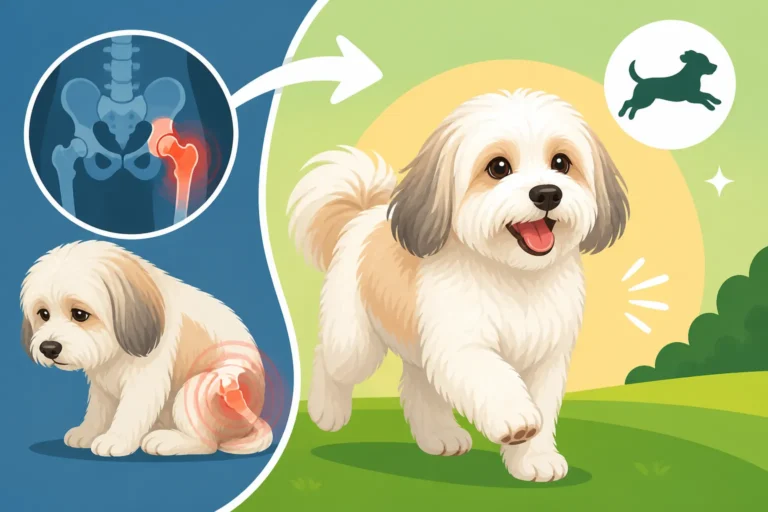
- Diagnostic Imaging (X-rays): If the physical exam suggests a structural issue, your vet will almost certainly recommend X-rays (radiographs) of the affected limbs. X-rays are crucial for visualizing the bones, identifying deformities, assessing growth plates, and ruling out fractures or other bone diseases. Your puppy might need to be mildly sedated for accurate positioning during X-rays, especially if they are in pain or very wiggly.
- Blood Work: In some cases, especially if nutritional deficiencies or other systemic health issues are suspected, blood tests might be recommended. A Havanese needs a yearly blood panel for overall health, and a puppy with suspected issues might need an earlier baseline.
Once all the information is gathered, your vet can provide a diagnosis and discuss the best course of action.
Discussing Treatment Options
The treatment approach for bowed legs in a Havanese puppy will depend entirely on the underlying cause and the severity of the condition.
- Conservative Management: For mild cases, or bowing related to nutritional imbalances, conservative treatment may be recommended. This could involve dietary adjustments to ensure a balanced, appropriate-for-age diet, controlled exercise to strengthen supporting muscles without stressing joints, and sometimes pain management medications or anti-inflammatory drugs. Physical therapy, including gentle massage and controlled range-of-motion exercises, might also be suggested to improve flexibility and muscle strength.
- Surgical Intervention: For more severe bowing, especially those caused by growth plate damage or significant genetic deformities like advanced Chondrodysplasia, surgery might be the most effective option. Orthopedic surgeons can perform procedures to correct angular limb deformities, often involving techniques to stop or slow growth on one side of a bone to allow the other side to catch up, or to correct bone alignment directly. This is a complex decision and would involve consultation with a veterinary orthopedic specialist.
- Long-Term Monitoring: Regardless of the initial treatment, ongoing monitoring will be essential. This means regular vet check-ups, follow-up X-rays to assess bone growth and healing, and careful management of your puppy's activity level and weight. The goal is to ensure your Havanese puppy can live a comfortable, pain-free life, maximizing their mobility and quality of life. Be prepared for potentially significant vet bills, and consider setting money aside for a Havanese's vet bills, as specialized orthopedic care can be costly.
Living with a Havanese Puppy with Bowed Legs
Discovering your Havanese puppy has bowed legs can feel overwhelming, but with the right care, many dogs can lead full, happy lives. It's all about providing supportive care and understanding their long-term needs.
Supportive Care and Environmental Adjustments
Once a diagnosis is made, focusing on supportive care at home can make a world of difference for your Havanese puppy's comfort and mobility. Think about how you can modify their environment to minimize strain on their developing limbs.
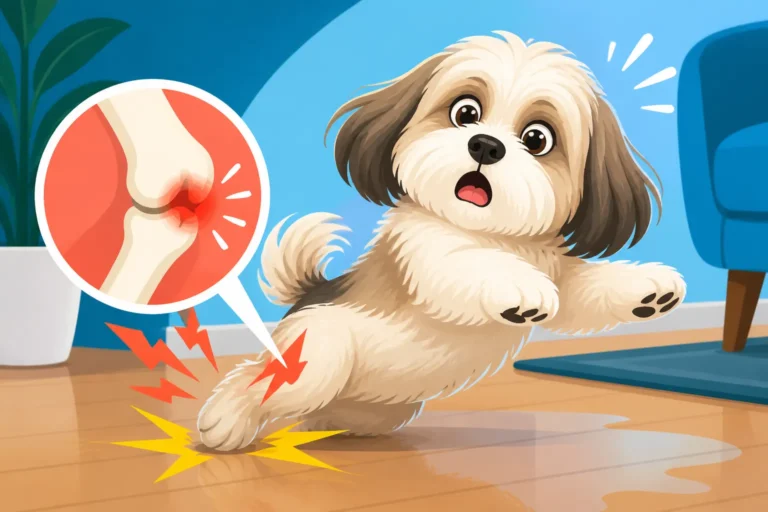
- Soft Surfaces and Traction: Hardwood or tile floors can be challenging and even dangerous for a puppy with compromised leg structure, as they provide little traction and can exacerbate slipping or splaying. Consider placing rugs, carpet runners, or yoga mats in high-traffic areas to provide better grip.
- Ramps and Steps: Jumping on and off furniture, even low couches or beds, puts repetitive stress on joints. Providing small ramps or doggy steps can help your Havanese puppy access their favorite spots without the impact. This is particularly important for preventing further injury and managing conditions like luxating patellas, which can sometimes accompany or worsen existing leg issues.
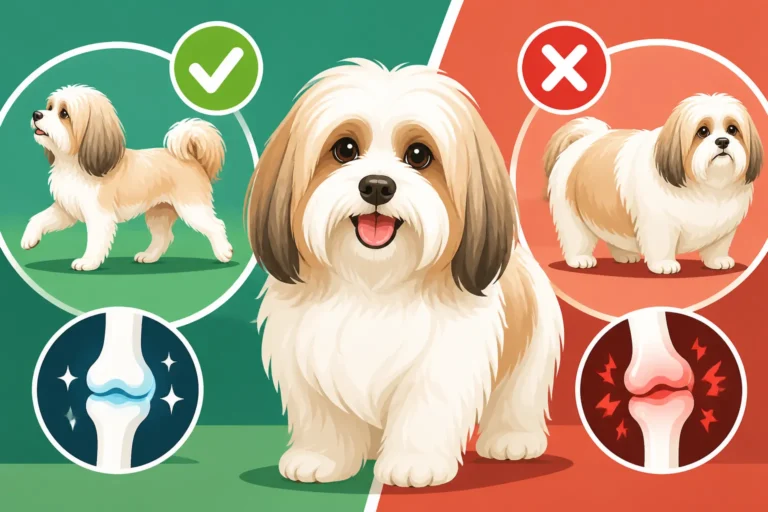
- Weight Management: Keeping your Havanese puppy at a lean, healthy weight is paramount. Excess weight puts additional strain on bowed or malformed joints, accelerating wear and tear and increasing discomfort. Work with your vet to establish a precise feeding plan that supports healthy growth without promoting obesity.
- Controlled Exercise: While activity is essential, it needs to be controlled. Avoid high-impact activities like aggressive fetch, excessive jumping, or long runs on hard surfaces. Instead, focus on short, frequent walks on soft ground, gentle play sessions, and mental enrichment activities that don't involve strenuous physical exertion. Swimming can be an excellent low-impact exercise for strengthening muscles without joint stress, if your Havanese enjoys it.
- Comfortable Bedding: Provide orthopedic bedding or soft, supportive beds that cushion their joints and offer adequate support when they're resting.
These adjustments, though seemingly small, contribute significantly to your puppy's daily comfort and long-term joint health.
Long-Term Outlook and Quality of Life
The long-term outlook for a Havanese puppy with bowed legs varies greatly depending on the cause, severity, and success of treatment.
- Genetic Conditions: For puppies with mild Chondrodysplasia, with careful management and environmental modifications, they might experience few long-term issues. However, more severe cases, or those with significant bowing, might face an increased risk of secondary problems like arthritis, chronic pain, or difficulty moving as they age. Early intervention, including potential surgery, can dramatically improve their prognosis and quality of life. The ability of a chondrodysplastic Havanese to walk normally largely depends on the degree of the condition and how well it is managed.
- Nutritional or Injury-Related Bowing: If the bowing was due to a correctable nutritional deficiency or a localized injury that has been successfully treated (e.g., surgical correction of a growth plate fracture), the long-term outlook can be very good, with many puppies going on to live normal, active lives. Early and appropriate intervention is crucial here.
Regardless of the cause, regular veterinary check-ups will be a lifelong necessity. Your vet will monitor for signs of arthritis, pain progression, or any new orthopedic issues. It's a journey, and you'll become an expert in advocating for your Havanese's comfort and well-being. Many dogs with well-managed conditions live long, joyful lives, even if they have a slightly unique gait.
The Importance of Regular Vet Check-ups and Insurance
When dealing with a Havanese puppy diagnosed with bowed legs, regular veterinary check-ups aren't just recommended; they are absolutely vital. These ongoing appointments allow your vet to monitor your puppy's growth and development, assess the effectiveness of any treatments, and catch potential secondary issues like early onset arthritis before they become debilitating.
| Aspect | Typical Puppy Legs | Bowed Puppy Legs (Varus Deformity) |
|---|---|---|
| Appearance (Front) | Straight alignment from shoulder to paw | Curved outwards, often from elbow or wrist |
| Gait/Movement | Light, springy, coordinated, eager to play | Stiff, awkward, limping, reluctant to play |
| Stance (Resting) | Weight evenly distributed, paws pointing forward | Legs angled, paws possibly splaying |
| Comfort Level | No signs of pain or discomfort | Whining, yelping, licking/chewing affected limb |
| Symmetry | Generally symmetrical limb development | May be asymmetrical, one leg more affected |
Beyond routine checks, having a plan for unexpected or ongoing medical expenses is incredibly important. Orthopedic issues, especially those requiring specialized diagnostics or surgery, can be costly. This is where pet insurance can be a true lifesaver. Companies like Healthy Paws offer various plans that can help mitigate the financial burden of chronic conditions or emergency treatments. Exploring options like insuring a Havanese against knees and heart, among other common ailments, is a proactive step that can provide immense peace of mind. It allows you to focus on getting your beloved Havanese the best possible care without having to make difficult decisions based solely on your budget. Remember, prevention and early intervention are always the best strategies, and being financially prepared for potential health challenges is a huge part of being a responsible pet parent.
Disclaimer
The information provided in this article is intended for general informational purposes only and does not constitute veterinary medical advice. Always consult with a qualified veterinarian for any health concerns or before making any decisions about your Havanese puppy's care.