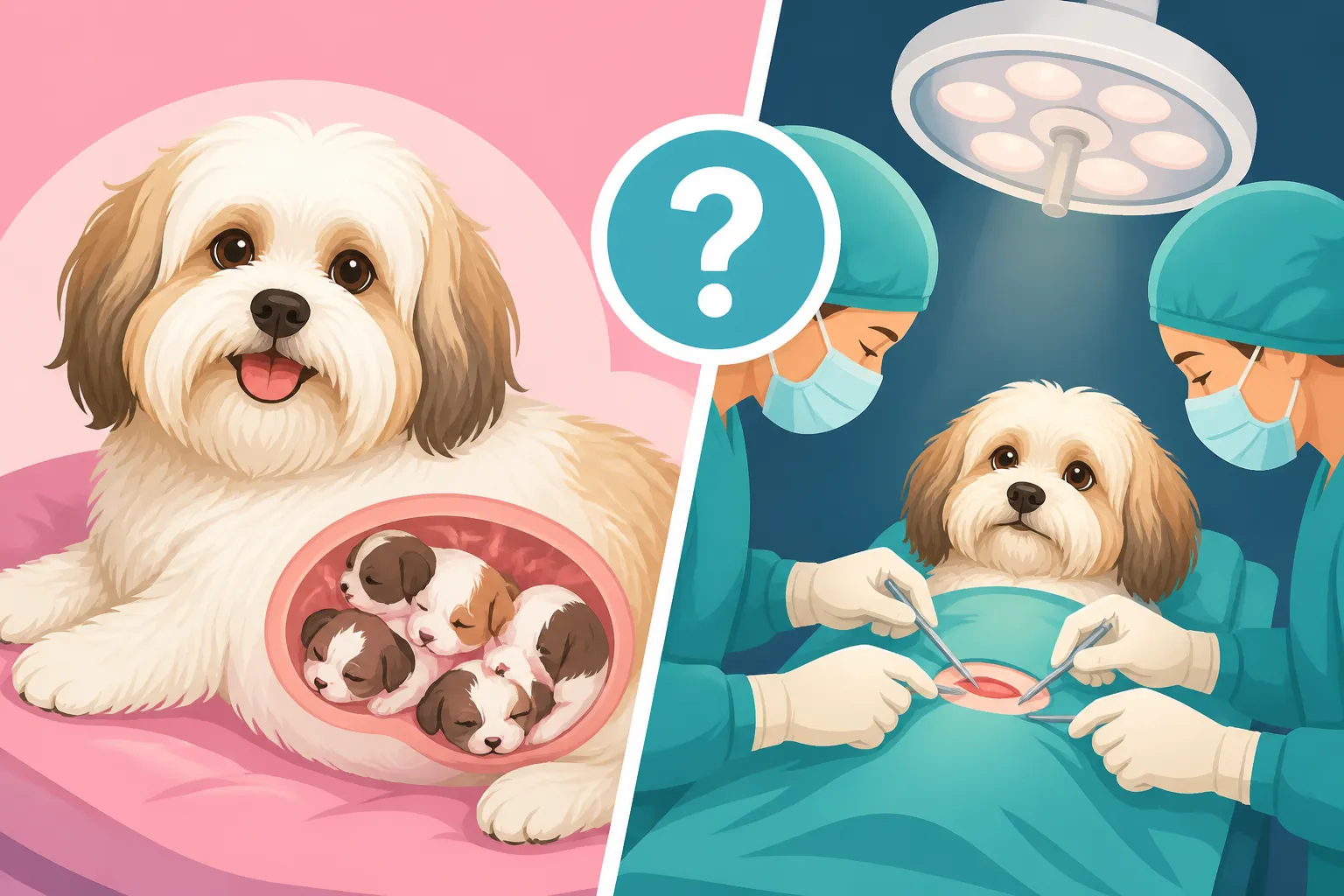
Whether a Havanese Litter Needs a Cesarean
The anticipation of a Havanese litter is usually filled with so much joy and excitement, but for any breeder or owner, there's always that underlying current of anxiety about whether the mama dog will have a smooth delivery. One of the biggest fears is often the need for a Cesarean section, a surgical procedure that, while life-saving, can be daunting. This guide is here to walk you through the realities of Havanese births, explain when and why a C-section might be necessary, and help you feel more prepared for whatever comes your way.
The Delicate Balance of Havanese Pregnancy and Birth
Bringing new life into the world is a miraculous process, but it's rarely a straight path, especially for our beloved Havanese. Understanding what a normal birth looks like, and the specific challenges that can arise with small breeds, is the first step toward being a prepared and supportive owner. It’s a delicate balance, and knowing the nuances can make all the difference.
What Normal Havanese Labor Looks Like
A typical Havanese pregnancy lasts around 63 days, though it can vary slightly. As the big day approaches, you’ll start to notice some changes. About 24 hours before labor truly begins, many Havanese mothers will experience a drop in their body temperature, often falling to around 98-99 degrees Fahrenheit from their normal 100-102.5. This is your cue that things are likely to start soon, and it's a good time to ensure your whelping box is ready and quiet.
Labor itself is usually divided into three stages. The first stage can be quite subtle and might last 6 to 12 hours, sometimes even longer for first-time mothers. During this time, your Havanese might become restless, pant, nest furiously, or seek out quiet, secluded spots. She might refuse food, vomit, or have clear vaginal discharge. This stage involves uterine contractions, though you won't see them externally, as the cervix begins to dilate. She's working hard behind the scenes, getting ready.
Stage two is when the actual pushing and delivery of puppies occur. You'll start to see visible contractions, and your Havanese will bear down. The first puppy usually arrives within an hour of strong pushing. After that, puppies typically come every 30 to 60 minutes, though it's not uncommon for a mother to rest for up to two hours between puppies. Each puppy is born encased in its own placental sac, which the mother usually breaks open and cleans off. She'll also sever the umbilical cord and eat the placenta, which is a natural behavior. This process repeats until the entire litter has arrived. Stage three is the delivery of the placentas, which usually happens shortly after each puppy, but sometimes a few placentas might come out together at the end. It's important to try and keep track of the number of placentas to ensure none are retained, as this can lead to complications later. A healthy Havanese litter usually consists of 2-4 puppies, but it can vary.
The Unique Birthing Challenges of Toy Breeds
While the general process is the same for all dogs, toy breeds like the Havanese do face some distinct challenges that can make natural birthing a bit trickier. One common issue is uterine inertia, where the uterus simply doesn't contract effectively enough to push the puppies out. This can be primary, meaning labor doesn't even really start, or secondary, where the mother becomes exhausted from prolonged labor. Small breeds are often more prone to this because their uteruses can sometimes be less robust or they may experience electrolyte imbalances more quickly.
Another factor is the relative size of the puppies. Even in small breeds, puppies can vary in size. If a puppy is particularly large, or positioned awkwardly, it can get stuck in the birth canal. This is known as dystocia, and it's a serious complication that almost always requires veterinary intervention. While Havanese puppies are small, their heads can still be proportionally large relative to the mother's pelvic opening. Sometimes, a smaller litter can even increase the risk, as individual puppies might grow larger than they would in a larger litter where resources are more divided. It's a cruel irony that fewer puppies don't always mean an easier birth.
Early Warning Signs That Something Might Be Off
Being vigilant is key to ensuring the well-being of your Havanese mother and her puppies. It’s easy to second-guess yourself, especially if you’re a first-time breeder, but trusting your gut and knowing these red flags can save lives. Keep a close eye on your dog as her due date approaches and during labor.
One of the most obvious signs of trouble is prolonged straining without the delivery of a puppy. If your Havanese has been having strong, visible contractions for 30 minutes to an hour without producing a puppy, it's a definite cause for concern. Similarly, if there's been more than two to three hours between puppies, and you know there are more to come (perhaps from a pre-labor X-ray), that's also a red flag. A quick check with your veterinarian is essential in these scenarios.
Other worrying signs include dark green or black discharge before the first puppy is born. This indicates placental separation, meaning a puppy is in distress. Red, bloody discharge that's more than just spotting, or a foul-smelling discharge, also warrants immediate veterinary attention. Excessive pain, constant crying, extreme lethargy, or if the mother seems to be giving up on pushing are all serious indicators of a problem. Remember, her instincts are usually strong, but sometimes her body simply can’t do it alone. Preparing for these possibilities is part of responsible breeding, and having a plan, including vet contacts and a transport method, is crucial. You might also find some helpful tips in The First Year With a Havanese Puppy for general preparedness for a new litter.
Understanding When a Cesarean Becomes a Necessity
It’s every Havanese owner’s hope for a completely natural and smooth birth, but sometimes, a Cesarean section becomes not just an option, but a life-saving necessity. Knowing the specific circumstances that lead to this surgical intervention can help you understand why your veterinarian might recommend it and remove some of the fear associated with the procedure.
Dystocia: The Most Common Reason for C-sections
Dystocia is the medical term for difficult or abnormal labor, and it is by far the most common reason a Havanese might need a C-section. It essentially means that the natural birthing process isn't progressing as it should, putting both the mother and the puppies at risk.
There are a few ways dystocia can manifest. As mentioned earlier, uterine inertia is a big one for small breeds. This is when the uterus simply isn't contracting with enough force or frequency to expel the puppies. It can be primary, meaning labor never really gets going, even after the temperature drop and nesting behaviors. Imagine your dog having mild contractions for hours, becoming increasingly distressed, but no puppy appears. This is a critical situation, as prolonged first-stage labor without progress can lead to exhaustion for the mother and distress for the puppies. Secondary uterine inertia occurs when the mother has delivered some puppies but then stops, often due to sheer exhaustion. She might have pushed valiantly for several hours, delivered one or two, and then just can't muster the strength for the rest. Giving her a break and some light stimulation (like a short walk) might help sometimes, but if she doesn't resume within a reasonable timeframe (typically two hours), it's C-section time.
Another form of dystocia is caused by obstruction in the birth canal. This could be due to a puppy that is too large to pass through the pelvis, or a puppy that is positioned incorrectly (breech, sideways, or with a limb stuck). Sometimes, a malformed puppy can also cause an obstruction. Your vet might be able to manually check for an obstruction, but often, an X-ray is needed to determine the puppy's size and position relative to the birth canal. It’s a race against time, as every minute a puppy is stuck, its oxygen supply diminishes.
Fetal or Maternal Complications Leading to Surgery
Beyond the issues with labor progression, specific problems with the puppies themselves or the mother’s health can make a C-section the safest, or only, option.
For the puppies, signs of fetal distress are paramount. If your vet monitors the puppies' heart rates (which they can often do with an ultrasound during a challenging labor), and they see a significant drop, it indicates that the puppies are struggling and need to be delivered immediately. Passing dark green or black fluid before the first puppy is born is another clear sign of fetal distress, as it suggests the placenta has detached prematurely, cutting off oxygen and nutrients. Imaging, like X-rays, is invaluable here, not just for counting puppies but for assessing their size and viability. If you know you have a very large puppy, or a single puppy (which often grow larger due to having all the uterine space to themselves), a C-section might be considered proactively.
The mother's health is equally important. If she develops eclampsia, a serious condition caused by a dangerous drop in blood calcium levels during or after labor, she might start seizing, become disoriented, or exhibit tremors. This is an emergency that often necessitates a C-section to relieve the stress on her system and quickly deliver the puppies. Other maternal complications like severe exhaustion, an inability to push due to injury, or even a pre-existing heart condition (you can read more about The Heart Murmur an Older Havanese Develops) might make a C-section less risky than a prolonged natural birth. The goal is always the survival and health of both the mother and her precious Havanese puppies.
When a Planned Cesarean Might Be the Safest Option
While most C-sections are performed as emergencies, there are situations where a planned, elective Cesarean is actually the safest course of action. This isn't about convenience; it's about minimizing risk based on known factors.
One common scenario for a planned C-section is if the mother has a history of difficult births or previous C-sections. If she struggled significantly with her last litter due to uterine inertia or an anatomically small pelvis, her vet might advise a planned C-section for subsequent pregnancies. It removes the stress and danger of another prolonged, unsuccessful labor.
Another strong indicator is if pre-labor imaging reveals concerning issues. A thorough X-ray taken close to the due date (usually around day 58-60) can tell the vet exactly how many puppies there are and give a good estimate of their size relative to the mother’s birth canal. If the puppies appear exceptionally large, or if there's only one very large puppy (a common cause of dystocia), a planned C-section might be scheduled. This allows the veterinary team to be fully prepared, reducing emergency stress and improving outcomes for everyone. You might want to consider Whether a Havanese Breeder Should X Ray for It to prepare for birth complications.
Certain health conditions in the mother might also warrant a planned C-section. For instance, if she has a known clotting disorder, severe respiratory issues, or other conditions that would make prolonged labor dangerous, a controlled surgical environment is often preferable. Breeders who prioritize the health and well-being of their Havanese mothers and puppies will discuss these possibilities thoroughly with their veterinarian well in advance of the due date, ensuring that all options are considered and the best plan is put in place. This level of foresight can be invaluable, especially when looking at the overall The Health Tests Both Havanese Parents Should Have.
The Cesarean Procedure and Post-Operative Care for Your Havanese
Understanding what happens during a C-section and how to care for your Havanese and her new puppies afterward can help demystify the process and reduce your anxiety. It’s a busy and emotional time, but knowing what to expect allows you to be a more effective support system.
What to Expect During the Surgical Delivery
When your Havanese arrives at the veterinary clinic for a C-section, whether it's an emergency or planned, the team will spring into action. They'll quickly assess her overall health, checking vital signs, and getting her ready for surgery. This usually involves placing an IV catheter to administer fluids and medications, and shaving her abdomen.
The actual surgery begins with the administration of anesthesia. This is a critical step, as the goal is to keep the mother safe and comfortable while also ensuring the puppies are not overly sedated. Veterinary anesthesiologists and technicians are highly skilled at balancing this. You might be concerned about anesthesia risks with a small Havanese; you can learn more about Whether Anesthesia Is Riskier on a Small Havanese. Once she's safely under, the surgeon will make an incision in her abdomen and uterus to gently remove the puppies. Each puppy is usually passed quickly to a dedicated team member who immediately begins resuscitation efforts. This involves clearing airways, stimulating breathing, and sometimes administering a reversal agent for any anesthetic effects. It's a flurry of controlled activity, with everyone working together to get those precious Havanese puppies breathing and warmed.
After all puppies are delivered, the surgeon will meticulously close the uterus and then the abdominal layers. Throughout the procedure, the veterinary team continuously monitors the mother's vital signs, making sure she's stable. Once the surgery is complete, she'll be moved to a recovery area where she can be closely watched as the anesthesia wears off.
Caring for Mom and Puppies Immediately After Surgery
The first few hours after a C-section are crucial for both the mother and her new Havanese puppies. The veterinary team will typically bring the mother and puppies together as soon as she is awake enough to safely interact and nurse. This is an incredible moment, as her maternal instincts usually kick in quickly.
The puppies need to nurse as soon as possible to receive colostrum, the mother’s first milk, which is packed with antibodies vital for their immune system. The vet tech will often help guide the puppies to a nipple, ensuring they latch on effectively. The mother might still be a bit groggy, but seeing and feeling her puppies often helps her focus and stimulates milk production. You’ll need to make sure the puppies are kept warm, as they cannot regulate their own body temperature. Whelping boxes with heating pads (set to low and covered) or incubators are essential. Many Havanese breeders use a soft blanket from a brand like Chewy and have it ready for this purpose.
For the mother, pain management is paramount. She will be on pain medication to ensure she's comfortable and can focus on her puppies. You’ll also need to monitor her incision site for any signs of swelling, redness, or discharge, and ensure she doesn't lick or chew at her stitches. An Elizabethan collar (cone) might be necessary to prevent her from interfering with the wound. Keeping her stress levels low is also very important, as stress can sometimes inhibit milk production or her maternal behaviors. A quiet, warm, secure space where she can bond with her litter without disturbance is ideal.
Long-Term Recovery and Potential Post-Op Issues
Once you're home, the recovery process continues. The mother’s incision needs diligent care for the next 10-14 days. This usually means keeping it clean and dry, checking it daily for any signs of infection (like excessive redness, swelling, heat, or pus), and ensuring she doesn't bother it. Your vet will give you specific instructions for wound care and when to return for suture removal, if necessary.
You'll also need to keep a close eye on her general health. Monitor her appetite, thirst, and energy levels. While she’ll be tired, she should gradually regain her strength. Watch for signs of fever, excessive panting, or any indications of discomfort. Post-operative complications can include infection at the incision site, retained placentas (though less likely with a C-section, it can still happen if fragments are missed), or issues with milk production (mastitis). If you notice any mammary glands that are red, hot, swollen, or painful, contact your vet immediately.
For the puppies, continue to monitor their weight gain, activity levels, and nursing behavior. Puppies should be steadily gaining weight each day. If a puppy isn't nursing well or seems lethargic, it could be a sign of trouble, such as low blood sugar (hypoglycemia) or an underlying health issue like a liver shunt. You can read more about The Liver Shunt a Havanese Puppy Shows Before Six Months to understand potential concerns in puppies. Sometimes, supplemental feeding with puppy formula may be necessary if the mother isn't producing enough milk or isn't able to care for all her puppies. Brands like Chewy often carry a variety of puppy-specific nutritional support options. This is a demanding time, but with careful observation and prompt veterinary care, most Havanese mothers and their litters recover wonderfully.
Proactive Steps for a Healthier Havanese Pregnancy and Delivery
While you can’t control every aspect of a Havanese pregnancy and birth, you can certainly take proactive steps to significantly increase the chances of a smooth delivery and healthy puppies. Responsible breeding and ownership are all about preparation and prevention.
Essential Health Screening Before Breeding
One of the most crucial steps to ensure a healthy pregnancy and minimize birthing complications is thorough health screening of both prospective Havanese parents before breeding. This isn’t just about making sure they’re generally healthy; it’s about identifying any genetic predispositions or structural issues that could impact pregnancy or the health of the offspring.
Reputable Havanese breeders will undertake a battery of health tests, often recommended by national breed clubs. These commonly include screenings for patellar luxation (slipping kneecaps), cardiac issues (to rule out heart murmurs that could worsen with pregnancy stress), and eye diseases (like cataracts and progressive retinal atrophy). For example, if a female Havanese has severe patellar luxation, the strain of carrying a litter could exacerbate her condition, or it might be passed to the puppies. You can dive deeper into these issues in articles such as The Kneecaps a Havanese Slips or The Eye Diseases a Havanese Inherits. Blood tests to check overall organ function, especially liver and kidney health, are also important to ensure the mother can handle the physiological demands of pregnancy. Genetic tests for conditions prevalent in the Havanese breed also provide invaluable insight. All this information allows you to make informed decisions and potentially avoid pairing dogs that might produce unhealthy puppies or pose undue risk to the mother. If you are ever unsure about what testing is appropriate, always consult with your veterinarian. You should also verify The Health Tests Both Havanese Parents Should Have before committing to a breeding pair.
Nutritional Support and Monitoring During Gestation
A pregnant Havanese needs proper nutrition to support her own health and the development of her puppies. This isn't the time for a diet; it's the time for high-quality, easily digestible food. During the first few weeks of pregnancy, her caloric needs won't change much, but from week five onward, as the puppies grow rapidly, her energy requirements will increase significantly.
Transition her to a high-quality puppy food, or a food specifically formulated for pregnant and lactating dogs. These foods are calorie-dense and have the right balance of protein, fats, and essential nutrients. Avoid overfeeding, as excessive weight gain can actually make labor more difficult, but ensure she’s getting enough to support her growing litter. Splitting her daily food intake into smaller, more frequent meals can also help with digestion and prevent her stomach from becoming too full, which can happen as the uterus expands. Products from reputable brands, like Chewy, offer a range of specialized foods that can be beneficial. Some owners even consider fresh food options, which might be provided by companies like Ollie, to ensure optimal nutrient absorption, but always discuss any dietary changes with your vet.
Regular veterinary check-ups throughout her pregnancy are also vital. Your vet can monitor her weight, ensure she’s receiving adequate nutrition, and check for any potential health issues. Around day 45-50 of gestation, an X-ray is often recommended to count the number of puppies. This count is incredibly useful because it helps you know when labor is truly finished, preventing unnecessary panic about potential retained puppies, or conversely, alerting you if she stops pushing with more puppies still inside. It also gives an idea of puppy size, which can flag potential dystocia early.
Financial Planning for Unexpected Veterinary Expenses
Let's be realistic: breeding is expensive, and pregnancy, even a healthy one, can come with unexpected costs. A Cesarean section, whether planned or emergency, is a significant veterinary expense, often involving emergency fees, surgery costs, anesthesia, medication, and post-operative care for both mother and puppies. It’s not something you want to be caught off guard by when you’re already stressed about your dog.
One of the best ways to prepare financially is to set aside a dedicated fund for potential complications. Think of it as an emergency savings account specifically for this pregnancy. You might also want to explore pet insurance options well before your Havanese becomes pregnant. While most pet insurance policies won't cover pre-existing conditions or routine breeding expenses, some plans might cover emergency C-sections if the pregnancy was not pre-existing at the time the policy began, and the issue arises unexpectedly. Brands like Healthy Paws offer various pet insurance plans, and it's worth investigating their terms regarding breeding complications. Understanding what a policy covers – and more importantly, what it doesn’t – is critical. You can learn more about general financial considerations in Setting Money Aside for a Havanese's Vet Bills.
Beyond the C-section itself, remember that rearing a litter, especially a difficult one, can involve other costs: puppy milk replacer, emergency vet visits for sick puppies (you can learn more about Whether a Havanese Puppy With a Shunt Is Small), heating pads, medications, and more. Being financially prepared means you can make decisions based on what’s best for your Havanese and her litter, rather than being constrained by cost. It’s an investment in their health and your peace of mind.
| Factor | Normal Havanese Labor | Concerning Signs (Potential C-section Needed) |
|---|---|---|
| Pre-Labor Temp Drop | 24 hours before first puppy | No temp drop, or prolonged temperature below 98F |
| Stage 1 (Nesting) | Restless, nesting, panting, clear discharge (6-12 hrs) | Lethargy, extreme pain, no nesting behavior, foul discharge |
| Visible Contractions | Strong, regular pushing | Weak, infrequent, or absent contractions (uterine inertia) |
| Time to First Puppy | Within 1 hour of active pushing | >1 hour of strong pushing with no puppy |
| Time Between Puppies | 30-60 minutes (up to 2 hours if resting) | >2-3 hours between puppies, knowing more are inside |
| Vaginal Discharge | Clear to reddish-brown after puppies | Dark green/black discharge before first puppy; foul smell; excessive fresh blood |
| Mother's Behavior | Attentive, cleans puppies, nurses | Exhausted, distressed, unresponsive, ignores puppies, seizures (eclampsia) |
| Puppy Presentation | Head or rear first, smooth passage | Puppy visibly stuck in birth canal; severe straining without progress |
Disclaimer
This article is for general informational purposes only and does not constitute professional advice. Laws, prices and regulations vary by location and change over time. Consult a qualified professional for guidance on your specific situation.