Whether a Havanese Puppy With a Shunt Is Small
It’s incredibly worrying when you bring home a tiny Havanese puppy, full of life and fluff, only to notice they’re not growing quite as expected, or perhaps seem unusually small compared to their littermates. This common concern often leads owners down a rabbit hole of possible health issues, and one of the more serious, yet often subtle, conditions that might cross your mind is a liver shunt. This guide will delve deep into how a liver shunt can affect a Havanese puppy's growth and what other signs you should be looking for.
Understanding Portosystemic Shunts in Havanese Puppies
Discovering your precious Havanese puppy might have a health issue like a liver shunt can be truly heartbreaking. It’s a condition that often catches owners off guard, especially because the symptoms can be vague or easily mistaken for other puppy ailments. But understanding what a liver shunt is and how it impacts your little one is the first step toward getting them the help they need.
What Exactly is a Liver Shunt?
Imagine your Havanese puppy's liver as the body's super-filter and processing plant. It takes all the nutrients absorbed from food, detoxifies waste products, and sends good stuff like proteins out into the bloodstream. A portosystemic shunt, often just called a liver shunt, is essentially a shortcut. Instead of all the blood from the intestines, pancreas, and spleen flowing through the liver to be processed, this abnormal blood vessel, or "shunt," bypasses the liver entirely. This means toxins that the liver should remove, like ammonia, go straight into the general circulation, affecting the brain and other organs. It also means the liver doesn't receive the full complement of nutrients it needs to grow and function properly. In many cases, these shunts are congenital, meaning the puppy is born with them. For a deeper dive, you can read more about What a Congenital Liver Shunt Does to a Havanese.
The Different Types of Shunts
While all shunts involve blood bypassing the liver, they aren't all created equal. There are two main categories: intrahepatic and extrahepatic.
- Intrahepatic Shunts: These shunts are located within the liver itself. They are more commonly seen in larger breeds, like Irish Wolfhounds or Golden Retrievers. They can be a bit trickier to treat surgically due to their location deep inside the liver tissue.
- Extrahepatic Shunts: These are the ones we typically see in smaller breeds, including our beloved Havanese. These abnormal vessels are outside the liver, connecting the portal vein (which normally carries blood to the liver) directly to the vena cava (which carries blood back to the heart), bypassing the liver entirely. Because they're external, extrahepatic shunts are often more amenable to surgical correction, which is a huge relief for many owners facing this diagnosis. Understanding the distinction is important, as it often guides the treatment plan.
Why Size Matters with Shunts
The liver's role in processing nutrients and growth factors is absolutely critical, especially for a rapidly developing puppy. When a significant portion of blood bypasses the liver, it's like trying to grow a garden without enough fertilizer – things just won't thrive. The liver itself might also remain underdeveloped or atrophied because it's not receiving the normal blood flow and nutritional signals it needs. This can create a domino effect, leading to a puppy that simply doesn't gain weight or grow at the same rate as its healthy littermates. It's not just about the numbers on the scale; it's about overall vitality and proper development of all organ systems.
The Connection Between a Liver Shunt and a Havanese Puppy's Size
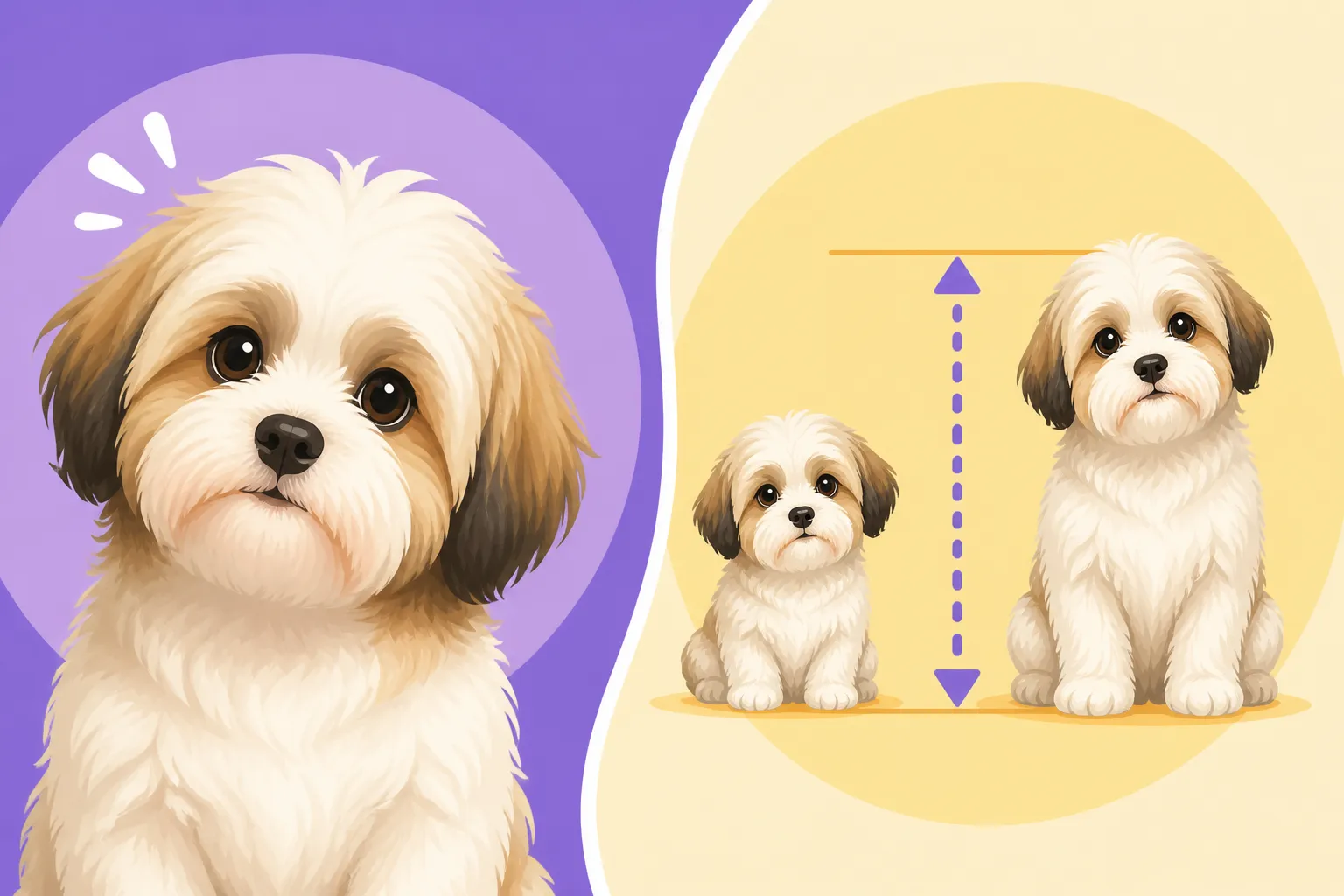
One of the first things many Havanese owners notice when something is amiss with their puppy's health is a deviation from the expected growth trajectory. It's natural to compare your puppy to breed standards, littermates, or even pictures of other Havanese puppies online. When your little one consistently lags in size, a liver shunt certainly needs to be on your radar.
Why a Shunt Can Stunt Growth
The primary reason a Havanese puppy with a liver shunt might be small or fail to thrive comes down to how their body processes — or rather, fails to process — nutrients. When blood bypasses the liver through a shunt, several crucial functions are impaired:
- Nutrient Diversion: The liver is meant to metabolize and store nutrients from food, making them available for growth and energy throughout the body. When blood flows directly from the digestive tract into the systemic circulation, these essential building blocks for growth aren't properly processed by the liver. They might pass through the body inefficiently or not be utilized effectively.
- Toxin Buildup: As mentioned, the liver filters toxins like ammonia. Without this critical detoxification step, these toxins accumulate in the bloodstream. A body fighting off a constant toxic overload directs energy away from growth and towards damage control. Puppies will often feel unwell, lethargic, and may have a poor appetite, all contributing to stunted growth. This impact on the body's internal chemistry is profound.
- Liver Underdevelopment: The liver itself relies on portal blood flow to develop correctly. With a shunt, the liver doesn't receive the necessary blood supply, which can lead to it being smaller than normal or even atrophying over time. A smaller, less functional liver can't produce the proteins and growth factors needed for a puppy to reach its genetic potential in terms of size. This complex interplay of factors can explain Whether a Havanese Puppy With a Shunt Is Small.
Other Signs Beyond Small Size
While being unusually small for its age is a significant red flag, it's rarely the only symptom you'll see in a Havanese puppy with a liver shunt. The toxic buildup affecting the brain and nervous system often manifests as neurological and gastrointestinal signs. It's crucial to look at the whole picture. Some common signs include:
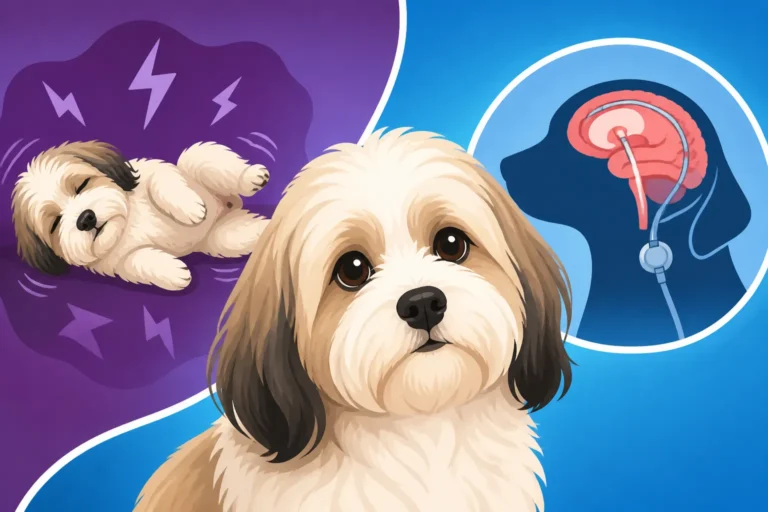
- Neurological Symptoms: These are often the most striking. You might observe a disoriented or confused puppy, circling, head-pressing against walls or furniture (Whether a Havanese Circles or Presses Its Head), seizures (Whether a Havanese Seizures From a Shunt), or a dull, listless demeanor, especially after eating a protein-rich meal. They might seem to "zone out" or have an unsteady gait.
- Gastrointestinal Issues: Poor appetite, vomiting, and diarrhea are frequent. Sometimes, the puppy will seem unusually thirsty or urinate more often.
- Urinary Problems: Increased urination or even bladder stones (due to altered urine composition from the shunt) can occur.
- Behavioral Changes: Lethargy, lack of energy, or an overall "failure to thrive" where the puppy just seems unwell and disinterested in play.
- Jaundice: In rare, severe cases, you might notice a yellowish tinge to the gums or whites of the eyes, though this is less common with shunts than other liver diseases.
These signs, especially in combination with a smaller-than-average size, should prompt an immediate visit to your veterinarian. You can learn more about The Signs a Havanese Puppy Has a Shunt for a comprehensive list.
Not Every Small Havanese Has a Shunt
It's vital to remember that a smaller-than-average Havanese puppy doesn't automatically mean they have a liver shunt. There are many reasons a puppy might be small for its age:
- Runts of the Litter: In any litter, there's often a "runt" who is naturally smaller. This isn't usually indicative of a health problem, just natural variation.
- Genetics: Some Havanese lines simply produce smaller dogs, or perhaps your puppy's parents were on the smaller side of the breed standard.
- Nutritional Deficiencies: Inadequate nutrition, especially during critical growth periods, can stunt a puppy's development. This could be due to competition for milk in a large litter, poor quality puppy food, or issues with absorption.
- Parasites: Intestinal parasites are notorious for stealing nutrients and making puppies fail to thrive, despite eating well. A simple deworming can often resolve this.
- Other Medical Conditions: Various other health problems, from severe dental crowding to heart issues, can impact a puppy's overall growth. Even something like Dental Crowding in a Havanese Mouth could cause discomfort that impacts eating.
- Hypoglycemia: Small breed puppies, especially very young ones, can be prone to low blood sugar (Whether a Havanese Puppy Drops Its Blood Sugar), which can affect their energy and development if not managed.
This is why a thorough veterinary examination is crucial. Your vet will conduct a full physical, ask about diet, and discuss the specific symptoms your Havanese puppy is exhibiting before narrowing down the possibilities.
Diagnosing and Managing a Shunt in Your Havanese Puppy
Getting a diagnosis of a liver shunt can feel overwhelming, but modern veterinary medicine offers sophisticated ways to identify and often treat this condition. The key is early detection and a clear understanding of the steps involved.
Early Warning Signs to Watch For
As Havanese parents, we’re often the first to notice subtle changes in our pups. Keep a keen eye out for any of these early warning signs that might suggest a liver shunt:
- Failure to Grow: This is often the most consistent sign. Your puppy might seem smaller and thinner than littermates or other Havanese of the same age. They might eat but simply not gain weight.
- Poor Coat Quality: A dull, dry, or sparse coat can sometimes be an indicator, as the liver also plays a role in skin and coat health.
- Lethargy and Weakness: A puppy that is unusually tired, less playful, or seems generally weak. They might seem fine one moment and then crash.
- Gastrointestinal Upset: Frequent vomiting, diarrhea, or a decreased appetite can be red flags. Some puppies might even seem to eat dirt or weird things.
- Neurological Oddities: This can range from mild disorientation or blank stares to more severe signs like head-pressing, circling, stumbling, or even seizures. These often worsen after meals, especially those high in protein.
- Increased Thirst and Urination: The kidneys work overtime to try and flush out toxins, leading to more frequent trips outside or unusual accidents indoors.
- Behavioral Changes: A puppy that is unusually withdrawn, easily agitated, or just "not quite right" in their personality could be suffering from hepatic encephalopathy, the neurological signs of liver disease.
If you observe any combination of these, don't hesitate to contact your vet. Early intervention is paramount for a better prognosis. You can find more comprehensive information on The Age a Havanese Shunt Shows Up.
The Diagnostic Process
Once your vet suspects a liver shunt, they'll usually recommend a series of tests to confirm the diagnosis and determine the shunt's location and severity.
- Blood Work: Initial blood tests might show elevated liver enzymes, low blood urea nitrogen (BUN), or low albumin. These are general indicators of liver stress but aren't specific to shunts.
- Bile Acid Test: This is the gold standard for screening. Your Havanese puppy will have two blood samples taken: one after a 12-hour fast, and another two hours after a small, fatty meal. The liver normally processes bile acids. If the post-meal bile acid levels are significantly elevated, it strongly suggests blood is bypassing the liver. This test is crucial for diagnosis and something you should ask about if a shunt is suspected (Whether a Bile Acid Test Belongs on a Havanese Puppy).
- Urinalysis: May reveal crystals or stones (ammonium urate) in the urine due to the altered metabolism.
- Imaging: If the bile acid test is abnormal, imaging is needed to visualize the shunt.
- Ultrasound: This non-invasive method is often the first imaging step. A skilled ultrasonographer can identify many shunts and help determine if they are intrahepatic or extrahepatic.
- CT Angiography: This advanced imaging technique provides incredibly detailed 3D images of the blood vessels, offering the most precise mapping of the shunt's location, size, and relationship to other structures. This information is invaluable for surgical planning.
Treatment Options and Prognosis
The good news is that liver shunts are often treatable, especially the extrahepatic type common in Havanese.
- Medical Management: For puppies who are not surgical candidates (due to age, severity of symptoms, or other health issues) or while awaiting surgery, medical management aims to reduce toxin buildup. This usually involves:
- Specialized Diet: A low-protein, highly digestible diet is crucial to reduce the production of ammonia and other toxins.
- Lactulose: This medication helps trap ammonia in the gut and promotes its excretion.
- Antibiotics: Oral antibiotics can reduce ammonia-producing bacteria in the intestines.
- Supplements: Liver support supplements may also be recommended.
- Surgical Repair: This is often the curative treatment, especially for extrahepatic shunts. The goal is to gradually close the shunt, redirecting blood flow back through the liver. This is typically done using:
- Ameroid Constrictors: These are devices placed around the shunt vessel. Over several weeks, the casing swells, slowly constricting and eventually closing the shunt. This gradual closure prevents a sudden overload of the liver.
- Ligation: In some cases, direct surgical ligation (tying off) of the shunt is performed.
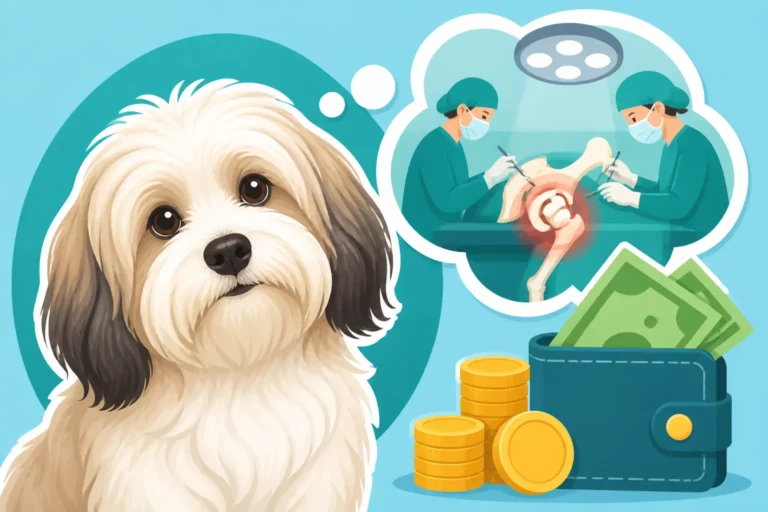
The prognosis with successful surgical correction can be excellent, with many puppies going on to live normal, healthy lives. However, surgery is complex and requires a specialist. It’s also important to consider Whether a Havanese Shunt Can Be Repaired and the potential What Shunt Surgery Costs a Havanese Owner.
Living with a Havanese Puppy Diagnosed with a Shunt
A diagnosis of a liver shunt in your Havanese puppy brings with it a whole new set of responsibilities and adjustments. It’s a journey that requires dedication, careful management, and close collaboration with your veterinary team. But with the right approach, many Havanese thrive, living full and happy lives.
Dietary Management
Diet plays an absolutely pivotal role in managing a liver shunt, especially if your Havanese puppy is awaiting surgery or on long-term medical management. The goal is to reduce the workload on the liver and minimize the production of toxins like ammonia.
- Low-Protein, High-Quality Diet: This is the cornerstone. You'll need a prescription veterinary diet specifically formulated for liver disease. These diets provide highly digestible protein in carefully controlled amounts, ensuring your puppy still gets essential amino acids for growth and tissue repair without overloading the system with protein that converts to ammonia. Brands like Hill's Prescription Diet l/d, Royal Canin Hepatic, or Purina Pro Plan Veterinary Diets Hepatic are often prescribed. For a deeper understanding of how diet can help, refer to Whether Diet Alone Manages a Havanese's Shunt.
- Avoid High-Protein Treats: No table scraps or high-protein dog treats, no matter how much those big Havanese eyes plead! Stick strictly to vet-approved treats, often small pieces of vegetables or low-protein kibble.
- Small, Frequent Meals: Instead of one or two large meals, feeding smaller portions more frequently throughout the day can help prevent large spikes in ammonia levels after eating.
- Fresh Water Access: Always ensure your puppy has access to fresh, clean water.
Adhering to this diet is critical for your puppy's well-being and can dramatically reduce the severity of their clinical signs.
Ongoing Care and Monitoring
Even after surgery, or if your Havanese puppy is solely managed medically, ongoing care is essential. This isn't a "one-and-done" situation; it's a marathon, not a sprint.
- Regular Veterinary Check-ups: Your vet will want to see your puppy frequently for follow-up appointments, blood work (especially bile acid tests and ammonia levels), and urinalysis to monitor their progress and adjust medications if needed.
- Medication Adherence: If prescribed, medications like lactulose (to reduce ammonia absorption) and antibiotics (to control gut bacteria) must be given consistently as directed.
- Watch for Recurrence of Symptoms: Even after successful surgery, some puppies might develop new, smaller shunts over time, or the primary shunt might not close completely. Stay vigilant for any return of neurological signs, lethargy, or gastrointestinal upset.
- Preventing Dehydration: Keep an eye on water intake, especially if your puppy is experiencing vomiting or diarrhea. Dehydration can exacerbate shunt symptoms.
- Enrichment and Gentle Exercise: While you need to be mindful of your puppy's energy levels, don't forget they're still a puppy. Provide mental stimulation with puzzle toys and gentle, supervised play. Too much strenuous activity might not be suitable, especially during recovery or if they're particularly lethargic. You want them to have as normal a life as possible, but within their physical limits. The goal is always to see if Whether a Havanese Lives Normally After Shunt Surgery.
Financial Considerations and Pet Insurance
Let's be real: managing a complex health condition like a liver shunt in a Havanese puppy isn't just emotionally taxing; it can also be financially demanding.
- Diagnostic Costs: The bile acid tests, ultrasounds, and especially a CT angiography can add up quickly.
- Surgical Costs: Shunt surgery is specialized and performed by board-certified veterinary surgeons, which means significant costs. Estimates can range from several thousand dollars to well over ten thousand, depending on your location, the complexity of the shunt, and any post-operative complications.
- Long-term Medication and Prescription Food: Medical management, whether temporary or lifelong, involves ongoing expenses for special food and medications.
- Follow-up Care: Regular vet visits, blood tests, and potential repeat imaging are all part of the journey.
This is where pet insurance can be a true lifesaver. Many owners realize too late that they wish they had insurance coverage before a major diagnosis. Companies like Healthy Paws offer comprehensive plans that can cover a significant portion of diagnostic tests, surgery, medications, and even specialized diets (though check policy specifics, as some diets might be limited). Having a good pet insurance policy can alleviate a huge amount of financial stress, allowing you to focus on your Havanese puppy's recovery and well-being. Thinking about pet insurance proactively with a provider like Healthy Paws is one of the smartest decisions a new Havanese owner can make. In fact, if you're wondering What Shunt Surgery Costs a Havanese Owner, insurance can make a world of difference.
Summary of Liver Shunt Management for Havanese Puppies
| Aspect | Key Actions | Considerations |
|---|---|---|
| Diagnosis | Vet exam, blood tests (bile acids), urinalysis, ultrasound, CT angiography. | Early detection is crucial. Bile acid test is a primary screening tool. CT angiography provides surgical planning detail. |
| Dietary Management | Prescription low-protein, highly digestible diet. Small, frequent meals. Avoid high-protein treats/scraps. | Essential for reducing toxin buildup. Long-term commitment. |
| Medical Management | Lactulose, antibiotics, liver support supplements. | Reduces neurological symptoms. Often used pre-surgery or for non-surgical candidates. |
| Surgical Repair | Extrahepatic shunts (common in Havanese) often corrected with Ameroid constrictors or ligation. | Performed by a specialist. Excellent prognosis with successful surgery. Requires careful post-op monitoring. |
| Ongoing Monitoring | Regular vet check-ups, follow-up blood work (bile acids, ammonia), urinalysis. | Critical for assessing treatment effectiveness and detecting complications or recurrence. |
| Financial Planning | Consider pet insurance (e.g., Healthy Paws) before diagnosis. Budget for diagnostics, surgery, and long-term care. | Costs can be substantial. Insurance can cover a large portion of expenses, providing peace of mind. |
A liver shunt is a serious condition, but with modern veterinary care, early diagnosis, and dedicated home management, your small Havanese puppy can still grow into a wonderful companion. Your commitment to their care will make all the difference.
Disclaimer
The information provided in this article is for general informational purposes only and is not a substitute for professional veterinary advice. Always consult with a qualified veterinarian for any health concerns or before making any decisions related to your Havanese puppy's health or treatment.