Whether a Havanese Gets Sebaceous Adenitis
It's incredibly frustrating and heartbreaking when you notice changes in your beloved Havanese's beautiful coat or skin. One moment they're a fluffy, vibrant companion, and the next, you're seeing dryness, scales, or even thinning hair, and your mind races with all sorts of scary possibilities. Finding clear, reliable information about specific conditions like Sebaceous Adenitis in Havanese can be tough, leaving you feeling anxious and unsure of what to do. This guide aims to demystify Sebaceous Adenitis, helping you understand what it is, how to spot it, and how to manage it, so you can advocate effectively for your furry family member.
Understanding Sebaceous Adenitis in Havanese
When we talk about skin conditions in our Havanese, it often feels like we're navigating a labyrinth. There are so many potential issues, from allergies to environmental irritants, that it can be overwhelming. Sebaceous Adenitis (SA) is one of those conditions that, while less common than some other skin troubles, carries a particular weight because of its autoimmune nature and genetic link in certain breeds, including our sweet Havanese.
What is Sebaceous Adenitis?
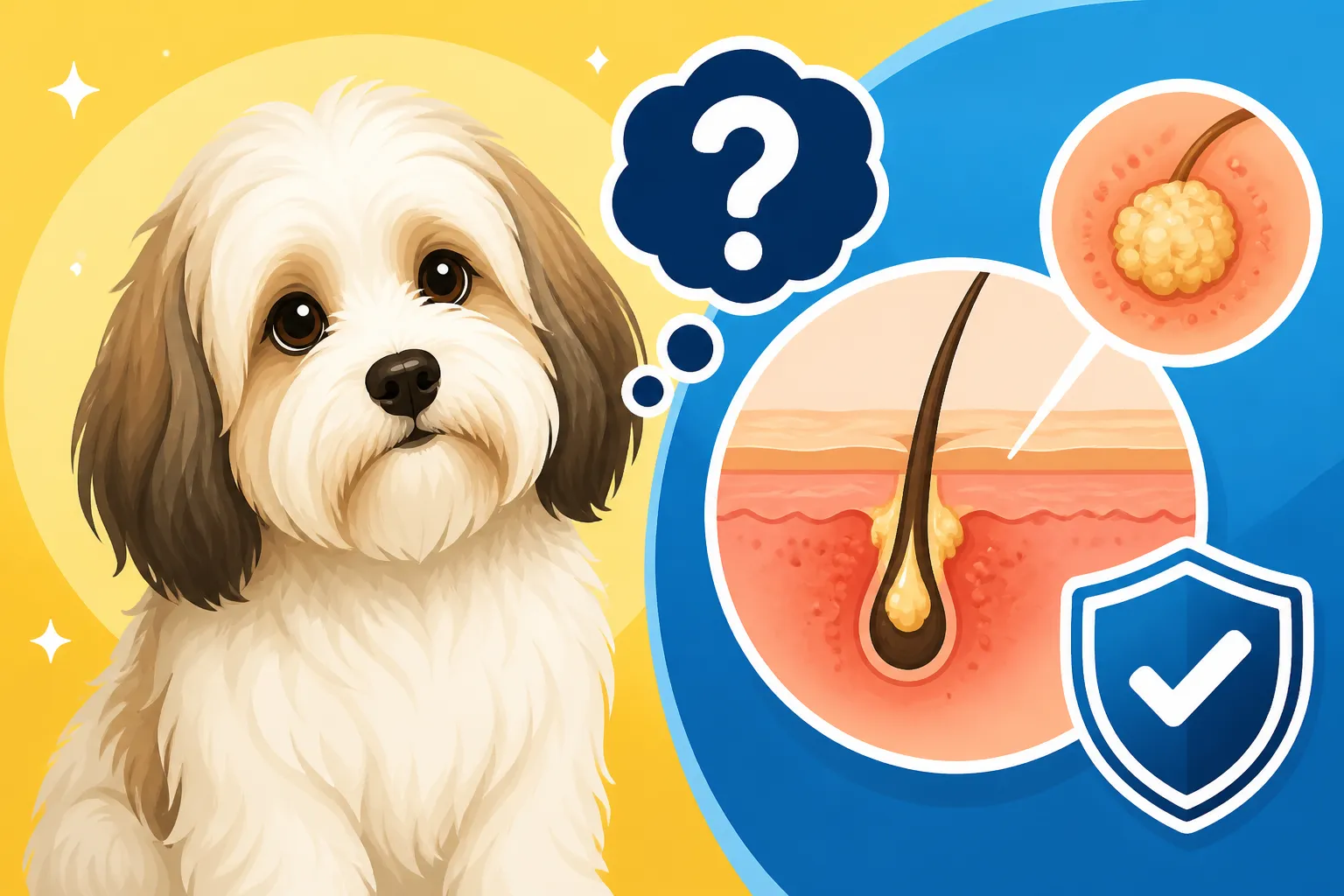
At its core, Sebaceous Adenitis is an inflammatory autoimmune disease that specifically targets and destroys the sebaceous glands in the skin. Now, what are sebaceous glands? Think of them as tiny oil factories located within the skin, right next to hair follicles. Their job is crucial: they produce sebum, a natural oily substance that lubricates the skin and hair, keeping it supple, moisturized, and healthy. Sebum gives the coat its natural sheen and helps maintain the skin's protective barrier.
When SA strikes, the body's immune system mistakenly attacks these vital glands, perceiving them as a threat. This leads to inflammation and, eventually, the complete destruction of the glands. Without these glands, the skin can no longer produce sebum. The result is a cascading effect of problems: the skin becomes extremely dry, flaky, and prone to scaling. The hair loses its luster, becomes brittle, and often falls out in patches, sometimes symmetrically across the body. It’s not just a cosmetic issue; it's a painful and uncomfortable condition that significantly impacts a dog's quality of life. Imagine having perpetually dry, irritated skin that just won't heal – that's often what a Havanese with SA experiences.
Why is it a Concern for Havanese?
While SA is more commonly associated with larger breeds like Akitas and Standard Poodles, it's also recognized as a breed-specific concern within the Havanese community. This means that Havanese are genetically predisposed to developing the condition, making it something that responsible breeders and owners should be aware of. It's not as prevalent as, say, luxating patellas or certain eye conditions in the breed, but its presence is noted, and it's a condition that can be heartbreaking to manage.
The silky, abundant double coat that Havanese are famous for can also sometimes mask early signs of skin trouble, making it harder to spot issues until they're quite advanced. If you're wondering about other common skin issues, you might find useful information on topics like Skin Trouble Under a Havanese Coat. Because Havanese have sensitive skin to begin with, and can be prone to allergies or other irritations that cause similar symptoms like itchiness or flaking, SA can sometimes be misdiagnosed initially. This is why understanding the specific characteristics of SA is so important for Havanese owners. Knowing that your Havanese might be genetically predisposed means being extra vigilant and proactive about any unusual skin or coat changes.
Recognizing the Signs and Getting a Diagnosis
Spotting a health issue in your Havanese can be tough, especially with conditions that aren't immediately obvious. With Sebaceous Adenitis, the signs can sometimes mimic other, more common skin problems, leading to confusion and delays in diagnosis. However, understanding what to look for and how veterinarians typically diagnose this condition is crucial for getting your furry friend the help they need.
Common Symptoms to Look For
The symptoms of Sebaceous Adenitis in Havanese can vary from mild to severe, and they often progress over time. In the early stages, you might notice subtle changes that you could easily attribute to dry weather or a new shampoo. Perhaps your Havanese's usually vibrant coat just doesn't have the same bounce or shine. It might feel a bit coarser or more brittle to the touch, and you might see some fine dandruff or flaking, especially along the back or ears.
As the disease progresses, the signs become more pronounced:
- Hair Loss: This is one of the most noticeable symptoms. You might start seeing patches of thinning hair or complete baldness, often symmetrically on both sides of the body. Areas commonly affected include the top of the head, back of the neck, along the spine, and on the ears and tail. Sometimes, the hair loss can be generalized, making the entire coat sparse and dull. If you're concerned about hair loss, further reading on Whether a Havanese Loses Hair in Patches could be helpful.
- Dry, Scaly Skin: The skin underneath the affected areas will become very dry, scaly, and often thickened. These scales can range from fine, powdery flakes to thick, silvery-gray plaques. It's almost like a severe case of dandruff that just won't quit.
- Follicular Casts: These are distinctive clusters of keratin and sebum that adhere to the hair shaft and protrude from the hair follicles. They look like tiny white or gray tubes encasing the base of the hair, making the coat appear dirty or greasy even after bathing.
- Oily Skin and Odor (Paradoxically): In some cases, especially where secondary bacterial or yeast infections have taken hold due to compromised skin, the skin might develop a greasy feel and an unpleasant, rancid odor. This happens because the skin's natural barrier is disrupted, allowing microbes to proliferate.
- Itchiness: While SA isn't always intensely itchy, some dogs will experience significant discomfort and pruritus (itching) due to the severe dryness, inflammation, or secondary infections. You might notice your Havanese scratching, rubbing against furniture, or licking at affected areas more than usual.
Imagine your normally playful Havanese, who usually loves being brushed, suddenly flinching or showing discomfort when you touch their back. Or perhaps you're cuddling on the couch, and you notice little flakes on your clothes after they've been sitting on your lap. These small observations, when taken together, can paint a clearer picture and prompt you to seek veterinary attention.
The Diagnostic Process
If you suspect your Havanese might have Sebaceous Adenitis, the very first step is a thorough veterinary consultation. Don't try to self-diagnose or treat based on online information alone, as many skin conditions present similarly. Your veterinarian will perform a physical examination, ask detailed questions about the onset of symptoms, your dog's diet, any recent changes in their environment, and their general health history. This is also a good time to discuss the costs involved with diagnosis and treatment; pet insurance providers like Healthy Paws can be a real lifesaver when dealing with unexpected or chronic conditions.
While a presumptive diagnosis can sometimes be made based on clinical signs and ruling out other conditions, the definitive diagnosis for Sebaceous Adenitis typically requires a skin biopsy. This is the gold standard for confirming SA. During a biopsy, your vet will take small samples of skin from affected areas, usually under local anesthetic or light sedation, and send them to a veterinary dermatopathologist. The pathologist will examine the tissue under a microscope, looking for the characteristic signs of inflammation and destruction of the sebaceous glands. This can be nerve-wracking, waiting for results, but it's essential for a precise diagnosis.
Prior to or alongside the biopsy, your vet may recommend other tests to rule out common skin ailments that can mimic SA. These might include:
- Skin scrapings: To check for mites (like demodex or sarcoptes).
- Cytology: Examining samples from the skin surface to identify bacterial or yeast infections.
- Fungal cultures: To rule out ringworm.
- Allergy testing: If allergies are suspected as a primary or secondary issue.
The diagnostic process can be extensive and, unfortunately, can accumulate costs. Thinking about how much a routine check-up costs, like What a Havanese's Yearly Checkup Costs, you can imagine that specialized tests and biopsies add up. Having a plan, perhaps through a pet insurance like Healthy Paws, can alleviate some of the financial stress during this uncertain time. It’s an investment in your Havanese’s health and your peace of mind.
Managing Sebaceous Adenitis in Your Havanese
Receiving a diagnosis of Sebaceous Adenitis for your Havanese can feel daunting, but it's important to remember that while there's no outright cure, the condition is manageable. The goal of treatment is to alleviate discomfort, restore skin health, and encourage hair regrowth, allowing your Havanese to live a comfortable and happy life. This journey requires commitment, patience, and a close partnership with your veterinarian.
Treatment Approaches and Goals
Managing SA is typically a multi-faceted approach, combining topical treatments, systemic medications, and sometimes dietary adjustments. The specific regimen will be tailored to your Havanese's individual needs, the severity of their condition, and how they respond to various therapies.
- Topical Treatments: The Foundation of Care
- Medicated Shampoos and Conditioners: These are cornerstone treatments. Shampoos containing ingredients like sulfur, salicylic acid, or benzoyl peroxide help to remove scales, cleanse follicles, and reduce bacterial or yeast overgrowth. Following up with a moisturizing conditioner is absolutely crucial to help rehydrate the dry skin. Products with ceramides, colloidal oatmeal, or essential fatty acids are excellent choices.
- Oils and Humectants: Regular application of oils can make a world of difference. Common choices include pure coconut oil, mineral oil, or specialized veterinary emollient rinses. The process often involves applying the oil to the affected areas, letting it soak in for several hours (sometimes even overnight, though this can be messy!), and then following with a medicated bath. This helps to loosen scales and provide much-needed moisture.
- Frequency: These topical treatments are often done frequently, sometimes every few days initially, and then scaled back to once a week or every two weeks as the condition improves. It's a time commitment, but essential.
- Systemic Treatments: When Topicals Aren't Enough
- For more severe cases, or when topical treatments aren't sufficient, your vet may prescribe oral medications to suppress the immune system or reduce inflammation.
- Corticosteroids: These can quickly reduce inflammation and itching but are generally used short-term due to potential side effects with long-term use.
- Cyclosporine (e.g., Atopica): This is an immunomodulating drug that can be very effective in reducing the immune system's attack on the sebaceous glands. It can take several weeks to see improvement, and regular monitoring of bloodwork is often required.
- Retinoids (e.g., Isotretinoin): These vitamin A derivatives can help regulate cell growth in the skin and hair follicles, promoting healthy skin turnover and reducing scaling. They are potent drugs and require careful veterinary supervision.
- Each of these systemic medications comes with its own set of potential side effects and considerations, so a thorough discussion with your vet is vital to weigh the benefits against the risks for your Havanese.
- Dietary Support:
- While diet isn't a primary treatment for SA, nutritional support can certainly help maintain overall skin and coat health. Supplements rich in Omega-3 fatty acids (like fish oil) are known for their anti-inflammatory properties and can support the skin's barrier function. High-quality protein diets also contribute to healthy skin and hair growth.
Long-Term Care and Living with SA
Living with a Havanese diagnosed with Sebaceous Adenitis is a commitment to ongoing care. This isn't a condition that resolves and goes away; it requires consistent management to keep flare-ups at bay and maintain your dog's comfort.
One of the biggest challenges is maintaining the coat. Even with hair loss, regular grooming is still important. For insights into general coat care, you might explore The Silky Double Coat a Havanese Grows to the Floor. The frequent moisturizing baths and rinses become part of your routine. This could mean dedicating several hours a week to bathing, soaking, and drying, especially if you have a full-coated Havanese. You’ll become quite adept at identifying dry patches, applying topical treatments, and gently brushing to stimulate circulation without irritating sensitive skin.
Monitoring for secondary infections is also critical. Because the skin barrier is compromised, dogs with SA are more susceptible to bacterial and yeast infections, which can worsen itching, odor, and discomfort. Your vet may prescribe antibiotics or antifungals if these secondary infections occur.
The emotional toll on owners can be significant. It's hard to see your beloved pet struggling, even when you're doing everything you can. There will be good days and bad days. It’s important to celebrate the small victories, like new hair growth or a period of reduced itching. Joining online support groups for owners of dogs with SA can also provide invaluable advice and emotional support from others who understand what you're going through.
The costs associated with long-term management – from specialized shampoos and conditioners to ongoing medications and vet visits for monitoring – can add up. This is where pet insurance, such as a policy from Healthy Paws, can be incredibly beneficial, helping to cover a significant portion of these recurring expenses and making consistent care more accessible. Don’t forget, managing Skin Trouble Under a Havanese Coat in general can be a persistent effort.
Preventing and Understanding the Genetic Link
The thought of our Havanese developing a chronic condition like Sebaceous Adenitis is unsettling, and naturally, we want to know if there's anything we can do to prevent it. When a disease has a known genetic component, prevention often starts long before a puppy ever comes home – it begins with responsible breeding practices.
Is Prevention Possible?
True prevention of Sebaceous Adenitis in Havanese is challenging because it is an inherited disease. This means that if a Havanese carries the specific genes associated with SA, they are at a higher risk of developing the condition, regardless of how well they are cared for. Unlike environmental allergies that can sometimes be managed through diet or allergen avoidance, an autoimmune genetic condition doesn't typically have a simple preventive measure.
However, "prevention" in this context shifts from preventing the disease from ever occurring in an individual dog to preventing its spread within the breed line. This is where the importance of responsible breeding truly shines.
- Genetic Testing (or lack thereof): Currently, there isn't a simple, universally available genetic test that can identify carriers of the SA gene in Havanese. This is a significant hurdle. For some other conditions, breeders can do a quick DNA swab, but SA's genetic markers are more complex and not as clearly defined or tested for commercially in Havanese as they are in, say, Akitas or Standard Poodles.
- Late Onset: Another complicating factor is that SA often doesn't manifest until a dog is an adult, typically between one and five years of age, though it can appear earlier or later. This means that a dog might have been bred before showing any symptoms, unwittingly passing the predisposition to its offspring.
- Breeder Screening & Health Clearances: Because direct genetic testing for SA isn't straightforward for Havanese, ethical breeders rely on extensive health clearances for many other conditions, along with a deep knowledge of their lines. They should be transparent about the health history of the parent dogs, grandparents, and any previous litters. A breeder should always be open to discussing The Health Tests Both Havanese Parents Should Have, even those without direct genetic tests. While there isn't an SA-specific "CHIC number" for Havanese like there is for hips or eyes, breeders should still track and discuss any cases of SA in their lines. Look for breeders who are proactive about health and willing to share detailed information, perhaps even showing you official certifications. For more on what breeders should provide, check out Whether a Havanese Breeder Should Show CHIC Numbers.
The Importance of Breeder Choice
Given the genetic nature of Sebaceous Adenitis and the challenges in direct screening, choosing a reputable Havanese breeder is paramount. This decision is, frankly, one of the most impactful choices you'll make in your dog's life and health journey.
- Asking the Right Questions: A good breeder won't be offended by questions about health. In fact, they'll appreciate your diligence. Ask if they've ever had SA in their lines, or if any close relatives of the puppy's parents have been diagnosed. While they might not have specific SA testing, their honesty about their breeding program's health history speaks volumes.
- Transparency and Records: A reputable breeder will be transparent about the health of their breeding stock, providing records of health clearances for eyes, patellas, hips, and cardiac health. While SA might not be on the official list of required Havanese health tests by all kennel clubs, a good breeder will know the health status of their dogs' relatives. They often work with their vets and veterinary dermatologists to understand and mitigate potential health risks in their lines.
- Health Guarantees: Look for a breeder who offers a comprehensive health guarantee that outlines what happens if a genetic condition, such as SA, manifests within a certain timeframe. This shows confidence in their breeding program and a commitment to the health of their puppies.
- Avoid "Backyard Breeders" and Puppy Mills: These sources often prioritize profit over health, skimping on health testing and having little knowledge of genetic predispositions. This significantly increases your risk of bringing home a puppy with underlying health issues, including genetic conditions like Sebaceous Adenitis. You can learn more about making smart choices for your Havanese puppy by reading Whether an Untested Havanese Litter Is Worth Buying.
Ultimately, while you cannot guarantee your Havanese will never develop SA, by partnering with an ethical and knowledgeable breeder, you significantly reduce the risk and ensure you're bringing home a puppy from lines where health and longevity are prioritized.
Differentiating Sebaceous Adenitis from Other Havanese Skin Issues
It's easy to jump to conclusions when you see your Havanese scratching or developing a weird patch on their skin. However, many different conditions can manifest with similar symptoms, and Sebaceous Adenitis (SA) is just one of them. Knowing how SA typically presents, and how it might differ from other common Havanese skin woes, can help you provide your vet with a clearer picture and facilitate an accurate diagnosis. Misdiagnosis is a real concern, and it can delay appropriate treatment, prolonging your Havanese's discomfort.
Let's look at some common Havanese skin issues and how their symptoms might overlap with or differ from SA.
Common Havanese Skin Problems vs. Sebaceous Adenitis
| Feature | Sebaceous Adenitis (SA) | Allergies (Environmental/Food) | Hypothyroidism | Fungal/Bacterial Infections (Secondary) |
|---|---|---|---|---|
| Primary Cause | Autoimmune destruction of sebaceous glands | Immune reaction to allergens (pollen, food, dust mites) | Underactive thyroid gland (hormone deficiency) | Overgrowth of yeast or bacteria |
| Key Skin Symptoms | Dryness, scaling, follicular casts, hair loss (often symmetrical), dull coat | Intense itching, redness, inflammation, paw licking, ear infections | Symmetrical hair loss (flanks/tail), dry/brittle coat, thickened skin | Redness, pustules, scabs, crusting, odor, intense itching |
| Itchiness Level | Variable, can be mild to severe | Usually very intense | Usually mild or absent | Often intense, depends on severity of infection |
| Hair Loss Pattern | Patches, symmetrical, often on top of head, back, ears | Patchy from self-trauma, generalized thinning | Symmetrical (flanks/tail), "rat tail" | Patchy, circular (ringworm), or generalized |
| Coat Texture | Dull, brittle, coarse | Can be greasy (seborrhea), dull from scratching | Dry, coarse, poor regrowth | Can be greasy or dry, depending on infection |
| Odor | Can develop if secondary infection present | Often a yeasty or rancid odor if secondary infection present | Not typically associated with odor | Often a strong, unpleasant odor |
| Other General Signs | Otherwise typically healthy | May have runny eyes, sneezing, gastrointestinal upset (food allergy) | Lethargy, weight gain, cold intolerance | Typically localized to skin; may have fever if severe |
| Diagnostic Method | Skin Biopsy (definitive) | Allergy testing, elimination diet trials, skin cytology | Blood tests (thyroid panel) | Skin cytology, culture and sensitivity, skin scrapings |
Why This Differentiation Matters
As you can see from the table, there's quite a bit of overlap in symptoms, especially regarding hair loss, dry skin, and potential itchiness. This is why a precise diagnosis is crucial and why your vet may recommend a skin biopsy even if they have a strong suspicion of SA.
- Treatment Effectiveness: Giving corticosteroids for SA when your Havanese actually has hypothyroidism, for example, would be ineffective and could even cause harm. Each condition requires a specific treatment plan.
- Cost and Time: Pursuing the wrong treatment path not only delays relief for your Havanese but also incurs unnecessary vet bills and emotional stress. This is another area where having pet insurance like Healthy Paws can truly help, as it covers diagnostic testing regardless of the outcome.
- Breed Predisposition: While Havanese are known for their beautiful coats, they are also prone to certain sensitivities. Conditions like environmental allergies are quite common in the breed, manifesting as itchy skin, ear infections, and paw licking. You might notice your Havanese frequently scratching behind their ears or licking their paws, leading you to wonder if it's allergies or something more. It's important to differentiate these from the distinct follicular casts and symmetrical hair loss more indicative of SA.
When you bring your Havanese to the vet, be as detailed as possible about when symptoms started, how they've progressed, and any other changes you've observed, even if they seem unrelated. This comprehensive information, combined with your vet's expertise and diagnostic tools, is the best path to an accurate diagnosis and effective management plan for your furry friend.
Disclaimer
This article is intended for informational purposes only and does not constitute medical advice. Always consult with a qualified veterinarian for any health concerns or before making any decisions about your pet's medical care.