Whether a Havanese Skips Meals
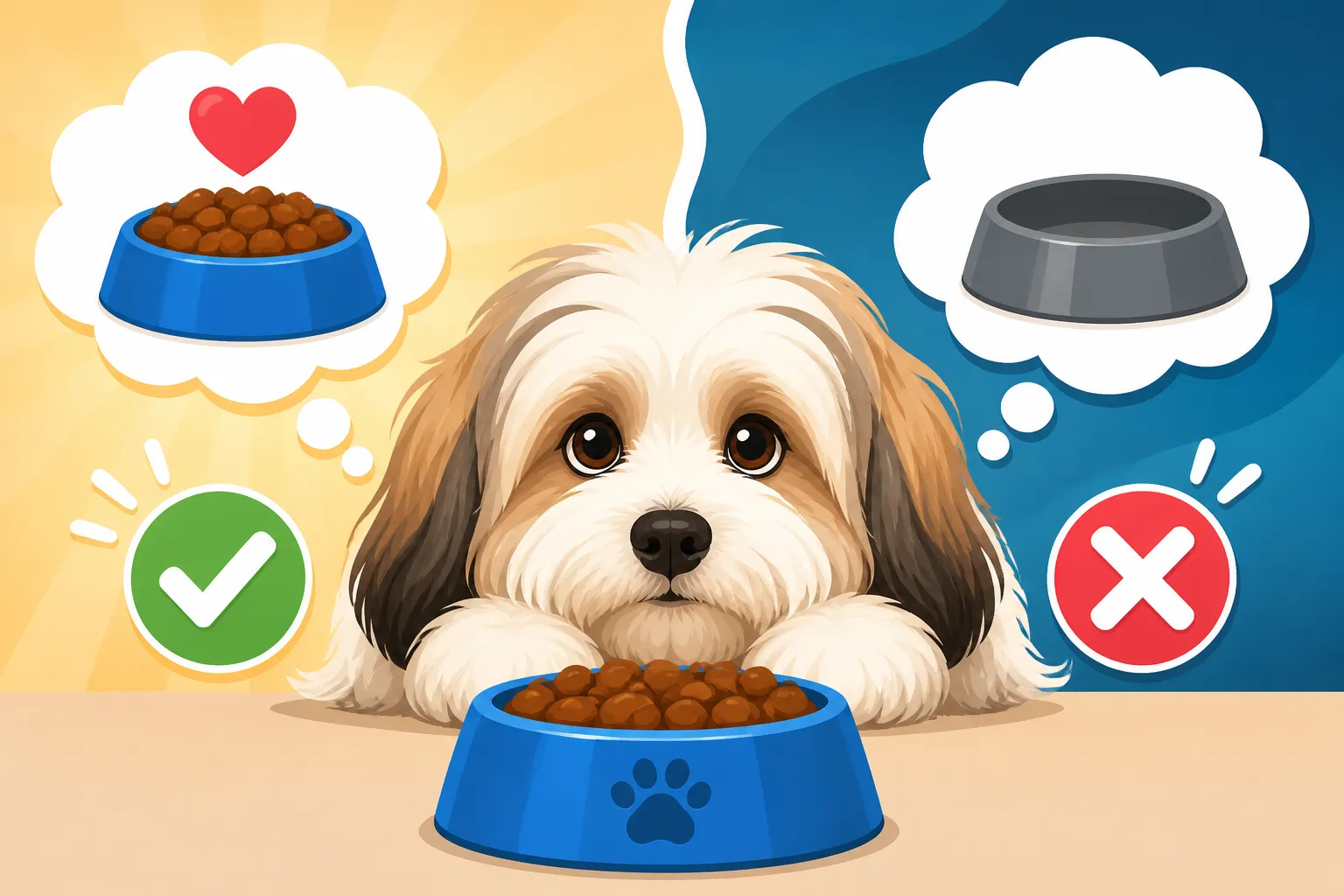
It can be incredibly worrying when your sweet Havanese, who usually greets mealtime with enthusiastic tail wags and happy dances, suddenly turns up their nose at their bowl. One day they're wolfing down their kibble, and the next, they're acting as if you've offered them something truly unappetizing. This guide is here to help you understand the various reasons why your Havanese might be skipping meals, when it's just a phase, and when it’s time to call the vet.
Understanding Why Your Havanese Might Be Skipping Meals
Havanese are often described as "clowns" and "velcro dogs," full of personality and charm. This also means they can be a bit particular, and their appetites aren't always consistent. It's easy to jump to conclusions and worry about serious illness, but often, there are more mundane reasons for a skipped meal. Let's explore some of the most common culprits.
Normal Pickiness or "Finicky Phases"
Just like people, Havanese can have their off days or simply be a bit particular about their food. Some Havanese are notorious for being finicky eaters, especially compared to some other breeds that seem to eat anything not nailed down. They might eat one brand or flavor enthusiastically for a while, then suddenly decide it’s no longer appealing. This isn't necessarily a sign of illness; it could just be their personality shining through. They're smart, and they know what they like, and sometimes, they test boundaries to see if a better option might appear.
A "finicky phase" might also coincide with developmental stages. A Havanese puppy, for instance, might be more prone to skipping a meal here and there as they adjust to new foods, environments, or even just growing pains. It's a journey of discovery for them, and sometimes that journey includes deciding yesterday's favorite food is today's meh. Don't immediately panic if your Havanese is a known picky eater and just misses a single meal. Often, they'll eat with gusto at the next scheduled feeding.
Environmental Changes or Stressors
Our Havanese are highly sensitive to their environment and our moods. Any change in their routine or surroundings can throw them off, and a common manifestation of this stress is a temporary loss of appetite. Have you recently moved to a new home? Are there new people or pets in the house? Is construction happening next door, creating unusual noises? Even something as simple as a different feeding bowl or a shift in your work schedule can make a sensitive Havanese feel uneasy.
Think about it from their perspective: their world has been altered, and they might feel a little anxious or unsettled. Just like you might lose your appetite if you're feeling stressed or overwhelmed, your Havanese can too. It’s their way of telling you that something feels different. Give them time to adjust, maintain a consistent routine as much as possible, and provide plenty of reassurance and comfort. They often need that extra bit of connection to feel secure again.
Dental Issues or Mouth Pain
This is a really important one, especially for small breeds like the Havanese. Dental problems are incredibly common and can be a significant source of pain, directly impacting their willingness to eat. Imagine trying to chew your favorite meal with a throbbing toothache – not very appealing, right? Your Havanese might be experiencing pain from a broken tooth, gum inflammation (gingivitis), or even an abscess. Sometimes, retained puppy teeth can cause discomfort and make eating difficult, especially as adult teeth come in. The Dental Work Every Havanese Needs by Six is a great resource to understand these issues better.
If you notice your Havanese shying away from hard kibble, tilting their head while chewing, dropping food, or showing any signs of discomfort around their mouth, a dental check-up is definitely in order. They might still eat softer foods or treats, but hard kibble can be agony. Even subtle changes in their eating habits, like taking longer to finish a meal or preferring one side of their mouth, can signal an underlying dental problem. Many Havanese, unfortunately, suffer from Dental Crowding in a Havanese Mouth which can exacerbate these issues.
Upset Stomach or Mild Illness
Sometimes, a skipped meal is just your Havanese telling you they're not feeling quite right. Maybe they ate something they shouldn't have, or they're coming down with a mild bug. This could be anything from a slight tummy upset after getting into the trash to a minor bacterial imbalance. They might feel a bit nauseous, have a mild headache, or just generally feel "blah." In these cases, a temporary loss of appetite is a natural response as their body tries to recover.
If it's just a single skipped meal and they otherwise seem normal – still playful, energetic, and drinking water – it might pass quickly. Keep a close eye on them. Are they vomiting? Do they have diarrhea? Are they lethargic? If they show other symptoms, it's a good idea to contact your vet. Sometimes, even seemingly minor dietary indiscretions can lead to problems, so monitoring their overall demeanor is key.
Too Many Treats or Table Scraps
Let’s be honest, those big, soulful Havanese eyes are masters of manipulation! It’s incredibly hard to resist giving them treats or sneaking them a bite of your dinner. However, if your Havanese is constantly getting extra tidbits throughout the day, they might simply not be hungry come mealtime. Treats and human food, even in small amounts, can be surprisingly calorie-dense and fill up their tiny tummies.
This is a very common reason for skipped meals, and it's an easy fix! If your Havanese knows that holding out for a better offer (i.e., your food or more treats) works, they'll often play that card. They're smart cookies, after all. Take an honest look at how many treats and extra snacks your Havanese is receiving. Are you overdoing it, even with the best intentions? Cut back on the extras and see if their appetite returns to normal. Remember, a Havanese can sometimes be a Whether a Havanese Is a Fussy Eater because they've learned that fussing gets them something better!
Food Aversion or Boredom
It’s possible your Havanese has simply grown tired of their current food or has developed an aversion to it. Perhaps the taste or texture no longer excites them, or maybe they had an upset stomach once after eating it and now associate the food with feeling unwell. Some Havanese can be quite particular about the specific type of food they eat. They might love chicken-based kibble for months, then suddenly decide it's offensive to their palate.
This doesn't mean they're starving; it means they're expressing a preference. While consistency is generally good for a dog's digestive system, occasionally rotating flavors within the same brand (if your vet approves) or trying a different type of food altogether can sometimes rekindle their interest. Consider options like fresh food providers such as Ollie, or perhaps some high-quality kibble available on Chewy that offers different protein sources. Just remember to introduce new foods gradually to avoid upsetting their stomach.
Medical Conditions (When to Worry)
While many reasons for skipping meals are benign, a persistent lack of appetite can be a symptom of a more serious underlying medical condition. This is where your vigilance as an owner truly comes into play. If your Havanese is consistently refusing meals for more than 24 hours, or if they are showing other symptoms along with a decreased appetite, it’s imperative to consult your veterinarian.
Serious conditions that can affect appetite include gastrointestinal issues, kidney disease, liver disease (like a The Liver Shunt a Havanese Puppy Shows Before Six Months), pancreatitis, infections, and even certain types of cancer. Pain from arthritis or other joint issues can also make a dog reluctant to move to their bowl or stand while eating. Even something like Whether a Havanese Puppy Drops Its Blood Sugar can cause lethargy and lack of appetite in very young puppies. Don't try to self-diagnose; a professional medical opinion is essential in these situations.
When to Worry: Recognizing Red Flags Beyond a Skipped Meal
It's one thing for your Havanese to occasionally sniff their food and walk away, only to devour it later. It's quite another if they're consistently refusing meals, especially when other symptoms are present. Knowing the difference is critical for your dog's health and your peace of mind.
Duration and Severity of Appetite Loss
A single skipped meal might not be a huge concern, especially if your Havanese is otherwise bright and active. They might just be holding out for something better, or they're not quite hungry. However, if they miss two consecutive meals, or if their refusal to eat lasts for more than 24 hours, it's time to pay closer attention. For puppies, who have less reserve, even a skipped meal or two can be more concerning and warrants quicker veterinary attention. Small breed puppies can be particularly vulnerable to hypoglycemia if they don't eat regularly.
Consider the "severity" as well. Are they just picking at their food, or are they completely ignoring it? Are they eating treats but refusing their main meal? The latter suggests pickiness, while complete refusal of all food, even their favorite high-value treat, is a much bigger red flag indicating something is seriously wrong.
Accompanying Symptoms: The Bigger Picture
A skipped meal combined with other symptoms should immediately prompt a call to your vet. These accompanying signs help paint a clearer picture of what might be going on:
- Lethargy or Weakness: Is your Havanese unusually tired, sluggish, or reluctant to play? Are they sleeping more than usual, or struggling to get up?
- Vomiting or Diarrhea: These are clear signs of digestive upset or illness. Watch for blood in vomit or stool.
- Weight Loss: If your Havanese is losing weight, even subtly, over a period of time, it's a serious indicator that something is amiss. Regularly monitoring their weight is part of What a Havanese Needs Every Day.
- Changes in Drinking Habits: Are they drinking significantly more or less than usual?
- Changes in Behavior: Are they hiding, acting unusually clingy, showing signs of pain (whining, limping), or restless?
- Fever: Touch their ears and nose. While not a definitive measure, unusually warm ears or a dry, hot nose can be a sign. Your vet can take a rectal temperature for accuracy.
- Pale Gums: Gently lift their lip and check the color of their gums. Pale or white gums can indicate anemia or shock.
- Bloated or Painful Abdomen: If their belly looks distended or they react negatively when you gently touch it, seek immediate veterinary care.
- Lumps or Bumps: New Lumps Worth Checking on a Havanese could be a concern if accompanied by other symptoms.
Any combination of these symptoms with a refusal to eat suggests your Havanese needs professional medical attention, and you should not delay contacting your veterinarian.
Age Matters: Puppies, Adults, and Seniors
The significance of a skipped meal can also depend on your Havanese's life stage.
- Puppies: Young Havanese puppies are still growing rapidly and have very little fat reserve. Missing even one or two meals can quickly lead to low blood sugar (hypoglycemia), especially in very tiny pups. If your Havanese puppy skips a meal, monitor them closely and consult your vet if their appetite doesn't return quickly or if they seem lethargic. Consistency in The Meal Schedule a Havanese Puppy Needs is vital.
- Adults: Healthy adult Havanese usually have more reserves and can typically handle missing a meal without immediate serious consequences, as long as they are otherwise well. This is where pickiness often becomes more apparent. However, if an adult Havanese who is typically a good eater suddenly stops eating, it's more concerning than if a known picky eater misses a meal.
- Seniors: As Havanese age, their appetites can naturally decrease, and they may become more prone to various health issues. An older Havanese skipping meals could be a sign of dental pain (which is very common in seniors), kidney issues, heart problems (like The Heart Murmur an Older Havanese Develops), or other age-related illnesses. It's always best to be proactive with senior dogs and consult your vet promptly if their eating habits change significantly. Feeding an Old Havanese can present its own unique challenges.
Practical Steps When Your Havanese Skips a Meal
So, your Havanese has snubbed their dinner. Don't panic! There are several practical steps you can take to assess the situation and encourage them to eat, before escalating to a vet visit.
Observe and Assess Before Panicking
First, take a deep breath. A single skipped meal isn't usually an emergency. Immediately observe your Havanese for any other symptoms we discussed above. Are they still playful, drinking water, and otherwise acting like their normal, happy self? If yes, it might just be a blip.
Give them some time. Sometimes a dog will eat their food later if they're simply not hungry at the moment it's presented. Leave the food down for about 15-20 minutes, and if they don't eat, pick it up until the next scheduled mealtime. This helps establish that food is available at certain times, not constantly, which can discourage pickiness. This also prevents the food from sitting out and becoming unappetizing or spoiled.
Rule Out the Obvious and Simple Fixes
Before reaching for the vet's number, do a quick check of the basics:
- Is the food fresh? Has it gone stale? Is it past its expiry date? Sometimes a bag of kibble can spoil or go rancid, especially in humid climates.
- Is the bowl clean? A dirty bowl might deter a fastidious Havanese.
- Is the water fresh? Make sure they have access to clean, fresh water at all times.
- Any recent changes? Did you just switch food brands or flavors? Was there a change in the ingredient formula? Even a slight change can make them wary.
- Too many treats? Honestly assess if you've been a little too generous with the snacks. This is one of the most common reasons a Havanese might skip their main meal. Treats That Suit a Havanese in Training should be used judiciously.
- Environmental stress? Has anything new or unusual happened around the house? Give them a safe, quiet space to eat.
Tempting the Palate: Gentle Encouragement
If your Havanese is otherwise well but just not interested in their regular fare, you can try to make their food a little more appealing. This should be a temporary measure, not a daily habit, to avoid creating an even pickier eater.
- Add a Topper: A small amount of low-sodium chicken broth (ensure no onion or garlic), a spoonful of plain canned pumpkin (not pie filling), a little plain yogurt, or a cooked egg can work wonders. Many fresh food companies like Ollie offer meal toppers or small portions that can tempt even the fussiest eater.
- Warm the Food: Gently warming wet food or even kibble (with a bit of water or broth added) can enhance its aroma, making it more enticing. Just be sure it’s not too hot.
- Mix in Wet Food: If they usually eat dry kibble, try mixing in a small amount of high-quality wet food. Many brands available on Chewy offer both dry and wet options that can be combined.
- Hand-Feeding (Temporarily): For a very shy or stressed Havanese, offering a few pieces by hand can sometimes encourage them to start eating. Again, don't make this a long-term solution.
- Puzzle Feeders: Sometimes, making mealtime a game can stimulate appetite. A KONG wobbler or a slow-feeder bowl (easily found on Amazon) can turn eating into an engaging activity.
Adjusting the Feeding Schedule
Consistency is key for a Havanese, especially when it comes to mealtimes. Free-feeding (leaving food out all day) can often lead to pickiness because there's no urgency to eat.
- Scheduled Meals: Offer meals at consistent times each day. For most adult Havanese, two meals a day are sufficient.
- Time Limit: Leave the food down for 15-20 minutes. If it's not eaten, pick it up until the next scheduled meal. This teaches them that food is available for a limited window.
- No Free Feeding: While convenient, free-feeding can encourage grazing and make it harder to monitor appetite. If your Havanese is consistently skipping meals, switching to scheduled feeding is a good first step.
- One Meal a Day? (Only for Specific Cases): Some older, very low-activity Havanese might naturally shift to eating only once a day, or splitting their daily portion into two very small meals. This should be discussed with your vet to ensure they're still getting adequate nutrition and not losing Signs a Havanese Is Carrying Too Much Weight. For a typical Havanese, How Much an Adult Havanese Eats Daily is usually split into two servings.
Consulting Your Vet: When Professional Help is Needed
If your Havanese continues to skip meals for more than 24 hours (or less for puppies or senior dogs, or if they're showing other symptoms), it's time to call your veterinarian. Do not delay, as some conditions can worsen rapidly.
When you call, be prepared to provide as much detail as possible:
- How long has your Havanese been skipping meals?
- Are they refusing all food, or just their regular food?
- Are they drinking water normally?
- What other symptoms are you observing (lethargy, vomiting, diarrhea, pain, changes in urination, etc.)?
- Have there been any recent changes to their diet, routine, or environment?
- Are they on any medications?
Your vet may recommend blood tests, urinalysis, X-rays, or other diagnostics to identify the cause. Early intervention can make a significant difference in the outcome for many medical conditions. Remember, you know your Havanese best, and if your gut feeling tells you something is wrong, trust it and seek professional advice.
Long-Term Feeding Strategies for a Healthy Havanese
Moving beyond the immediate concern of a skipped meal, establishing solid long-term feeding strategies is crucial for the overall health and well-being of your Havanese. This helps prevent future mealtime dramas and ensures they get the nutrition they need.
Establishing a Consistent Routine
Dogs thrive on routine, and Havanese are no exception. Consistent meal times help regulate their digestive system and establish a predictable rhythm to their day. Try to feed your Havanese at roughly the same times every day, even on weekends. This signals to their body when to expect food, which can improve appetite and digestion.
Beyond meal times, a consistent daily schedule for walks, playtime, and potty breaks also contributes to a sense of security and reduces stress, which, as we've discussed, can impact appetite. A dog that feels secure and knows what to expect is generally a happier, healthier eater.
Choosing the Right Food for Your Havanese
The quality and type of food you offer can significantly impact your Havanese's willingness to eat. Not all dog foods are created equal, and what works for one dog might not work for another.
- High-Quality Ingredients: Look for dog foods with real meat as the first ingredient, and avoid excessive fillers, artificial colors, and preservatives. Good nutrition supports overall health and palatability.
- Small Breed Specific Formulas: Many brands, often found on Chewy or Amazon, offer small breed formulas. These typically have smaller kibble sizes, which are easier for a Havanese's small mouth to chew, and sometimes have nutrient profiles tailored to their higher metabolism. Whether a Havanese Needs Small Breed Kibble is a common question.
- Wet Food, Dry Food, or Fresh Food: The choice between dry kibble, wet food, or fresh food (like Ollie) depends on your Havanese's preferences and your budget. Some Havanese simply prefer the texture and moisture of wet or fresh food, which can be very tempting for a picky eater. If feeding kibble, ensure it's not stale.
- Rotation (with Caution): While sudden changes can upset sensitive stomachs, some owners find that rotating between a few high-quality food options (different protein sources from the same brand, for example) can keep things interesting and prevent boredom-induced pickiness. Always introduce new foods gradually over several days.
Limiting Treats and Table Scraps
This cannot be stressed enough: excessive treats and human food are common culprits for a Havanese skipping meals. These little fluff balls are expert beggars, but it's vital for their health and appetite that you resist their charms most of the time.
- Treats as Training Aids: Use treats sparingly, primarily as rewards for training or good behavior. Choose small, low-calorie options.
- No Table Scraps: Avoid feeding your Havanese from the table. This not only encourages begging but can also lead to an upset stomach, nutritional imbalances, and a refusal of their own food because they're always holding out for "better" human food. Many human foods are also toxic or simply unhealthy for dogs.
- Portion Control: Ensure you are feeding the correct amount of food for your Havanese's ideal weight and activity level. Overfeeding can lead to obesity, which brings a host of health problems. If you're wondering How Much an Adult Havanese Eats Daily, consult your vet or the feeding guidelines on your dog food packaging. It's easy for a Havanese to gain Signs a Havanese Is Carrying Too Much Weight.
Monitoring Weight and Overall Health
Regularly monitoring your Havanese's weight and overall health is one of the best ways to catch issues early.
- Regular Weigh-ins: Weigh your Havanese monthly, especially if they are prone to pickiness or have a fluctuating appetite. Sudden weight loss is a serious concern. Your vet can show you how to do a "body condition score" at home to assess if they are too thin or too heavy.
- Vet Check-ups: Regular veterinary check-ups are paramount. Your vet can spot subtle signs of dental disease, organ issues, or other health problems before they become severe. These check-ups should include a thorough dental exam. The Age a Havanese Needs Its First Dental is usually much earlier than owners realize.
- Trust Your Instincts: You spend the most time with your Havanese and know their normal behavior. If something feels "off," even if you can't quite put your finger on it, don't hesitate to consult your vet. It's always better to be safe than sorry.
Enrichment During Mealtime
Sometimes, making mealtime a little more engaging can help stimulate appetite, especially for dogs who get bored easily.
- Puzzle Feeders: As mentioned before, puzzle feeders or slow-feeder bowls (available from retailers like Amazon and Chewy) can turn eating into a mental exercise. This can be particularly beneficial for intelligent breeds like the Havanese who enjoy a challenge.
- Scatter Feeding: If you have a clean, safe area, scattering a portion of their kibble can encourage natural foraging behavior and make eating more interactive.
- "Work for Food": Incorporate short training sessions before meals, making them "earn" their dinner by performing a few tricks. This can build anticipation and value around their food.
By implementing these strategies, you can create a positive and consistent feeding experience for your Havanese, ensuring they remain happy, healthy, and eager for their next meal.
Disclaimer
This article is for general informational purposes only and does not constitute professional advice. Laws, prices and regulations vary by location and change over time. Consult a qualified professional for guidance on your specific situation.