Whether a Wiry Coated Havanese Mats More
One of the biggest worries for Havanese owners, especially new ones, is the dreaded mat. It seems like you can brush and brush, and still, those knots appear out of nowhere, often in places you'd least expect. If you've got a Havanese with a coat that feels a little different – maybe a bit more coarse or even wiry – you might be wondering if your battle with mats is even tougher than for those with the famously silky Havanese. This guide will dive deep into how different Havanese coat textures, particularly those on the wirier side, impact matting and what you can do to keep your beloved companion comfortable and tangle-free.
Understanding the Havanese Coat: Silky, Wavy, and Sometimes Wiry
The Havanese coat is truly one of its defining features, known for its luxuriant appearance and soft touch. However, not every Havanese sports the exact same texture, and these variations can significantly influence how prone your dog is to matting. It's a journey many owners embark on, trying to understand what makes their individual dog's fur unique.
The Ideal Havanese Coat: A Silken Standard
When you picture a Havanese, you likely envision that flowing, floor-length coat, soft as silk and light as air. This is the breed standard, often described as a double coat, though unique in its texture. Unlike many double-coated breeds that shed profusely, the Havanese has a non-shedding outer coat and a softer undercoat that intermingle. The ideal texture is soft, wavy, and has a natural sheen, creating a beautiful cascade of fur. This specific texture is less prone to "felting" – where hairs intertwine tightly into dense mats – compared to coats with more cottony or wiry textures because the individual strands are smoother and have less friction against each other. It’s truly a marvel, demanding regular care but rewarding owners with stunning beauty. The Silky Double Coat a Havanese Grows to the Floor explores this in more detail.
When a Havanese Coat Becomes Wiry or Cottony
While the silky, wavy coat is the ideal, nature has its own plans sometimes, and variations exist. Some Havanese coats can be noticeably different, leaning towards a more cottony, woolly, or even wiry texture. This isn't necessarily a fault in the dog's character or health, but rather a genetic variation that can influence grooming needs. A cottony coat, for instance, often feels very soft but lacks the silky smoothness and can be quite dense. A wiry coat, while less common in Havanese than in breeds like terriers, feels coarser to the touch and might have a different type of wave or even be straighter. These variations can arise from various genetic factors and sometimes appear in lines that might have had different ancestors in their background, even if generations back. Whether a Havanese Coat Texture Varies by Line delves into these fascinating genetic nuances.
Is a Wiry Coat a Health Concern?
The simple answer is no, a wiry or more cottony coat texture in a Havanese is generally not a direct health concern in itself. It’s primarily a cosmetic variation from the breed standard and impacts grooming more than anything else. However, it can indirectly lead to issues if not managed correctly. For example, a densely cottony or wiry coat that mats severely can hide skin problems, prevent proper air circulation, and even lead to painful skin infections or hot spots. The dog's comfort and well-being are always paramount, so understanding your dog's specific coat type and its unique challenges is key to preventing secondary health issues. It just means your grooming routine might need to be more diligent or require different tools than for a silkier-coated sibling.
The Truth About Wiry Coats and Matting in Havanese
Now, let's get to the heart of the matter: does a wiry-coated Havanese really mat more? In many cases, yes, coats that deviate from the ideal silky texture—especially those that are cottony or slightly wiry—tend to be more prone to matting and form those frustrating tangles more quickly.
How Coat Texture Influences Mat Formation
Think about the individual strands of hair. A truly silky Havanese coat has very smooth, fine hairs. When these hairs rub against each other, they glide relatively easily, making it harder for them to lock together into a tight knot. Now, imagine a coat where the individual hairs are a bit coarser, perhaps with microscopic barbs or a more irregular surface, or a cottony coat where the hairs are incredibly fine and clingy. These textures create more friction between hairs, causing them to intertwine and snag much more readily. When moisture, dirt, or pressure is added, these textures become prime candidates for matting. It's like comparing smooth silk threads to fuzzy wool; the wool will felt much faster because its fibers grab onto each other. This is why you might find yourself brushing a wiry-coated Havanese much more frequently, feeling like you just brushed them moments ago!
The Matting Lifecycle: Why It Seems to Happen Overnight
It's a common lament among Havanese owners: "I just brushed them, and now they're matted again!" The matting process often feels like it happens in the blink of an eye, especially during the coat change phase, typically around 8 to 12 months of age, when the softer puppy coat gives way to the adult coat. Why a Havanese Mats at Eight Months and Not Before explains this transition. During this time, dead puppy hairs can get trapped within the emerging adult coat, creating a dense, tangled mess. For a wiry or cottony coat, this transition can be even more pronounced and challenging. The coarser hairs, as described above, act like Velcro, catching and holding onto shedding hairs, dirt, and debris with surprising efficiency. A small tangle can quickly snowball into a larger, more compacted mat, especially in high-friction areas or when the coat is damp. A quick romp in the yard, a belly rub, or even just sleeping can be enough to start the matting process in a coat that's predisposed to it.
Common Matting Hotspots for All Havanese Coats
Regardless of coat texture, certain areas on a Havanese are notorious for matting. These are typically high-friction zones or places where moisture tends to accumulate. Being aware of these hotspots is critical for targeted grooming:
- Behind the Ears: This area is often overlooked and gets a lot of friction from head movements. Plus, the hair here is usually softer and finer, making it tangle-prone.
- Armpits: Constant movement of the legs against the body creates significant friction, leading to dense mats. These can be particularly painful.
- Groin/Inner Thighs: Similar to armpits, this area experiences friction and can also get damp, making it a mat magnet.
- Under the Collar/Harness: If not regularly removed and brushed under, collars and harnesses create constant rubbing, leading to tight mats that can be hard to spot until they're severe. Whether a Harness Mats a Havanese further explains this issue.
- Pants (Rear Legs): The longer hair on the back of the hind legs can quickly tangle, especially if the dog sits or lies down frequently on rough surfaces.
- Tail: The underside of the tail, where it rubs against the body, is another common spot.
- Around the Mouth/Beard: Food and water residue can easily glue hairs together, forming mats that can become stiff and uncomfortable.
Regularly checking these areas, even if your Havanese has a silkier coat, is crucial. For those with a wiry or cottony texture, these areas demand even more frequent attention and a meticulous approach.
Tailoring Your Grooming Routine for Different Havanese Coat Types
The good news is that while wiry or cottony coats might be more challenging, they are absolutely manageable with the right approach. It’s all about consistency, the right tools, and a bit of patience.
Essential Tools for Managing a Wiry Havanese Coat
Having the right arsenal of grooming tools can make all the difference. For a wiry or cottony Havanese coat, you'll need tools that can effectively penetrate the dense fur and detangle without pulling too much.
- Slicker Brush: A good quality slicker brush with fine, angled pins is indispensable. Use it gently to work through sections of the coat, lifting dead hair and untangling minor knots. Brands like Chris Christensen or Artero are often recommended by professional groomers, and you can find many options on sites like Amazon or Chewy.
- Metal Comb: A sturdy metal comb with both wide and fine teeth is crucial for "line brushing" – making sure you get down to the skin. The fine-toothed end is excellent for delicate areas like behind the ears and around the eyes.
- Pin Brush: A pin brush with smooth, rounded pins can be good for initial detangling and general fluffing, but it may not be sufficient on its own for denser, mat-prone coats.
- Detangling Spray/Conditioner: A leave-in detangling spray or a conditioning spray is your best friend. Spritzing the coat lightly before brushing helps the comb glide through easier and minimizes breakage. Look for products designed for long, tangle-prone coats.
- Mat Splitter/Dematter: For those inevitable small mats, a mat splitter or dematting rake can carefully cut through the mat without having to shear off a large section of the coat. Use these with extreme caution to avoid nicking the skin.
- Blunt-Nosed Scissors: For mats that are too tight to brush out, small, blunt-nosed scissors can be used to carefully cut the mat out. Always place the comb between the mat and the skin before cutting to protect your dog.
Daily Brushing Techniques to Prevent Mats
Consistency is king, especially with a mat-prone coat. Daily brushing, even for just 10-15 minutes, is far more effective than an hour-long session once a week trying to tackle established mats.
- Sectioning is Key: Don't just brush the top layer of fur. Use a method called "line brushing." Start at the bottom of a leg or the belly, part the hair, and brush a small section at a time, working from the skin outwards. Hold the hair above the section you're working on with one hand, creating a clear line.
- Mist with Detangler: Before you start, lightly mist the area you're about to brush with a detangling spray. This lubricates the hair, making it easier to comb through and preventing breakage.
- Gentle Strokes: Use gentle, deliberate strokes with your slicker brush. If you encounter a snag, don't yank. Instead, work at it slowly, teasing it apart from the ends of the hair, not pulling from the root. Follow up with your metal comb to ensure you've removed all tangles and the comb glides smoothly through the section.
- Target Hotspots: Pay extra attention to those matting hotspots mentioned earlier – behind the ears, armpits, and groin. These areas often need a bit more time and a finer comb.
- Make it Positive: Turn grooming into a positive experience with treats and praise. Starting this early, even with a puppy, helps them tolerate and even enjoy the routine. Getting a Havanese Used to Brushing as a Puppy offers more tips on this.
Professional Grooming and Shorter Clips for Wiry Coats
Sometimes, despite your best efforts, a professional groomer is needed. And for owners of wiry-coated Havanese, opting for a shorter clip can be a game-changer for daily maintenance and your dog's comfort.
- Scheduled Professional Grooming: Even if you brush daily, consider regular professional grooming appointments, perhaps every 4-6 weeks. A good groomer can tackle any challenging mats, give your dog a thorough bath and blow-dry (which helps prevent new mats), and provide a fresh, manageable trim. They have specialized tools and expertise to handle even the most difficult coats. What a Full Havanese Groom Costs can help you budget for this.
- The Puppy Cut or Shorter Style: Many Havanese owners, especially those dealing with wiry or cottony coats, choose to keep their dog in a shorter "puppy cut" or a similar clipped style. This significantly reduces the surface area for matting and makes daily brushing much quicker and easier. Your dog can still look adorable and feel much more comfortable, particularly in warmer weather. Discuss blade lengths and desired styles with your groomer to find what works best for you and your Havanese. The Puppy Cut Most Havanese Owners End Up Choosing is a popular choice for good reason.
Here's a quick comparison of grooming efforts for different Havanese coat types:
| Feature | Ideal Silky Coat | Wiry/Cottony Coat |
|---|---|---|
| Texture | Soft, fine, flowing, wavy | Coarser, denser, can feel fuzzy or woolly |
| Matting Tendency | Moderate, mainly in high-friction areas | High, mats more quickly and severely |
| Brushing Frequency | Every 1-2 days | Daily, often twice a day during coat change |
| Brush Type | Slicker, Pin brush, Metal comb | High-quality Slicker, Sturdy Metal comb, Dematter |
| Detangling Spray | Recommended for ease of brushing | Essential for every brushing session |
| Professional Groom | Every 6-8 weeks for maintenance | Every 4-6 weeks, often with shorter clips |
| Hair Length Option | Can be kept long or short | Often benefits greatly from shorter, clipped styles |
Beyond Brushing: Other Factors Affecting Matting and Coat Health
Grooming is paramount, but it's not the only piece of the puzzle. A healthy coat starts from within, and a dog's environment and lifestyle also play significant roles in preventing matting.
Diet and Its Role in Coat Quality
Just like human hair and skin, a dog's coat health is a reflection of its internal well-being. A high-quality diet rich in essential fatty acids, vitamins, and minerals can contribute to a healthier, stronger coat that is less prone to breakage and, in some cases, less prone to matting.
- Nutrient-Rich Food: Ensure your Havanese is eating a premium dog food that lists real meat as the first ingredient. Look for formulas that include omega-3 and omega-6 fatty acids (like fish oil or flaxseed) which are crucial for skin and coat health. A dull, brittle, or dry coat can be more susceptible to matting.
- Supplements: If your dog's diet doesn't provide enough fatty acids, consider discussing supplements with your vet. Fish oil supplements, for example, can enhance coat luster and potentially reduce dryness and breakage.
- Hydration: Adequate water intake is also vital. A well-hydrated dog will generally have healthier skin and a more resilient coat.
- Fresh Food Options: Some owners swear by fresh dog food diets, believing they contribute to superior coat health. Brands like Ollie offer fresh, human-grade food that can be tailored to your dog's needs, and many owners report shinier coats and less skin irritation with such diets. Feeding a Havanese That Weighs Twelve Pounds provides more guidance on nutrition.
Environmental Factors and Lifestyle Choices
Your dog's daily life, from where they sleep to how they play, can impact their coat condition.
- Avoid Excessive Friction: Be mindful of friction points. If your Havanese loves to roll on rough carpets or scratch incessantly, those areas will mat faster. Similarly, ill-fitting collars or harnesses can rub and create mats. Opt for soft, well-fitting alternatives and regularly check the fur underneath.
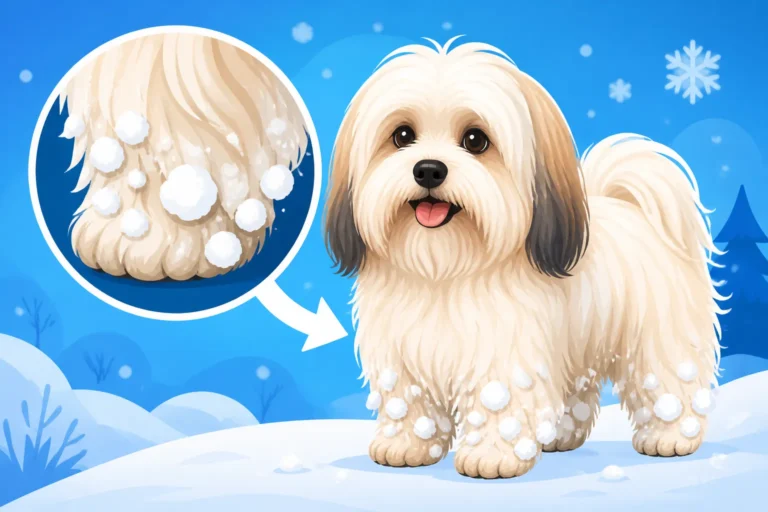
- Weather and Moisture: Damp fur mats much faster than dry fur. If your Havanese gets wet from rain, snow, or even a vigorous drink, ensure they are thoroughly dried and brushed afterward. Whether a Damp Havanese Mats Faster highlights this problem. Snow, in particular, can ball up in their long fur, creating ice clumps that quickly turn into painful mats if not addressed immediately.
- Cleanliness: A clean coat is less likely to mat. Dirt and debris act like glue, helping hairs bind together. Regular bathing with a good quality dog shampoo and conditioner, followed by thorough drying and brushing, is essential. Just be sure to always brush before bathing to loosen any existing tangles, as water will tighten them. How Often a Havanese Should Be Bathed offers practical advice.
- Comfortable Sleeping Arrangements: Provide soft, comfortable beds that don't create too much friction against the coat while your Havanese sleeps. An old, worn-out bed might have rough spots that contribute to matting.
When to Seek Professional Help for Severe Matting
Sometimes, despite all your best efforts, mats become too severe or widespread for home grooming. This is not a failure on your part, but simply a sign that it’s time to call in the professionals.
- Pain and Discomfort: Severe mats can pull at your dog's skin, causing significant pain and discomfort. They can restrict movement, making it hard for your Havanese to walk, play, or even lie down comfortably.
- Skin Issues: Mats prevent air from circulating to the skin, creating a moist, warm environment perfect for bacterial or fungal infections. They can also hide parasites or injuries.
- The "Pelted" Coat: In extreme cases, the entire coat can become one solid "pelt" of matting, adhering tightly to the skin. Attempting to brush or cut out such mats at home is not only incredibly painful for the dog but can also be dangerous, as it's easy to accidentally cut the skin.
- Professional Intervention: A professional groomer is equipped with the right tools and expertise to safely and humanely remove severe matting. Often, this involves shaving the dog down to the skin underneath the mats. While this might feel drastic, it's the kindest option for a severely matted dog. They can then start fresh, and you can implement a new, consistent grooming routine to prevent future issues. Remember, your groomer isn't there to judge, but to help your dog.
Dealing with a wiry-coated Havanese and its matting tendencies might require a little more dedication and the right tools, but it's entirely manageable. By understanding your dog's unique coat, implementing a diligent grooming routine, paying attention to diet, and being aware of environmental factors, you can ensure your furry friend remains happy, healthy, and tangle-free.
Disclaimer
This article is for general informational purposes only and does not constitute professional advice. Laws, prices and regulations vary by location and change over time. Consult a qualified professional for guidance on your specific situation.