When a Havanese Puppy Coat Changes
One of the most surprising, and often frustrating, phases of raising a Havanese puppy is the dreaded "coat change." Many new owners are completely blindsided by this period, finding their once fluffy, easy-to-manage puppy suddenly transforming into a matted mess overnight. This comprehensive guide will walk you through exactly when to expect your Havanese puppy's coat to change, why it happens, and most importantly, how to navigate this challenging but temporary stage.
The Great Havanese Coat Transformation: What to Expect
It’s easy to fall in love with that soft, often sparse, baby fluff your Havanese puppy sports when you first bring them home. It feels like pure cloud, requires minimal effort, and often gives no hint of the grooming adventures to come. Then, almost like a switch is flipped, things start to get… complicated.
The "Ugly Stage" Phenomenon
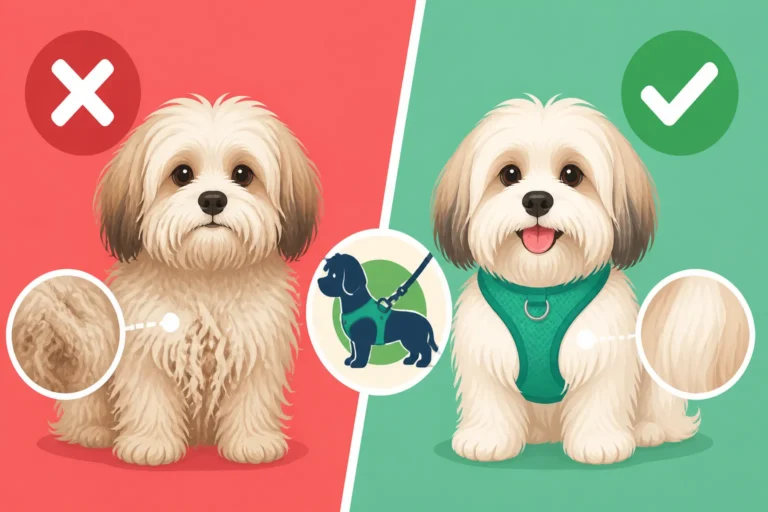
Let's be frank: the coat change often comes with what many Havanese owners affectionately, or perhaps despairingly, call the "ugly stage." One day your puppy is a picture of adorable innocence, and the next, they look like they’ve had a run-in with a static dryer and a particularly aggressive dandelion. Their coat might appear dull, uneven, frizzy, or just generally disheveled. You might find patches of what seems like puppy fluff mixed with coarser, longer strands. It's not pretty, and it can be disheartening, especially when you envisioned that flowing, silky adult Havanese coat.
The reason for this "ugly" appearance is quite simple: two different types of hair are trying to grow in and shed out at the same time. The fine, wispy puppy coat is making way for the denser, more substantial adult coat, and they don't always transition gracefully. This overlap creates a perfect storm for tangles and mats, making your sweet pup look less than show-ready. Don't worry, it's a completely normal part of their development, even if it feels like a personal grooming challenge every single day.
When Does It Actually Begin?
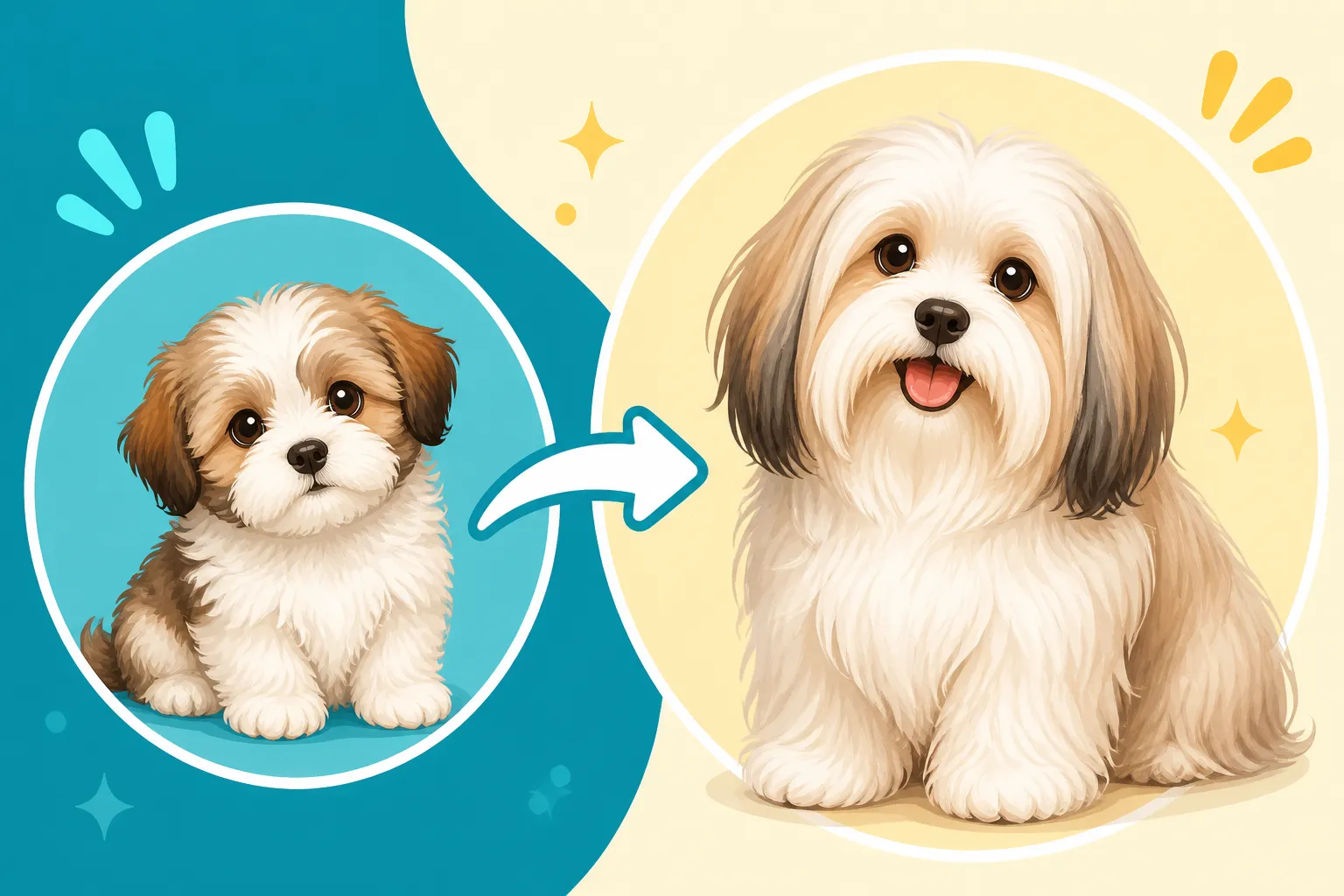
The timing of the Havanese puppy coat change can vary a bit from dog to dog, but generally, you can expect this transformation to kick into high gear somewhere between 8 to 15 months of age. Some puppies might start a little earlier, perhaps around six months, while others might hold onto their baby fluff a bit longer, closer to their first birthday or even slightly beyond. It's rarely a sudden, overnight event, but rather a process that unfolds over several weeks or even a few months.
Think of it as their awkward teenage phase, but for their fur! During The Months a Havanese Puppy Coat Changes, you’ll notice the texture shifting, the density increasing, and the overall volume changing. For instance, my little Luna started showing clear signs around nine months, where her previously soft ear fringes began to feel a bit more substantial, and her body coat started forming tiny, tenacious mats seemingly out of nowhere. It's a key developmental milestone, signaling that your Havanese is maturing from a tiny baby into a dignified (and still adorable) adult.
Understanding the "Why" Behind the Change
The shift from a puppy coat to an adult coat isn't just a random occurrence; it's a natural biological process driven by genetics and maturation. Understanding this "why" can help you appreciate what your Havanese is going through and manage your expectations.
The Transition from Puppy Fluff to Adult Silk
The Havanese is renowned for The Silky Double Coat a Havanese Grows to the Floor, but that luxurious mane doesn't just appear overnight. A puppy's coat is typically softer, finer, and less dense than an adult's. It serves a different purpose, mainly providing initial warmth and protection while their bodies are still growing. As they mature, their skin needs a more robust covering, one that offers better insulation and protection, and also has the characteristic texture and length of the breed.
The adult Havanese coat is a true double coat, meaning it has both a softer undercoat and longer, silkier guard hairs. During the coat change, these new, longer guard hairs begin to emerge, pushing out the old puppy fuzz. This is where the challenge arises: the puppy hair, being lighter and finer, doesn't always release easily from the denser, coarser adult hair. They intertwine, creating a Velcro-like effect that snags and knots with astonishing speed. This is why you'll suddenly find mats where there were none before, often right down to the skin, even if you’ve been brushing diligently. It's a fundamental difference in hair structure making its grand entrance.
Hormonal Shifts and Maturation
Just like humans going through puberty, dogs experience hormonal shifts as they transition from puppyhood to adolescence and adulthood. These hormonal changes play a role in various aspects of their physical development, and coat maturity is one of them. The hormones influence hair follicle activity, dictating when old hair sheds and new hair grows, as well as the texture and density of that new growth.
While you might not visibly notice hormonal changes in your Havanese puppy, their internal systems are working hard to prepare them for adult life, and that includes growing an adult coat. This period of rapid growth and change often coincides with other developmental milestones, such as sexual maturity. For example, some female Havanese might experience a more noticeable coat change around their first heat cycle, further illustrating the connection between hormones and their glorious mane. Understanding that this is a natural, physiological process can help you approach the grooming challenges with a bit more patience and less frustration.
Navigating the Matting Minefield
If there's one word that strikes fear into the heart of a Havanese owner during the coat change, it's "matting." These aren't just minor tangles; these are tenacious, dense knots that can form incredibly quickly and can be painful for your dog if not addressed promptly.
Why Matting Becomes a Major Issue During Coat Change
You know that feeling when you brush your Havanese puppy one evening, and by morning, they have a solid felted patch behind an ear or under an armpit? You’re not imagining things. Why a Havanese Mats at Eight Months and Not Before is directly linked to this transition period. The soft, fluffy puppy hair, which tended to shed out fairly easily or just get brushed away, now gets caught up and woven into the emerging, stronger adult coat. It's like trying to comb two different types of yarn that have been aggressively mixed together – they cling to each other with a vengeance.
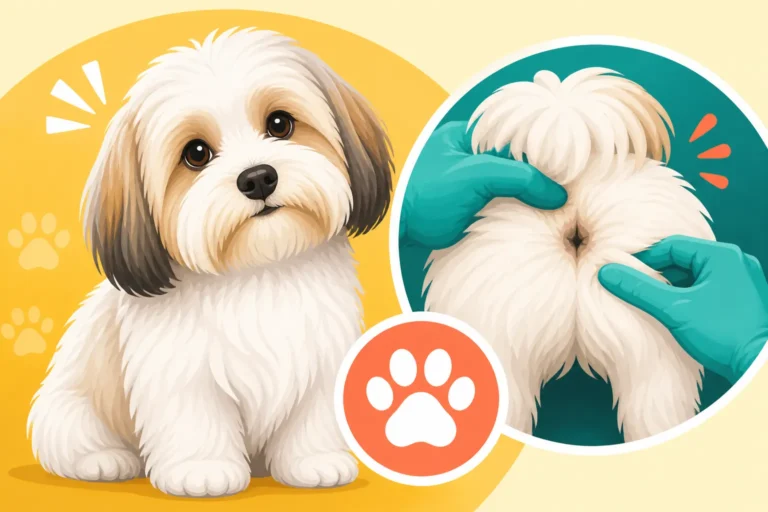
These mats can form in areas of friction, such as under the collar, behind the ears, in the armpits, and around the sanitary areas. Even areas that previously never matted, like their back or sides, can suddenly become a problem zone. The adult hairs are anchoring the puppy hairs in place, preventing them from shedding naturally, and the more they move, play, or even sleep, the tighter those intertwined hairs become. It truly feels like a losing battle some days, but consistent, thorough grooming is your only weapon against this furry foe.
Essential Grooming Tools and Techniques
Dealing with this matting minefield requires a consistent approach and the right tools. First and foremost, invest in a high-quality slicker brush and a sturdy metal comb. The slicker brush is great for working through the bulk of the coat, while the metal comb is indispensable for finding and working out smaller tangles close to the skin. You'll also want a good detangling spray – there are many excellent options available on Chewy or Amazon that can help lubricate the hair and make knots easier to separate.
The technique you need to master is line brushing. This isn't just superficial brushing; it's about getting down to the skin. Part the coat horizontally, then brush a small section from the skin outwards, holding the hair above it up and out of the way. Once that section is tangle-free, drop a bit more hair and repeat. Work systematically over the entire dog. Don't forget those high-friction areas: armpits, behind ears, between legs, and the tail. If you hit a mat, don't just pull. Gently work it out with your fingers first, apply detangling spray, and then use the end of your metal comb to tease apart the strands, one by one. Regular bathing with a good conditioner can also help, but always make sure your Havanese is completely brushed out before bathing, as water tightens mats. Remember, consistency is key; short daily sessions are far more effective than one long, painful weekly session.
Common Coat Changes Beyond Texture
While the change in texture and the sudden onset of matting are the most noticeable aspects of the Havanese coat change, many owners also observe other shifts, particularly in color and curl pattern.
Color Fading, Darkening, or Silvering
It's a common misconception that a Havanese puppy's color is what they'll have for life. In reality, Whether a Havanese Changes Color as It Grows is a resounding yes for many of them! Pigment genes in Havanese are fascinatingly complex, and it's quite typical for their coats to lighten, darken, or "silver out" as they mature. For instance, a beautiful sable puppy, with dark tips on lighter hair, might fade considerably, sometimes even becoming a creamy white or light gold. What you thought was a jet-black puppy could slowly transition to a stunning silver or even a silver-beige. You might be surprised to see Whether a Black Havanese Turns Silver.
This color transformation can be quite dramatic and is part of the breed's unique charm. My friend's Havanese, Coco, was a striking chocolate parti as a puppy, but by the time she was two, her chocolate patches had mellowed to a lovely cafe au lait, and her white had become an almost champagne hue. It's all part of the genetic lottery and adds to their individuality. Don't be surprised if the color you picked out as a puppy looks quite different by the time they reach their full adult coat.
Changes in Curl and Wave Pattern
Another aspect that can evolve during the coat change is the curl or wave pattern. A Havanese puppy might have a fairly straight, slightly wavy, or even a softly curly coat. As the adult coat grows in, you might notice these patterns becoming more pronounced or, conversely, relaxing a bit. For example, a puppy with loose waves might develop a more defined, springy curl, or a straighter-coated puppy might get a noticeable wave.
This is all tied into the genetic makeup of their adult hair follicles. Some Havanese naturally have a wavier coat, while others tend towards a straighter, silkier drape. To understand more about this, you can look into Whether a Havanese Coat Is Wavy or Curly. This variability means that while your Havanese will retain the signature silky texture, the exact level of curl or wave can become more apparent during this transitional period. It adds to the charm and often enhances the full, fluffy appearance of their adult coat, making them look even more distinctively Havanese.
Surviving the Coat Change: Practical Tips and Support
The coat change can feel like an endurance test for both you and your Havanese. However, with the right approach and a bit of perseverance, you can make this period as smooth as possible.
Establishing a Strict Grooming Routine
This cannot be stressed enough: daily brushing is non-negotiable during the Havanese coat change. Even if you only manage 15-20 minutes, consistency will save you hours of detangling later. Set aside a specific time each day, make it a calm and positive experience with treats and praise, and ensure you are line brushing down to the skin. Remember, a Havanese needs How Often a Havanese Must Be Brushed not just during coat change, but throughout their life.
Consider making grooming a bonding ritual. Put on some quiet music, sit on the floor with your pup, and gently work through their coat. If your puppy resists, introduce tools gradually. Let them sniff the brush, then touch them with it, followed by a treat. Build up duration slowly. If mats are getting out of control, don't hesitate to seek professional help. A good groomer can often tackle tough mats with specialized tools and techniques, or recommend a shorter, more manageable haircut, like The Puppy Cut Most Havanese Owners End Up Choosing, to get through this challenging phase. You can find excellent grooming tools, from brushes to detangling sprays, on platforms like Chewy and Amazon.
Diet, Supplements, and Skin Health
A healthy coat starts from within. During the intense period of coat growth and shedding, ensuring your Havanese is receiving optimal nutrition is crucial. A high-quality dog food, whether kibble, raw, or fresh, provides the building blocks for healthy skin and hair. Look for foods with good sources of protein and healthy fats. Some owners find that incorporating omega-3 fatty acid supplements, like fish oil, can significantly benefit coat health, making the hair stronger and more resilient, and potentially reducing excessive dryness that can lead to breakage and matting. To learn more about this, you can check out Whether a Havanese Needs Fish Oil for Its Coat.
While supplements aren't a magic bullet for matting, they do contribute to overall skin and coat vitality. A healthy, moisturized coat is inherently less prone to matting than a dry, brittle one. You might explore brands like Ollie for fresh food options, which often emphasize high-quality ingredients that support overall health, including skin and coat. Always consult with your veterinarian before introducing any new supplements to your dog's diet to ensure they are appropriate for your specific Havanese. Healthy skin means a healthier coat, and every little bit helps during this tricky time.
What to Expect After the Coat Change
The good news is that the coat change is a finite period. While it can feel endless while you're in the thick of it, there is a light at the end of the tunnel.
The Glorious Adult Havanese Coat
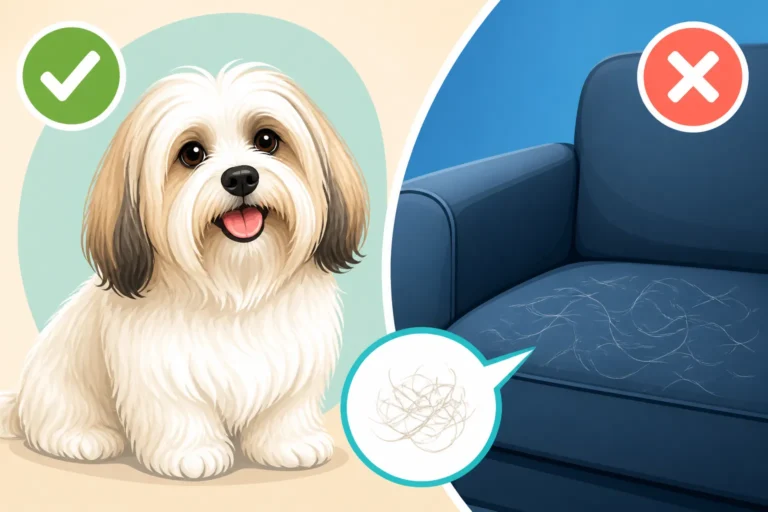
Once your Havanese has successfully navigated the "ugly stage" and shed out most of their puppy fluff, you'll be rewarded with their magnificent adult coat. This coat is typically much denser, silkier, and longer, often flowing elegantly to the floor if maintained. The texture becomes consistently soft and fine, less prone to the erratic tangling that characterized the transitional period. You'll finally see the true beauty and character of the Havanese coat, whether it's the rich tapestry of a parti-color, the subtle shading of a sable, or the classic elegance of a solid color.
This adult coat is a testament to the breed's beauty and the effort you put in during their younger months. While it will still require regular grooming, it usually becomes much more manageable once the tumultuous coat change is behind you. It's a wonderful feeling to finally brush through a smooth, tangle-free coat, knowing that the hard part is over and your Havanese is now sporting their full, glorious attire.
Ongoing Maintenance for a Healthy Coat
While the intense matting period might subside, the Havanese is a high-maintenance grooming breed through and through. The adult coat, while beautiful, still requires consistent care to prevent tangles and maintain its health and luster. Daily or every-other-day brushing will remain important, especially if you choose to keep your Havanese in a long, flowing coat. Regular bathing, often every 1-3 weeks depending on lifestyle, will also be necessary, always followed by thorough drying and brushing to prevent mats.
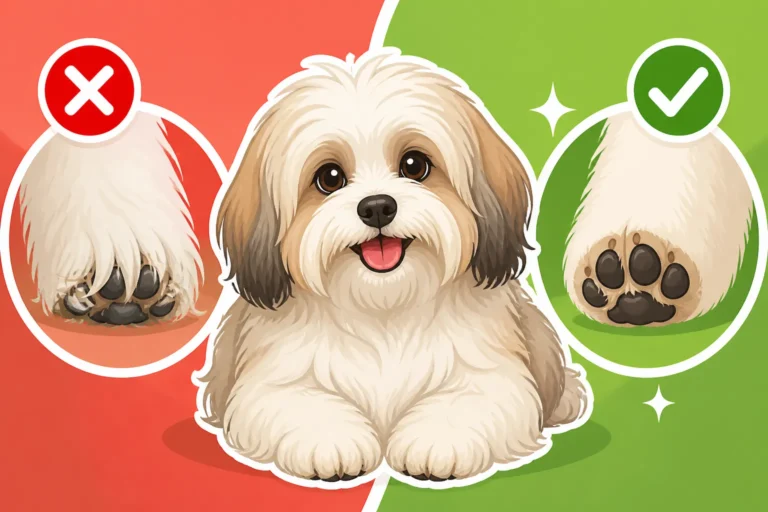
Many owners opt for regular professional grooming appointments, perhaps every 4-8 weeks, to keep the coat trimmed and tidy. Even if you master home grooming, professional help can be invaluable for sanitary trims, nail care, and ensuring ears and paw pads are kept clean and healthy. Don't forget their feet! Regularly check and trim the hair between their paw pads to prevent discomfort and slipping. Maintaining that beautiful The Silky Double Coat a Havanese Grows to the Floor is a lifelong commitment, but one that is incredibly rewarding.
Disclaimer
This article is for general informational purposes only and does not constitute professional advice. Laws, prices and regulations vary by location and change over time. Consult a qualified professional for guidance on your specific situation.