Whether a Havanese Needs a Topknot
It's a question many Havanese owners ponder, often while trying to gently brush a wayward strand of hair out of their sweet dog's eyes: does my Havanese really need a topknot? This guide dives deep into the purpose, practicality, and alternatives to the classic Havanese topknot, helping you understand what's best for your furry companion's health and happiness.
The Havanese Coat and Why Facial Hair Matters
The Havanese is famous for its long, flowing, double coat that can cascade all the way to the floor. While beautiful, this luxurious hair, particularly around their face, presents unique challenges and considerations for their overall well-being. It's not just about aesthetics; it's about comfort and preventing potential health issues.
The Unique Growth Pattern Around Their Eyes
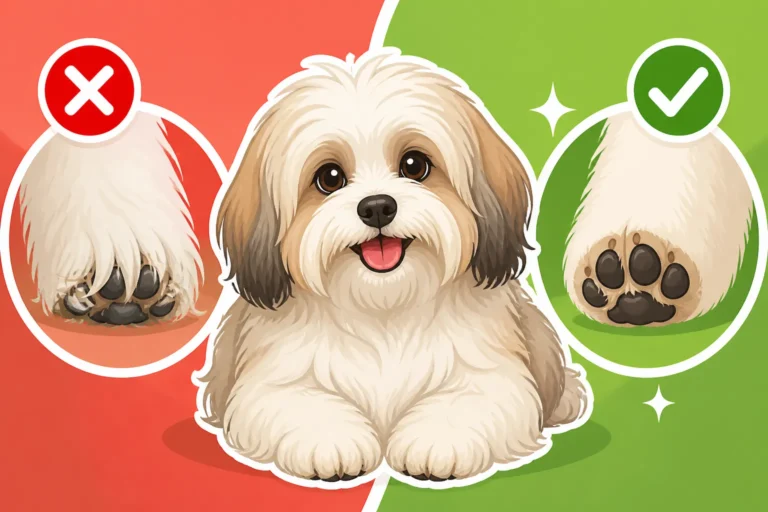
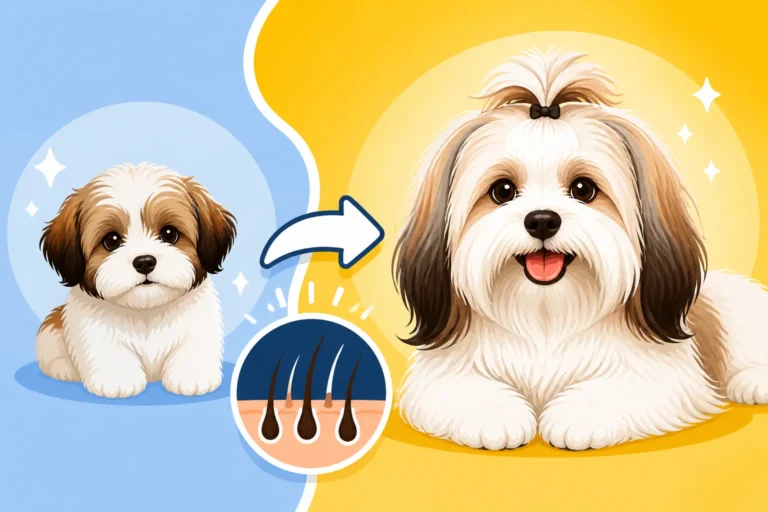
Unlike some breeds with naturally shorter facial hair, a Havanese's coat continues to grow continuously, including the hair directly around their eyes. This silky hair, which is part of The Silky Double Coat a Havanese Grows to the Floor, is designed to protect their delicate eyes from debris and sunlight, but if left untended, it can quickly become a hindrance. Imagine trying to see the world through a constantly shifting curtain of hair – that's often the reality for a Havanese whose facial hair isn't managed.
The fine texture of Havanese hair means it's easily caught by tears, food, and environmental dust, making it prone to matting and staining right at the corner of their eyes. This isn't just a minor annoyance; it can become a sticky, uncomfortable mess that pulls on the skin, traps moisture, and creates a breeding ground for bacteria. Without intervention, this beautiful coat can become a source of irritation and discomfort for your Havanese, potentially leading to more serious problems down the line.
Potential Problems from Untamed Facial Hair
When a Havanese's facial hair constantly falls into their eyes, it can lead to a host of problems. One of the most common issues is chronic irritation, which can manifest as redness, excessive tearing, and constant pawing at the face. This irritation isn't just uncomfortable; it can lead to conditions like conjunctivitis, which is an inflammation of the eye's lining, or even corneal abrasions if sharp hair ends repeatedly rub against the delicate surface of the eye. This is a real concern, and it's why many owners worry about Whether Hair in a Havanese's Eyes Causes Damage.
Beyond direct irritation, unchecked facial hair contributes significantly to tear staining. The constant moisture from tears saturates the hair, creating a damp environment where yeast and bacteria can thrive, leading to the reddish-brown discoloration we often see. This staining, while often cosmetic, can indicate underlying irritation or lead to skin issues if the area remains perpetually moist and unclean. It's a tricky cycle: hair irritates, tears flow, moisture collects, and then more irritation and potential infection can follow. Addressing the hair is often the first step in breaking this cycle and keeping your Havanese's eyes clear and healthy.
The Practical Benefits of a Topknot
For many Havanese owners, the topknot isn't just a cute accessory; it's a practical grooming solution that significantly contributes to their dog's comfort and eye health. It’s a deliberate effort to manage that beautiful, flowing hair in a way that benefits the dog first and foremost.
How a Topknot Protects Vision and Prevents Irritation
The primary and most crucial benefit of a topknot is its ability to keep all that lovely facial hair neatly swept away from your Havanese's eyes. By gathering the hair on the top of the head and securing it, you create a clear field of vision for your dog. Imagine the relief of no longer having strands constantly brushing against your eyeballs or obscuring your view of the world! This simple act significantly reduces irritation, minimizes the risk of corneal scratches, and helps prevent infections that can arise from hair poking the eye.
Furthermore, a well-maintained topknot can dramatically reduce tear staining. When the hair is kept dry and away from the tear ducts, the moisture that typically contributes to those unsightly reddish-brown streaks has less surface to cling to. This not only makes your Havanese look cleaner and brighter but also promotes better skin health underneath the eyes, preventing damp, irritated patches. It's a proactive measure that saves both you and your Havanese a lot of potential discomfort and cleaning hassle in the long run. Keeping a Havanese's Face Clean and Dry becomes much easier with a topknot in place.
Tools and Techniques for a Safe and Effective Topknot
Creating a topknot involves a few simple tools and a gentle hand. You'll primarily need small, non-slip elastic bands specifically designed for pet hair, or tiny decorative clips. Many owners find a fine-toothed comb helpful for sectioning the hair cleanly. When you're ready to start, ensure your Havanese is calm and comfortable. Begin by gently parting the hair above their eyes, extending the part from the outer corner of one eye, up over the head, and down to the outer corner of the other eye. You want to gather all the hair that would naturally fall into their eyes.
Once you have a clean section, gather it smoothly between your thumb and forefinger. Ensure there's no pulling on the skin, as this can be uncomfortable. Then, carefully secure the hair with an elastic band, wrapping it just enough times to hold it firmly without being too tight. You should be able to slip a finger easily under the band. Some owners prefer small, non-pull clips, which can be an easier and less damaging alternative, especially for puppies or dogs with delicate hair. You can find a wide variety of these essential grooming supplies on platforms like Amazon, making it easy to experiment and find what works best for your dog. Patience and positive reinforcement are key; make it a pleasant experience with treats and praise, building a routine that your Havanese associates with comfort, not stress.
Exploring Alternatives to the Traditional Topknot
While the topknot is a classic look and a practical solution for many Havanese, it's certainly not the only way to manage their facial hair. For owners who prefer a lower-maintenance approach or a different aesthetic, several excellent alternatives exist that still prioritize the dog's comfort and vision.
The Simplicity of a Short Facial Trim
One of the most popular alternatives to a topknot is a regular facial trim, often part of what's known as the "puppy cut" or "teddy bear cut." This involves carefully trimming the hair around the eyes, muzzle, and sometimes the entire face, to a shorter, more manageable length. Instead of gathering the hair up, you're essentially removing the length that would fall into the eyes. This creates a perpetually clear line of sight for your Havanese, eliminating the daily need for bands or clips. It's a fantastic option for busy families or dogs who simply don't tolerate having things in their hair.
A skilled groomer can achieve a neat, soft look that highlights your Havanese's expressive eyes without the fuss of a topknot. You'll need to maintain these trims regularly, typically every 4-6 weeks, to prevent the hair from growing back and starting to irritate the eyes again. While it requires professional visits or learning to use clippers and scissors safely yourself, many owners find the overall daily maintenance significantly reduced. If you're considering this route, discussing Whether a Havanese Should Have Its Face Trimmed with your groomer can help you achieve the perfect, easy-care style.
Managing Tear Stains with Cleaning and Diet
Even with a topknot or a trim, some Havanese are prone to tear staining. If left unaddressed, these stains can become deep-seated and difficult to remove. This is where a proactive cleaning routine and attention to diet can make a significant difference. Daily wiping of the area around the eyes with a soft, damp cloth or a specialized pet grooming wipe can help prevent the accumulation of moisture and debris that leads to staining. There are many excellent, gentle products available from retailers like Chewy that are formulated specifically for this delicate area, designed to clean without causing further irritation.
Beyond topical cleaning, sometimes diet plays a role in the severity of tear staining. Ensuring your Havanese is on a high-quality, balanced diet can support overall health, which in turn can influence tear production and composition. Some owners have found that certain ingredients or proteins can exacerbate staining in their individual dogs, though this varies widely. Exploring premium food options, such as those offered by Ollie, might be something to consider if you've exhausted other options and your dog still experiences significant staining. Discussing potential dietary changes with your vet can help you determine if this approach is suitable for your Havanese. Remember, the goal is not just to clean the stain, but to identify and reduce its cause. You can find more comprehensive advice on Whether a Havanese's Tear Stains Can Be Removed.
The Daily Reality of Topknot Maintenance
Deciding on a topknot isn't a one-time decision; it's a commitment to daily care and attention. Understanding what this ongoing maintenance entails is crucial before you commit to this elegant, yet demanding, grooming style for your Havanese.
The Time and Effort Involved in Keeping a Topknot Pristine
Maintaining a topknot properly requires consistent daily attention. This isn't just about tying the hair up; it's about ensuring the hair remains healthy and comfortable. The topknot needs to be undone, brushed, and re-tied every single day. If left in for too long, the elastic band can start to pull on the hair, causing discomfort, breakage, and even bald spots. Worse, the hair can mat severely right at the base of the topknot, leading to painful tangles that are incredibly difficult to remove without cutting.
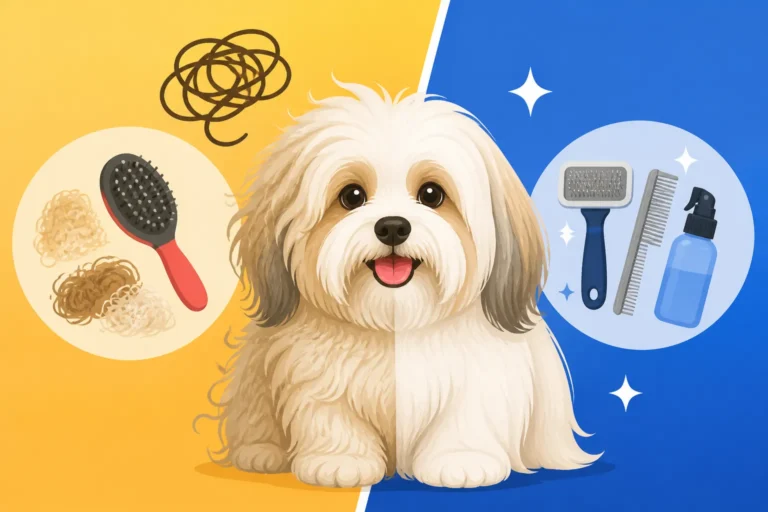
During your daily topknot routine, you'll want to gently brush through the facial hair to remove any loose strands or small tangles before gathering it up again. This prevents small knots from becoming large, painful mats. It also provides an opportunity to check for any redness or irritation around the eyes or under the elastic. This commitment means setting aside a few minutes each day, making it a regular part of your Havanese's care, much like their daily walk or mealtime. It's a small investment of time that pays off in a healthy, comfortable, and beautiful Havanese. You can read more about daily brushing in How Long Brushing a Havanese Takes Daily.
Ensuring Your Havanese Is Comfortable with a Topknot
Introducing a topknot to your Havanese, especially as a puppy, should be a gradual and positive experience. Some dogs take to it immediately, while others might be more resistant, finding the sensation of hair being tied up unfamiliar or even annoying. Start with very short sessions, making sure the band or clip is loose enough not to pull. Offer high-value treats and plenty of praise during and immediately after the process. The goal is to create a positive association, so they learn to tolerate and eventually enjoy the attention.
If your Havanese is constantly pawing at their topknot, shaking their head excessively, or rubbing their face on furniture, it's a clear sign they are uncomfortable. The band might be too tight, pulling on their skin, or the hair itself might be irritating them. In such cases, it's better to remove the topknot, give them a break, and try again later with a different type of band or clip, or even a different method of gathering the hair. Some dogs simply prefer a shorter trim around their face, and there's nothing wrong with opting for an alternative if your Havanese isn't happy. Patience and understanding are paramount in Teaching a Havanese to Have Its Face Trimmed and accepting the topknot.
Personal Choices: Topknot for Show or Lifestyle
The decision to give your Havanese a topknot often comes down to a blend of practical needs and personal preference. For some, it's a non-negotiable part of the breed's presentation, while for others, lifestyle and convenience dictate a different approach.
Topknots in the Show Ring Versus Everyday Life
For Havanese participating in conformation shows, a topknot is not just encouraged, it's often a requirement of the breed standard. Show Havanese are expected to display their full, natural coat, including the long facial hair. The topknot serves to showcase the quality and length of this hair while also keeping it out of the dog's eyes, allowing the judges to see their expression clearly. In the show ring, the topknot is meticulously styled and secured, sometimes with multiple small bands, to create a perfect presentation. This level of grooming is highly specialized and time-intensive.
However, for the vast majority of Havanese owners whose dogs are cherished family pets, the rigorous demands of a show topknot are simply not practical or necessary. While the principles of keeping hair out of the eyes remain, pet owners have much more freedom in how they achieve this. A simple single band or a small clip is often sufficient for a pet Havanese. There's no requirement for a specific aesthetic, only for the dog's comfort and health. Understanding this distinction can free pet owners from feeling obligated to maintain a show-ring look that might not suit their daily lives. You don't need to commit to What a Show Havanese Coat Costs to Maintain if your Havanese is a beloved companion.
Deciding What's Best for Your Havanese and Your Household
Ultimately, the choice of whether your Havanese needs a topknot boils down to a thoughtful consideration of several factors unique to your dog and your family. Start by observing your Havanese: does their facial hair consistently fall into their eyes? Do they seem irritated or paw at their face frequently? Are you seeing regular tear staining that bothers you or indicates underlying issues? These observations will guide your decision on whether any intervention is needed for their facial hair. If so, then consider the options.
Next, think about your lifestyle. Do you have the time and dedication for the daily maintenance a traditional topknot requires? Are you comfortable learning to do it yourself, or are you willing to regularly visit a professional groomer for upkeep? If daily upkeep feels overwhelming, or if your Havanese simply doesn't tolerate having their hair tied up, then a well-executed facial trim (like The Puppy Cut Most Havanese Owners End Up Choosing) might be a far more practical and stress-free solution for everyone involved. Your Havanese's comfort and well-being should always be the top priority, followed by your ability to consistently provide the necessary care.
Here’s a quick comparison to help weigh your options:
| Feature | Topknot (Traditional) | Facial Trim (e.g., Puppy Cut) |
|---|---|---|
| Main Purpose | Keeps long hair out of eyes; Show ring aesthetic | Keeps hair out of eyes; Low maintenance; Pet aesthetic |
| Appearance | Classic Havanese long-haired look | Softer, often rounder "teddy bear" look |
| Daily Upkeep | High: Must be undone, brushed, and re-tied daily | Low: Minimal daily fuss, occasional wipe |
| Professional Grooming | Less frequent full body trims, but needs tidying | Regular trims (every 4-6 weeks) to maintain length |
| Risk of Matting | High if not diligently maintained; especially at band base | Low if kept short; only if heavily neglected |
| Tear Staining | Reduced if hair is consistently kept dry and away from eyes | Can still occur but often easier to clean without long hair |
| Comfort for Dog | Can be comfortable if done correctly; potentially irritating if too tight/pulling | Generally very comfortable; no pulling on hair |
| Tools Needed | Pet-safe elastic bands/clips, fine comb, slicker brush | Clippers, blunt-nosed scissors (for DIY), professional groomer visits |
Disclaimer
This article is for general informational purposes only and does not constitute professional advice. Laws, prices and regulations vary by location and change over time. Consult a qualified professional for guidance on your specific situation.