How Often a Havanese Should Be Bathed
The question of how often to bathe your precious Havanese is one that puzzles so many of us, and it's a completely valid concern! You want your little companion to smell fresh and look pristine, but you also worry about drying out their skin or ruining that beautiful, flowing coat. It's a delicate balance, and getting it right means understanding their unique grooming needs. This comprehensive guide will walk you through everything you need to know to establish a healthy bathing routine for your Havanese, ensuring they stay clean, comfortable, and utterly charming.
Understanding the Havanese Coat and Its Needs
Let's start by diving into what makes the Havanese coat so special. It's not just any dog fur; it's a defining characteristic of the breed, and understanding its intricacies is key to proper bathing and overall coat care.
The Unique Double Coat of a Havanese
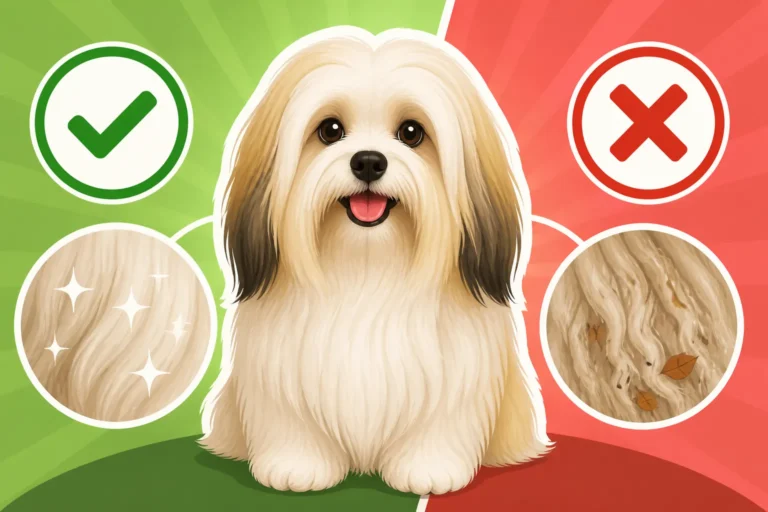
One of the most distinctive features of our Havanese friends is their glorious double coat. Unlike many breeds that shed profusely, the Havanese has a non-shedding, silky double coat that can grow quite long, often reaching the floor if left untrimmed. This isn't a coarse coat; it's designed to be soft and light, almost like raw silk. It consists of a softer undercoat and a longer, wavy outer coat. This unique structure is what gives them that lovely, floating gait when they move. While it's beautiful, this type of coat is also prone to matting if not properly maintained, and frequent, improper bathing can exacerbate these issues. You might wonder, The Silky Double Coat a Havanese Grows to the Floor, but it truly is a magnificent part of their charm and history.
The double coat serves a protective purpose, too. In their native Cuba, it helped insulate them from the heat, and today it still provides a barrier against environmental elements. Because it doesn't shed in the traditional sense, dead hair gets caught within the live coat, which is why regular brushing is absolutely non-negotiable. If you don't brush, those loose hairs tangle and eventually form mats, which can be incredibly uncomfortable for your dog and make bathing a nightmare.
Why Over-Bathing Can Be Detrimental
It's tempting to want your Havanese to smell like fresh lavender every day, but over-bathing can actually do more harm than good. A dog's skin, much like our own, has natural oils that protect and moisturize it. These oils are crucial for maintaining a healthy skin barrier and a lustrous coat. When you bathe your Havanese too frequently, especially with harsh shampoos, you risk stripping away these essential oils.
The consequences of over-bathing can manifest in several ways. You might notice your Havanese developing dry, flaky skin, which can lead to itchiness and discomfort. This scratching can then create skin irritations or even secondary infections. Furthermore, stripping the oils can make the coat brittle and more prone to breakage, diminishing its natural shine and softness. Instead of a silky, flowing coat, you could end up with a dull, dry, and static-prone mess that mats even more easily. It's a classic case where "too much of a good thing" genuinely applies.
The Role of Brushing in Coat Health
Before we even talk about water and suds, let's talk about the absolute cornerstone of Havanese coat care: brushing. For a Havanese, brushing is essentially their daily bath. It removes loose hair, dirt, debris, and helps distribute those natural skin oils throughout the coat, keeping it healthy and preventing mats. Think of it as a dry cleaning process that keeps the coat breathable and vibrant.
If you don't keep up with regular brushing, particularly during the transition from puppy to adult coat, you'll find yourself battling serious mats. Many Havanese owners report that their puppies suddenly start matting intensely around the 8-month mark as their adult coat comes in – it's a real phenomenon! You can read more about it in Why a Havanese Mats at Eight Months and Not Before. Daily, thorough line brushing is what truly keeps their coat in top condition and extends the time between necessary baths. If you're brushing diligently, your Havanese will naturally stay cleaner for longer, reducing the need for wet baths.
Factors Influencing Bathing Frequency
There's no single "magic number" for how often to bathe a Havanese. Several factors play a significant role in determining the ideal frequency for your individual dog. Understanding these can help you tailor a routine that works best for both of you.
Lifestyle and Activity Level
Consider your Havanese's daily routine. Is your little companion a pampered indoor prince or princess, mostly trotting around clean floors and snuggling on the couch? Or are they an adventurous explorer, happily romping in the park, digging in the garden, or navigating muddy puddles on walks? The answer to this question will heavily influence how often they need a bath.
An indoor Havanese with limited outdoor exposure might stay relatively clean for weeks, perhaps even a month or more, with consistent daily brushing. They aren't picking up much grime or allergens from the environment. However, a Havanese who regularly enjoys outdoor activities, whether it's agility training, trips to the dog park, or simply more adventurous walks, will naturally get dirtier faster. Mud, dust, pollen, and other environmental contaminants cling to their luxurious coats, making more frequent baths a necessity. If your Havanese loves to roll in something questionable – and let's be honest, many of them do! – then a bath becomes an immediate priority, regardless of the last time they had one.
Coat Length and Condition
The length and style of your Havanese's coat also make a big difference. A Havanese kept in a full, long show coat will generally require more frequent and meticulous bathing and conditioning than one sporting a practical "puppy cut" or a shorter clip. The longer the hair, the more surface area there is for dirt and debris to cling to, and the more likely it is to tangle and mat between baths.
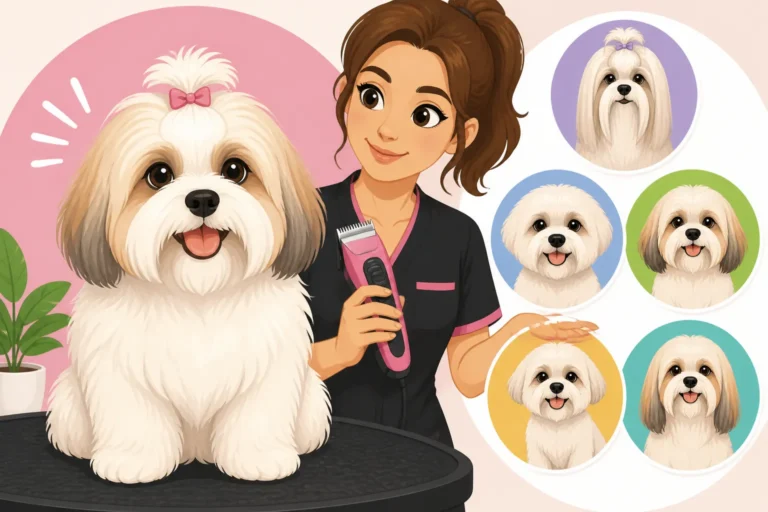
Many Havanese owners eventually opt for a shorter, more manageable clip like The Puppy Cut Most Havanese Owners End Up Choosing because it significantly reduces the time and effort required for daily grooming. With a shorter coat, dirt is less likely to become embedded, and brushing takes less time, which can translate to needing fewer full baths. If your Havanese's coat is already prone to matting, perhaps due to texture or a lack of consistent brushing, you might find yourself needing to bathe more often to loosen tangles, provided you follow up with thorough drying and detangling. Conversely, a well-maintained, tangle-free coat can go longer between washes.
Skin Sensitivities and Allergies
Just like people, some Havanese have more sensitive skin or are prone to allergies. These conditions can significantly impact bathing frequency and the products you choose. A dog with environmental allergies, for instance, might benefit from more frequent baths to wash away allergens like pollen from their coat, especially during peak allergy seasons. In such cases, your veterinarian might recommend specific medicated shampoos or hypoallergenic formulas.
On the other hand, if your Havanese has very dry skin, a history of skin infections, or certain dermatological conditions, over-bathing could worsen their symptoms. For these sensitive pups, your vet might advise less frequent bathing or recommend specific hydrating shampoos and conditioners designed to soothe and protect the skin barrier. Always consult with your veterinarian if your Havanese has ongoing skin issues, as they can provide tailored advice on bathing frequency and suitable products.
Establishing a Regular Bathing Schedule
So, with all those factors in mind, how do you actually establish a workable bathing schedule? It's about finding a rhythm that keeps your Havanese clean and healthy without causing undue stress or skin issues.
General Guidelines for Most Havanese
For the average Havanese living a typical indoor-outdoor life and maintained with regular brushing, a good starting point for bathing frequency is every 2 to 4 weeks. This range allows enough time for natural oils to replenish and protect the skin and coat, while also keeping them fresh and preventing excessive dirt and grime buildup.
Think of it this way:
- Every 2 weeks: This might be appropriate for a Havanese with a longer coat, an active outdoor lifestyle, or mild skin allergies where more frequent rinsing helps.
- Every 3 weeks: A very common and often ideal frequency for many Havanese, offering a balance between cleanliness and preserving natural coat health.
- Every 4 weeks (or even monthly): This can work well for Havanese who spend most of their time indoors, have shorter coats, or whose owners are incredibly diligent with daily brushing and spot cleaning.
Consistency is key. Once you find a schedule that works for your dog, try to stick to it. Their coat and skin will adapt, and the process will become a normal part of their routine.
Recognizing When Your Havanese Needs a Bath Now
While a regular schedule is great, sometimes life happens, and your Havanese needs an impromptu bath. There are some tell-tale signs that scream "bath time!" regardless of when their last one was:
- The "Havanese Funk": This is probably the most obvious sign. If your Havanese starts to develop a noticeable doggy odor, it's time for a bath. This smell often indicates a buildup of oils, dirt, or sometimes yeast on the skin and coat. You might find yourself wondering Whether a Havanese Smells Between Baths, and while good grooming minimizes it, sometimes a full wash is the only answer.
- Visible Dirt and Grime: Did they roll in mud? Did they brush up against something sticky on a walk? Is their beautiful white coat suddenly a shade of grey around the paws and belly? If you can visibly see dirt, mud, or anything else clinging to their coat, it's time to get them clean.
- Sticky or Greasy Coat: Run your hands through their fur. Does it feel greasy, heavy, or sticky rather than soft and silky? This is a sign of oil buildup and environmental pollutants accumulating on the coat. A bath will help restore its natural texture and lightness.
- Matting: While brushing helps prevent mats, sometimes a particularly stubborn mat, or a patch that's gotten wet and dried improperly, can benefit from a bath. The water and conditioner can help loosen the hair, making it easier (though still challenging!) to work out tangles after the bath, once the coat is completely dry. Never attempt to brush out a mat on a wet coat, as this will only tighten it.
Seasonal Considerations
The time of year can also influence how often your Havanese needs bathing. Different seasons bring different challenges and opportunities for dirt.
- Spring: Ah, spring! The season of muddy puddles, melting snow, and blooming pollen. If your Havanese enjoys romping outdoors, they're much more likely to come back with muddy paws, bellies, and pollen clinging to their coat. For dogs with seasonal allergies, a more frequent rinse-off might be beneficial to wash away irritants.
- Summer: Summer often means more time outdoors, perhaps trips to the beach (if appropriate for their coat) or just more sweating and outdoor adventures. While they might not be muddy, they can get dusty, sandy, or just generally grimy. Keep an eye on their skin for any irritation from heat or dampness.
- Fall: Autumn brings fallen leaves, which can be delightful to roll in but also carry moisture and dirt that can transfer to your Havanese's coat. Wet leaves can lead to matting, especially around the legs and belly.
- Winter: For some, winter means less outdoor time and thus fewer baths. For others, it means slush, road salt, and snowballs clinging to their long fur. If your Havanese gets snow-balled, a warm water rinse (without shampoo) for just the affected areas might be all that's needed, followed by thorough drying. Consider booties to protect their paws from salt and ice. Whether a Havanese Needs a Coat in Winter is also a good question to ponder for their overall comfort and cleanliness.
The Art of Bathing a Havanese Properly
Bathing a Havanese isn't just about getting them wet and lathering up; it's an art that requires patience and the right technique to protect their delicate coat and skin. Done correctly, it's a bonding experience; done poorly, it can be a nightmare for both of you.
Essential Supplies for a Havanese Bath
Before you even think about turning on the water, gather all your supplies. Being prepared makes the process smoother and less stressful. Here's what you'll need:
- Quality Shampoo and Conditioner: This is paramount. Look for shampoos specifically formulated for dogs, preferably tearless for their face, and designed for sensitive skin or long coats. Avoid human shampoos, as they have a different pH balance that can irritate dog skin. A good quality dog conditioner is equally important to hydrate the coat and prevent tangles. Brands like Earthbath, TropiClean, or even those available on Chewy or Amazon often have excellent options. When considering Which Shampoo Suits a Havanese, think about their specific coat and skin needs.
- Brushes and Combs: You'll need a slicker brush and a metal comb. These are crucial for pre-bath brushing and post-bath detangling.
- Cotton Balls or Ear Plugs: To protect their ears from water. Havanese ears are prone to infection if water gets trapped inside, so this step is vital. You can find more specific advice about ear care in Whether a Havanese's Ears Need Drying After a Bath.
- Towels: Plenty of absorbent towels for initial drying.
- High-Velocity Dryer (Pet-Specific): This is a game-changer for Havanese owners. A human hairdryer can get too hot and damage their delicate hair, but a pet-specific force dryer pushes water out of the coat efficiently, dramatically speeding up drying time and helping to straighten the coat to prevent mats. If you're serious about home grooming, investing in one from Amazon or a specialized pet supplier is highly recommended.
- Grooming Table (Optional but Recommended): A small grooming table with a noose can make the process much easier, saving your back and keeping your dog secure.
- Treats: Positive reinforcement makes the experience much more pleasant for your Havanese!
Step-by-Step Bathing Process
Alright, supplies gathered? Let's get washing!
- Pre-Bath Brush Out: This is the most critical step before the water even touches their coat. Thoroughly brush out any tangles and mats with your slicker brush and then go over the coat with your metal comb to ensure you've gotten everything. Water will only tighten mats, making them nearly impossible to remove without cutting. If you find significant matting, it's often better to try and work them out before the bath, or consider a professional groomer.
- Protect the Ears and Eyes: Place cotton balls gently into your Havanese's ear canals to prevent water from entering. Apply a protective eye ointment or carefully avoid getting water and soap in their eyes.
- Wet Thoroughly: Gently wet your Havanese's coat with lukewarm water, starting from the neck and working your way down to the tail and paws. Ensure the water penetrates all layers of their thick coat, right down to the skin. This can take longer than you expect!
- Shampoo and Lather: Apply a small amount of diluted shampoo and gently massage it into their coat, working up a lather. Be gentle; avoid harsh scrubbing that can cause tangles. Pay extra attention to commonly dirty areas like paws, belly, and behind the ears. Rinse thoroughly until no shampoo residue remains.
- Condition: Apply a generous amount of dog conditioner, again working it through the entire coat. Let it sit for a few minutes to deeply hydrate the hair. This is especially important for Whether Conditioner Helps a Havanese Coat remain silky and manageable.
- Rinse, Rinse, Rinse! This is perhaps the second most critical step. Any leftover shampoo or conditioner residue can irritate the skin and make the coat dull and sticky, actually attracting dirt and causing matting. Rinse until the water runs completely clear and the coat feels squeaky clean.
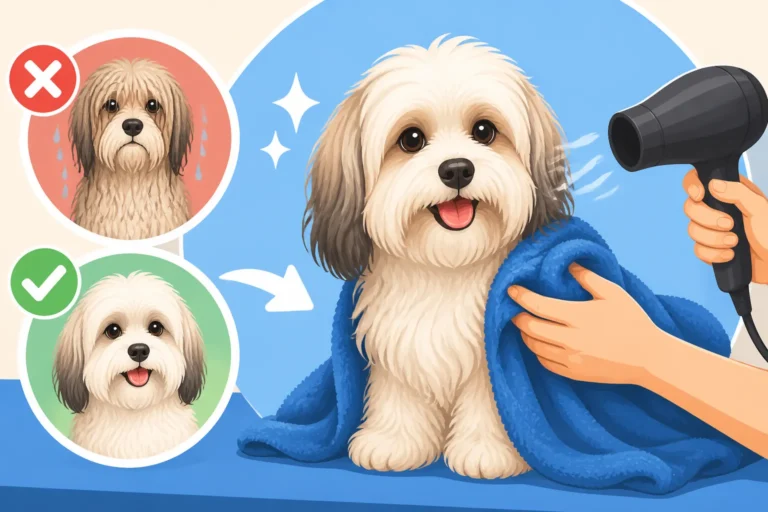
- Squeeze and Towel Dry: Gently squeeze excess water from their coat with your hands, then wrap them in an absorbent towel. Blot and pat; never rub vigorously, as this can create immediate tangles.
Drying a Havanese Properly
Drying is where many home groomers go wrong, and it can literally make or break the outcome of your Havanese's bath. Improper drying leads to matting, skin issues, and can ruin all the hard work you just put in. This is why I always emphasize Drying a Havanese Properly as a skill in itself.
After towel drying, you absolutely must use a pet-specific force dryer, or at least a low-heat, low-speed human hairdryer held at a safe distance. Here’s how:
- Section and Dry: Start drying your Havanese in sections. Use a slicker brush or pin brush to gently brush the hair as you dry it, always drying downwards in the direction of hair growth. This helps straighten the hair and prevents tangles.
- Lift and Separate: For longer coats, lift sections of hair and dry the undercoat first, working your way up. This ensures no damp spots are left behind, which can lead to mildew and skin problems.
- Brush Continuously: Keep brushing through the coat as you dry. This is essential for preventing mats from forming as the hair dries. The force of the dryer, combined with brushing, helps to completely separate each strand of hair.
- Check for Dampness: Ensure your Havanese is 100% dry, right down to the skin. Pay special attention to the chest, armpits, behind the ears, and the base of the tail – these are common areas for hidden dampness and subsequent matting. Even slightly damp fur can mat as it dries naturally.
- Final Comb Through: Once completely dry, give their entire coat one last thorough comb-through with your metal comb to ensure there are no missed tangles.
Maintaining Cleanliness Between Baths
While regular bathing is important, keeping your Havanese clean and comfortable between washes is just as vital. This ongoing maintenance greatly reduces the need for emergency baths and ensures their coat remains healthy.
Spot Cleaning and Paw Washes
Not every speck of dirt or minor incident requires a full bath. Spot cleaning is your best friend for a Havanese. Did they just step in a muddy puddle? A quick paw wash might be all that's needed. Keep a small basin of warm water and a towel near the door for a quick dip and wipe of their paws after outdoor excursions.
For other small messes, like a bit of food stuck in their beard or a patch of dirt on their leg, a damp cloth with a tiny bit of dog-safe shampoo (and a very thorough rinse afterward) can do the trick. Many pet supply stores, including those on Chewy, offer waterless shampoos or cleansing wipes that are excellent for quick touch-ups. These products can remove superficial dirt and odors without requiring a full wet bath, extending the time between washes and keeping your Havanese smelling fresh.
Keeping a Havanese's Face Clean and Dry
The Havanese's adorable face, with its long beard and expressive eyes, is a magnet for food, water, and tear stains. Keeping this area clean and dry is crucial not only for aesthetics but also for preventing skin irritation and bacterial growth. Many Havanese owners battle with tear staining, which can make the area around their eyes look reddish-brown.
Daily attention to their face is a must. After every meal, wipe their beard with a damp cloth to remove any food residue. You might even consider having them drink from a water bottle (like those for hamsters) or a narrow, deep bowl that keeps their beard mostly dry. For tear stains, gentle wiping with a pet-safe eye cleaner or just warm water daily can help reduce buildup. It's a constant battle, but a clean face makes a huge difference in their overall appearance and comfort. For a deep dive into this topic, check out Keeping a Havanese's Face Clean and Dry.
The Benefit of Regular Brushing and Grooming Routines
We've talked about it before, but it bears repeating: daily brushing is the single most effective way to maintain cleanliness and health between baths. A well-brushed coat sheds dirt and debris more easily, prevents mats from forming, and distributes natural oils evenly, which keeps the skin healthy and the coat shiny.
Think of brushing as preventive maintenance. By investing 15-30 minutes each day (or every other day, depending on coat length and lifestyle) into a thorough line brushing, you're not just making your Havanese look good; you're actively cleaning their coat and preventing major grooming headaches down the line. This consistent routine will save you time and stress in the long run and make bath times far less daunting. A full grooming routine, which includes brushing, nail trims, ear cleaning, and teeth brushing, is part of being a responsible Havanese owner. Knowing How Long Brushing a Havanese Takes Daily can help you fit it into your schedule.
Special Considerations and Common Myths
Beyond the regular routine, there are always those edge cases and common misconceptions that can trip up even experienced Havanese owners. Let's tackle a few.
Bathing Havanese Puppies vs. Adults
Bathing a Havanese puppy differs slightly from bathing an adult. Puppies are still developing their immune systems and can get chilled easily. Their skin is also more delicate.
- Frequency: Generally, Havanese puppies don't need to be bathed as often as adults, unless they get truly filthy. Too frequent bathing can dry out their super soft puppy fur and skin. Usually, a bath every 3-4 weeks is sufficient, perhaps less if they are very clean indoors. Focus more on gentle handling and positive reinforcement to make bathing a pleasant experience from the start.
- Technique: Use warm water, gentle, tearless puppy shampoo, and ensure the entire process is calm and reassuring. Keep the bath short and follow with very thorough and quick drying to prevent them from getting cold. Introduce the dryer gently, on a low setting, associating it with treats and praise. The goal is to create positive associations with grooming tasks early on.
Addressing "Stinky Dog" Syndrome
Sometimes, your Havanese might seem to get stinky quickly, even after a recent bath. While it's easy to assume they just need another wash, persistent or unusual odors can actually be a sign of underlying health issues rather than just dirt.
- Skin Infections: Bacterial or yeast infections on the skin can cause a distinct, often yeasty or musty odor. These require veterinary attention and often medicated shampoos or oral medications.
- Ear Infections: Havanese, with their floppy ears, can be prone to ear infections, especially if hair in the ear canal traps moisture. An ear infection often presents with a foul odor coming directly from the ears. If you notice a smell, redness, or your dog shaking their head, it's time for a vet visit. This can sometimes be linked to Whether Hair in a Havanese's Ear Canal Causes Infection.
- Dental Issues: Poor dental hygiene can lead to bad breath, which you might mistake for a general "stinky dog" smell. Regular tooth brushing and professional dental cleanings are crucial for Havanese, who are prone to dental crowding.
- Anal Gland Issues: Impacted or infected anal glands can release a very strong, unpleasant odor. If you notice your Havanese scooting or licking excessively at their rear, this could be the culprit and requires a vet or groomer's attention.
If your Havanese consistently smells bad despite regular grooming, it's always best to consult your veterinarian to rule out any health problems.
Dispelling Myths About Bathing and Coat Damage
There are a lot of old wives' tales floating around about dog bathing. Let's set a few straight:
- Myth: Bathing too often will ruin their coat or make it shed more. For a Havanese, proper bathing with appropriate products and thorough drying actually improves coat health and manageability. Since they are a non-shedding breed, bathing won't increase shedding. Poor quality shampoos, harsh scrubbing, and improper drying are what truly damage the coat, not the act of bathing itself.
- Myth: My Havanese needs to be "degreased" with dish soap. Absolutely not! Dish soap is far too harsh for a dog's skin and coat. It strips away all natural oils, leaving the skin dry, irritated, and susceptible to issues. Stick to dog-specific shampoos.
- Myth: My Havanese will "catch a cold" if bathed in winter. Dogs don't catch colds from being bathed, but they can get hypothermia if not dried properly. As long as you use warm water and dry them completely and quickly, bathing in winter is perfectly safe and often necessary.
Finding the right bathing frequency for your Havanese is a learning process, but by understanding their unique coat, paying attention to their lifestyle and individual needs, and committing to a consistent grooming routine, you'll ensure your furry friend stays happy, healthy, and beautifully clean.
Bathing Frequency at a Glance
To help you visualize, here's a general guide for how often you might consider bathing your Havanese based on typical factors. Remember, these are guidelines, and your dog's individual needs may vary.
| Factor | Recommended Bathing Frequency | Notes |
|---|---|---|
| Indoor Lifestyle | Every 3-4 weeks | Low exposure to outdoor dirt and allergens. Requires diligent daily brushing to remove loose hair and keep coat fresh. |
| Active Outdoor Lifestyle | Every 2-3 weeks | Regular walks, park visits, or training outdoors. Prone to picking up more dirt, pollen, and debris. May require more frequent paw/spot washes between full baths. |
| Long, Full Coat (Show Coat) | Every 1-2 weeks | Demands rigorous maintenance. Long hair collects dirt easily and mats quickly. Frequent conditioning and precise drying are essential. Often requires professional grooming guidance. |
| Short "Puppy Cut" | Every 3-4 weeks | Shorter length is less prone to tangles and embedded dirt, making maintenance easier. Still benefits from regular brushing. |
| Sensitive Skin / Allergies | As advised by your vet | May need more frequent baths with medicated or hypoallergenic shampoos to remove allergens, or less frequent if dryness is an issue. Always follow professional veterinary guidance for specific skin conditions. |
| Gets Dirty Often (e.g., Mud) | As needed, immediately | If your Havanese rolls in something foul or gets visibly caked in mud, a bath is necessary regardless of schedule. Focus on spot cleaning if only certain areas are affected. |
Disclaimer
This article is for general informational purposes only and does not constitute professional advice. Laws, prices and regulations vary by location and change over time. Consult a qualified professional for guidance on your specific situation.