Whether Missing Days of Brushing Costs a Havanese Its Coat
It’s a worry I hear from so many Havanese parents: you get busy, life throws a curveball, or maybe you just haven’t been feeling your best, and suddenly you realize it’s been a few days since your sweet Havanese had a proper brush-out. A wave of guilt washes over you, followed by panic. Will missing a few days of brushing truly ruin their beautiful coat? This guide is here to walk you through exactly what happens when brushing lapses, the potential consequences, and most importantly, how to prevent and manage those dreaded mats so your Havanese can stay happy and comfortable.
The Anatomy of a Havanese Coat and Why It Matters So Much
The Havanese coat is truly something special, a hallmark of the breed, and often the reason many people fall in love with them. But that beauty comes with a responsibility, and understanding why it’s so prone to tangles is the first step in prevention.
Understanding the Havanese Double Coat
Unlike some breeds, Havanese sport a luxurious double coat, though it’s often described as a single coat by those who don’t recognize the very fine, wispy undercoat they possess. The outer coat is long, silky, and can grow right down to the floor if left untrimmed, while underneath lies a softer, downier undercoat. This combination is what gives them their unique flowing appearance and makes them so delightful to cuddle. However, these two layers, especially when the undercoat sheds, love to intertwine and create a perfect storm for matting.
Think of it like this: you have fine, silky threads (the outer coat) and fluffy cotton (the undercoat). When these get mixed together, especially with a bit of static, friction, or moisture, they don’t just fall apart. Instead, they cling to each other, forming knots that quickly tighten. Every Havanese's coat is a little different, too. Some have a truly profuse, cottony coat, while others have a silkier, slightly thinner one. This means some Havanese are inherently more prone to matting than others, simply due to their individual coat texture. It’s not necessarily a reflection on your grooming skills, but rather an indicator of how diligent you might need to be. Whether a Havanese Coat Texture Varies by Line can sometimes give you a hint of what to expect, but often it's a pleasant surprise or a learning curve with each unique dog.
The Matting Process: From Tangle to Pelt
A mat isn’t just a simple knot; it’s a progression. It starts innocently enough. Maybe a bit of loose undercoat gets caught in the longer outer hair. A little friction from rolling on the carpet, playing with another dog, or rubbing against furniture, and poof, a small tangle forms. If this tangle isn't promptly brushed out, it acts like a magnet, pulling in more loose hair, dirt, and dander. It tightens, growing bigger and denser.
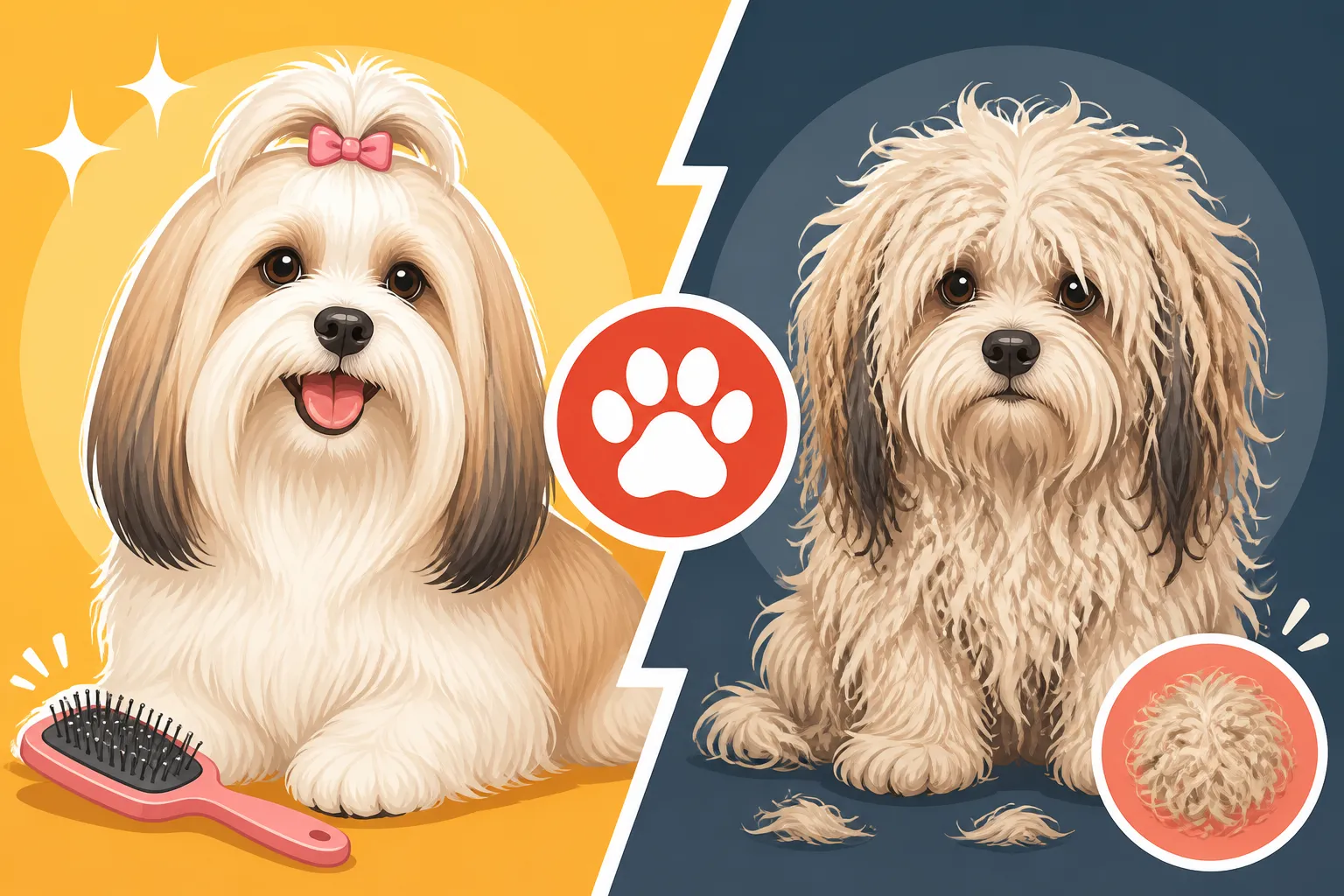
Before you know it, that small tangle has become a hard, felt-like clump. These are often found in high-friction areas: behind the ears, under the armpits, on the belly, and around the "pants" on their hind legs. If multiple mats coalesce and become one large, solid mass, it forms what groomers call a "pelt." A pelt is not just unsightly; it pulls painfully on the skin, restricts movement, and can even cut off air circulation to the skin underneath. It’s akin to having a tight, coarse blanket glued to your skin, constantly tugging and causing discomfort. It's a serious issue, far beyond just a bad hair day.
The Real Cost of Missing Brushing Days
When those brushing days get missed, the consequences can quickly escalate from minor inconvenience to serious health concerns and costly interventions. It’s not just about aesthetics; it’s about your Havanese’s comfort and well-being.
More Than Just a Bad Hair Day: Health Implications
Imagine wearing a sweater that is slowly shrinking and tightening around you, pulling at your skin with every movement. That’s what a severely matted coat feels like for your Havanese. The constant tugging causes immense discomfort and can lead to serious skin issues. Mats trap moisture against the skin, creating a warm, damp environment that is a breeding ground for bacteria and yeast. This can result in painful skin infections, often manifesting as "hot spots"—red, inflamed, oozing lesions that are incredibly itchy and can spread rapidly. Skin Trouble Under a Havanese Coat is a common problem in matted dogs, and it’s entirely preventable.
Furthermore, mats can hide parasites like fleas and ticks, making them incredibly difficult to detect and remove. The tight hair can restrict blood flow in severe cases, leading to swelling and pain. Your Havanese might even alter their gait or limit their movement to avoid the painful pulling, which can put strain on their joints. What started as a missed brushing session can unfortunately end up in a vet’s office, needing medication for skin infections or pain relief, adding stress and expense that no pet parent wants.
The Groomer's Dilemma: When Shaving is the Only Option
When you finally get your Havanese to the groomer after a prolonged period of missed brushing, they might deliver some tough news: a full shave-down is necessary. This isn't because they're lazy or want to change your dog's look; it's often the only humane option. Trying to brush out severe mats, especially those that have formed into a dense pelt, is incredibly painful for the dog and can cause skin tears. Imagine trying to untangle dreadlocks that have fused into a solid mass on your own head – now imagine doing that on delicate skin with a dog who is already uncomfortable and stressed.
Groomers are trained to prioritize the dog's welfare. If a coat is too severely matted, attempting to demat it can be traumatic and even dangerous. Using clippers to carefully remove a pelt is a specialized skill, as the skin under a mat can be very thin and easily nicked. This kind of extensive work takes time, expertise, and often costs significantly more than a regular groom. You might be charged extra for dematting fees, or the groomer might simply say, "I'm sorry, for the safety and comfort of your Havanese, we have to go short." While it can be upsetting to see your fluffy Havanese suddenly bald, it's truly for their own good. Whether a Groomer Refuses a Pelted Havanese is a real possibility if the matting is extreme, highlighting the severity of the situation. You might also want to understand What a Groomer Charges to Shave a Matted Havanese so there are no surprises.
The Long-Term Impact on Coat Health
After a necessary shave-down, many Havanese owners worry if their dog's coat will ever be the same. While it's true that repeated shaving can sometimes temporarily alter the texture of a double coat, making it softer, wispier, or even slightly coarser as it grows back, for a Havanese, the coat typically returns to its original texture. The main impact is simply the time it takes to grow back to its beautiful length.
It can take months for a Havanese coat to grow out from a short shave, and during this time, you might miss that signature flow. This regrowth period also demands continued diligence, as the new growth can still tangle easily, especially during the adolescent coat change phase. It's a chance for a fresh start, a clean slate, but it means recommitting to a consistent grooming schedule to prevent the same problem from recurring. You might be surprised at Whether a Clipped Havanese Coat Grows Back the Same – for most Havanese, with proper care, it eventually will, but it takes patience.
| Type of Matting | Appearance | Cause | Solution | Severity |
|---|---|---|---|---|
| Minor Tangles | Small, loose knots, easily felt. | Everyday friction, loose shedding hair. | Gentle combing, detangling spray. | Low |
| Moderate Mats | Larger, denser clumps, starting to pull skin. | Missed brushing, moisture, friction. | Careful separation, specific mat rakes (with caution). | Medium |
| Felted Mats | Multiple mats fused together, tight against skin. | Prolonged neglect, severe tangling. | Professional dematting (if possible), or partial shave. | High |
| Pelted Coat | Entire sections of coat solid, like a shell. | Extreme neglect, mats reaching the skin. | Professional full shave-down (only humane option). | Extreme, painful |
Strategies to Prevent Matting and Manage Missed Days
The good news is that with a little consistency and the right tools, you can largely prevent severe matting, even if you occasionally miss a day or two. It’s all about being proactive and understanding your dog's needs.
Establishing a Consistent Grooming Routine
Consistency is truly the magic word when it comes to the Havanese coat. Daily brushing, even for just 10-15 minutes, can make all the difference. This isn't just about running a brush over the top of their coat; it's about getting down to the skin. The technique called "line brushing" is essential for Havanese. You part the coat in sections, hold the hair above the section you're working on, and brush from the skin out, working your way down the dog. This ensures you're catching all the loose undercoat and preventing tangles at the root.
You'll need the right tools: a good quality slicker brush and a sturdy metal comb with both wide and fine teeth. These are indispensable. I've found great options for both on platforms like Chewy and Amazon, where you can read reviews and find what works for your Havanese's specific coat type. A detangling spray can also be a lifesaver, making the brush glide through the hair more easily. Make brushing a positive experience with treats and praise, starting when your Havanese is a puppy. This way, they'll learn to tolerate and even enjoy their grooming sessions. You can learn more about How Long Brushing a Havanese Takes Daily and Which Brush Suits a Havanese to help establish a solid routine.
Dealing with Minor Tangles and Emerging Mats
Don't panic if you find a small tangle. The key is to address it immediately, before it has a chance to escalate. First, locate the tangle, then gently separate the hair around it with your fingers. You can apply a liberal amount of detangling spray or even a bit of cornstarch to the mat, which helps to loosen the hair. Work at the edges of the mat with the wide-toothed end of your metal comb, slowly teasing out strands. Never pull or rip through a mat, as this will hurt your dog and break the hair.
For slightly more stubborn knots, you might try a mat splitter tool, but use it with extreme caution and never directly on the skin. Always ensure you have a barrier between the tool and your dog's skin. Patience is crucial here. If your Havanese gets antsy, take a break and come back to it. Remember, these small, early interventions save you from bigger headaches (and your dog from bigger discomfort) down the line. A good Whether Detangling Spray Helps a Havanese article can give you specific product recommendations and techniques.
Professional Grooming as a Backup and Support
Even with the most diligent home grooming, professional groomers are invaluable. They have specialized equipment, training, and experience to handle the nuances of a Havanese coat. Think of them as your partners in coat care. Regular appointments, perhaps every 6-8 weeks, ensure that any missed spots, developing mats, or areas you struggle with (like paw pads or sanitary trims) are expertly handled.
A professional groomer can also help you navigate those tricky coat change periods, like when a Havanese puppy transitions to their adult coat around 8-12 months. This is often when mats appear seemingly overnight, and a groomer can provide advice or step in with their expertise. They can also offer options like a "puppy cut" or a shorter, more manageable clip if your lifestyle or your dog's coat type makes maintaining a long coat too challenging. This doesn't mean you're failing; it means you're being realistic and ensuring your Havanese is always comfortable. Consider How Many Grooms a Havanese Needs a Year when planning your budget and schedule.
Realistic Expectations and Self-Forgiveness
Life with a Havanese is a joy, but it also comes with its share of responsibilities, especially when it comes to their magnificent coat. It’s important to be realistic about what you can manage and to practice self-forgiveness when things don’t go perfectly.
Life Happens: When Missing a Day is Unavoidable
Let’s be honest, no one is perfect. There will be days, or even a few days, where brushing your Havanese just isn’t feasible. Maybe you’re sick, traveling, dealing with a family emergency, or simply overwhelmed with work. It happens to all of us. The important thing is not to beat yourself up about it. Missing a single day of brushing will highly unlikely lead to a pelted coat, especially if your Havanese typically has a well-maintained, tangle-free coat. Two or three missed days might result in a few more tangles than usual, particularly in those high-friction areas, but these are usually manageable with a bit of extra time and patience.
The key is what you do after those missed days. Instead of letting guilt turn into longer neglect, recommit to your routine as soon as you can. Acknowledge that life got in the way, then pick up that brush and gently work through any new tangles. Your Havanese will appreciate your renewed attention, and you'll prevent small issues from becoming big ones.
Proactive Measures for Busy Schedules
If you know your schedule is consistently tight, or you're planning a busy period like a vacation, consider proactive steps to minimize matting. One of the most common solutions, embraced by many Havanese owners, is opting for a shorter haircut, often called a "puppy cut." This involves clipping the coat to a uniform, shorter length, which drastically reduces the surface area for tangles and makes daily maintenance much easier. A good article on Whether a Puppy Cut Suits a Havanese can help you decide if this style is right for your furry friend.
You can also invest in high-quality grooming tools that make the process more efficient. A good force dryer, for example, can cut drying time significantly after baths, which helps prevent matting while the coat is wet. You can often find professional-grade dryers and other time-saving tools on Chewy or Amazon. Additionally, keeping your Havanese in a soft, comfortable harness rather than a collar for walks can reduce friction around the neck and chest, areas prone to matting.
Understanding Your Havanese's Unique Coat
Finally, remember that every Havanese is an individual, and their coat is no exception. Some Havanese have incredibly dense, cottony coats that seem to mat just by looking at them, even with diligent brushing. Others have a silkier texture that is much more forgiving. You might also notice seasonal changes in their coat, or increased shedding at certain times of the year, which can lead to more matting.
It’s not a reflection of your ability as a pet parent if your Havanese is more prone to tangles than another. It simply means you might need to adjust your grooming frequency or strategy to match their specific coat needs. Talk to your groomer, experiment with different brushes and sprays, and observe your Havanese to understand where and when they tend to mat most. This personalized approach will empower you to keep their beautiful coat healthy and comfortable for their entire life.
Disclaimer
This article is for general informational purposes only and does not constitute professional advice. Laws, prices and regulations vary by location and change over time. Consult a qualified professional for guidance on your specific situation.