Which Brush Suits a Havanese
If you’ve ever stood in the grooming aisle, staring at a dizzying array of brushes, wondering which one will actually tackle your Havanese’s unique coat without turning grooming into a wrestling match, you’re not alone. Many Havanese owners find themselves overwhelmed by the sheer volume of choices, often ending up with tools that just don't do the trick. This guide is going to cut through the confusion and help you identify the essential brushes and techniques that will keep your beloved Havanese looking its best, feeling comfortable, and making grooming a much more pleasant experience for both of you.
The Unique Challenge of the Havanese Coat
Before we dive into the specific tools, it’s really important to understand what makes the Havanese coat so special – and, let’s be honest, sometimes so challenging. This isn't just "dog hair"; it's a finely tuned, often misunderstood part of their charm and heritage. Ignoring its particular characteristics is like trying to use a screwdriver to hammer in a nail – frustrating and ineffective.
The Silky, Double-Layered Truth
The Havanese sports a signature double coat, but it's not like the thick, coarse double coat you might find on a husky or a shepherd. Instead, it’s typically very silky and soft, with a lighter undercoat. The outer guard hairs are long, soft, and wavy, sometimes even a bit curly, and they can grow quite long, often to the floor if left untrimmed. Beneath this flowing topcoat is a softer, sometimes sparse, undercoat. It’s this combination that creates that fluffy, luxurious feel, but also the perfect storm for tangles and mats. The texture can vary a bit from dog to dog – some Havanese have a truly cottony coat, while others are incredibly silky. The silkier coats tend to mat a little less fiercely, but they're still prone to it. Meanwhile, the more cottony coats are mat magnets, seemingly tangling if you just look at them the wrong way! It's a constant battle, and one you need the right arsenal for. The Silky Double Coat a Havanese Grows to the Floor explores this in more detail.
Why Matting is the Enemy
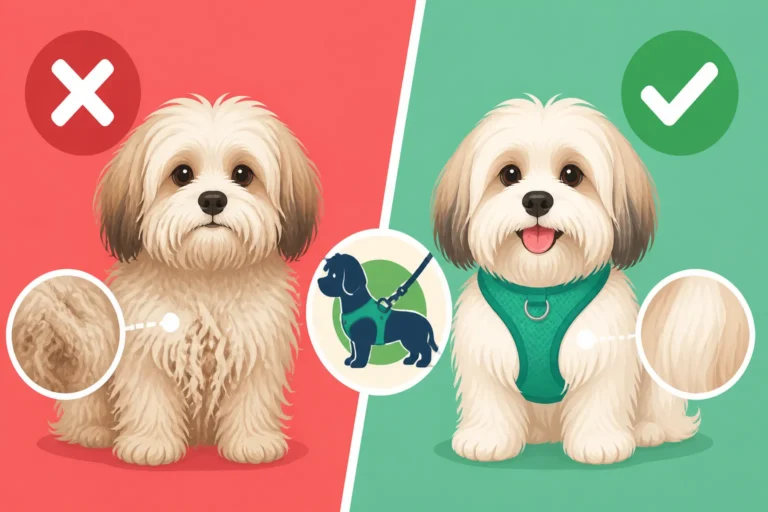
Matting isn't just a cosmetic issue; it's a serious health concern for your Havanese. Those soft, fine hairs love to intertwine, especially where there’s friction – behind the ears, under the armpits, around the collar, and on the legs. When the undercoat sheds, it gets trapped by the longer outer coat, creating dense, felt-like clumps close to the skin. These mats pull on the skin, causing pain and discomfort, and can even lead to skin infections if moisture gets trapped underneath. They can restrict movement, making your dog miserable. Many Havanese owners report a sudden increase in matting around the age of eight months, which coincides with their "coat change," a notoriously difficult period where the puppy coat gives way to the adult coat. Why a Havanese Mats at Eight Months and Not Before delves into this tricky phase. Regular, effective brushing isn't just about aesthetics; it's about your dog's comfort and well-being.
The Essential Brushes for Every Havanese Owner
Given the unique nature of the Havanese coat, you can’t just grab any old brush. You need specific tools that are designed to handle fine, long hair and prevent those dreaded mats. Think of it like a painter needing different brushes for different strokes – you need a collection to master the Havanese canvas.
The Slicker Brush: Your Primary Weapon
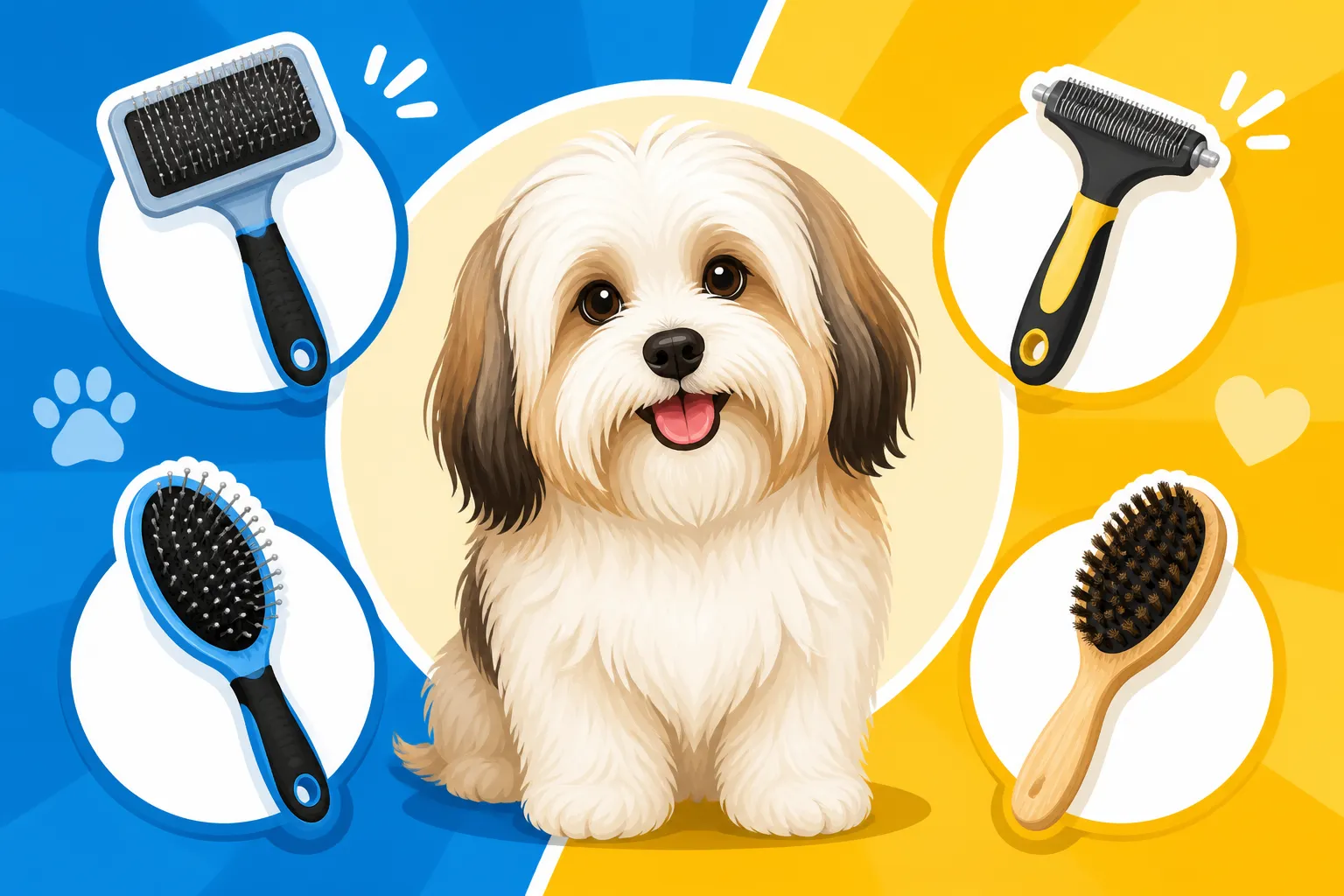
This is, without a doubt, the single most important brush in your Havanese grooming kit. A high-quality slicker brush features fine, bent wire pins packed closely together on a flat or curved surface. It’s designed to penetrate the dense coat, separating individual hairs and gently pulling out loose undercoat and tangles before they can become full-blown mats.
When you're shopping for a slicker, don't skimp on quality. Cheap slickers can have sharp, unprotected pins that scratch your dog's skin, making grooming a painful experience. Look for one with coated tips or flexible pins. Brands like Chris Christensen offer excellent quality slickers that are often recommended by professional groomers for breeds like the Havanese. You can often find these reliable brands on platforms like Chewy or Amazon, where reviews from other Havanese owners can also guide your choice.
How to Use it Properly: The Art of Line Brushing
Simply running a slicker over the top of the coat isn't enough; it just glides over mats, leaving them untouched. You need to master "line brushing." This technique involves parting the coat and brushing in small sections, from the skin out.
- Start at the bottom: Begin with a section of hair on a leg or the belly.
- Part the hair: Use your free hand to lift the top layer of hair, exposing the skin and the roots of the hair underneath.
- Brush from skin to tip: Using your slicker brush, gently brush downwards, working on that small section of hair. You should feel the pins getting right down to the skin.
- Work in layers: Once you've thoroughly brushed that section, drop a bit more hair from the lifted section and repeat. You're essentially working your way up the dog, layer by layer, ensuring every strand from root to tip is brushed. This method is crucial for preventing mats from forming deep within the coat. For a deeper dive, check out Whether Line Brushing Reaches a Havanese's Skin.
The Metal Comb: The Mat Detective and Finisher
While the slicker brush does the heavy lifting, a good quality metal comb is your second most important tool. It acts as your quality control, ensuring no mats have been missed and helping to separate any stubborn tangles the slicker might have loosened but not fully removed.
Look for a comb that has both wide and narrow-set teeth. The wider teeth are great for initial detangling, while the finer teeth are essential for checking the coat all the way down to the skin, especially in tricky areas like behind the ears, under the chin, and on the feathered legs.
How to Use it:
After thoroughly slicker brushing a section, run the metal comb through the same section. If the comb glides smoothly from root to tip, you've done a great job! If it snags, you've found a hidden tangle or a partially removed mat. Go back to that spot with your slicker brush and work it out gently. Never pull the comb through a mat, as this will cause pain and damage the coat. Gently work at the mat with the comb's wider teeth or use your fingers to tease it apart. This ensures you’ve brushed How Often a Havanese Must Be Brushed effectively.
The Pin Brush: For Everyday Shine and Comfort
A pin brush has widely spaced, smooth pins, usually made of metal or bamboo, with rounded tips. While not as effective for deep detangling or mat removal as a slicker, a pin brush is excellent for:
- Gentle daily brushing: If your Havanese has a longer coat and isn't prone to severe matting, a pin brush can be used for a quick daily run-through to keep the topcoat tidy and distribute natural oils.
- Finishing touch: After a thorough slicker and comb session, a pin brush can add a final fluff and polish to the coat.
- Massaging the skin: The rounded pins can stimulate circulation and feel quite pleasant for your dog, making grooming a more positive experience.
It’s a good supplement to your slicker and comb, but never a replacement for them when it comes to mat prevention.
Specialty Brushes and Tools for Specific Situations
Sometimes, even with the best intentions and regular brushing, a Havanese coat can present unique challenges. Having a few specialty tools on hand can make a world of difference when you encounter a particularly stubborn mat or a dense undercoat.
Dematting Tools: When Mats Get Serious
No one wants to use dematting tools, but sometimes they're a necessary evil. These tools are designed to cut through or carefully separate mats. There are a couple of types:
- Mat Splitters/Rakes: These typically have sharp, inwardly curved blades that can be carefully worked into the mat to split it into smaller, more manageable sections. They are excellent for breaking down large, flat mats. Extreme caution is paramount when using these tools, as improper use can easily cut your dog's skin. Always pull the skin taut away from the mat and work slowly, parallel to the skin, never directly into it.
- Butter Comb: While a metal comb (mentioned above) is general purpose, a "butter comb" is a heavy-duty, finely crafted metal comb with very smooth, rounded teeth that glide through hair exceptionally well. They are still combs, not cutters, but their superior build quality makes them more effective at detangling than a cheaper comb.
Using a detangling spray generously on the mat before attempting to split or comb it can also help significantly. Products like Cowboy Magic or Chris Christensen Ice on Ice are often recommended. Whether Detangling Spray Helps a Havanese further explores this topic. If you encounter a mat that feels like concrete, or your dog is clearly in pain, it might be time to consider professional help. Sometimes, the kindest thing for your Havanese is a visit to a groomer to carefully shave out painful mats. Whether a Matted Havanese Must Be Shaved is a good read if you're facing this dilemma.
Undercoat Rakes: For Denser Undercoats
While many Havanese have a relatively sparse undercoat, some can have a denser one, especially those with a more "cottony" texture. An undercoat rake has wider, longer teeth designed to reach deep into the undercoat and pull out loose hair without damaging the topcoat.
When to use it: If you notice a lot of shedding undercoat, or if your Havanese feels particularly dense and prone to developing deep-seated mats, an undercoat rake can be a useful addition. However, be careful not to over-use it, as excessive raking can thin the coat too much or irritate the skin. It should be used gently, in the direction of hair growth, and only when necessary. Always follow up with a slicker brush and metal comb to ensure all tangles are removed.
How to Choose the Right Brushes for Your Havanese
Choosing the right brush isn’t just about the tools themselves; it’s about understanding your specific dog’s needs and making grooming a positive, consistent habit. Investing in good quality tools is an investment in your Havanese's comfort and your own sanity!
Considering Coat Type and Length
Your Havanese's specific coat texture (silky vs. cottony) and desired length will heavily influence your brush choice.
- Silky, long coats: These might benefit from a softer slicker brush and a high-quality pin brush for daily maintenance, with the metal comb as the indispensable mat detector. The hair is less prone to immediate felting, but still needs attention.
- Cottony, dense coats: These often require a firmer slicker brush to penetrate the density, and you'll rely heavily on thorough line brushing. An undercoat rake might be more beneficial here. You may also find yourself reaching for the mat splitter more often.
- Puppy Cuts: Many owners opt for a The Puppy Cut Most Havanese Owners End Up Choosing for ease of maintenance. While this significantly reduces matting, you still need your slicker and comb. Shorter hair can still tangle, especially if it's fine, and mats can form quickly if not brushed regularly.
Consider the age and temperament of your Havanese too. A puppy needs gentle introductions to brushing with soft tools, as discussed in Getting a Havanese Used to Brushing as a Puppy. An older Havanese, especially one with arthritis, might need softer brushes and shorter, more frequent grooming sessions, or special accommodations like a grooming table with a ramp. Grooming an Old Havanese That Cannot Stand Long offers great advice for senior Havanese.
Quality Over Quantity: Investing in the Best
It might be tempting to buy a cheap brush set, but with a Havanese, this is often a false economy. Poor quality brushes can damage the coat, hurt your dog, and simply not do the job, leading to more mats and frustration. Investing in durable, well-designed tools pays off in the long run.
Think of it this way: good tools make the task easier and more effective. You'll spend less time struggling with tangles and more time enjoying bonding with your Havanese. You can find excellent quality grooming tools at pet specialty stores, or through online retailers like Chewy and Amazon, which often carry a wide range of professional-grade products. When looking at online options, make sure to read reviews specific to Havanese owners to see what has worked best for others with similar coats.
In addition to brushes, don't forget other essential grooming supplies. A good quality shampoo and conditioner are crucial for maintaining coat health, which in turn makes brushing easier. Detangling sprays, as mentioned, are invaluable. And while we're on the topic of care, remember that a healthy diet also contributes to a healthy coat. Brands like Ollie, which offer fresh, high-quality dog food, can support overall well-being, including skin and coat condition.
Learning Proper Technique: The Brush is Only Half the Battle
Even with the best brushes in the world, if you're not using them correctly, you'll still struggle. Proper technique is paramount.
- Consistency is key: Short, daily brushing sessions are far more effective than long, infrequent ones. How Long Brushing a Havanese Takes Daily gives a good idea of what to expect.
- Patience and positive reinforcement: Make grooming a positive experience from day one. Use treats, praise, and keep sessions short and sweet.
- Grooming Table (optional but recommended): A grooming table can make line brushing much easier on your back and helps your Havanese learn to stand still for grooming.
- Seek guidance: Don't hesitate to ask a professional groomer to show you their techniques. Many are happy to offer tips and demonstrations that can transform your home grooming routine.
Here’s a quick overview of the essential brushes and their primary uses:
| Brush Type | Primary Use | Havanese Coat Suitability | Pros | Cons |
|---|---|---|---|---|
| Slicker Brush | Removing loose undercoat, detangling mats | All Havanese, especially during coat change | Penetrates deep, effective for mats, stimulates skin | Poor quality can scratch skin, improper use can pull hair |
| Metal Comb | Checking for missed tangles, finishing work | All Havanese, crucial for mat detection | Reaches skin, precise for small tangles, essential quality control | Cannot remove large mats alone, can pull painfully if used on knots |
| Pin Brush | Gentle daily brushing, fluffing, topcoat maintenance | Longer, silkier coats, maintenance | Gentle, comfortable for dog, good for distributing oils | Not effective for mats or deep detangling, often glides over tangles |
| Dematting Tools | Cutting or splitting severe mats | For emergency mat removal | Effective on stubborn mats, can save a coat from shaving | Requires extreme caution, can injure skin if misused, not for daily use |
| Undercoat Rake | Removing dense undercoat, reducing shedding | Havanese with denser, cottony undercoats | Efficiently removes shedding undercoat, prevents deep mats | Can thin coat too much, may irritate skin if overused |
Ultimately, keeping your Havanese looking fabulous and feeling great is a commitment, but with the right tools and a little practice, it's a rewarding part of pet ownership. By understanding your Havanese's unique coat and arming yourself with the essential brushes, you'll ensure that grooming remains a cherished bonding experience, rather than a dreaded chore.
Disclaimer
This article is for general informational purposes only and does not constitute professional advice. Laws, prices and regulations vary by location and change over time. Consult a qualified professional for guidance on your specific situation.