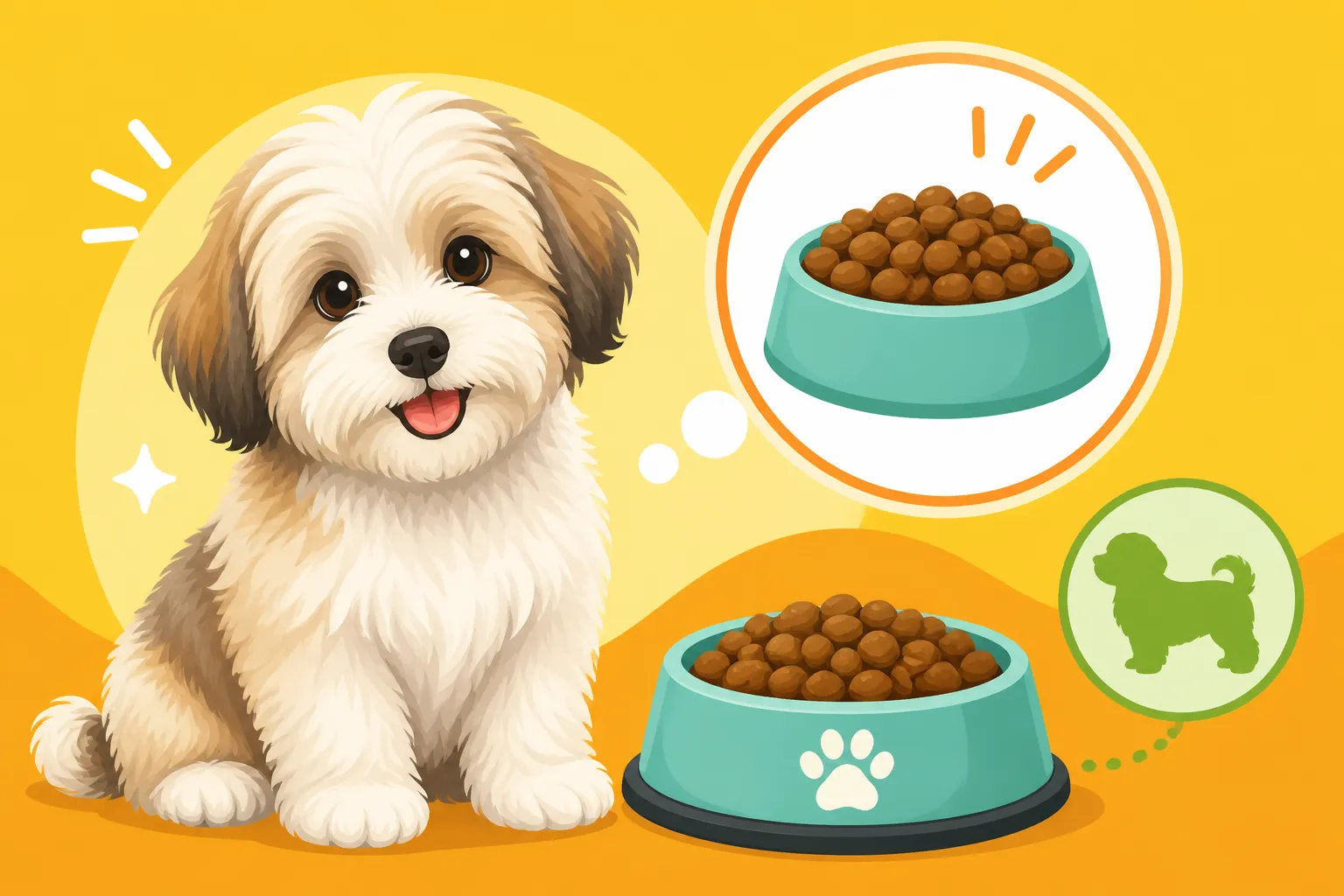
How Much a Havanese Puppy Eats at Four Months
One of the biggest worries new Havanese puppy parents often have is whether they're feeding their little one enough – or too much! It's especially tricky at four months, when they're growing quickly but still have those tiny tummies. This comprehensive guide will walk you through the specifics of what your four-month-old Havanese puppy needs to thrive, helping you feel confident about their nutrition.
Understanding Your Four-Month-Old Havanese Puppy's Nutritional Needs
At four months old, your Havanese puppy is truly in a sweet spot of rapid growth and developing independence. They're past the very early, fragile weeks but still have a long way to go before reaching their adult size and maturity. This period is absolutely critical for building strong bones, healthy muscles, and a robust immune system. Their nutritional needs are quite distinct from those of a newborn or an adult dog, and understanding these differences is key to providing the best care.
The Importance of Puppy-Specific Formulas
You wouldn't feed a toddler an adult diet, and the same goes for your Havanese puppy. Puppy food isn't just smaller kibble; it's specifically formulated with higher levels of protein, fat, and essential nutrients like calcium and phosphorus to support their intense growth phase. A four-month-old Havanese needs these concentrated calories and nutrients to fuel their development. Feeding an adult formula too early can lead to deficiencies, stunting growth, or causing other health issues. Look for formulas specifically designed for "small breed puppies," as these will have the appropriate balance of nutrients and kibble size for their delicate mouths and digestive systems. Many reputable brands offer such formulations, whether you're browsing options on Chewy or looking at local pet stores.
Key Nutrients for Growing Havanese Puppies
Let's break down what these little dynamos need in their diet. Protein is paramount, supporting muscle development, organ function, and a healthy coat. Look for high-quality animal proteins like chicken, lamb, or fish as the first ingredients. Fats provide concentrated energy for their active days and contribute to healthy skin and that beautiful, silky Havanese coat. Essential fatty acids, like Omega-3s and Omega-6s, are also crucial for brain development and inflammation control. Carbohydrates offer sustained energy, while a carefully balanced blend of vitamins and minerals ensures proper bone growth, immune system strength, and overall vitality. Too much calcium can be just as detrimental as too little for growing bones, which is why a balanced puppy formula is so important. These foundational nutrients lay the groundwork for a healthy life, which is why we often discuss The First Year With a Havanese Puppy with such care.
Energy Levels and Metabolism
Think about how much your four-month-old Havanese puppy zips around, explores, and learns! They're burning through calories at an impressive rate compared to an adult dog. Their metabolism is faster, meaning they process food more quickly and require more frequent, energy-dense meals. While they might seem like bottomless pits at times, it’s not just gluttony; it’s their little bodies working overtime to grow. Their tiny size also means they have less stored energy, making consistent feeding vital to prevent dips in blood sugar. This is also why understanding Whether a Havanese Puppy Drops Its Blood Sugar is important for young pups.
Calculating the Right Food Portions for a Four-Month-Old Havanese
Determining the "exact" right amount of food for your four-month-old Havanese isn't a one-size-fits-all answer. It's a blend of science, observation, and following guidelines. Every puppy is an individual, with varying metabolism, activity levels, and growth rates, so what works for one might need slight adjustments for another.
Reading and Interpreting Food Labels
The absolute first place to start is the feeding guide on your chosen puppy food package. Manufacturers spend a great deal of time and research developing these recommendations, which are usually based on your puppy's current weight and anticipated adult weight. They'll often provide a range, for example, "X cups per day for a puppy weighing 5-10 lbs." Always use these as a starting point. Remember that these are daily totals, not per meal. If the bag suggests 1 cup per day, and you're feeding three meals, each meal would be roughly 1/3 cup. Different brands, whether it's a premium kibble you pick up from Amazon or a specialized fresh food delivery service like Ollie, will have different caloric densities. A small amount of one brand might contain more calories than a larger amount of another, so always check the specific label.
Factors Influencing Your Puppy's Portions
Several factors play into how much food your Havanese puppy truly needs. Their individual metabolism is a big one; some pups are just naturally more energetic. Their activity level also makes a huge difference. Is your puppy constantly playing, romping in the yard, and attending puppy classes, or are they a bit more relaxed, preferring cuddles over chaos? Puppies that are more active will naturally burn more calories and might require slightly more food. Environmental temperature can also play a small role, with puppies in colder climates sometimes needing a tiny bit more energy to stay warm. Health status is critical; if your puppy has any underlying health conditions, your vet might recommend specific dietary adjustments. Finally, their genetic predisposition – what their parents weighed and how quickly they grew – can give you an indication, although it's not a hard-and-fast rule.
Measuring Food Accurately
This might sound like a minor detail, but it's incredibly important. Eyeballing portions can easily lead to overfeeding or underfeeding. Use a dedicated measuring cup, preferably one designed for pet food or a standard kitchen measuring cup, rather than just scooping with whatever is handy. Even small deviations daily can add up over time. For example, an extra ¼ cup of kibble per day might not seem like much, but over a week, that’s almost two full cups of extra food your small Havanese puppy doesn't need, potentially leading to unwanted weight gain. Consistency in measurement helps you accurately track your puppy's intake and makes it easier to adjust if needed.
Here’s a sample table outlining how different factors might influence your four-month-old Havanese puppy's daily food intake:
| Factor | Impact on Daily Food Intake | Notes |
|---|---|---|
| Activity Level | High: May need slightly more; Low: May need slightly less | An active puppy burns more calories. Adjust slowly and observe. |
| Metabolism | Fast: May need slightly more; Slow: May need slightly less | Some puppies are naturally 'hotter' or more efficient metabolizers. |
| Kibble Type | High-Calorie: Less volume needed; Low-Calorie: More volume needed | Always check the specific feeding guide on your bag. |
| Growth Rate | Rapid: May need to be on the higher end of the range; Slower: On the lower end | Observe growth; your vet can confirm if growth is appropriate. |
| Treats Given | Regular: Reduce meal portions slightly; Infrequent: No adjustment needed | Treats count! Factor them into daily caloric intake to prevent overfeeding. |
| Health Status | Specific conditions may require adjustments | Always consult your veterinarian for dietary recommendations if your puppy has health concerns. |
Monitoring Your Havanese Puppy's Weight and Adjusting Food
Once you've established a feeding plan, the work isn't over! Your Havanese puppy is a dynamic, growing creature, and their needs will change. Regularly monitoring their weight and body condition is crucial to ensure they're on the right track and to make necessary adjustments to their diet.
The Importance of Regular Weight Checks
Puppies, especially small breeds like Havanese, can have their nutritional needs shift fairly rapidly. What was perfect a week ago might be a little too much or too little now. Aim to weigh your Havanese puppy weekly or bi-weekly during this stage. A kitchen scale or a small baby scale works perfectly for tiny pups. Record their weight in a journal. This helps you spot trends and allows you to catch any significant changes quickly. Your veterinarian will also be monitoring their weight at regular check-ups, and having your own records can be incredibly helpful for them to assess growth patterns. This consistent monitoring contributes to their overall health, touching on areas we often cover when discussing topics such as The Fourteen to Sixteen Years a Havanese Lives.
Assessing Body Condition Score (BCS)
Weight alone doesn't tell the whole story. Body Condition Score (BCS) is a more accurate way to assess if your puppy is at a healthy weight. This involves feeling your puppy rather than just looking at them.
- Rib Check: Gently run your hands along your puppy's sides. You should be able to feel their ribs easily, but they shouldn't be visibly protruding. If you can't feel them without pressing, your puppy might be carrying too much weight. If they're sharply visible, they might be too thin.
- Waistline: Look at your puppy from above. They should have a noticeable "waist" where their body tucks in behind the ribs. From the side, their tummy should tuck up slightly rather than hanging low.
- Energy Levels: A healthy puppy should be energetic and playful. If your Havanese puppy seems lethargic or sluggish, it could be a sign of underfeeding or, conversely, discomfort from being overweight. Similarly, excessive restlessness could indicate they are still hungry.
These visual and tactile checks are invaluable. Your vet will also perform a BCS check at each visit, helping you learn what a healthy Havanese puppy feels like. For more detail on keeping your Havanese at a healthy weight as they age, you might find Whether a Havanese Should Be Kept Slim for Its Joints interesting.
When to Adjust Portions
If your Havanese puppy is gaining weight too quickly, becoming visibly chunky, or you can't easily feel their ribs, it's time to slightly decrease their food portion. Reduce the daily amount by about 10% and monitor for a week. Conversely, if your puppy seems too thin, their ribs are too prominent, or they're constantly ravenous despite being fed the recommended amount, a slight increase (again, around 10%) might be necessary.
Always make gradual changes to avoid upsetting their digestive system. Remember to factor in treats! Those little training rewards or bedtime snacks add up. If you're giving a lot of treats, consider reducing their main meal portions slightly or switching to very low-calorie options. Consistency is key, which is something we highlight when discussing The Meal Schedule a Havanese Puppy Needs. If you're consistently making adjustments and still not seeing the desired results, or if you have any concerns about your puppy's growth or health, don't hesitate to consult your veterinarian. They can rule out any underlying issues and provide tailored advice.
Establishing a Feeding Routine and Best Practices
Beyond what and how much to feed, how you feed your four-month-old Havanese puppy is equally important. A consistent routine and healthy feeding practices will contribute to good digestion, stable blood sugar levels, and a well-behaved puppy.
Frequency and Timing of Meals
At four months old, most Havanese puppies do best with three meals a day. Their small stomachs can't handle large quantities of food, and frequent meals help stabilize their blood sugar, which is particularly important for small breeds. Spreading out their daily food intake into morning, midday, and evening meals also aids digestion and nutrient absorption. For example, if you aim for roughly 7 AM, 1 PM, and 7 PM, it provides a nice rhythm to their day. As they grow older, typically around six months, you might transition them to two meals a day. Understanding When a Havanese Drops to Two Meals is a natural progression as they mature.
Consistency is really important here. Try to feed them around the same times each day. This not only helps their digestive system get into a rhythm but also makes house training easier, as you can predict when they'll need to go outside after eating.
Creating a Calm Feeding Environment
Mealtime should be a peaceful, positive experience for your Havanese. Choose a quiet, designated spot where they won't be interrupted by other pets, children, or household activity. Use a clean, appropriately sized bowl. If you have multiple pets, feed them separately to prevent competition or guarding behavior. A calm environment reduces stress, which can impact digestion. Some Havanese can be a little particular about their food, so a relaxed setting helps encourage good eating habits. If you've ever wondered Whether a Havanese Is a Picky Eater, you'll know that sometimes the environment can play a role!
The Dangers of Free-Feeding
While it might seem convenient to leave a bowl of kibble out all day, free-feeding is generally not recommended for Havanese puppies. For one, it makes it impossible to accurately monitor how much they are actually eating, which makes identifying issues like a loss of appetite much harder. It can also lead to overeating and weight gain, as puppies might graze out of boredom. Furthermore, leaving food out can attract pests and spoil, especially wet food. By offering meals at set times, you create a routine, encourage your puppy to eat when food is available, and maintain better control over their nutrition. If they don't finish a meal within 15-20 minutes, pick up the bowl. They'll quickly learn to eat when the food is offered. This also helps when you need to understand How Much an Adult Havanese Eats Daily as their needs change.
Always Provide Fresh Water
This is perhaps the simplest, yet most crucial, aspect of canine nutrition. Your Havanese puppy needs constant access to fresh, clean water. Hydration is vital for all bodily functions, including digestion, nutrient absorption, and temperature regulation. Use a clean bowl that's easy for your puppy to reach. Change the water frequently, at least twice a day, and keep the bowl clean to prevent bacterial growth. Especially after playing or eating, your puppy will be thirsty. Some Havanese owners find that elevated bowls can help keep their long ear hair out of the water, but for a four-month-old, a standard floor bowl is usually fine.
Ensuring your four-month-old Havanese puppy receives the right nutrition is one of the most loving and impactful things you can do for their long-term health and happiness. By understanding their needs, carefully measuring their food, monitoring their growth, and maintaining a consistent routine, you're setting them up for a lifetime of health.
Disclaimer
This article is for general informational purposes only and does not constitute professional advice. Laws, prices and regulations vary by location and change over time. Consult a qualified professional for guidance on your specific situation.